
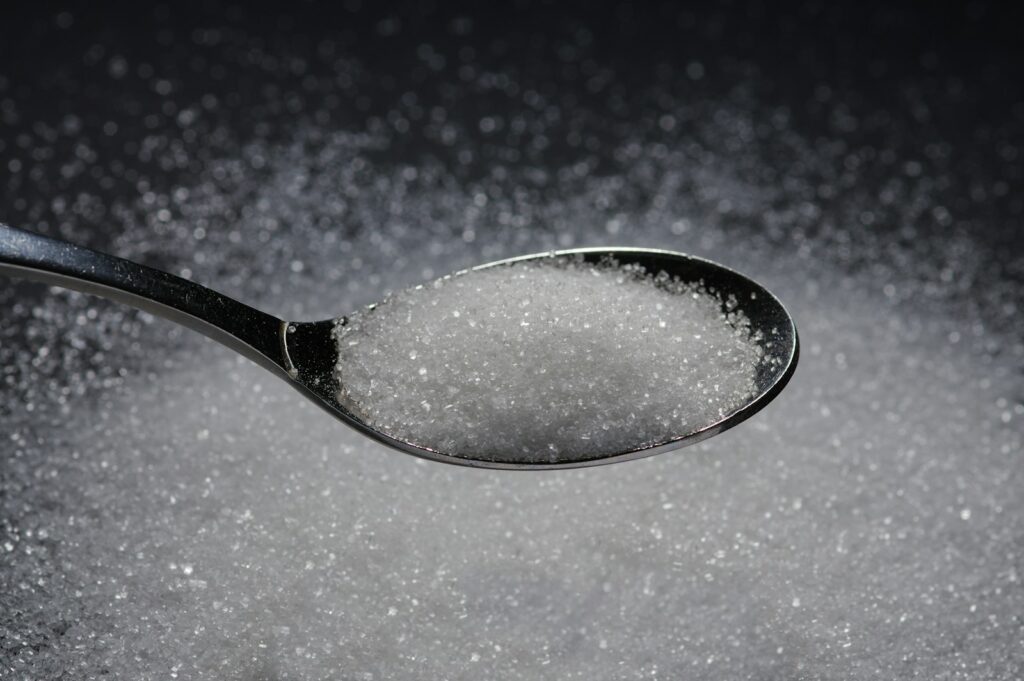
Demerara sugar is a coarse, golden-brown cane sugar with dry, crunchy crystals and a light caramel or toffee note. It is especially good as a finishing sugar on muffins, scones, cookies, and fruit crisps, or stirred into hot drinks and syrups. It is not the same as soft brown sugar, and its rustic color does not make it meaningfully healthier than ordinary sugar.
Think of demerara sugar as texture plus flavor—not a nutrition upgrade in a prettier shade of gold.
The useful question is not simply “Can this sweeten food?” All sugars can do that. The better question is what those large crystals will do in a particular recipe. Demerara brings sparkle, crunch, and a faint molasses character; in a delicate cake or smooth custard, those same qualities can become a drawback.
What demerara sugar actually is
Demerara begins with sugarcane and retains enough molasses character to give the crystals their amber color and subtle flavor. The name comes from the historic Demerara region in what is now Guyana, although a bag sold today may be produced somewhere else. Check the package if geographic origin matters to you.
It is often placed in the supermarket’s “raw sugar” category, but raw is an imprecise retail label here. Demerara has still been processed: cane juice is extracted, concentrated, and crystallized. The large grains are dry and free-flowing rather than damp and packable, and they dissolve more slowly than fine white sugar.
Taste it beside granulated sugar and the difference is gentle, not dramatic. Demerara is sweet first, with a mild toffee or caramel edge from the molasses left around the crystals. I think of it as a finishing sugar before I think of it as a baking sugar; that one distinction prevents most disappointing substitutions.
Demerara vs brown sugar, turbinado, and white sugar
The labels can look like one big family reunion, but moisture and crystal size change how each sugar behaves. Brand-to-brand variation is real, especially between demerara and turbinado, so the package texture is sometimes more informative than a sweeping rule.
| Sugar | Texture and flavor | What it does best |
|---|---|---|
| Demerara | Large, dry, golden crystals; light caramel or toffee note | Crunchy toppings, hot drinks, and rich syrups |
| Turbinado | Coarse, dry, golden cane sugar; mild molasses flavor | The closest easy swap for demerara, especially as a topping |
| Light or dark brown sugar | Smaller, moist crystals that pack together; stronger molasses flavor in dark brown | Chewy cookies, sauces, and recipes that depend on added moisture |
| White granulated sugar | Finer, dry crystals; clean sweetness | Even dissolving, creaming with butter, and predictable everyday baking |
“Brown sugar” in a U.S. recipe usually means soft light or dark brown sugar, not demerara. Brown sugar may be made by mixing refined sugar with molasses or by processing a brown sugar syrup, and its extra moisture helps create softness and chew. Turbinado is demerara’s closest shelf neighbor, but there is no reliable rule that every turbinado crystal is always darker, finer, or more molasses-forward. Producers differ.
Raw sugar is an umbrella shopping term, not one exact baking specification. A packet labeled raw cane sugar is often turbinado; demerara may sit nearby under its own name. If a recipe needs a precise texture, buy the sugar it names rather than assuming every golden crystal will behave identically.
The best uses and smartest substitutions
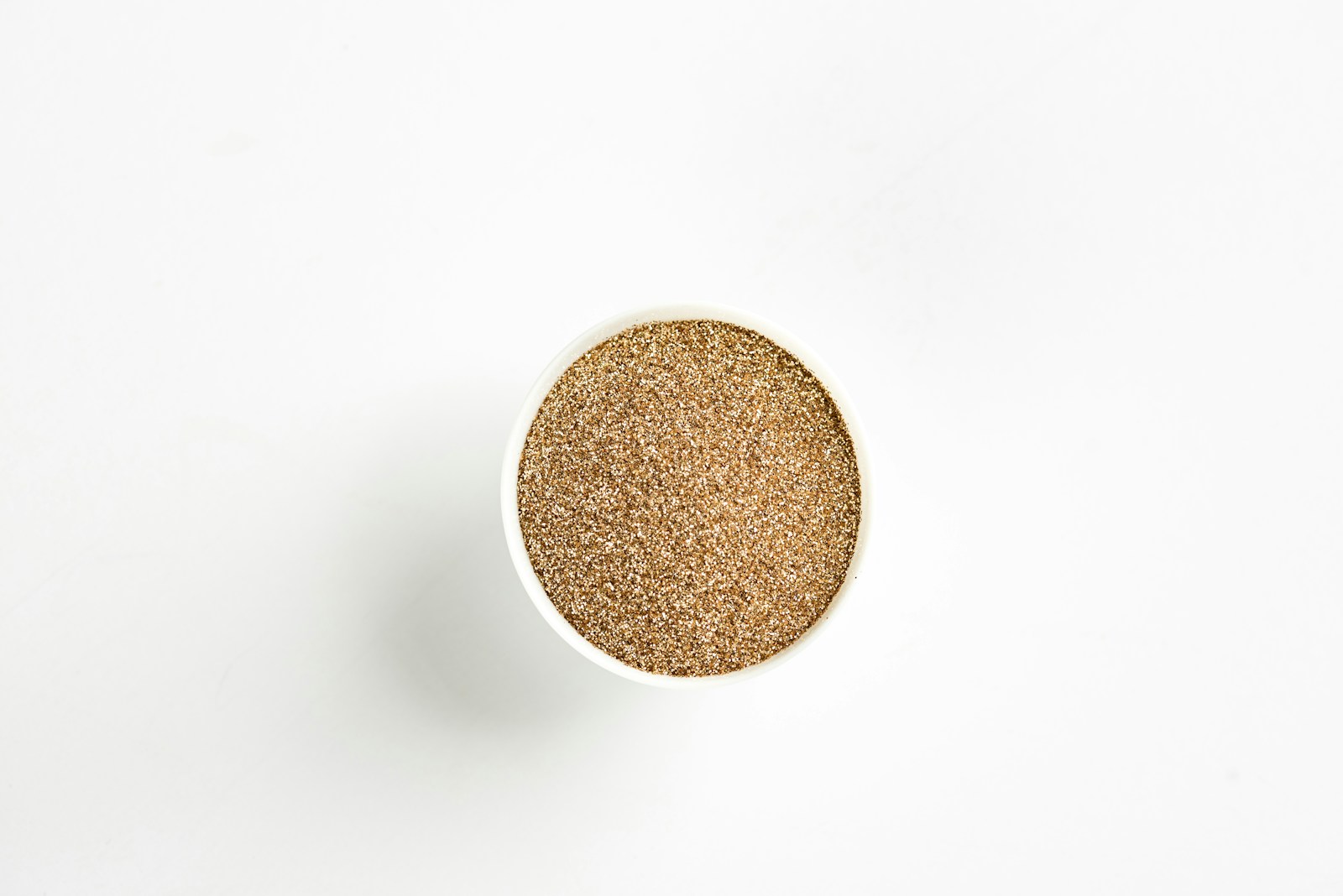
Demerara earns its pantry space on surfaces. Sprinkle it over muffins, scones, quick breads, pie crust, or cookies before baking for visible sparkle and a crisp bite. It also works on oatmeal, broiled grapefruit, baked apples, and the streusel of a fruit crisp. In drinks, its warm note suits black tea, espresso, and chicory coffee; hot liquid helps the coarse crystals dissolve.
For a simple syrup, substitute demerara for white sugar by weight and warm it gently with the recipe’s water until fully dissolved. The result will be darker and more caramel-like, which is welcome in many coffee drinks and cocktails but not ideal when a clear, neutral syrup is the goal. Store it according to the recipe you are following rather than assuming every homemade syrup has the same shelf life.
Turbinado is usually the easiest one-for-one swap by weight for toppings and syrups. White sugar supplies sweetness but loses the golden crunch and molasses note. Soft brown sugar adds moisture and does not make the same crisp topping. In cookies, cakes, meringues, and other structure-sensitive baking, I would use the specified sugar or a tested substitution; coarse demerara may not dissolve, cream, or spread like a finer crystal.
Is demerara sugar healthier than white sugar?
Not in a way that should drive the choice. Demerara’s trace molasses can contribute tiny amounts of minerals, but it remains a concentrated added sugar rather than a meaningful source of vitamins, minerals, or fiber. The FDA counts single-ingredient table sugars among added sugars and sets the Daily Value at 50 grams on a 2,000-calorie diet; individual needs vary, and the full eating pattern matters more than the color of one spoonful.
That does not make demerara forbidden. It means the honest reason to buy it is culinary: a crunchy finish and a mild caramel note. Using a smaller amount where you can actually notice those qualities makes more sense than swapping it into every recipe because it looks less refined.
Keep demerara in an airtight container in a cool, dry cupboard so humidity does not turn the crystals into a block. When you open the jar, the decision can stay simple: choose it when its texture and flavor have a job to do, and choose ordinary granulated or soft brown sugar when the recipe needs their particular behavior instead.
Sources
- FDA: Added Sugars on the Nutrition Facts Label
- USDA FoodData Central
- Allrecipes: What Is Demerara Sugar and How Can You Use It?
- The Sugar Association: Types of Sugar
- NHS: Sugar—The Facts

Hi, I’m Laura, the voice behind Tastiva. I’ve always believed that eating well should feel enjoyable, comforting, and realistic—not like another complicated rule to follow. I love creating recipes that fit into everyday life, sharing simple nutrition ideas, and finding small ways to make meals feel a little better without losing the pleasure of good food.