
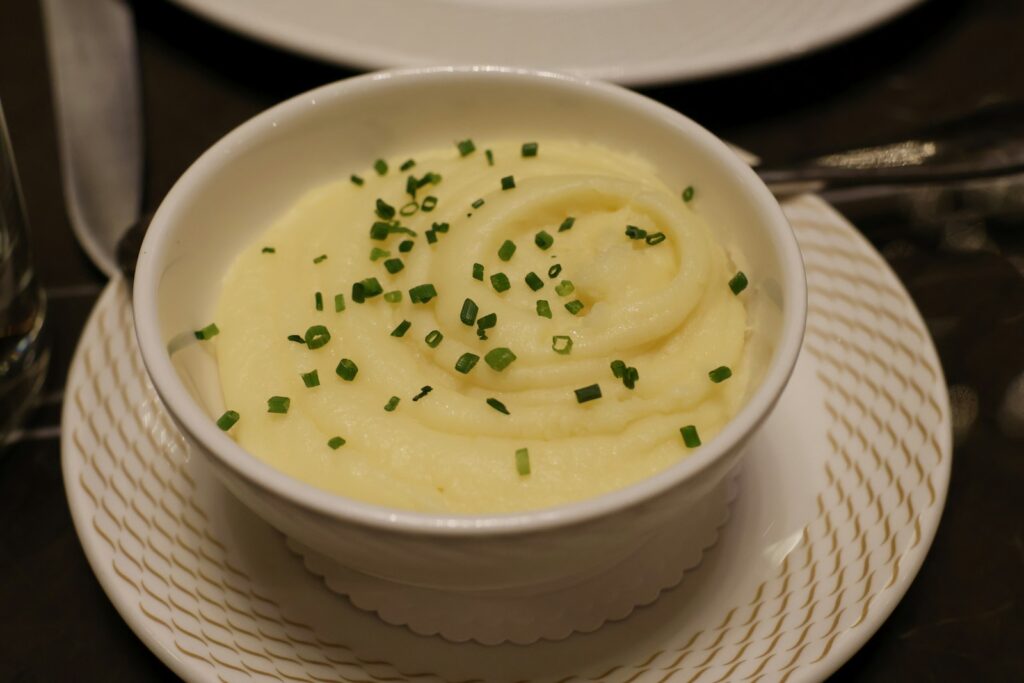
Soft foods need little chewing and feel gentle in the mouth: think creamy oatmeal, scrambled eggs, yogurt, mashed vegetables, soft beans, tender fish, moist pasta, and blended soup. They can make eating easier after dental work, during illness, or when appetite is low. If swallowing—not chewing—is the problem, though, “soft” is not a complete safety standard; the right texture and liquid thickness should come from a clinician or speech-language pathologist (SLP).
A soft-food plate can still feel like dinner: start with an easy protein, add soft produce, and finish with a comforting starch or grain.
What Makes a Food Soft?
A useful test is simple: can you mash the food with a fork and eat it without hard biting, tugging, or prolonged chewing? Moisture matters as much as tenderness. Gravy, broth, yogurt, sauce, or milk can make dry foods easier to manage. Remove tough skins, seeds, bones, crusts, and stringy fibers; chop or mash to a comfortable size.
“Soft” depends on why you need it. After an extraction or other oral procedure, follow the dentist’s instructions and advance textures only when they say it is appropriate. Crunchy chips, nuts, popcorn, crusty bread, sticky candy, and chewy meat can irritate a healing mouth. Very spicy, acidic, or piping-hot foods may sting. After a tooth extraction, the American Dental Association advises avoiding straws for 24 hours.
For a sore throat or fatigue, comfort and tolerance may guide the choice. With a typical stomach bug, fluids come first, and a restrictive soft diet is not automatically necessary. A soft diet is not always bland, liquid, or puréed—and it need not be all beige. Cinnamon in oatmeal, mild herbs in eggs, or fruit purée can add flavor without difficult texture.
Soft Foods for Breakfast, Lunch, Dinner, and Snacks
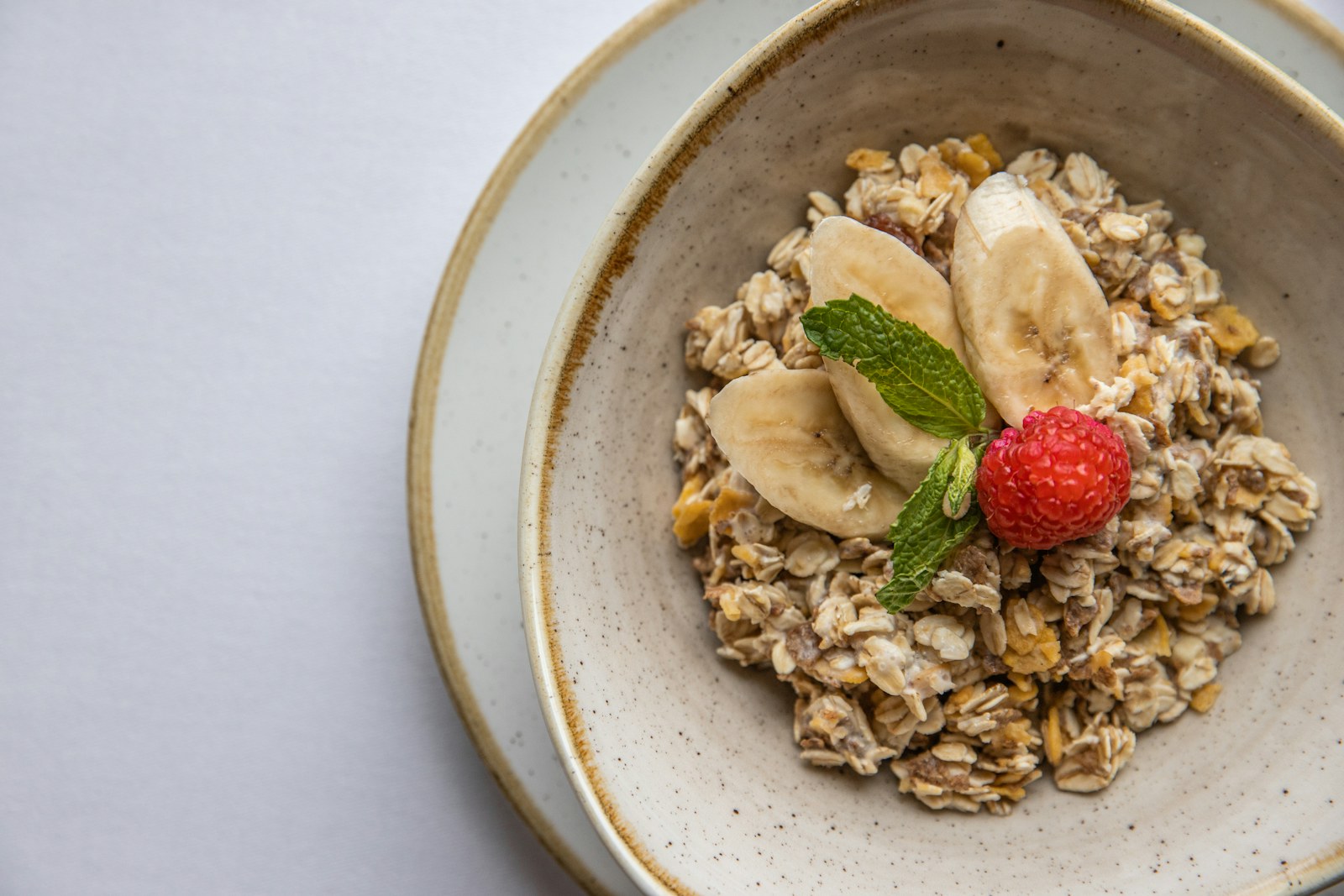
I like to plan from familiar meals rather than assemble a random list of “allowed” foods. Choose options that fit your medical needs and the instructions you were given; temperature, acidity, fiber, and dairy tolerance can all matter from one person to the next.
| Meal | Soft-food ideas |
|---|---|
| Breakfast | Creamy oatmeal or grits; softly scrambled eggs; yogurt or cottage cheese; ripe mashed banana; pancakes softened with yogurt or applesauce |
| Lunch | Blended vegetable or bean soup; egg salad; mashed avocado; hummus; soft noodles; ricotta with cooked fruit |
| Dinner | Flaky baked fish; silken tofu; tender ground meat with gravy; mashed potatoes or sweet potatoes; risotto; well-cooked squash, carrots, or zucchini |
| Snacks and dessert | Applesauce; pudding or custard; smoothies eaten with a spoon when straws are off-limits; smooth nut or seed butter thinned into yogurt; soft canned peaches or pears |
Some foods are deceptive. Dry rice, crumbly cornbread, chunky soup, fibrous pineapple, sausage casing, and sticky peanut butter may be uncomfortable—or unsuitable for some swallowing plans. When in doubt, add moisture, blend evenly, or choose a smoother alternative.
How to Keep Soft Meals Nourishing
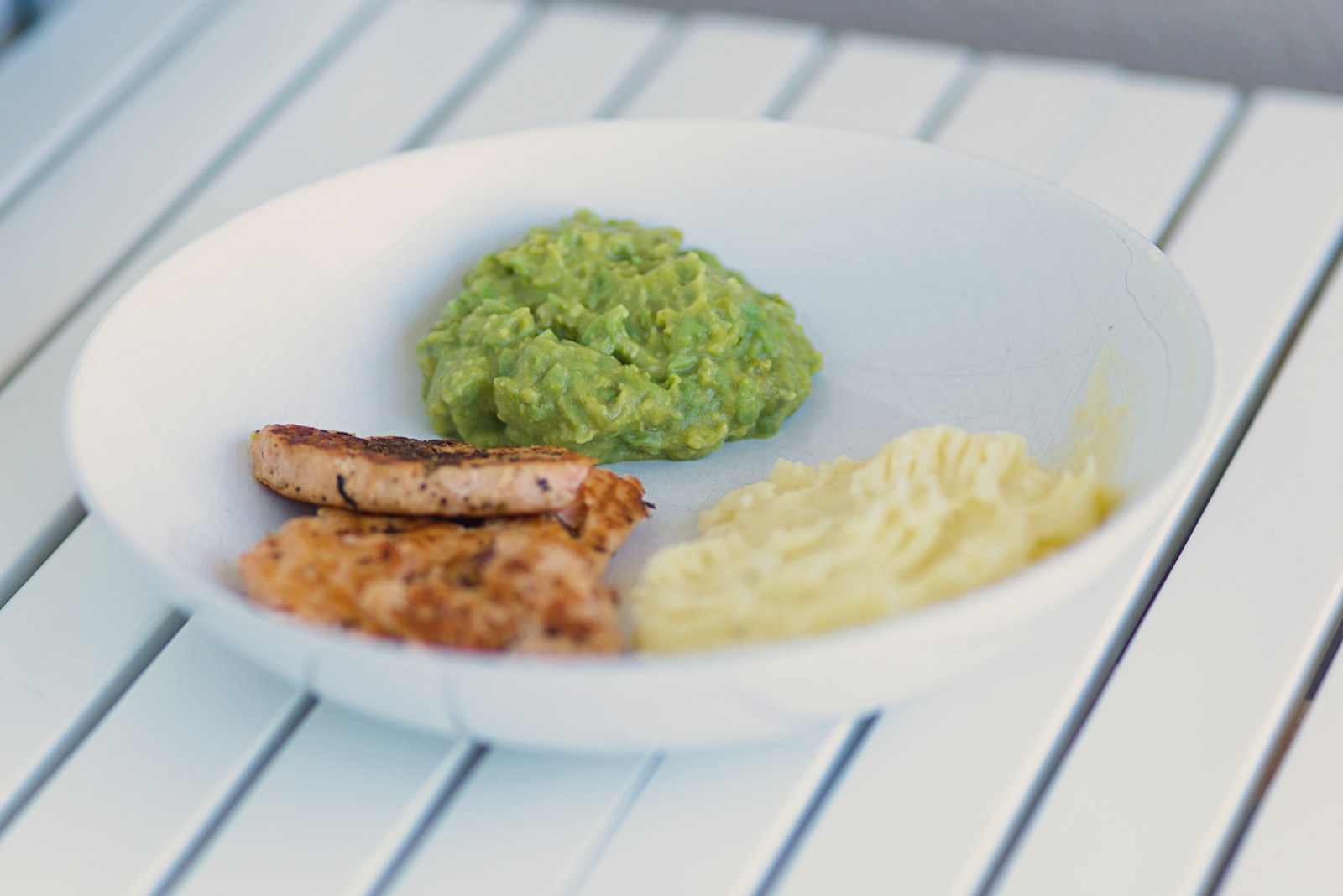
Soft eating can quietly become a diet of toast, broth, and gelatin. Those foods may be comforting, but they do not provide much protein or variety on their own. My practical formula is protein + produce + energy at meals: eggs with oatmeal and banana; yogurt with smooth fruit purée; lentil soup with mashed sweet potato; or tender fish with soft-cooked vegetables and rice made creamy with broth.
- Protein: Eggs, Greek yogurt, cottage cheese, tender fish, silken tofu, puréed beans, smooth hummus, or moist finely ground meat.
- Fruits and vegetables: Applesauce, mashed banana or avocado, canned fruit without skins, cooked vegetables, and smooth vegetable soups.
- Grains and starches: Oatmeal, grits, polenta, mashed potatoes, soft pasta, congee, risotto, and well-softened bread if permitted.
- Extra energy when portions are small: Stir milk powder into cereal, blend yogurt into a smoothie, enrich mash with olive oil or cheese, or add avocado to soup. Check with a dietitian when heart, kidney, diabetes, allergy, or other dietary restrictions apply.
Sip fluids regularly unless your care plan limits them, and consider five or six small eating times when a full plate feels overwhelming. If low appetite lasts, weight is dropping, or the menu has narrowed to only a few foods, a registered dietitian can help raise protein, calories, fiber, and fluids without making portions unmanageably large. Our guide to daily protein needs can also help you frame that conversation.
Texture and Safety Matter More Than the Label
Difficulty swallowing is called dysphagia, and it calls for individualized advice. A smoothie, thin soup, or even water may not be safe for everyone; conversely, unnecessarily thickening drinks can reduce enjoyment and intake. The IDDSI framework gives clinicians shared terms—from puréed and minced-and-moist to soft-and-bite-sized—but an SLP should assess swallowing and recommend the appropriate food texture, liquid thickness, bite size, posture, and strategies. Do not improvise from the word “soft” alone.
Contact a medical professional promptly for repeated coughing or choking with meals, a wet or gurgly voice after swallowing, food that feels stuck, new trouble breathing around meals, recurrent chest infections, dehydration, or unintended weight loss. Call 911 for a choking or breathing emergency. After dental work, contact the dental team about worsening pain, swelling, fever, bleeding that will not stop, or an inability to drink.
Finally, soft food still needs ordinary food-safety care. Wash hands and utensils, keep raw and ready-to-eat foods separate, cook foods safely, and refrigerate perishables within two hours. USDA guidance says refrigerated leftovers are generally best used within three to four days and reheated to 165°F. Serve food moist and fresh, sit upright, take unhurried bites, and stop if eating causes distress.
Sources
- American Dental Association: Extractions
- Mayo Clinic: Wisdom Tooth Extraction
- American Speech-Language-Hearing Association: Swallowing Disorders in Adults
- American Speech-Language-Hearing Association: Adult Dysphagia
- International Dysphagia Diet Standardisation Initiative: The IDDSI Framework
- National Institute of Diabetes and Digestive and Kidney Diseases: Eating, Diet, and Nutrition for Viral Gastroenteritis
- Dietary Guidelines for Americans, 2025–2030
- USDA Food Safety and Inspection Service: Leftovers and Food Safety

Hi, I’m Laura, the voice behind Tastiva. I’ve always believed that eating well should feel enjoyable, comforting, and realistic—not like another complicated rule to follow. I love creating recipes that fit into everyday life, sharing simple nutrition ideas, and finding small ways to make meals feel a little better without losing the pleasure of good food.