
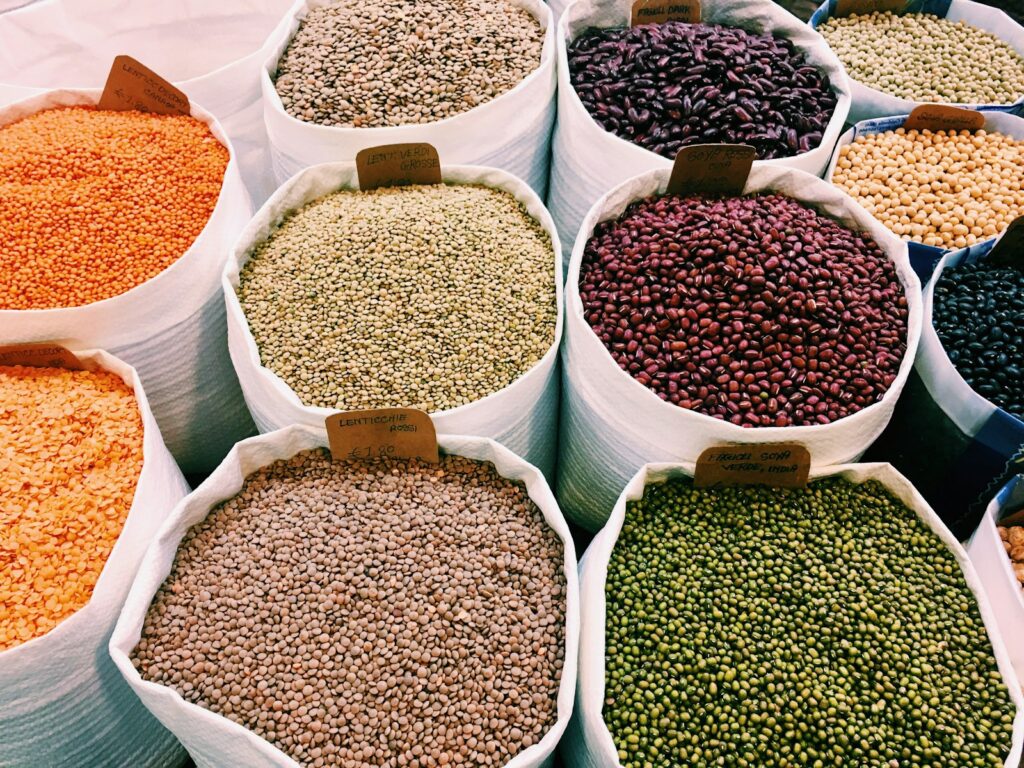
Open a pantry and the legume family starts introducing itself from every shelf: black beans, chickpeas, lentils, split peas, peanut butter, maybe soy milk or tofu in the refrigerator. Legumes are plants in the pea family and the pods or seeds those plants produce. In everyday food language, the group includes beans, lentils, peas, chickpeas, peanuts, and soybeans. “Pulse” is a narrower term, which is why two trustworthy lists can look different without either being wrong.
Legume is the big family; pulses are the dried edible seeds within it, such as lentils, chickpeas, and dry beans.
Legumes, pulses, and beans are not identical terms
Botanically, a legume produces seeds inside a pod that typically splits along two seams. Food categories are built for different purposes, so they draw smaller circles inside that botanical family. The United Nations Food and Agriculture Organization defines pulses as leguminous crops harvested for dry seed. That includes dry beans, dry peas, lentils, and chickpeas.
Fresh green peas and green beans are legumes, but they are treated as vegetables rather than pulses because they are harvested immature. Peanuts and soybeans are legumes too, yet FAO’s commodity definition excludes crops mainly used for oil from the pulse category. And despite their names, coffee beans, cocoa beans, and vanilla beans are not legumes.
| Food | Legume? | Pulse? | Common form |
|---|---|---|---|
| Black, kidney, navy, or pinto beans | Yes | Yes when harvested dry | Dried or canned |
| Lentils and split peas | Yes | Yes | Dried, then cooked |
| Chickpeas | Yes | Yes | Dried, canned, flour, or hummus |
| Green beans and fresh green peas | Yes | No | Fresh or frozen vegetable |
| Peanuts | Yes | No in FAO’s pulse definition | Whole, roasted, or butter |
| Soybeans | Yes | No in FAO’s pulse definition | Edamame, tofu, tempeh, soy milk |
What legumes provide nutritionally
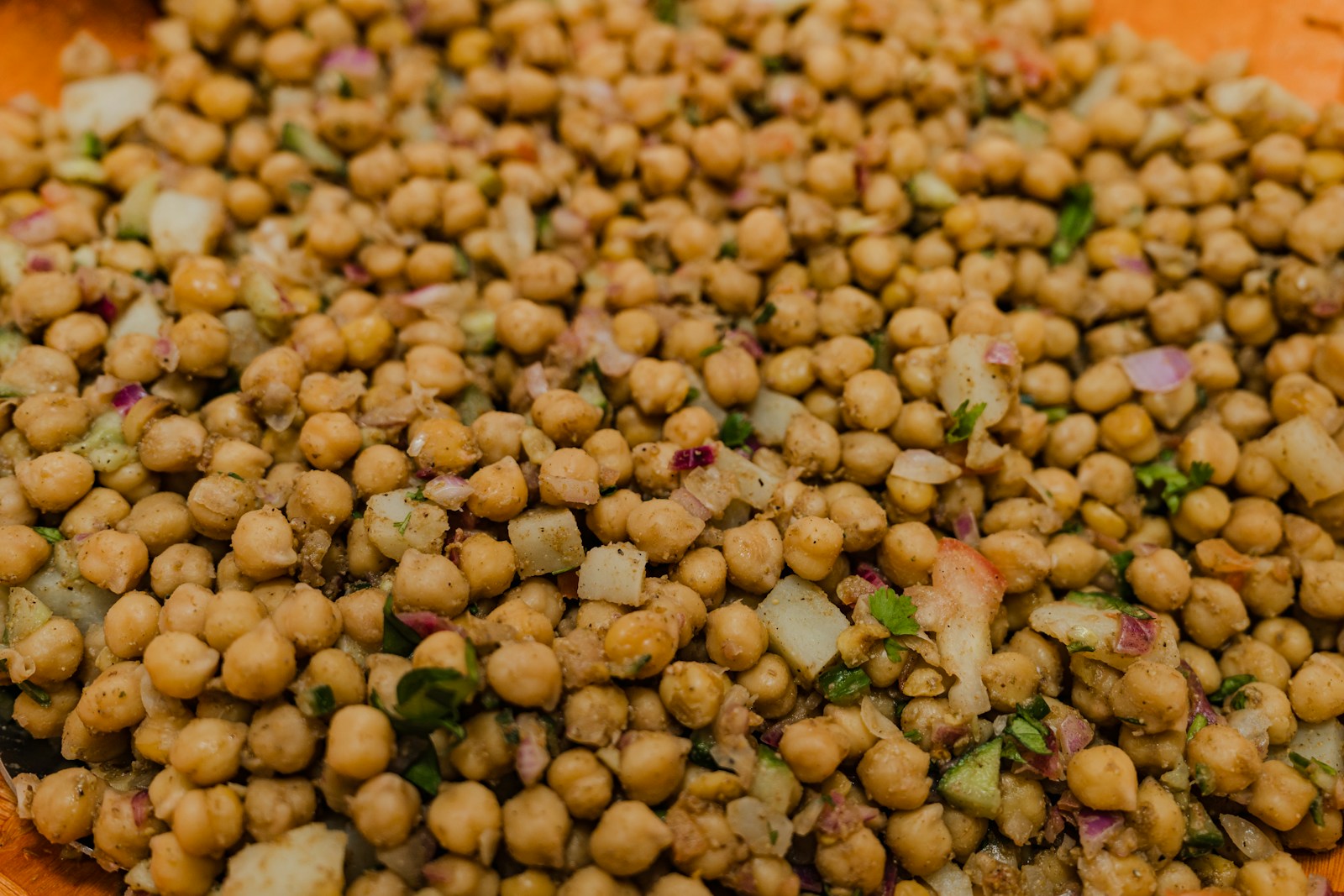
Cooked dry beans, lentils, chickpeas, and split peas typically provide both protein and dietary fiber, along with nutrients such as folate, iron, potassium, and magnesium. Exact amounts vary by legume and portion. USDA data, for example, list about 9 grams each of protein and fiber per 100 grams of cooked black beans; cooked lentils and chickpeas show a similar protein-and-fiber pattern. That pairing is why a scoop of lentils can make soup feel like lunch instead of hot water with good intentions.
The family is not nutritionally uniform. USDA data show that cooked mature soybeans contain more protein and fat per 100 grams than cooked lentils or chickpeas, while raw peanuts are much higher in fat than those cooked pulses. Green peas and green beans behave more like vegetables on the plate. Packaged versions add another layer: sodium and added sugar vary by brand and recipe, so the Nutrition Facts label and ingredient list settle those differences better than the word “legume.”
Legumes do not have to imitate meat to be useful. They can share the plate with grains, vegetables, dairy, eggs, fish, or poultry—or anchor a fully plant-based meal. A varied diet across the day can provide the essential amino acids the body needs; plant proteins do not have to be precisely “combined” at every meal. If you are eating more legumes than usual, increase fiber gradually and drink enough fluid; a sudden jump can cause gas, bloating, or cramps while the digestive system adjusts.
How to buy and cook legumes without making dinner complicated
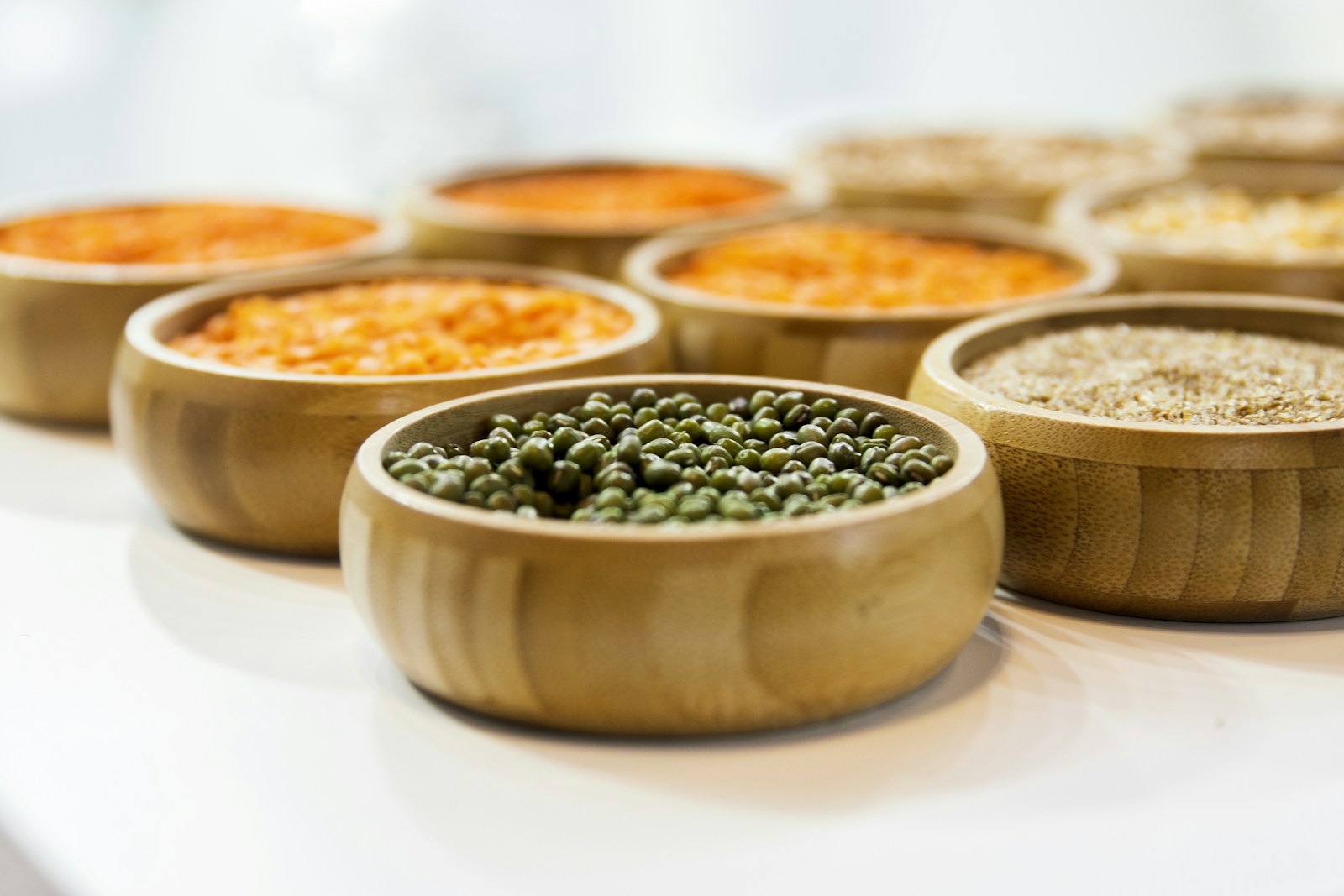
Canned legumes are the weeknight shortcut: already cooked, ready to drain, and easy to fold into soup, salad, pasta, tacos, or a grain bowl. Rinsing removes clinging brine and can soften the canned flavor. Frozen peas and edamame cook quickly. Dried legumes usually cost less per cooked portion and let you control texture and seasoning, but they require time and their age affects how fast they soften.
My pantry logic is to match the legume to the clock:
- 10 minutes: canned chickpeas or beans, rinsed and warmed with seasoning
- 20 to 30 minutes: red lentils for dal, soup, or a thick sauce
- 30 to 45 minutes: brown or green lentils for salads and bowls
- Plan-ahead cooking: dried chickpeas and larger beans, soaked when the package directs and simmered until fully tender
Salt, acidic ingredients, and hard water can affect texture, so follow the package or a tested recipe rather than one universal ratio. Add tomatoes, vinegar, or lemon once stubborn beans are close to tender if acidity seems to slow them down. If beans cause gas, try smaller portions more often. NIDDK explains that some legume carbohydrates reach the large intestine, where bacteria break them down and create gas; that ordinary fermentation is separate from the kidney-bean lectin hazard described below.
The kidney-bean safety rule—and easy ways to eat more
One safety note deserves more attention than internet soaking debates. Raw or undercooked kidney beans can contain high levels of the lectin phytohaemagglutinin and cause severe nausea, vomiting, and diarrhea. FDA’s Bad Bug Book advises soaking dried kidney beans in water for at least five hours, discarding that water, then boiling them in fresh water for at least 30 minutes. Do not cook raw kidney beans only in a slow cooker; it may not get hot enough to destroy the toxin. Canned kidney beans are already fully cooked.
Once cooked, legumes make flexible building blocks. Stir white beans into tomato sauce, mash chickpeas onto toast, add lentils to taco filling, blend beans into soup, toss edamame through rice, or replace part of the meat in chili. I like the “add, not overhaul” approach: half a cup of beans in a familiar meal is more inviting than announcing that dinner has become a nutrition project.
Refrigerate cooked legumes within two hours in shallow containers at 40°F (4°C) or colder and use within three to four days, or freeze portions for later. Peanuts and soy are major U.S. food allergens, so check ingredients and cross-contact statements when cooking for someone with an allergy. With the right form—canned for speed, lentils for ease, dried beans for economy—legumes are less a specialty food than one of the pantry’s most adaptable answers.
Sources
- FAO: International Year of Pulses—Nutritious Seeds for a Sustainable Future
- USDA FoodData Central: Cooked Black Beans, FDC 173735
- USDA FoodData Central: Cooked Lentils, FDC 172421
- USDA FoodData Central: Cooked Chickpeas, FDC 173757
- USDA FoodData Central: Cooked Soybeans, FDC 174271
- USDA FoodData Central: Raw Peanuts, FDC 172430
- NIH MedlinePlus: Protein in Diet
- NIH MedlinePlus: Fiber
- FDA: Bad Bug Book—Phytohaemagglutinin (Kidney Bean Lectin), pp. 249–250
- NIDDK: Eating, Diet, and Nutrition for Gas in the Digestive Tract
- USDA FSIS: Leftovers and Food Safety
- FDA: Food Allergies

Hi, I’m Laura, the voice behind Tastiva. I’ve always believed that eating well should feel enjoyable, comforting, and realistic—not like another complicated rule to follow. I love creating recipes that fit into everyday life, sharing simple nutrition ideas, and finding small ways to make meals feel a little better without losing the pleasure of good food.