
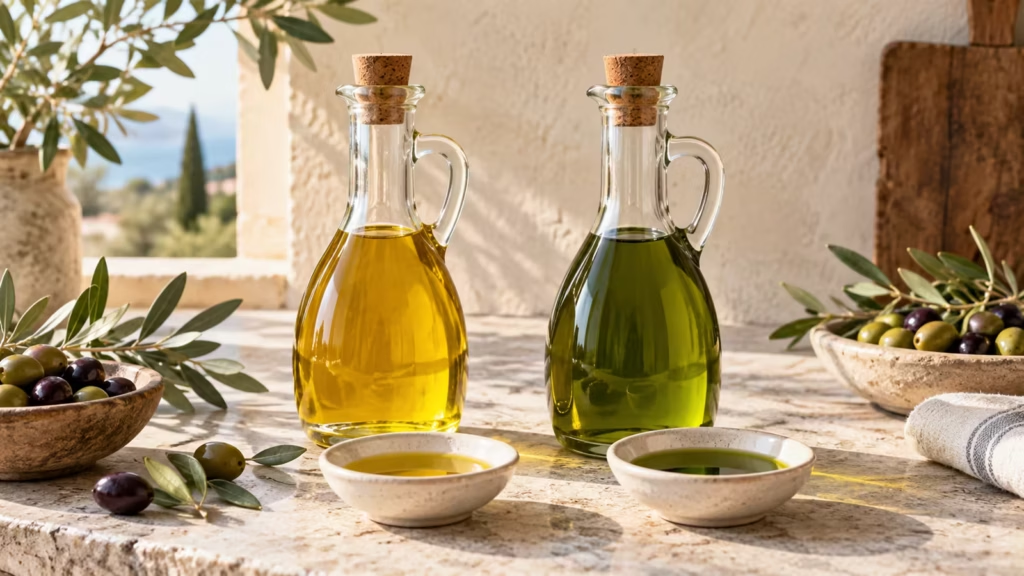
The olive oil shelf has a way of turning one fruit into a vocabulary test: extra virgin, virgin, pure, light, refined, first cold pressed. The direct answer is refreshingly short. Extra virgin olive oil is mechanically extracted virgin oil that meets the strictest quality grade, while a bottle labeled simply “olive oil” is generally a blend of refined olive oil and virgin olive oil. Both are useful cooking fats. Extra virgin brings aroma, bitterness, and peppery flavor; refined blends are milder. I keep one fragrant bottle where I can reach it and choose by the dish, not by the idea that every meal needs the most expensive oil.
Extra virgin describes a grade and a flavor—not a moral victory. The best bottle is the fresh one that suits what you are cooking.
How olive oil and extra virgin are made and graded
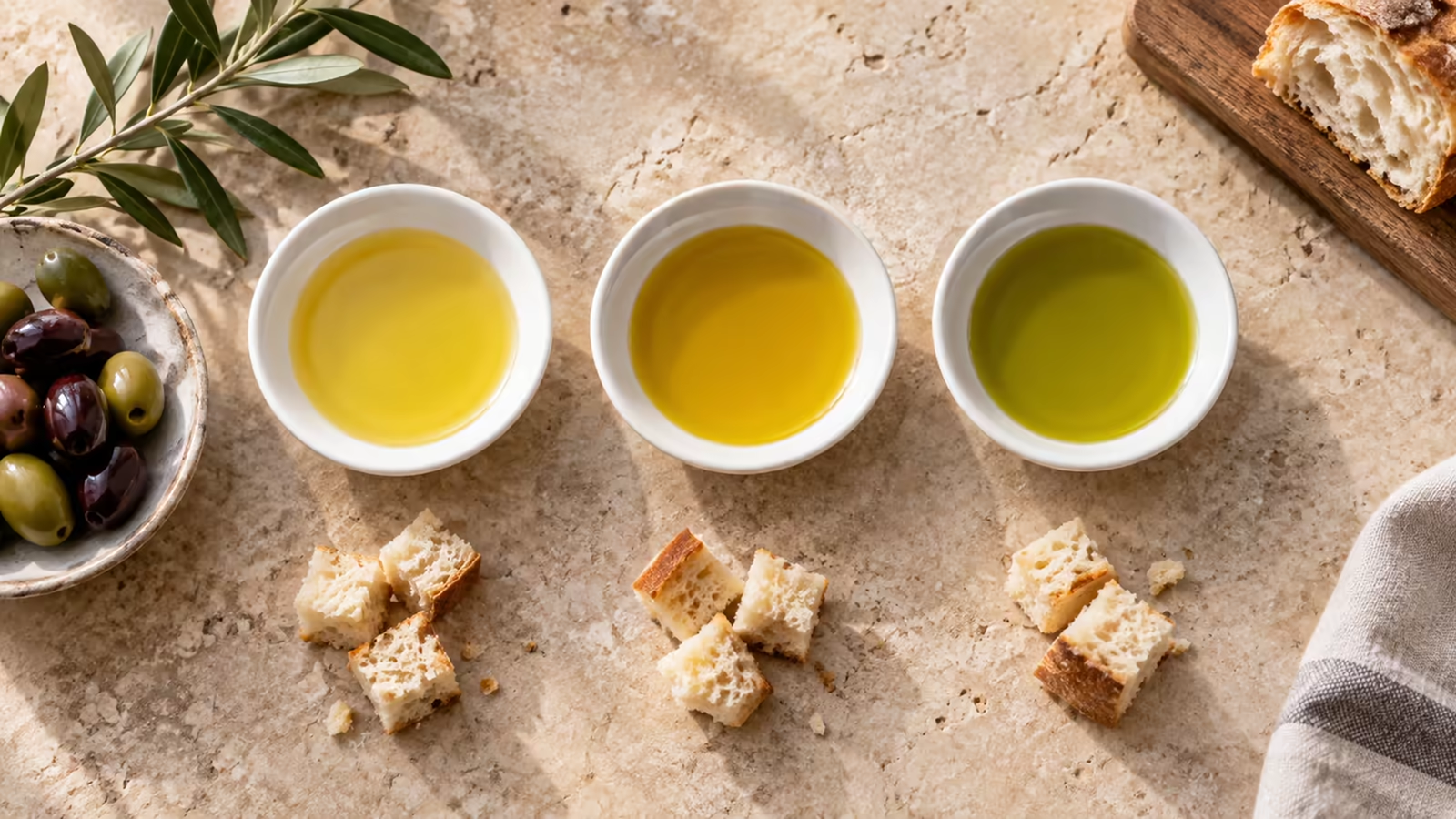
Virgin olive oils are obtained from olives using mechanical or other physical means under conditions that do not alter the oil. Under the USDA grade standard, extra virgin must have no sensory defects, must show some fruitiness, and must stay at or below 0.8 grams of free acidity per 100 grams of oil. That acidity is a laboratory quality measure, not the sharpness you taste on your tongue.
Refining can remove undesirable odors, flavors, color, and impurities from lower-grade virgin oil. U.S. “Olive Oil” is a blend of refined olive oil with virgin olive oil. It is still olive oil; it simply has a more neutral sensory profile. “Light” generally refers to light flavor or color, not fewer calories. One tablespoon of fat-rich oil remains energy-dense regardless of how pale the bottle looks.
- Extra virgin: virgin oil with the highest grade requirements and recognizable fruitiness.
- Virgin: mechanically obtained but allowed different sensory and chemistry limits.
- Olive oil: refined olive oil blended with virgin olive oil.
- Olive-pomace oil: made from the remaining olive material using a separate process and grade system.
Terms such as “pure” and “first cold pressed” can sound decisive while telling less than the formal grade, harvest information, packer, and sensory condition. Modern mills typically extract once with temperature-controlled equipment. I would rather have a fresh, well-stored extra virgin oil with a clear origin than a romantic phrase on a dusty transparent bottle.
Flavor and cooking: when each oil earns its place
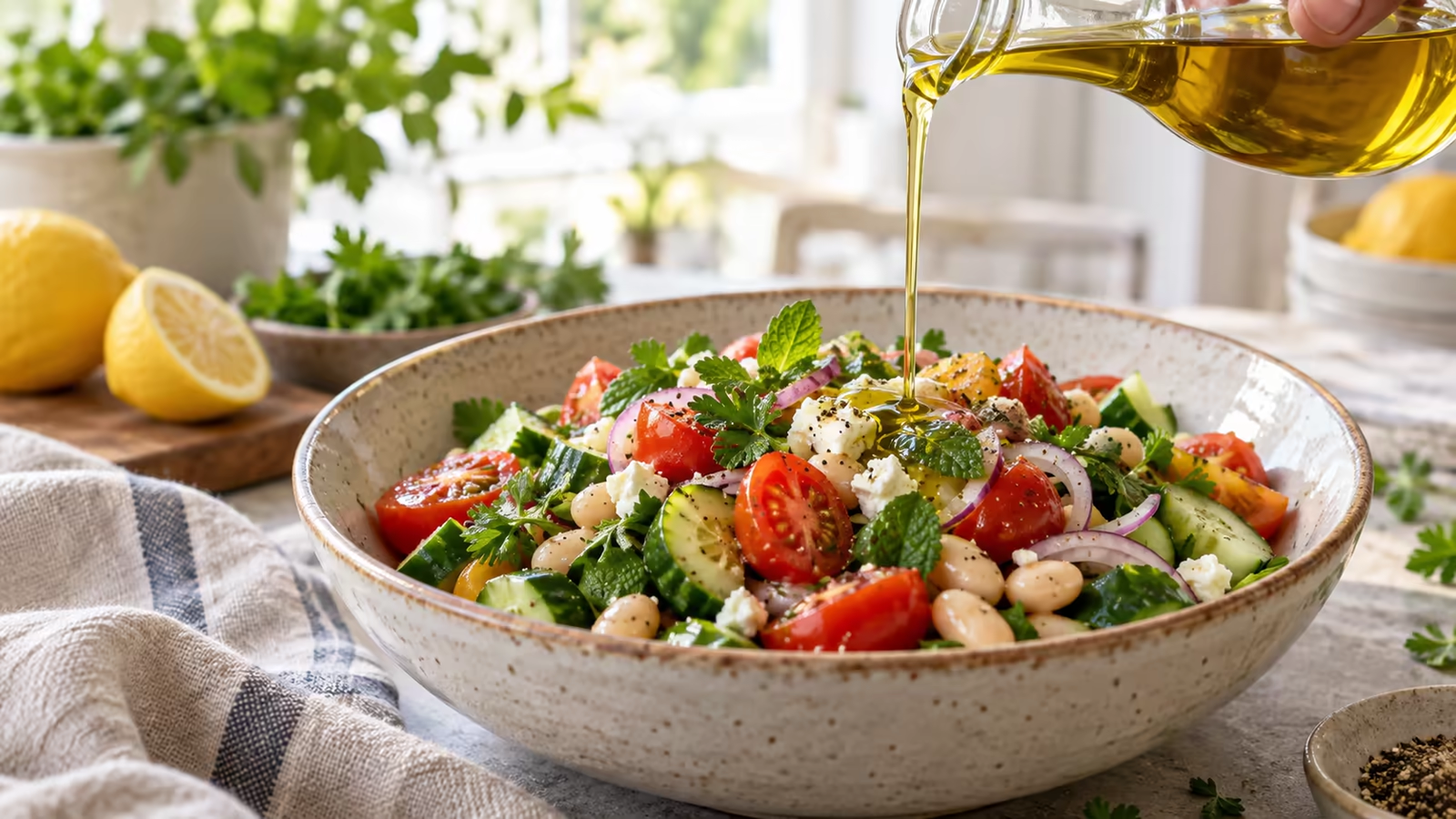
Good extra virgin olive oil can smell like cut grass, tomato leaf, herbs, ripe fruit, artichoke, or nuts. Bitterness and a peppery catch in the throat are often natural signs of olive polyphenols, not proof that the oil is rancid. Use a lively oil where you can taste it: salad dressing, beans, soup, toast, roasted vegetables, pasta, dips, or a final drizzle over fish.
You can cook with extra virgin olive oil. It works well for sautéing, roasting, and many shallow-cooking jobs when you manage heat normally and avoid letting any oil smoke. A refined olive oil blend has a quieter flavor and can be convenient for baking, mayonnaise, or dishes where you do not want olive character. The exact smoke point varies with quality, age, and refining, so one universal number printed online should not run your kitchen.
Heat, air, and repeated frying degrade oil. Use a pan large enough for the food, do not leave oil heating unattended, and discard oil that is smoking heavily, foaming abnormally, or smells stale. If a delicate extra virgin oil costs enough that you are afraid to warm it, save that bottle for finishing and use a sturdy everyday oil in the pan.
Nutrition and health: more alike than different
Both oils are mostly monounsaturated fat and have similar calories. Extra virgin usually retains more phenolic compounds because it is not refined, but the amount varies by olive variety, harvest, processing, age, and storage. That difference does not make unlimited oil healthier. A generous free-pour can quietly add far more energy than the vegetables beneath it.
The strongest dietary case is substitution: using unsaturated vegetable oils such as olive oil in place of fats higher in saturated fat, within an overall eating pattern rich in vegetables, fruit, legumes, whole grains, nuts, and fish. It is not a detox, and taking shots of oil does not provide a special pathway that ordinary food use misses.
- For heart-conscious cooking: focus on what the oil replaces and on the whole meal.
- For antioxidants: extra virgin can contribute phenolic compounds, but it is one food among many.
- For calories: measure when the quantity matters; “healthy fat” still supplies concentrated energy.
- For allergies: highly unusual reactions need individual medical assessment, not internet reassurance.
If you are comparing other cooking fats, our guide to whether olive oil is a seed oil explains why it is pressed from fruit, while our healthy fats guide puts the bottle back into the larger pattern.
How to buy fresh oil and keep it that way
Choose the grade first, then look for a harvest or best-by date, a responsible packer, and a container that protects the oil from light. Dark glass, tins, and opaque packaging are useful. A harvest date gives more context than a distant best-by date because olive oil is freshest near production; however, it is still only helpful when storage has been good.
Buy a size you can finish within a few months of opening. Keep it tightly closed in a cool, dark cupboard away from the stove, oven, and sunny counter. Refrigeration is not normally necessary and can make the oil cloudy or semi-solid; that change reverses as it warms and is not a reliable purity test.
Taste occasionally. Rancid oil may smell like crayons, stale nuts, old putty, or cardboard and will not improve a dish. Fresh extra virgin should have some living aroma even when mild. For a vinaigrette, try the oil beside our red wine vinegar guide; the simplest combination makes freshness wonderfully obvious.
Sources
- USDA Agricultural Marketing Service: Olive Oil Grades and Standards
- USDA FoodData Central
- Dietary Guidelines for Americans

Hi, I’m Laura, the voice behind Tastiva. I’ve always believed that eating well should feel enjoyable, comforting, and realistic—not like another complicated rule to follow. I love creating recipes that fit into everyday life, sharing simple nutrition ideas, and finding small ways to make meals feel a little better without losing the pleasure of good food.