
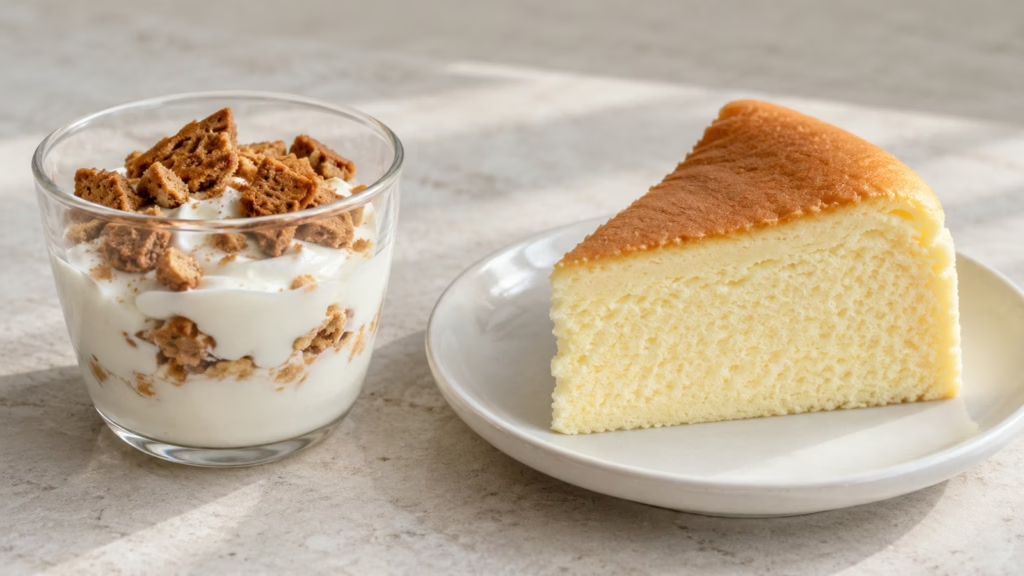
A recipe search promises Japanese cheesecake, but one result wants a whisk and an oven while the next asks you to put cookies in a yogurt tub. The difference in yogurt cheesecake vs Japanese soufflé cheesecake is more than effort: the viral version is a chilled yogurt-and-cookie dessert; the soufflé version is a baked cake made airy with whipped egg whites. Decide whether you want a creamy spoonful or a delicate cake slice before buying ingredients.
Choose the texture you want first; a shared cheesecake nickname does not make the methods interchangeable.
What the viral yogurt-cheesecake name means
In January 2026, Lisa Kitahara documented a Japanese yogurt-and-cookie trend using crisp cookies softened in yogurt. UNSW’s April reporting described the Biscoff-and-Greek-yogurt version spreading through social media and affecting Australian shopping. That supports calling it a 2026 food trend; it does not establish one inventor or a fresh surge this week.
In this comparison, “viral yogurt cheesecake” means that cookie-and-yogurt format. It does not mean every cheesecake recipe containing yogurt. A conventional baked or no-bake cheesecake may also include yogurt alongside cream cheese, eggs, cream, or a setting ingredient, with a completely different result.
- The shortcut: cookies absorb moisture while resting in thick yogurt. The final texture depends on both products and the time they spend together.
- The nickname: cheesecake-like tang and softened cookie layers explain the comparison, but the basic two-ingredient version contains no cream cheese.
- The expectation: a spoonable cup is a sensible target. A clean slice shown in one video is not a guarantee for every brand or ratio.
I find the ingredient list more useful than the viral name. It tells you whether you are about to assemble a chilled snack-style dessert or bake something with a real crumb.
Yogurt cheesecake vs Japanese soufflé cheesecake: texture first
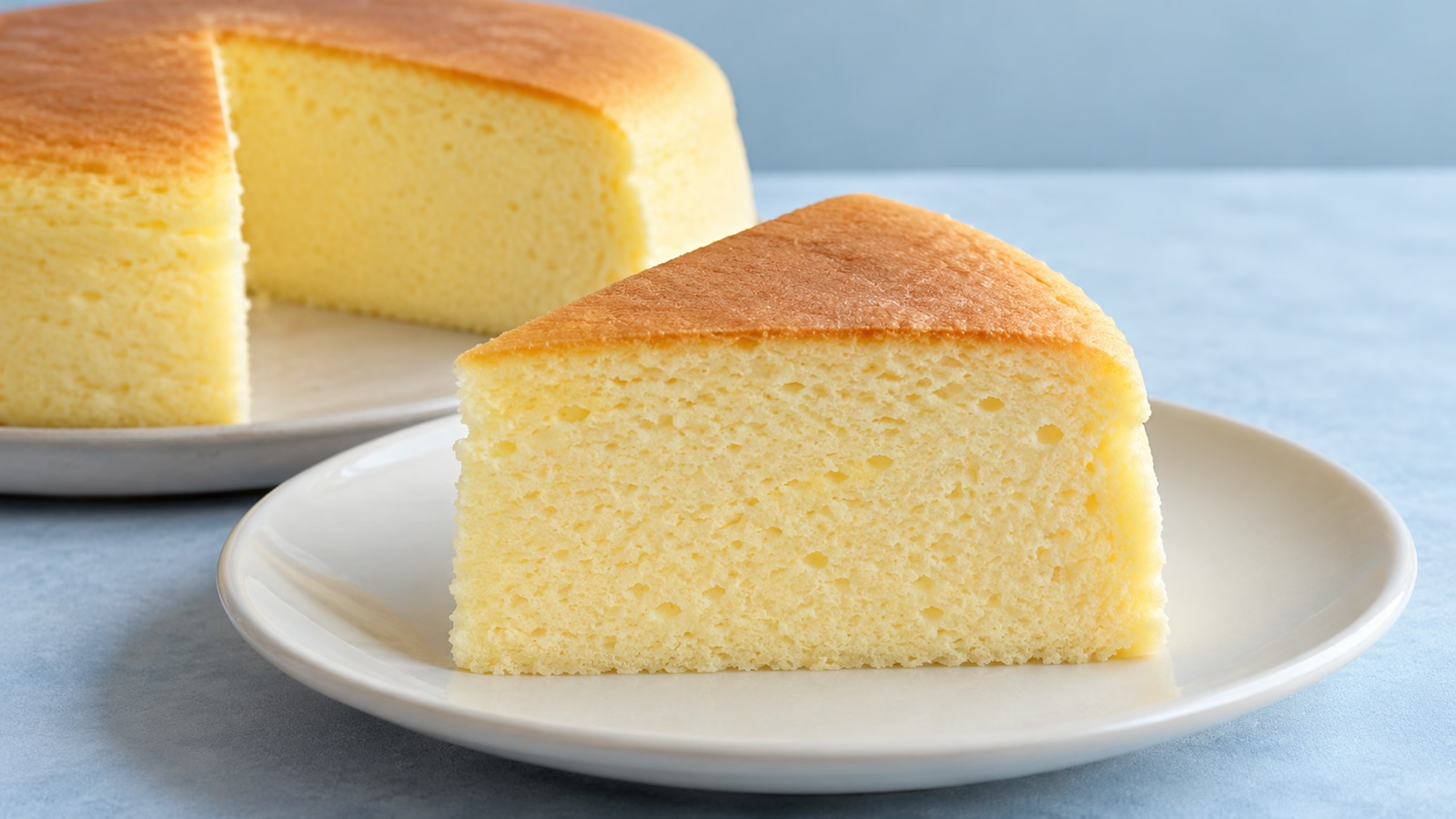
Japanese soufflé cheesecake, also called cotton cheesecake, belongs to a different method. Namiko Hirasawa Chen’s recipe folds whipped egg whites into a cream-cheese batter and uses a water bath for baking. The result has an airy interior that can be cut into portions after appropriate cooling. Yogurt and softened biscuits cannot create that same structure by chilling alone.
- Main ingredients: the viral cups use yogurt and dry cookies. Soufflé recipes typically combine cream cheese, separated eggs, sugar, and flour or starch, with other dairy depending on the recipe.
- What gives body: the cups begin with thick yogurt and gain tender cookie layers. The soufflé uses a whipped mixture and oven heat to build its delicate cake structure.
- What your spoon or fork meets: cups have creamy yogurt and softened cookie pieces; soufflé has a fine, airy crumb and a baked surface.
- Where flavor comes from: the cups taste strongly of the chosen yogurt and biscuits. The baked cake has its own balance of cheese, egg, sweetness, and any citrus or vanilla.
A topping cannot close the gap. Crushed cookies on a soufflé do not turn it into the viral cup, and adding lemon to yogurt does not make it behave like a baked cake. I would enjoy each on its own terms rather than ask one dessert to impersonate the other.
Pick the method that fits the dessert you want
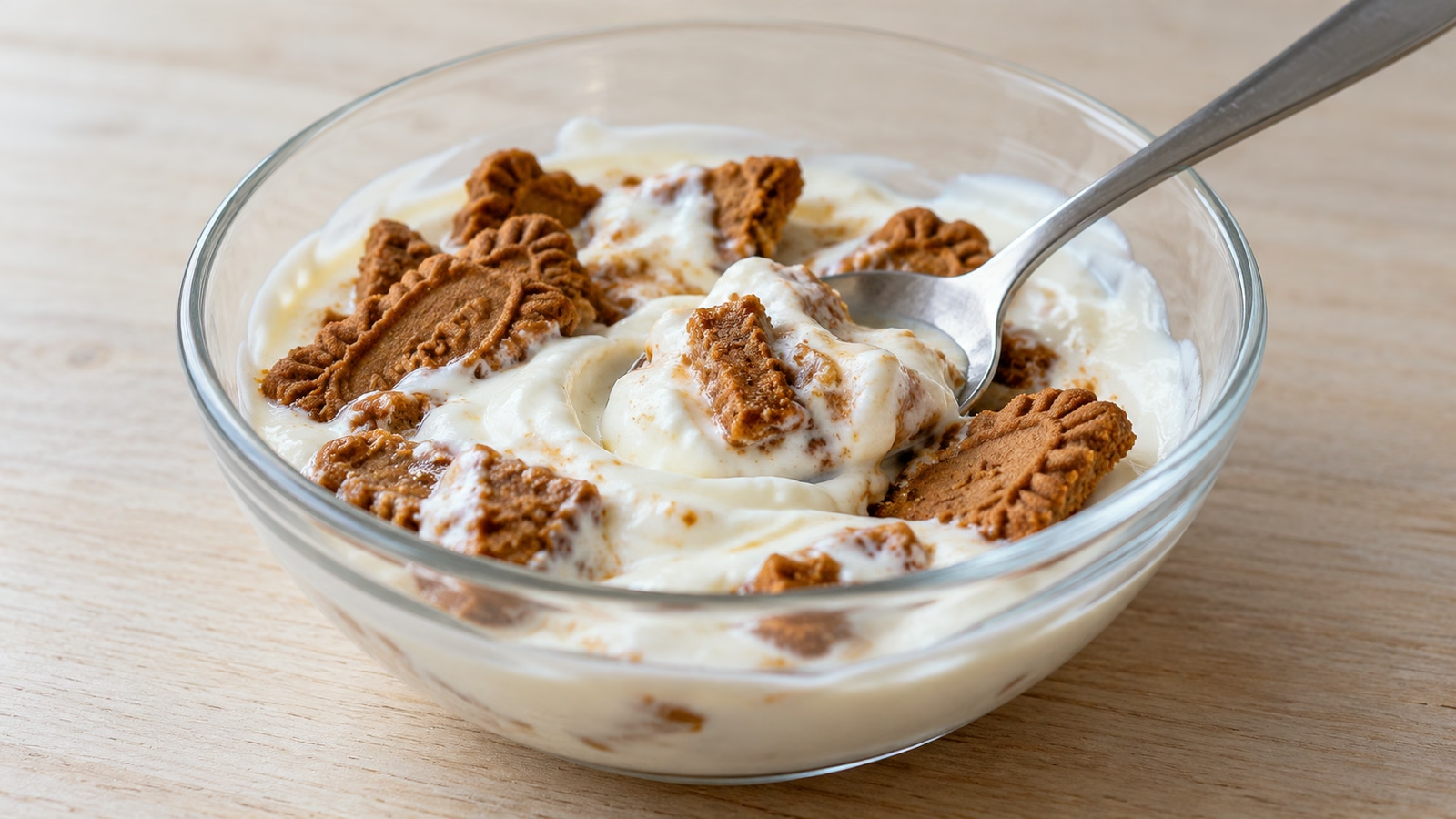
Low hands-on effort and short total time are different things. The yogurt version is quick to assemble but needs a refrigerated rest for the cookies to soften. A soufflé involves mixing, baking, and careful cooling, so read the whole schedule before promising either one for tonight.
- For a simple make-ahead cup: choose a yogurt-and-cookie recipe with specific quantities, chilling guidance, and a spoonable serving plan. Tastiva’s no-bake yogurt biscuit cups are designed for that job.
- For an airy slice: choose a tested Japanese soufflé recipe and follow its pan, egg-white, water-bath, and cooling directions. “Two ingredients” is not an equivalent method.
- For a firmer no-bake cheesecake: seek a recipe deliberately formulated for that result. Do not assume that more cookies or a longer chill will solve every loose yogurt mixture.
- For guests: decide how it will be served before starting. Individual cups avoid an unmolding gamble; a cake needs the pan and cooling plan its author specifies.
There is one important naming wrinkle: Japan also has rare cheesecake, a no-bake style. Yuto Omura’s lemon rare cheesecake, for example, uses cream cheese, yogurt, and gelatin. So the useful distinction is between these particular preparations, not a rule that every Japanese cheesecake must go in an oven.
Read the full recipe before making substitutions
The dairy aisle can change the result before you even get home. Thick plain Greek yogurt and a sweetened, pourable yogurt are not identical starting points. Our guide to choosing plain yogurt by kitchen use explains those texture differences; a product name alone cannot tell you how firmly a dessert will hold.
- For yogurt cups: check the cookie type and yogurt consistency. Changing both at once makes the outcome harder to judge.
- For soufflé cheesecake: use the recipe’s exact dairy, flour, and egg specifications. A casual yogurt-for-cream-cheese swap changes the batter.
- For nutrition: compare actual ingredients and equal portions. Neither “viral,” “Japanese,” nor “high protein” tells you a dessert’s full nutrient profile.
- For allergies: check every ingredient. Dairy yogurt contains milk protein, many cookies contain wheat or soy, and soufflé cheesecake usually contains egg and milk. Lactose-free does not mean milk-free.
Keep refrigerated desserts cold and follow the recipe and ingredient-label storage directions. FDA recommends 40°F (4°C) or below for refrigeration and a maximum of 2 hours unrefrigerated for perishables, reduced to 1 hour above 90°F (32°C). The best match is the dessert you actually wanted to eat, made with its own method and realistic expectations.
Namiko Hirasawa Chen of Just One Cookbook demonstrates the baked soufflé-style cheesecake in this video. Its whipped egg whites and oven method show why it produces a different texture from chilled yogurt-and-cookie cups.
Sources
- Okonomi Kitchen: January 2026 yogurt-and-cookie dessert
- UNSW: the 2026 Greek-yogurt trend
- Just One Cookbook: Japanese soufflé cheesecake method
- Sudachi: Japanese-style rare cheesecake
- FDA: safe food storage

Hi, I’m Laura, the voice behind Tastiva. I’ve always believed that eating well should feel enjoyable, comforting, and realistic—not like another complicated rule to follow. I love creating recipes that fit into everyday life, sharing simple nutrition ideas, and finding small ways to make meals feel a little better without losing the pleasure of good food.