
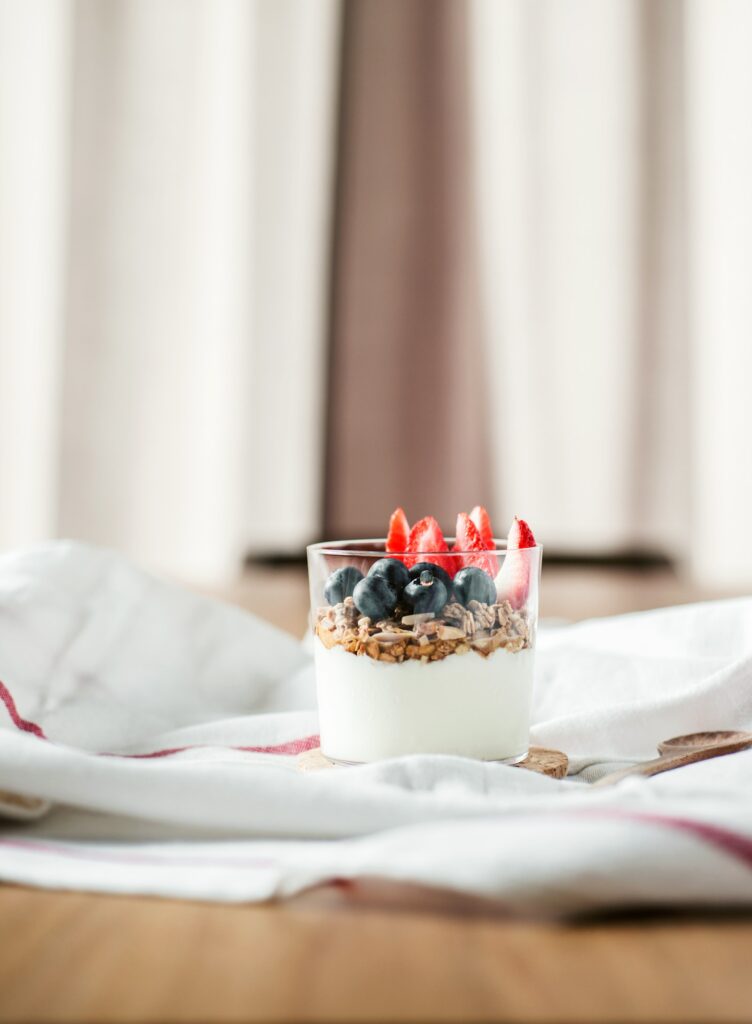
The same tub of plain yogurt can land beside berries in the morning and under roasted vegetables at dinner. “Plain” describes the absence of a named flavor such as vanilla or strawberry; it doesn't tell you the fat level or thickness. For cooking, those details matter just as much as the familiar tang.
Choose plain yogurt by the job you want it to do: spoonable for breakfast, thick for a dip, and recipe-matched when heat or baking is involved.
Plain yogurt, Greek yogurt, and the meaning of unsweetened
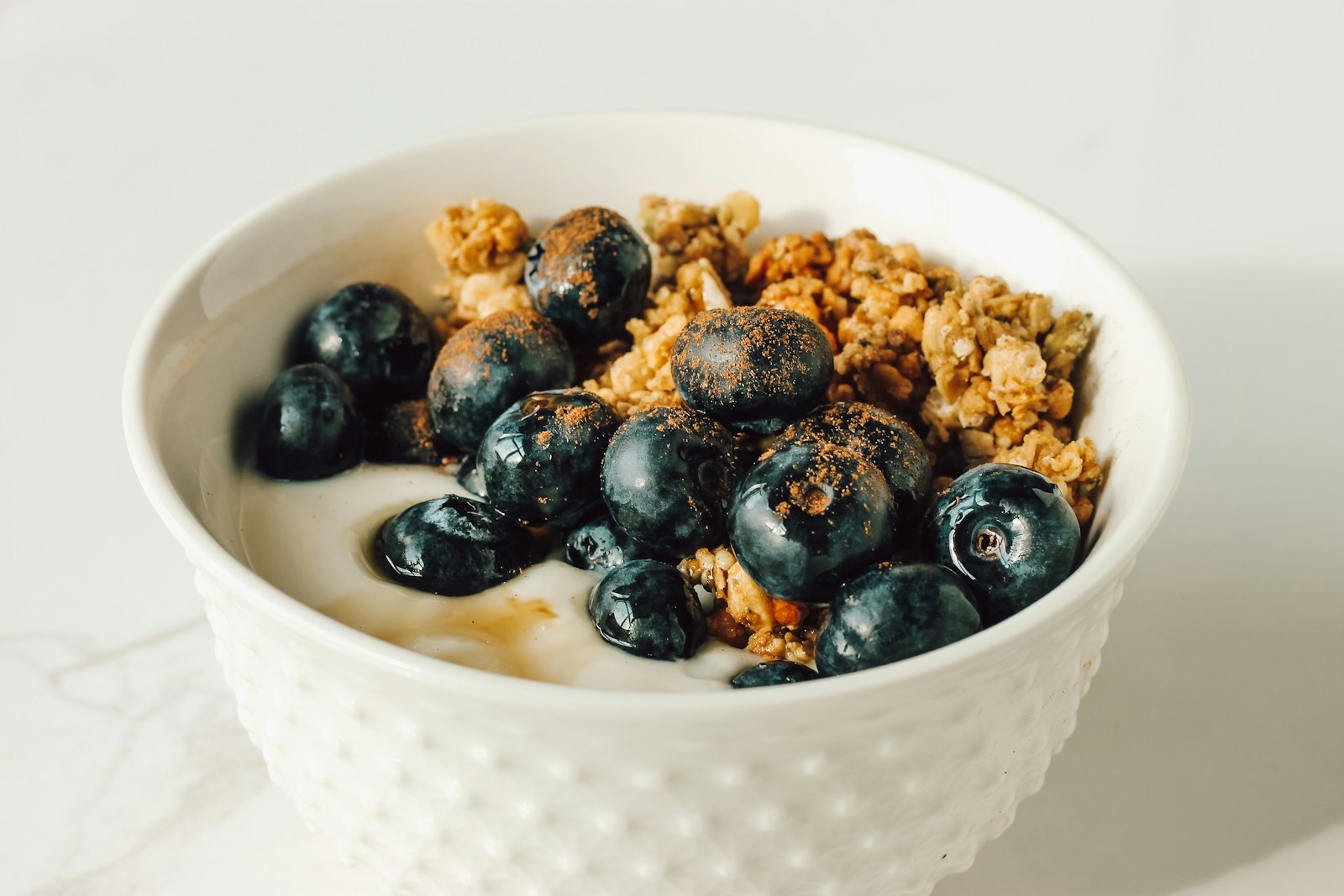
Yogurt starts with milk cultured by bacteria, which produce the acidity and texture associated with it. Regular plain yogurt is usually softer and more fluid than strained Greek yogurt. Both may come in nonfat, low-fat, or whole-milk versions, so “Greek” and “whole milk” answer different questions on the label.
Look at the ingredients and added-sugars line if you want unsweetened yogurt. Naturally occurring milk sugar can still appear under total sugars. A yogurt doesn't need to show zero total sugar to be plain and unsweetened. Lactose-free dairy yogurt is another separate category, and ordinary plain yogurt shouldn't be assumed to be lactose-free.
I find it helpful to think in terms of texture before planning substitutions. A thick yogurt that holds a spoon mark behaves differently from one that pours. Our low-fat yogurt guide covers nutrition-label comparisons; here, the useful question is how the yogurt will behave in your food.
Pick a texture that fits the meal
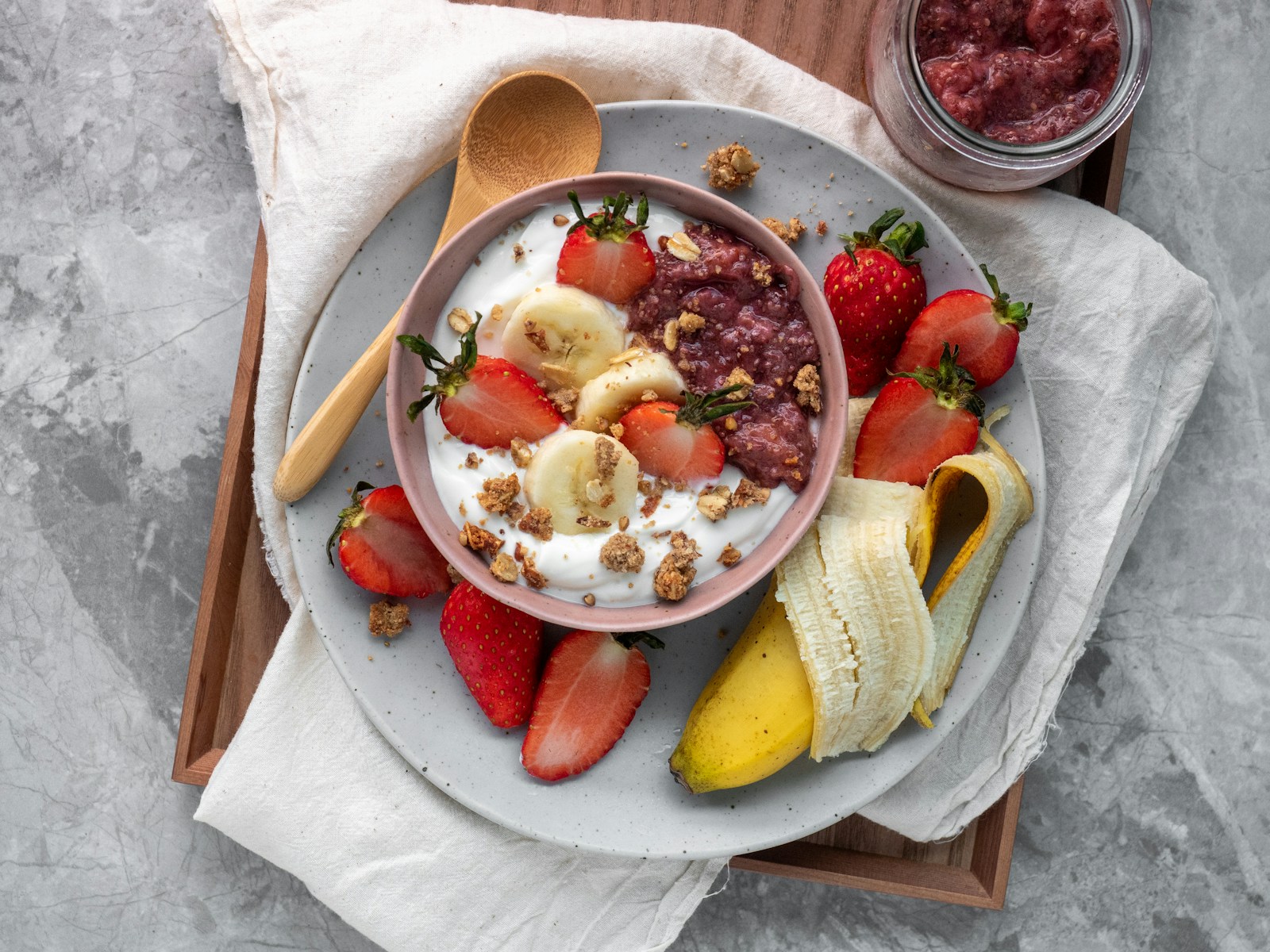
For an uncooked dish, consistency is easy to judge before you commit. Spoon a little yogurt into a bowl and notice whether it spreads or holds its shape. You can loosen a thick yogurt gradually for a sauce, but a thin yogurt won't suddenly become a sturdy dip just because you add herbs.
| Kitchen job | A useful starting choice | Adjustment to consider |
|---|---|---|
| A breakfast bowl | Any plain yogurt you enjoy eating by the spoon | Add fruit and crunchy toppings just before serving |
| A dip for vegetables | Thick plain or Greek yogurt | Drain watery additions such as grated cucumber |
| A dressing or drizzle | Regular plain yogurt, or Greek yogurt thinned gradually | Add liquid a little at a time so it doesn't become watery |
| A cool topping for hot food | Thick plain yogurt | Spoon it on after the food leaves the heat |
| Muffins, cakes, or flatbread | The type named in a tested recipe | Match fat level and consistency instead of swapping blindly |
For a savory bowl, chopped herbs, lemon zest, and a little salt can complement the yogurt's acidity without hiding it. For breakfast, ripe fruit brings sweetness and texture. These are flavor directions rather than fixed recipes; start with small additions and taste as you go.
There's room for both uses in the same week. My favorite argument for buying plain is that flexibility: one container can support a sweet breakfast and a savory dinner without requiring you to work around vanilla flavoring in the second dish.
Heat and substitutions are where the details matter
Yogurt isn't a direct stand-in for every creamy ingredient. Its acidity, water, protein, and fat affect how it responds in a batter or sauce. The American Dairy Association Mideast recommends gentle handling and avoiding rapid heating; hard boiling can leave an unpleasant separated texture.
- For a hot sauce: use a recipe designed for yogurt. When instructed to temper, gradually mix some warm liquid into the yogurt before adding that mixture to the pan; avoid shocking cold yogurt with vigorous heat.
- For a finishing spoonful: take the food off the heat and add yogurt at serving time. This is an uncomplicated way to keep a creamy contrast without simmering the yogurt.
- Instead of sour cream in a cold topping: thick plain yogurt can work, but expect a different tang and richness. Try a small amount before changing a whole bowl of dip.
- In baking: follow a tested substitution or a recipe that already calls for yogurt. Replacing all the oil with yogurt changes more than calories; it changes the batter's moisture and fat balance.
- Instead of buttermilk: don't assume every yogurt has the same thickness. A tested recipe may call for thinning it, and the amount depends on the product and dish.
If a sauce turns grainy, more heat is unlikely to make it silky again. You may still be able to use a safely handled sauce where the texture is less important, but prevent the problem next time by following the recipe's heat and mixing instructions. Cooking can't rescue yogurt that has spoiled.
For a lunch spread, plain yogurt can also soften the salty edge of ingredients such as feta cheese. Keep the overall seasoning gentle until you've tasted both together; the cheese may already supply much of the salt you need.
Whey on top, storage, and using the tub wisely
A small layer of clear liquid on otherwise normal yogurt is generally separated whey. Stirring it back in restores a more uniform consistency. That familiar separation is different from mold, unusual discoloration, or an off odor: discard yogurt showing spoilage rather than scooping off a patch and keeping the rest.
Keep yogurt covered at 40°F (4°C) or below, use a clean spoon, and follow the manufacturer's storage instructions. Return the tub to the refrigerator promptly. Perishable foods shouldn't sit out longer than two hours, or one hour above 90°F (32°C), including while a dip waits on the table.
Freezing can prevent waste, but thawed yogurt may separate or turn grainy. NDSU Extension notes that cultured dairy products can still be useful in cooking after freezing even when their smooth texture changes. Portion it for a planned use and thaw in the refrigerator; don't expect a frozen-and-thawed tub to feel exactly like a freshly opened one.
Sources
- American Dairy Association Mideast: cooking, storing, and using dairy foods
- NDSU Extension: freezing dairy products and thawing guidance
- FDA: added sugars on the Nutrition Facts label
- FoodSafety.gov: four steps to food safety

Hi, I’m Laura, the voice behind Tastiva. I’ve always believed that eating well should feel enjoyable, comforting, and realistic—not like another complicated rule to follow. I love creating recipes that fit into everyday life, sharing simple nutrition ideas, and finding small ways to make meals feel a little better without losing the pleasure of good food.