
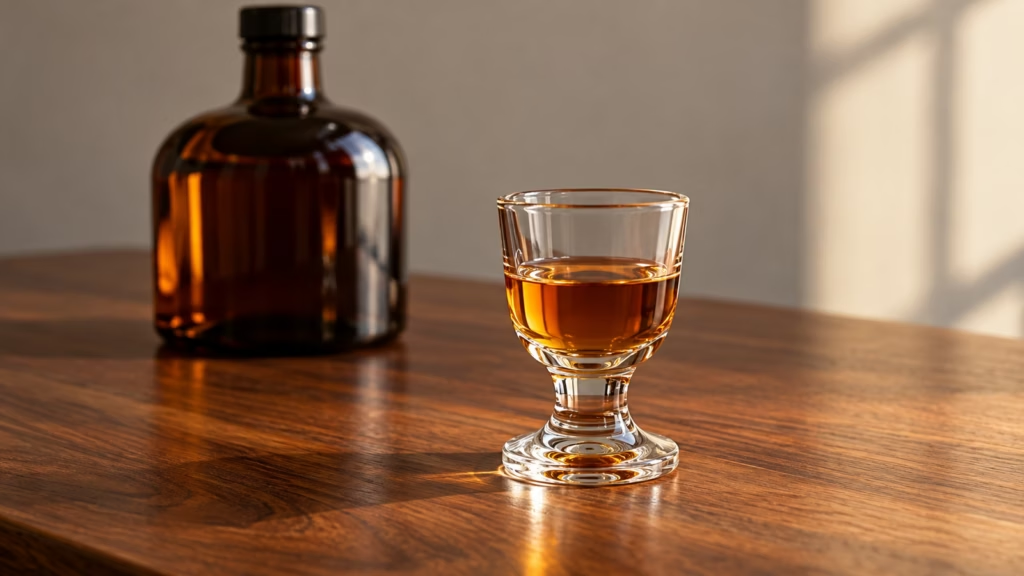
The recipe asks for amaretto, but the baking cupboard holds almond extract. Close enough? Not quite. Amaretto is a sweet Italian liqueur known for an almond-like flavor, and it brings liquid, sweetness, and alcohol along with that aroma. It can belong in a cocktail, coffee, or dessert, but its name does not tell you one fixed ingredient list.
Think of amaretto as a sweet, almond-like flavor ingredient with alcohol, then check the particular bottle before measuring, substituting, or serving it.
Amaretto flavor does not reveal the whole formula
Different producers build that familiar flavor in different ways. Luxardo says its Amaretto di Saschira gets its almond character from oils in cherry, peach, and apricot pits. Lazzaroni describes a biscuit-infusion process. Its published production description includes biscuits made with sugar, apricot kernels, and egg white.
- Check the exact product: A familiar brand may also sell cream versions or other flavored products. The main liqueur’s details do not automatically apply to the whole range.
- Read the alcohol strength: Luxardo di Saschira and Lazzaroni 1851 are both listed at 24% alcohol by volume on their current producer pages. That is an example, not a rule for every amaretto bottle or market.
- Treat allergy questions separately: An almond-like taste is not a reliable ingredient declaration, and a production description does not establish finished-product allergy safety. Check current allergen information with the producer for the exact bottle.
- Do not infer vegan status from the category: Luxardo identifies its cited product as vegan friendly; Lazzaroni’s different process illustrates why the answer needs to be product-specific.
Those professional processes are not home-infusion instructions. Do not improvise with crushed fruit pits or bitter apricot kernels: the FDA explains that amygdalin in certain seeds and pits can release cyanide. For ordinary cooking, buy a food-grade finished product rather than trying to reproduce a commercial extraction method.
Let it contribute sweetness, not just aroma
I would measure amaretto before deciding whether a drink or dessert needs more sugar. It is doing two flavor jobs at once. A recipe designed around the liqueur is a more useful starting point than adding it to a finished mixture and hoping everything still balances.
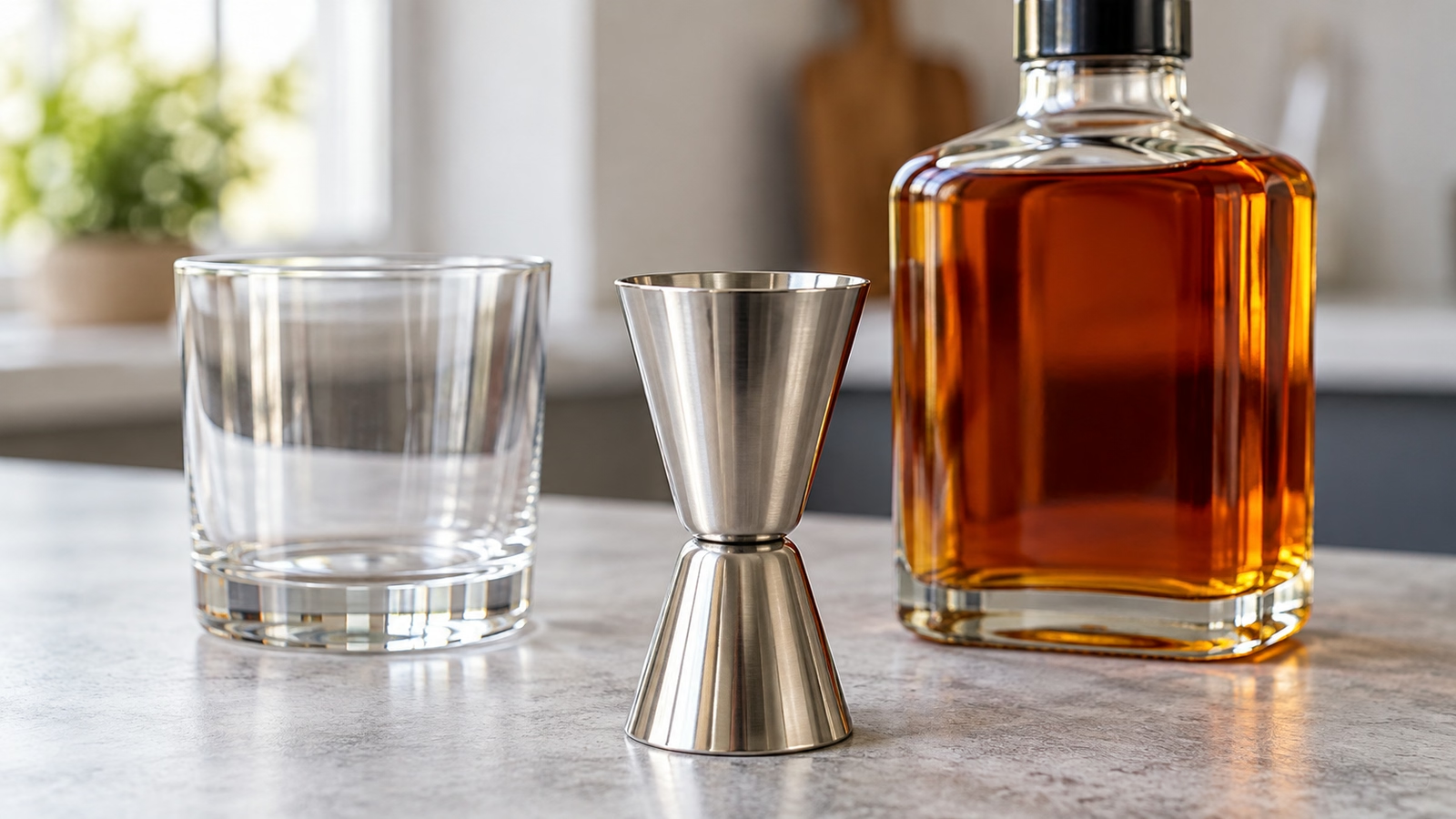
- In a sour cocktail: Citrus gives the sweetness a sharper counterpoint. Disaronno’s own sour formula pairs its liqueur with fresh lemon and makes extra sugar syrup optional. Formulations vary; follow one complete recipe rather than assembling measurements from several.
- In coffee: Use the amount in a suitable recipe and account for other sweeteners or flavored creamers already present. Adding it to hot coffee does not make the drink alcohol-free.
- With desserts: Lazzaroni suggests uses with cakes, ice cream, and fruit. Start with a recipe that specifies the liqueur, especially when extra liquid could affect a batter or filling.
- Neat or over ice: Those are serving options identified by producers, not an obligation to drink it that way. Choose an alcohol-free alternative if alcohol is not appropriate for you or your guests.
In a delicate dessert, I would rather let one clear flavor lead than pile almond extract, amaretto, and vanilla into the same bowl without a plan. They can work together in a developed recipe, but adding more bottles is not a shortcut to balance. Keep the first attempt close to the recipe so any later adjustment has a useful reference point.
Amaretto, almond extract, and syrup need different measures
An extract is a concentrated flavoring, while a liqueur contributes a larger amount of sweetened liquid. A flavored syrup brings its own sugar level and consistency. None is an automatic spoon-for-spoon replacement. Tastiva’s pure vanilla extract guide is also a reminder that an extract can contain alcohol, even when it lives in the baking aisle.
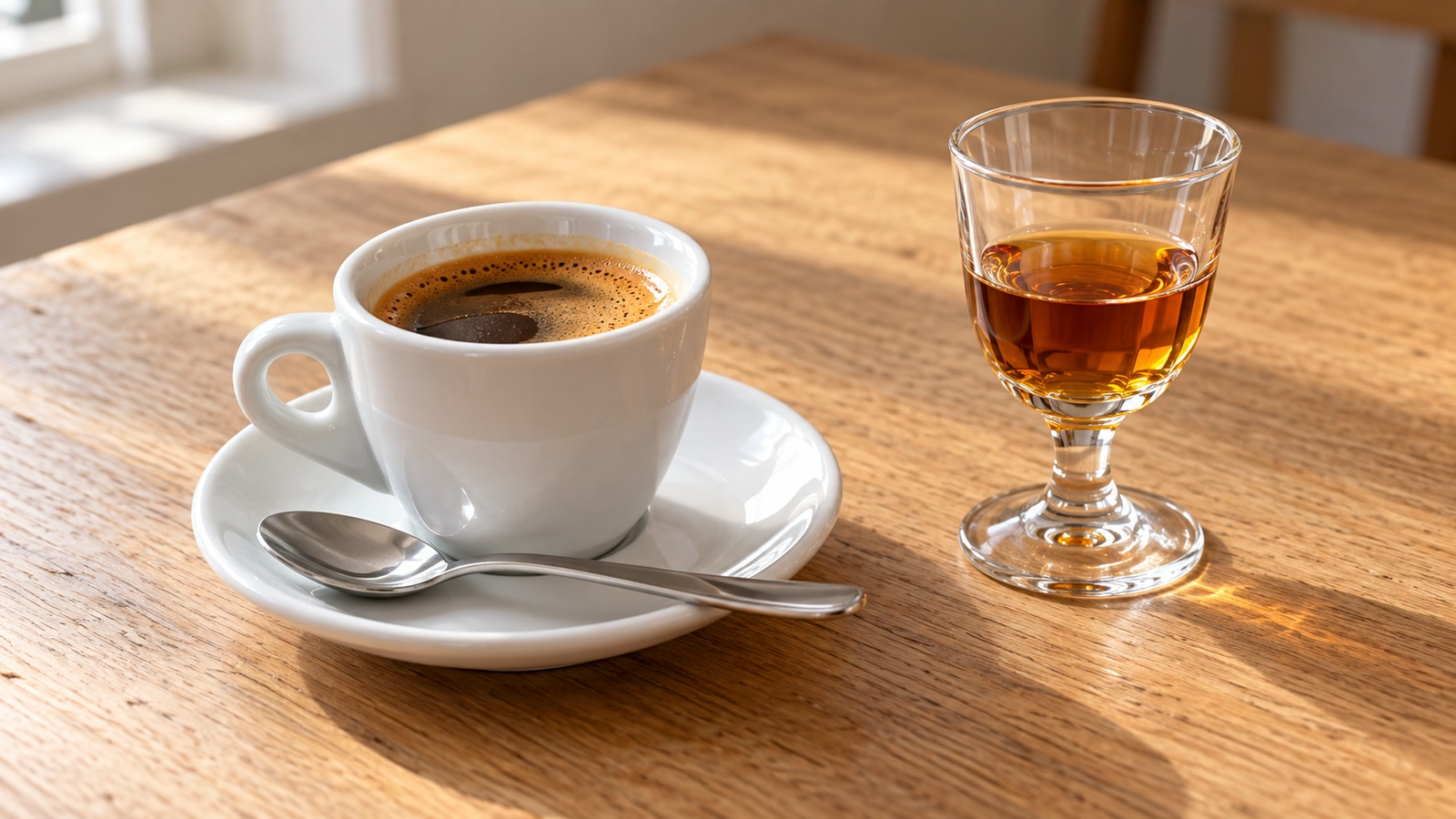
- If the aim is a similar flavor: Look for a recipe’s stated almond-extract alternative and use its small specified quantity. Do not replace a measure of amaretto with the same measure of extract.
- If the aim is no alcohol: Choose a clearly suitable alcohol-free flavoring or syrup and a recipe written to accommodate it. Check that product’s ingredients and allergen information too.
- If the recipe needs liquid as well as flavor: An extract alone may not replace the lost volume. Avoid guessing a conversion in a cake batter, custard, or other mixture where the proportions matter.
- If the flavor can change: A different liqueur may produce a pleasant but different result. Call it a variation, and check sweetness and alcohol strength rather than describing it as an identical substitute.
Cooking is not a dependable alcohol-removal guarantee. USDA’s alcohol-retention data show that alcohol can remain after adding it to hot liquid or using it in cooked foods. When avoiding alcohol is important, start without the liqueur rather than promising that baking will remove every trace.
Choose a bottle for how you will actually use it
A large bottle is not necessarily the useful buy if you need a small amount for one dessert. Decide whether the bottle is mainly for baking, an occasional drink, or a particular cocktail. I would compare the producer’s description, bottle size, and intended use before letting an elaborate origin story make the decision.
- Keep the original label: It preserves the exact product name, alcohol strength, and producer details for later ingredient or allergy questions.
- Follow that bottle’s storage directions: Close the cap after use and check producer guidance for storage and quality after opening. Do not transfer a cream liqueur’s advice to a standard amaretto, or vice versa.
- Label prepared food clearly: Tell guests when a drink or dessert contains alcohol, and resolve ingredient restrictions before serving.
- Keep additions deliberate: Measure away from the mixing bowl or cup first. It is easier to correct a generous pour in a measuring vessel than in the finished dessert.
For one example of amaretto’s use with citrus, Drinkstuff’s Steve the Barman demonstrates a tangerine variation on an amaretto sour below. The video is from a barware retailer and uses branded puree and a foamer; it is a specific cocktail variation, not a formula required for every amaretto drink.
Sources
- Luxardo: Amaretto di Saschira product information
- Lazzaroni: Amaretto 1851 ingredients, production, and uses
- Disaronno: Sour cocktail guidance
- FDA: Natural toxins in food
- USDA: Nutrient Retention Factors, including alcohol

Hi, I’m Laura, the voice behind Tastiva. I’ve always believed that eating well should feel enjoyable, comforting, and realistic—not like another complicated rule to follow. I love creating recipes that fit into everyday life, sharing simple nutrition ideas, and finding small ways to make meals feel a little better without losing the pleasure of good food.