
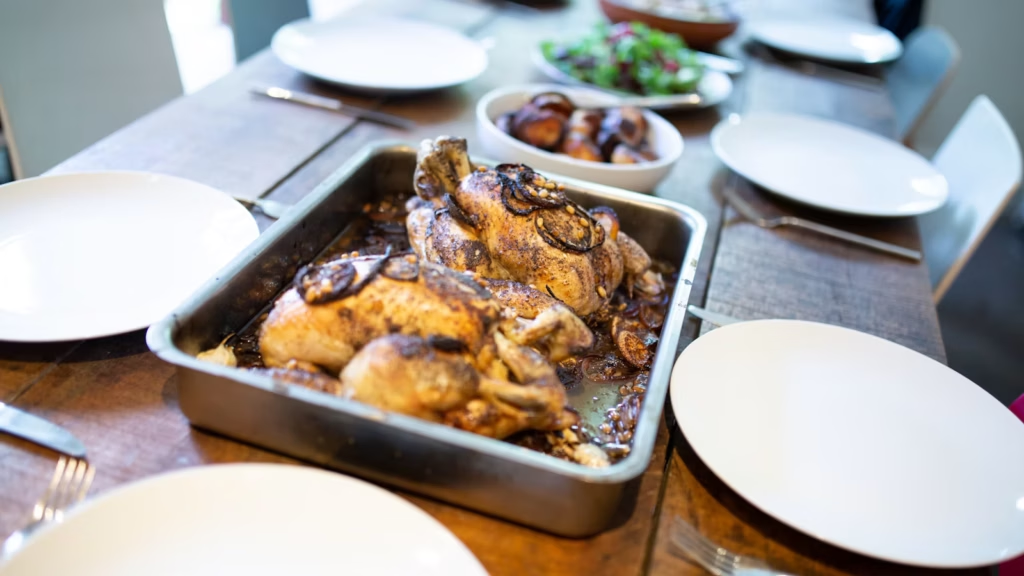
This apricot chicken recipe is what happens when a jar of preserves stops waiting for toast and gets involved with dinner. Chicken thighs roast beside carrots and red onion while apricot, Dijon, soy, cider vinegar, garlic, and ginger turn into a glossy sweet-savory glaze. The pan looks cheerful, the edges caramelize, and nobody needs to know the active work took about 20 minutes.
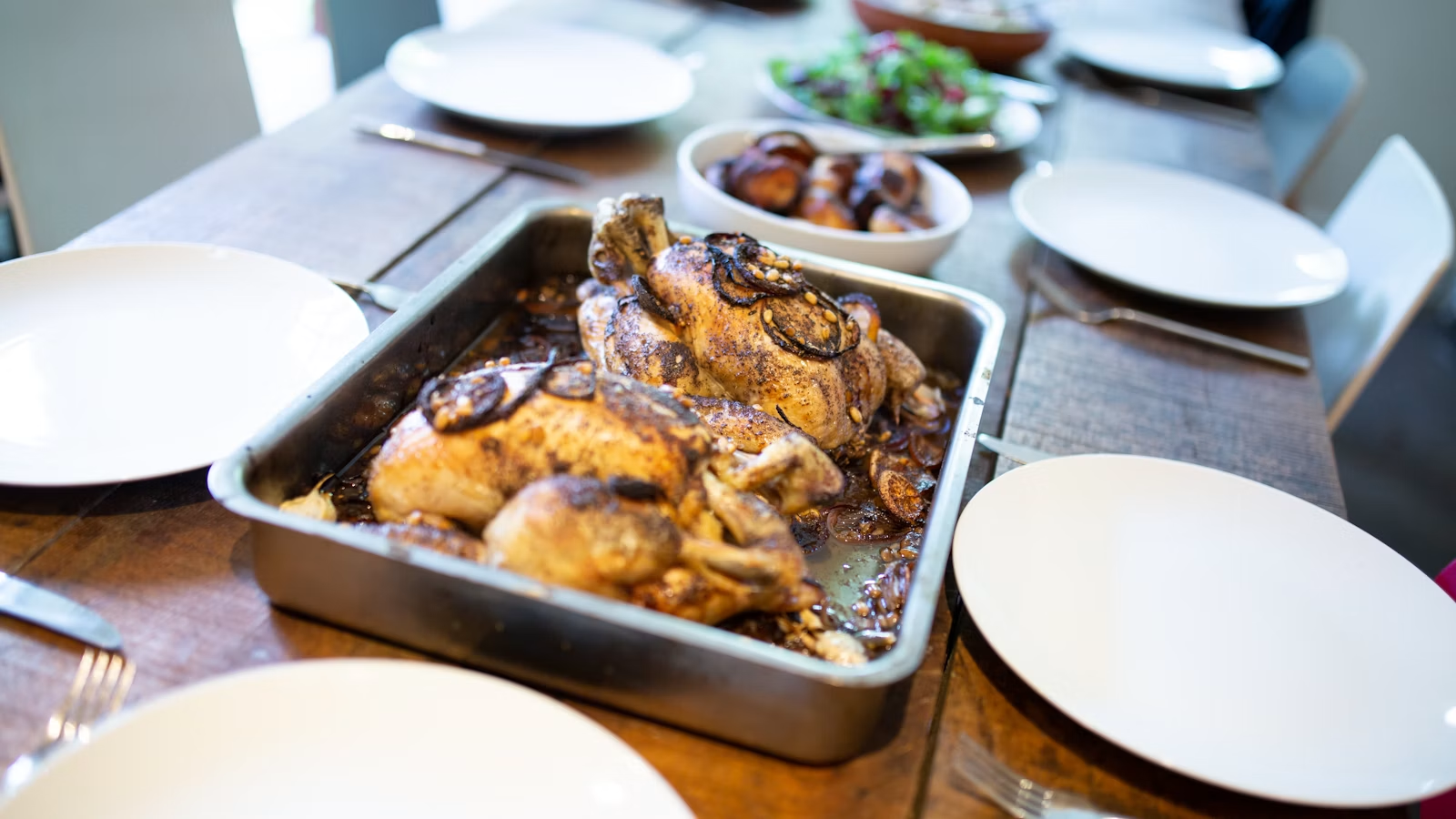
Apricot glaze should be shiny and tangy, not a layer of jam wearing oven mitts.
Why this apricot chicken recipe works
Apricot chicken is an Australian family-dinner classic, often made with apricot nectar and French onion soup mix. I like the nostalgic sweet fruit, but I want enough savory and acidic flavor to keep every bite interesting. Dijon adds heat, soy brings salt and depth, and apple cider vinegar trims the sweetness without making the sauce taste sharp.
Bone-in, skin-on thighs are forgiving under a sugary glaze. They stay juicy while the skin and sauce darken, whereas chicken breast can turn dry before the glaze develops color. Carrots and onion make the dish a proper tray dinner and catch the sticky drips. If you prefer boneless thighs, use them, but begin checking early.
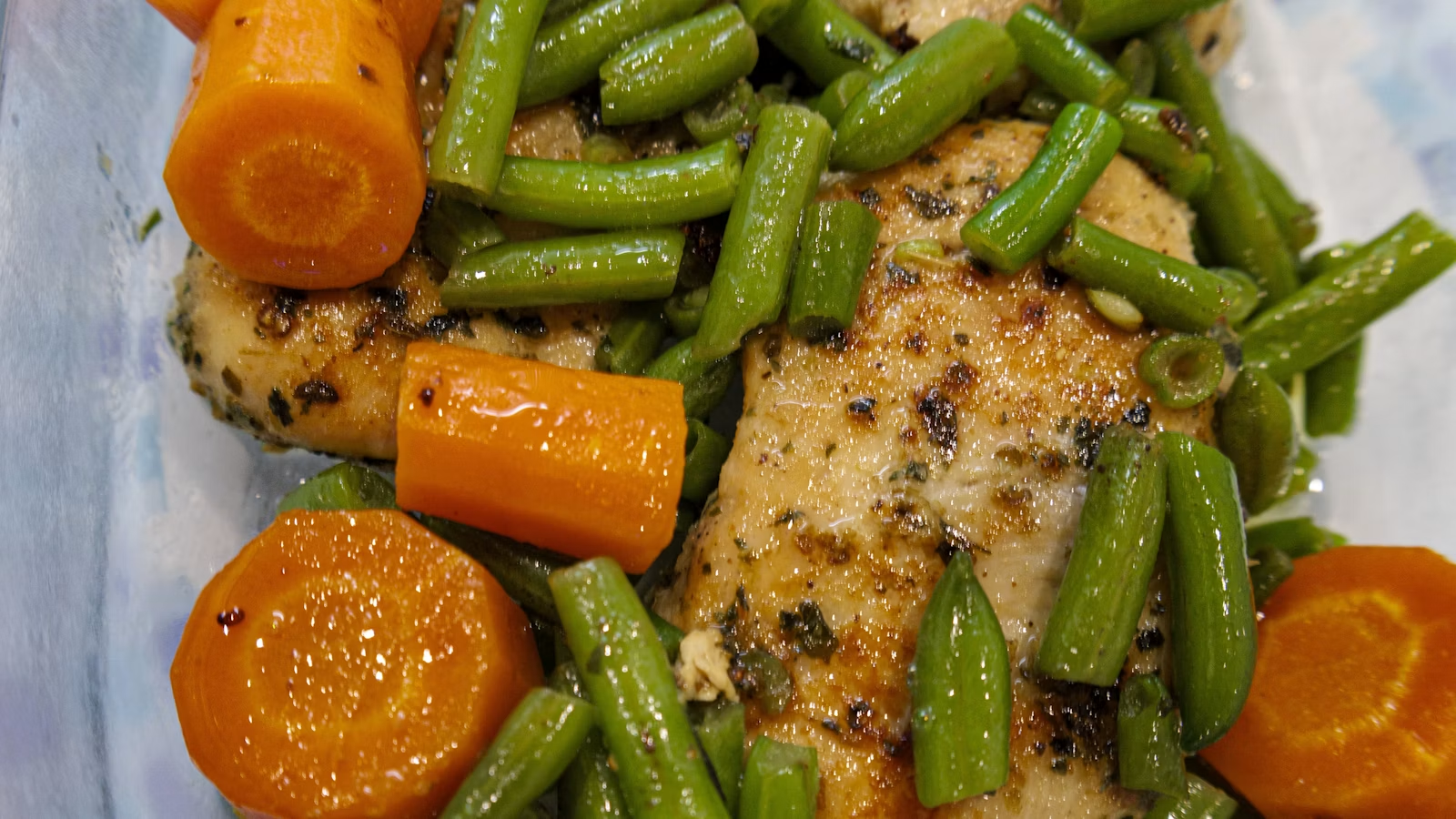
The glaze needs sweetness, salt, and acid
Choose apricot preserves with a fresh fruit flavor rather than a very firm, candy-sweet jam. Small pieces of fruit are welcome; large chunks can be mashed with a fork. The mustard and vinegar loosen the preserves so the mixture brushes easily. Our balsamic vinegar guide explains how sweetness changes an acid’s behavior, but cider vinegar is the cleaner choice here because it lets the apricot stay bright.
Reserve one-third cup of glaze before any utensil touches raw chicken. That clean portion is for the final brush. It sounds fussy until you realize the alternative is either wasting good sauce or creating a cross-contamination problem. I label the clean bowl with a spoon resting across it; low technology, excellent results.
How to make apricot chicken without burned glaze
Give the vegetables a 12-minute head start at 425°F. Carrots take longer than chicken thighs, and this brief roast puts everyone on the same schedule. Pat the chicken dry before adding it to the pan. Water on the skin creates steam, and steam is not invited to a sticky-glaze party.
Brush the chicken generously, but do not empty all the sauce onto the pan. A deep puddle can scorch at the edges before the meat cooks. Roast for 25 minutes, add a second coat from the clean reserved glaze, then continue until the thickest part of each thigh reaches 165°F (74°C). The USDA gives that temperature as the safe minimum for poultry. Rest the chicken for five minutes before the final brush.
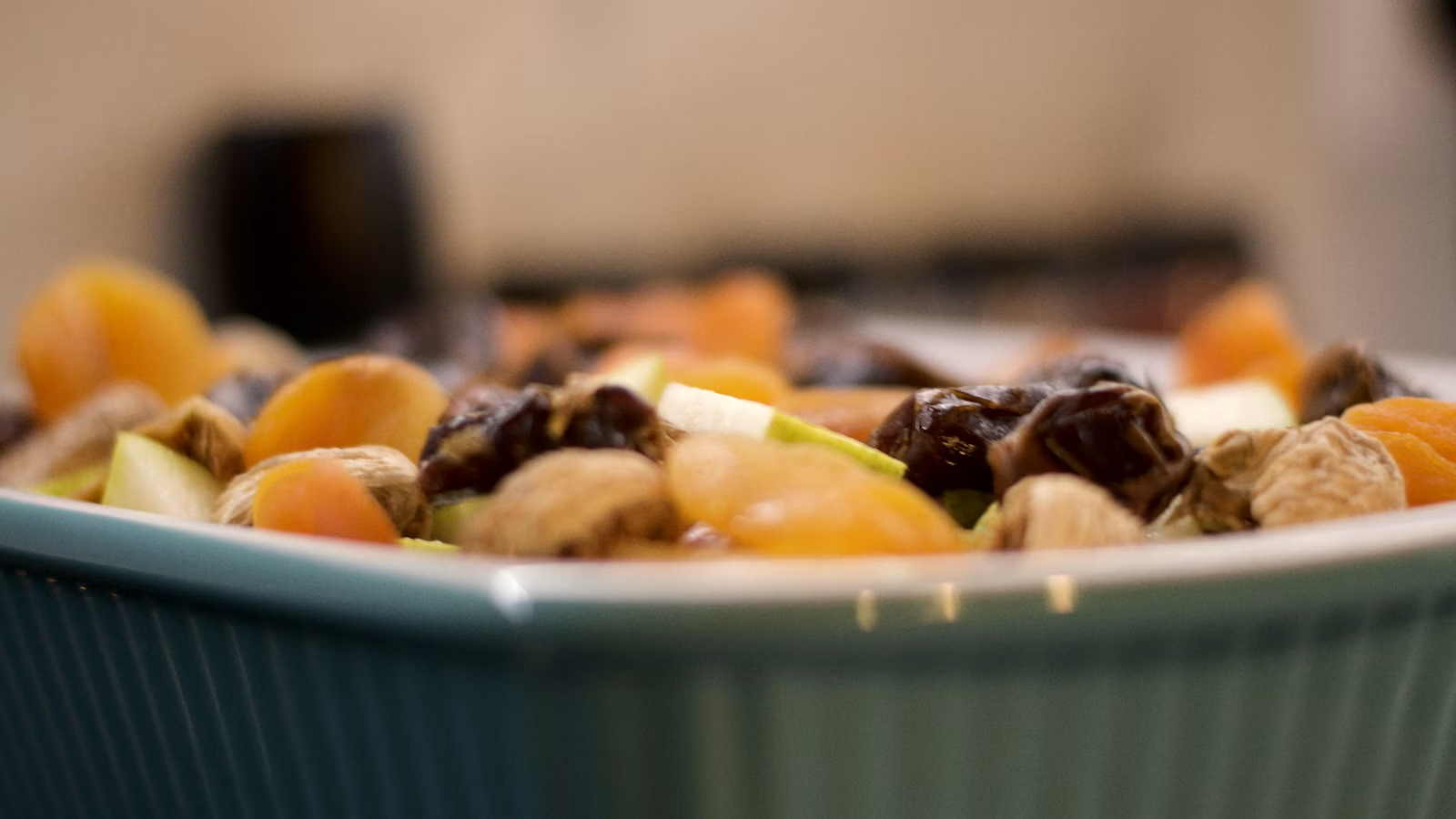
Apricot Chicken Recipe

Ingredients
- 8 bone-in skin-on chicken thighs about 3 pounds total
- 3/4 cup apricot preserves
- 2 tablespoons Dijon mustard
- 2 tablespoons low-sodium soy sauce
- 1 tablespoon apple cider vinegar
- 3 cloves garlic finely grated
- 1 teaspoon fresh ginger finely grated
- 1/2 teaspoon smoked paprika
- 1/2 teaspoon fine salt
- 1/4 teaspoon black pepper
- 1 pound carrots peeled and cut into 2-inch pieces
- 1 large red onion cut into 1-inch wedges
- 1 tablespoon olive oil
- 2 tablespoons fresh parsley chopped, for serving
Equipment
- 1 large rimmed sheet pan
- 1 small mixing bowl
- 1 Instant-read thermometer
Instructions
- Heat the oven to 425°F (220°C). Line a large rimmed sheet pan with foil or parchment for easier cleanup.
- Stir the apricot preserves, Dijon mustard, soy sauce, apple cider vinegar, garlic, ginger, and smoked paprika together until smooth. Reserve 1/3 cup in a clean bowl for finishing.
- Toss the carrots and red onion with the olive oil, salt, and pepper on the sheet pan. Roast for 12 minutes.
- Pat the chicken dry and nestle it skin-side up among the vegetables. Brush generously with the glaze that has not been reserved. Roast for 25 minutes.
- Brush the chicken with half of the clean reserved glaze. Roast for 10 to 15 minutes more, until deeply browned and the thickest part reaches 165°F (74°C). Brush with the remaining clean glaze, rest for 5 minutes, and sprinkle with parsley.
Nutrition
Video
Notes
Tried this recipe?
Let us know how it turned out!Easy swaps and practical variations
No apricot preserves? Peach preserves make a softer, rounder glaze; orange marmalade makes a more bitter, grown-up one. You can replace cider vinegar with rice vinegar, or use tamari instead of soy sauce. For heat, add red-pepper flakes or a spoonful of chili crisp to the glaze. Taste before adding extra salt because preserves and soy brands vary wildly.
For boneless thighs, roast the vegetables for 15 minutes first, then add the chicken and begin checking after 22 minutes. Chicken breasts work best when they are similar in size; pound very thick ends gently so they cook evenly. I would not use a slow cooker for this version because the glaze loses its caramelized edges, which are half the reason to make it.
What to serve and how to store it
Serve apricot chicken with rice, couscous, mashed potatoes, or a pile of peppery greens. The sauce is bold, so keep the side simple. Steamed broccoli is especially good because the florets catch every glossy drop. A squeeze of lemon at the table helps if your preserves were particularly sweet.
Refrigerate leftovers within two hours and use them within three days. Reheat covered at 325°F until hot, adding a spoonful of water so the glaze loosens instead of becoming chewy. Leftover chicken is also excellent sliced into a grain bowl. Would I make extra glaze just for lunch tomorrow? Absolutely—and I would keep it in a clearly marked clean jar.
Sources
- Women’s Weekly Food: Apricot Chicken Tray Bake
- Epicurious: Sheet-Pan Sticky Apricot Chicken
- USDA FSIS: Safe Minimum Internal Temperature Chart
Hi, I’m Laura, the voice behind Tastiva. I’ve always believed that eating well should feel enjoyable, comforting, and realistic—not like another complicated rule to follow. I love creating recipes that fit into everyday life, sharing simple nutrition ideas, and finding small ways to make meals feel a little better without losing the pleasure of good food.