
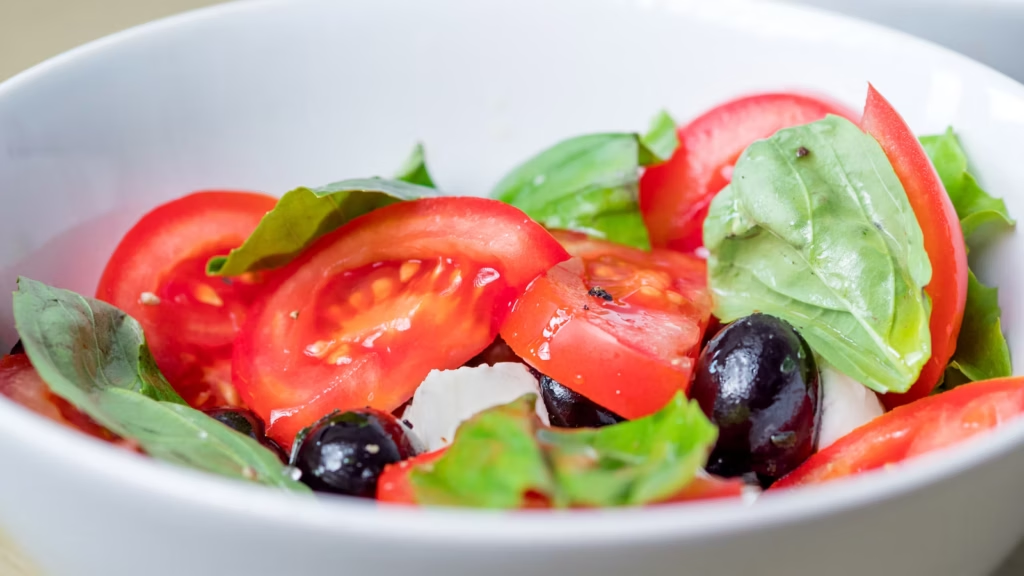
Balsamic vinegar is the bottle I reach for when dinner tastes flat but does not need more salt. Its sweet-tart depth can sharpen tomatoes, soften the bitterness of greens, and make roasted vegetables look suspiciously planned. Yet one bottle may cost less than lunch while another is treated like perfume. The useful difference is not snobbery; it is knowing whether you are buying a lively everyday vinegar, an aged finishing condiment, or a sweet glaze.
Good balsamic should taste like grapes learned patience, not like syrup found a dark jacket.
What balsamic vinegar actually is
All vinegar begins with fermentation: yeast turns sugars into alcohol, then acetic-acid bacteria convert that alcohol into vinegar. Balsamic starts with grapes, but its character depends on how much cooked grape must, wine vinegar, ageing, and concentration are involved. “Grape must” simply means freshly crushed grape juice with its natural sugars and solids.
Protected Balsamic Vinegar of Modena PGI is produced in Modena or Reggio Emilia. Its specification combines grape must with wine vinegar, including a portion of vinegar aged for at least ten years. The finished vinegar rests for at least 60 days in wooden containers. That is very different from a bottle that merely uses the word balsamic as a style description.
The three labels worth understanding
Balsamic Vinegar of Modena PGI is the versatile kitchen bottle. It can be bright and fluid or richer and more rounded. Use the thinner style in vinaigrettes, marinades, and pan sauces; save a denser, older bottle for finishing. When it has aged more than three years, the label may say “aged.”
Traditional Balsamic Vinegar of Modena PDO is made from cooked grape must and follows a much stricter local process. It matures through a series of wooden barrels for at least 12 years. It is glossy, complex, and meant for drops, not enthusiastic pouring. Traditional Balsamic Vinegar of Reggio Emilia PDO is a separate protected product with its own local rules.
Balsamic glaze is a reduced, thickened condiment. It may contain sugar, starch, caramel, or flavoring. It makes handsome zigzags, but it is not a shortcut to traditional vinegar. I keep glaze for quick garnishing and real vinegar for seasoning; asking one bottle to do both jobs usually makes the salad too sweet.
How to choose a balsamic vinegar
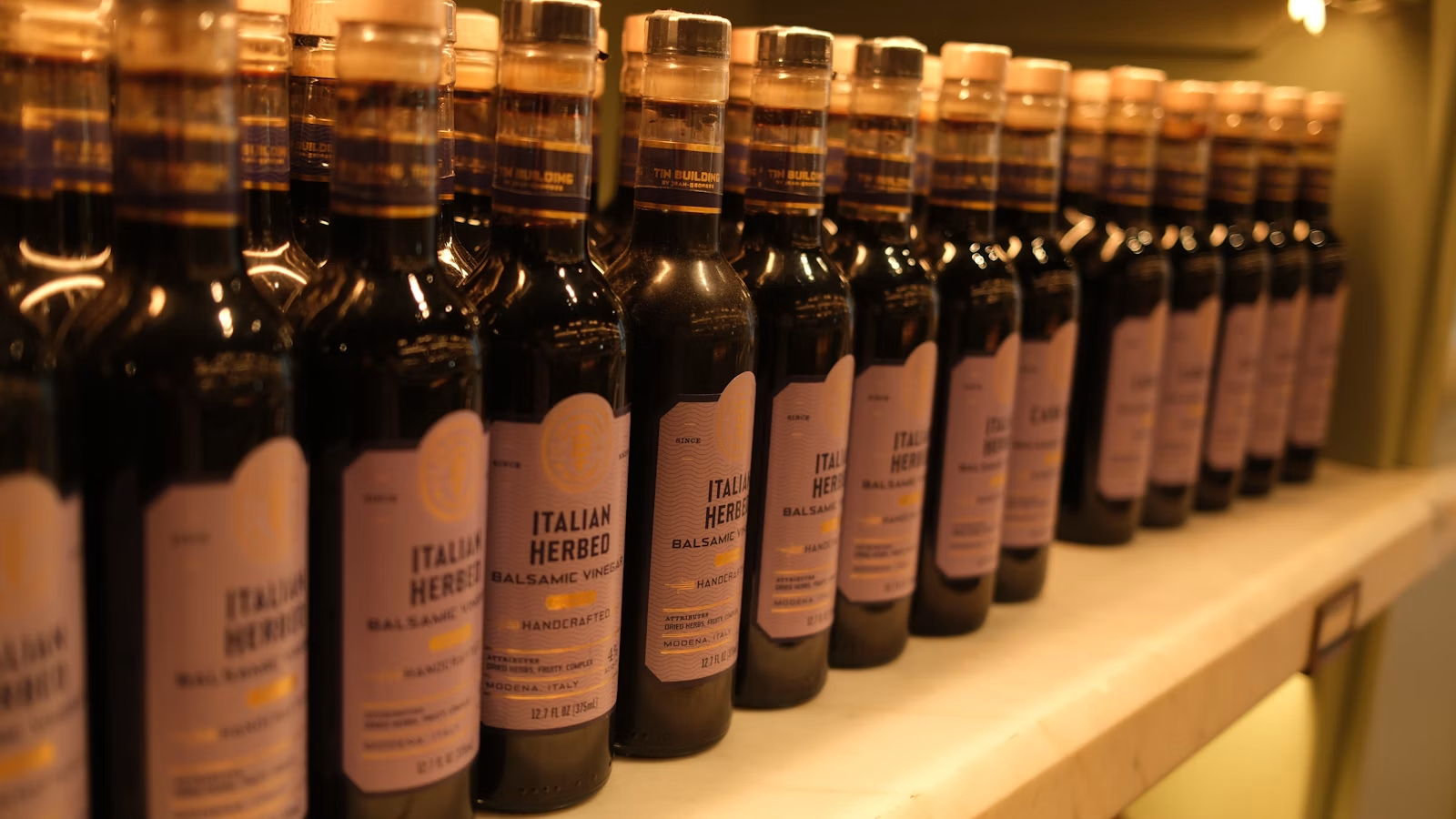
Start with the seal and ingredient list, not the impressive adjectives on the front. A PGI or PDO mark tells you the product follows protected rules. For an everyday Modena PGI bottle, look for grape must and wine vinegar high on a short list. Caramel color is permitted in small amounts under the PGI specification, so its presence is not proof of a fake; it simply tells you color alone cannot judge quality.
Tip the bottle gently. A fluid vinegar is useful for dressing leaves because it disperses easily. A moderately syrupy one clings to roasted squash, cheese, or strawberries. Price often rises with concentration and ageing, but the best buy is the bottle that suits the job. A precious, dense vinegar can make a clumsy marinade, while a modest bright one may be exactly right.
How to use balsamic vinegar without overdoing it
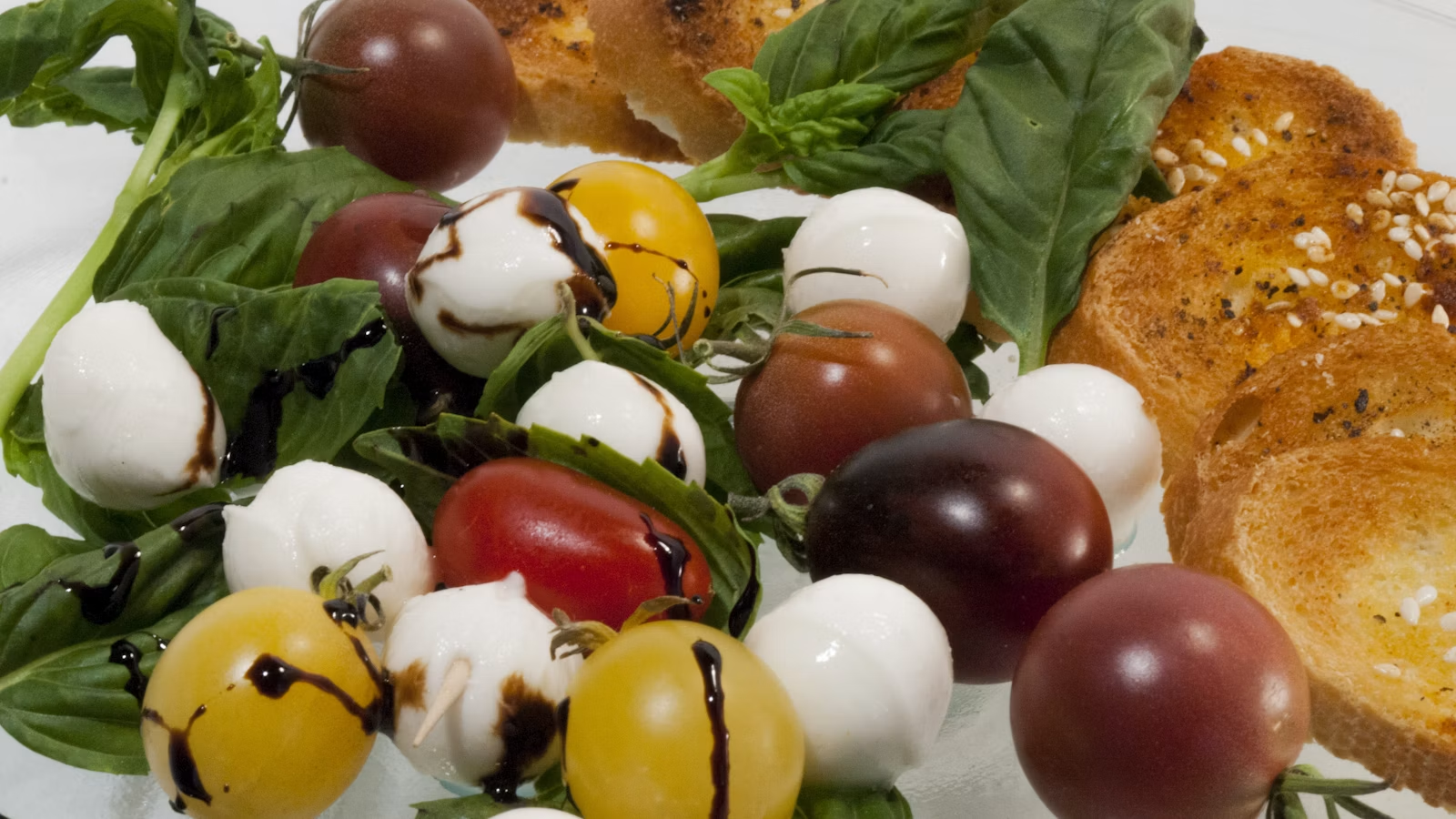
For vinaigrette, begin with one part balsamic to three parts olive oil, then taste. Mustard helps the mixture stay together, and black pepper keeps sweet balsamic from becoming jammy. If you are switching from our red wine vinegar, use a little less balsamic at first because the grape sweetness changes the balance.
Add everyday balsamic early when you want acidity to cook into a dish: deglaze mushrooms, brighten lentils, or brush it over chicken near the end of roasting. Add an aged or traditional vinegar after cooking. A few drops on Parmesan, ripe peaches, vanilla ice cream, or risotto can be enough. Boiling an expensive bottle into a sticky puddle is a very efficient way to remove the qualities you paid for.
Nutrition, storage, and sensible expectations
Balsamic vinegar contributes acidity and flavor with little fat, but it contains more natural sugar than many wine vinegars, and glazes often add considerably more. Use it as a condiment rather than a wellness shot. Research on vinegar and blood sugar is interesting but mixed, and swallowing concentrated vinegar can irritate the throat and damage tooth enamel. Dinner is a better delivery system.
Store the bottle tightly closed in a cool, dark cupboard. Refrigeration is unnecessary. Sediment or slight cloudiness can develop, especially in less filtered vinegar, without making it unsafe. If the aroma stays pleasantly sharp and fruity, keep using it. Which bottle belongs in your kitchen? For most cooks, one brisk PGI vinegar plus a small finishing bottle covers almost everything.
Pete from Jamie Oliver’s food team demonstrates a simple balsamic dressing. The clip features Jamie’s branded oil and vinegar; the useful takeaway is the dressing technique, which works with your everyday bottles.
Sources
- Consortium for the Protection of Balsamic Vinegar of Modena: How It Is Produced
- Consortium: Organoleptic Characteristics and Ageing
- Traditional Balsamic Vinegar of Modena PDO Consortium
- Harvard T.H. Chan School of Public Health: Vinegar

Hi, I’m Laura, the voice behind Tastiva. I’ve always believed that eating well should feel enjoyable, comforting, and realistic—not like another complicated rule to follow. I love creating recipes that fit into everyday life, sharing simple nutrition ideas, and finding small ways to make meals feel a little better without losing the pleasure of good food.