
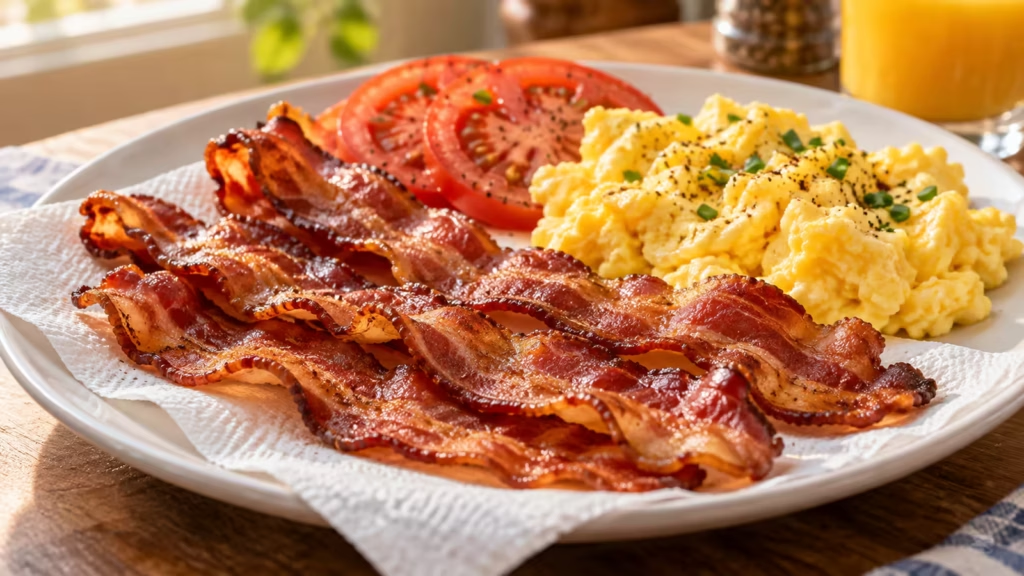
Microwave bacon is the small-batch method that makes weekday breakfast feel almost suspiciously easy. Six strips cook on one plate, the paper towels catch splatter and rendered fat, and there is no skillet to scrub. With the bacon arranged properly and checked in short intervals, the result can be evenly browned and genuinely crisp.
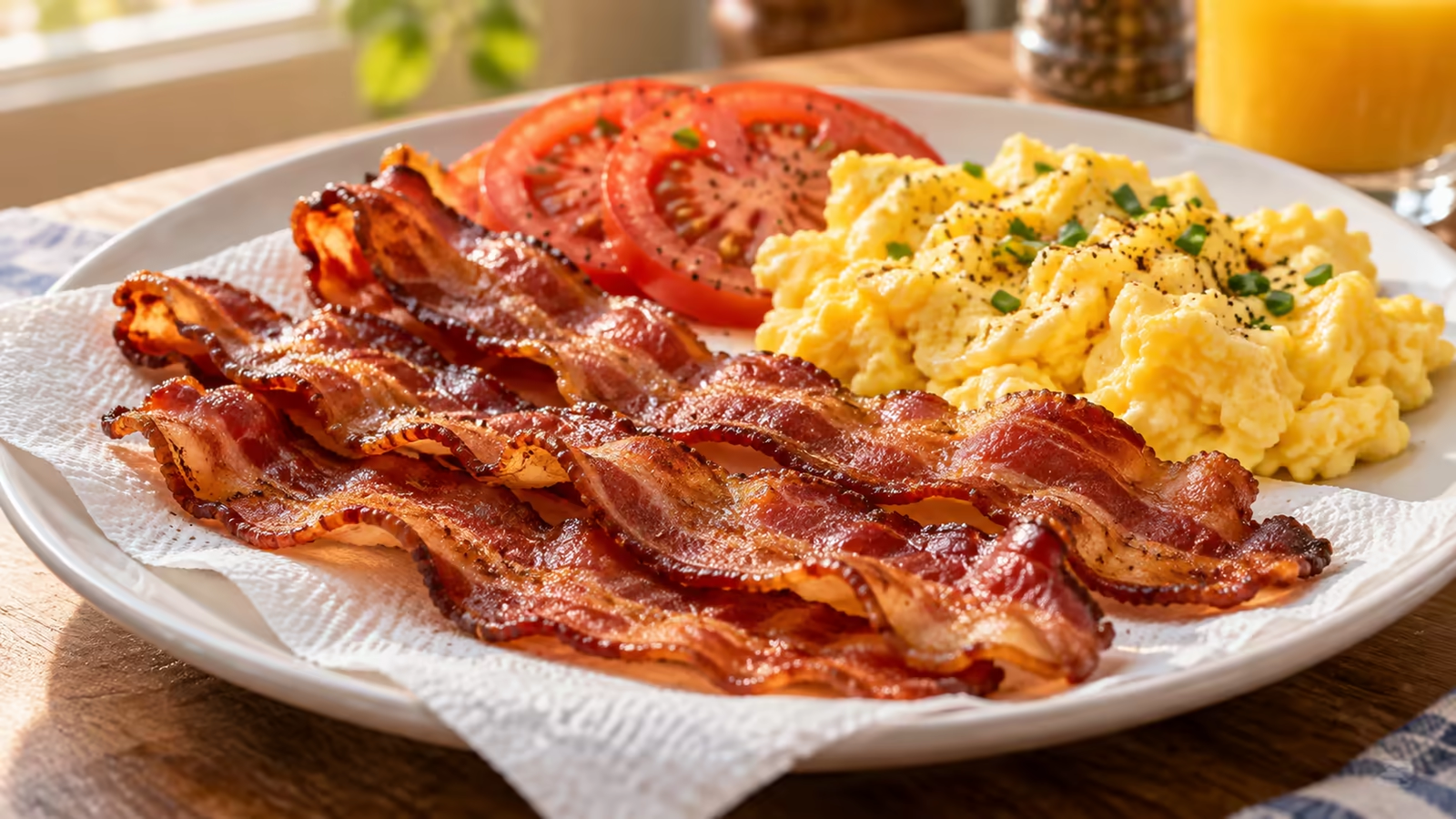
Your microwave’s wattage sets the pace, so let the first batch teach you the timing instead of treating one number as law.
This method is best for regular-cut bacon and three modest servings. Thick-cut strips work too, but they need more time and may cook less evenly. The plate and grease become extremely hot, so the simple setup still deserves your full attention.
Why microwave bacon gets crisp
Microwaves excite water molecules throughout the bacon while the hot rendered fat cooks the surface. Paper towels absorb moisture and grease that would otherwise pool around the strips. Because the energy reaches the food quickly, a single layer can brown before the lean portions spend a long time drying out.
The method is especially useful when you need two to six strips for eggs, sandwiches, baked potatoes, or a salad. For a crowd, the oven is usually more efficient because it holds several pans at once. In the microwave, overcrowding and stacking create pale overlap spots and unpredictable timing.
Choose a large microwave-safe ceramic or glass plate with no metallic trim. Use plain, unscented paper towels intended for kitchen use. Avoid recycled papers with unknown fibers or printed napkins, and never substitute wax paper beneath the bacon where grease needs to be absorbed.
Arrange the strips in one even layer
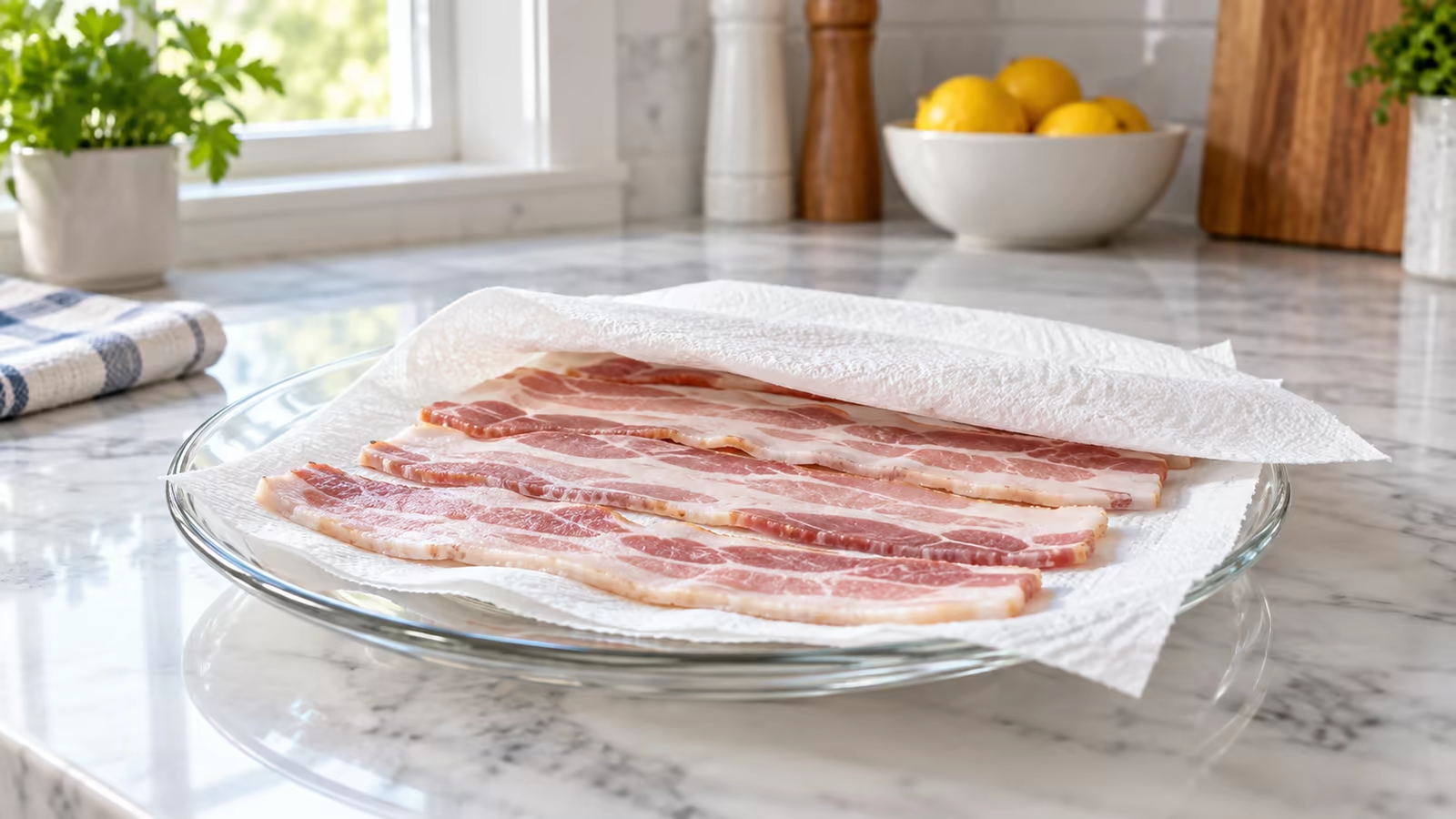
Place two paper towels on the plate, then lay the bacon flat without overlapping. If the strips are longer than the plate, curve the ends inward rather than folding one piece over another. Cover with one more paper towel to contain splatter while allowing steam to escape around the edges.
Keep the strips similar in thickness. If one has a very lean, thin end, turn that end toward the center of the plate, where many microwaves cook a little more gently. Do not crowd extra pieces into gaps; a second fresh batch is more reliable than one overloaded plate.
Cook by wattage, thickness, and visual cues
For a microwave around 1,000 watts, begin with four minutes on high. Check carefully, then continue in 30-second intervals until the bacon is browned and looks a little less crisp than you ultimately want. It will firm as it stands. Lower-wattage ovens need longer; very powerful models may finish sooner.
Open the door between intervals and look rather than touching. The fat can bubble violently, and the plate may be hot enough to burn. If one strip finishes early, use tongs to transfer it to a clean towel-lined plate, then return the others for another short burst.
Thick-cut bacon may need six to eight minutes or more, but long uninterrupted cooking can move from chewy to scorched in seconds. After the first batch, write down the useful time for your usual brand and microwave. That tiny note turns the method into a dependable routine.
Drain, serve, and store cooked bacon
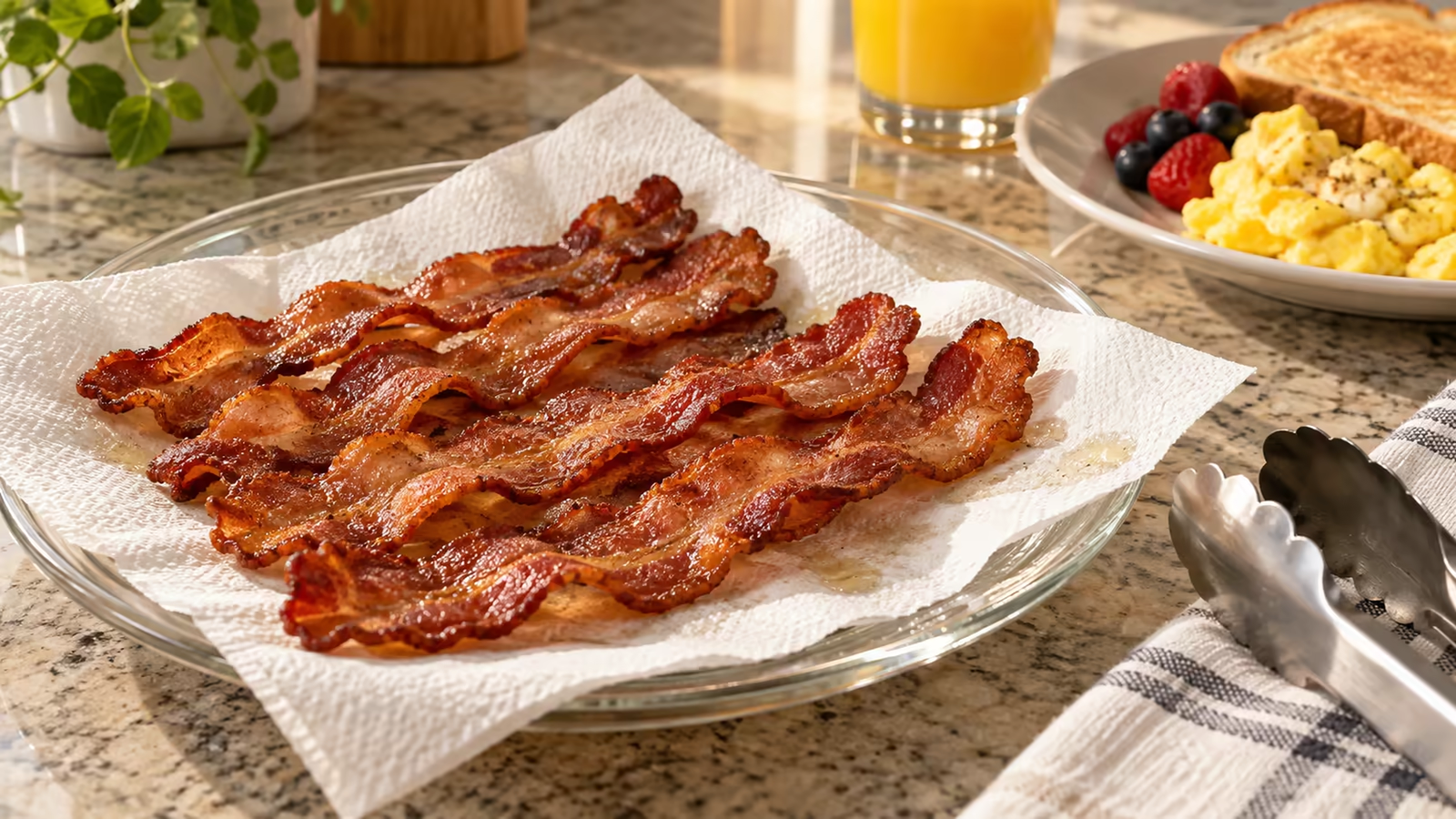
Let the plate stand in the microwave for one minute, then remove it with oven mitts and transfer the bacon with tongs. Cool the rendered fat before handling it. Save it in a covered refrigerator container for cooking if you like, or let it solidify and discard it in the trash—never pour it down the drain.
Serve immediately or crumble the strips over soup, greens, potatoes, or eggs. For practical ways to fit make-ahead components into a week, Tastiva’s family meal plans offer a flexible framework. Refrigerate cooked bacon promptly in a covered container and use within four to five days, reheating in a short microwave burst between fresh paper towels.
When cooking another batch, start with a clean plate and new towels rather than adding raw bacon to hot grease-soaked paper. That reset keeps the timing predictable and avoids handling paper that is already saturated.
Microwave bacon recipe
The editable recipe card below gives the exact six-strip setup, starting time, doneness checks, equipment, and hot-grease safety notes.
Crisp Microwave Bacon

Ingredients
- 6 slices regular-cut bacon similar thickness
Equipment
- Large microwave-safe ceramic or glass plate no metallic trim
- Plain paper towels
- Microwave timing tested around 1,000 watts
- Tongs and oven mitts
Instructions
- Line a large microwave-safe plate with 2 plain paper towels.
- Arrange the bacon in a single layer without overlap. Curve long ends inward rather than folding them. Cover with 1 more paper towel.
- Microwave on high for 4 minutes in an approximately 1,000-watt microwave.
- Check visually, then continue in 30-second intervals until the bacon is browned and just shy of your preferred crispness. Remove any strips that finish early with tongs.
- Let the plate stand in the microwave for 1 minute. Remove it with oven mitts, then transfer the bacon to a clean paper-towel-lined plate with tongs. It will crisp further as it cools.
Notes
- Microwave wattage and bacon thickness change the timing; use the first batch to calibrate your oven.
- The plate and rendered grease become extremely hot. Use mitts and tongs.
- Use a clean plate and fresh paper towels for each additional batch.
- Nutrition is intentionally left for manual calculation because bacon brands, slice thickness, and rendered fat vary.
Tried this recipe?
Let us know how it turned out!Sources
These official references support the bacon handling and leftover-storage guidance used here:
- USDA Food Safety and Inspection Service: Bacon and Food Safety
- USDA Food Safety and Inspection Service: Leftovers and Food Safety
Hi, I’m Laura, the voice behind Tastiva. I’ve always believed that eating well should feel enjoyable, comforting, and realistic—not like another complicated rule to follow. I love creating recipes that fit into everyday life, sharing simple nutrition ideas, and finding small ways to make meals feel a little better without losing the pleasure of good food.