
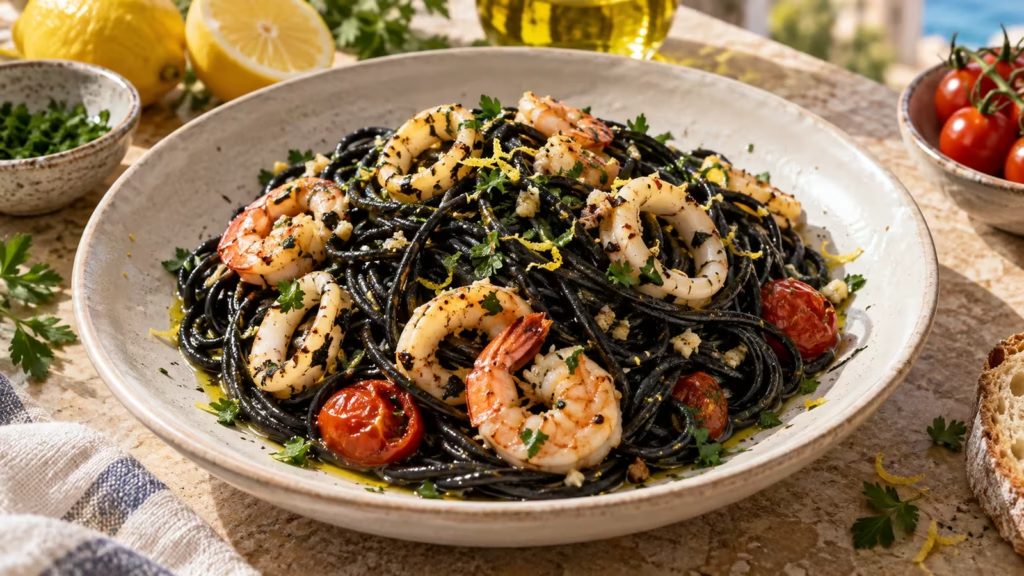
Squid ink pasta looks dramatic, but the best bowl is all about restraint: good noodles, sweet seafood, a clean hit of garlic, and enough lemon to keep every black strand lively. This version pairs the pasta with shrimp and calamari, then brings everything together in a glossy skillet sauce instead of burying it under cream or tomato.
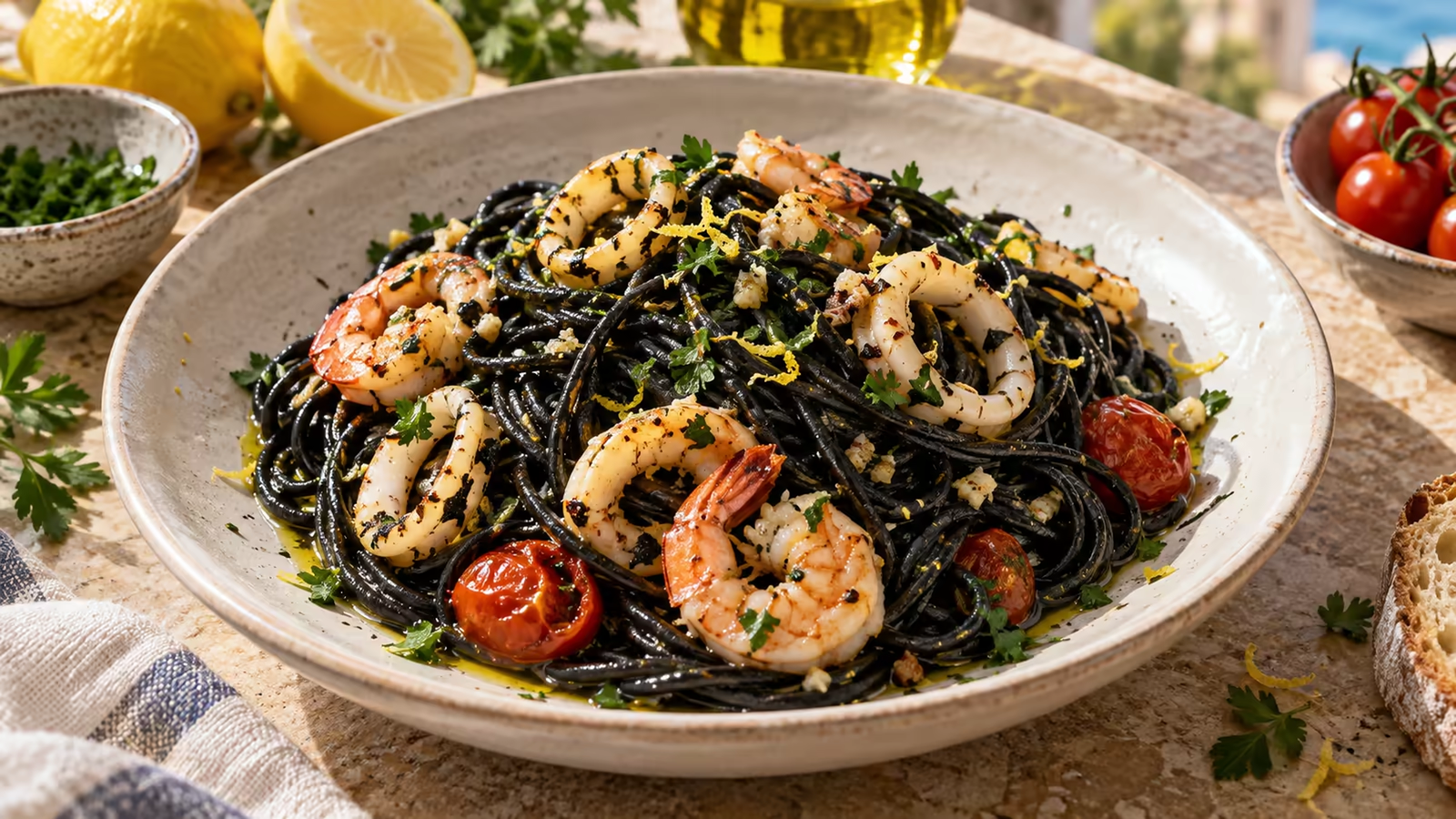
Treat the seafood quickly and the pasta patiently—the contrast gives you tender bites, springy noodles, and a sauce that tastes like the sea.
The color comes from squid or cuttlefish ink mixed into the dough. It may look intense, yet the flavor is usually gently briny rather than aggressively fishy. Because the pasta already brings savory depth, a short ingredient list can taste complete.
What squid ink pasta tastes like
Expect a flavor close to high-quality durum-wheat pasta with an extra mineral, ocean-scented note. The ink also makes the noodles especially striking, which is why simple accompaniments work so well. Garlic, parsley, chile, and citrus sharpen the pasta’s natural character without covering it.
Shrimp contributes sweetness while calamari gives the plate a clean, pleasantly firm bite. Choose raw seafood that smells mild and fresh, keep it cold until cooking, and pat it very dry. If the seafood is frozen, thaw it in the refrigerator overnight rather than on the counter.
Extra-virgin olive oil is part of the sauce, not just a cooking fat. A fruity oil helps carry the garlic and lemon across the noodles. If labels leave you guessing, Tastiva’s guide to olive oil and extra-virgin olive oil makes the differences clear.
Choose the pasta and prep the seafood
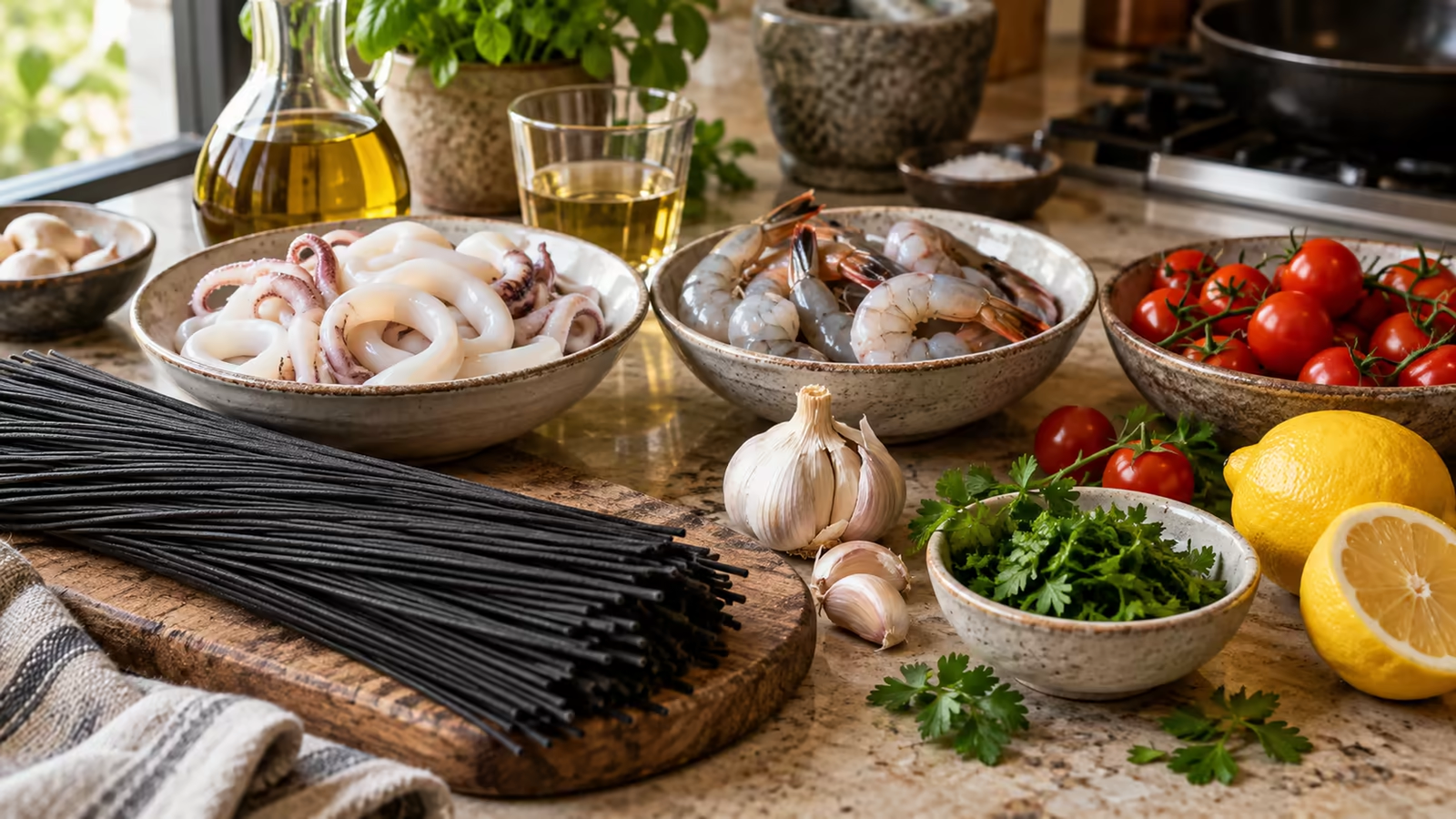
Dried squid ink spaghetti or linguine is easiest to manage because its timing is predictable. Check the package before you begin and plan to drain the noodles one minute early. They will finish in the skillet, where their starch helps turn wine, butter, and pasta water into a sauce.
Slice cleaned calamari bodies into even rings and leave small tentacles whole. Keep shrimp and calamari separate if their sizes differ, because each may finish at a different moment. Season lightly; the pasta and its cooking water already carry salt, and you can make the final adjustment after the sauce reduces. Set out every measured ingredient before you boil the noodles, because the final skillet work moves too quickly for last-minute chopping.
Build a glossy garlic-lemon sauce
Sear the seafood in two quick batches, then move it to a plate. In the same skillet, gently bloom sliced garlic and optional red-pepper flakes. Deglaze with dry white wine or seafood stock and let it reduce by half, scraping up every browned bit. That concentrated base gives the finished sauce far more flavor than its short cooking time suggests.
Move the nearly al dente pasta straight into the skillet with butter, lemon zest, and about half a cup of reserved cooking water. Toss continuously over medium heat. The water’s starch and the fat will emulsify, changing from thin liquid into a shiny coating. Add more water a splash at a time if the strands look tight or dry.
Keep shrimp and calamari tender
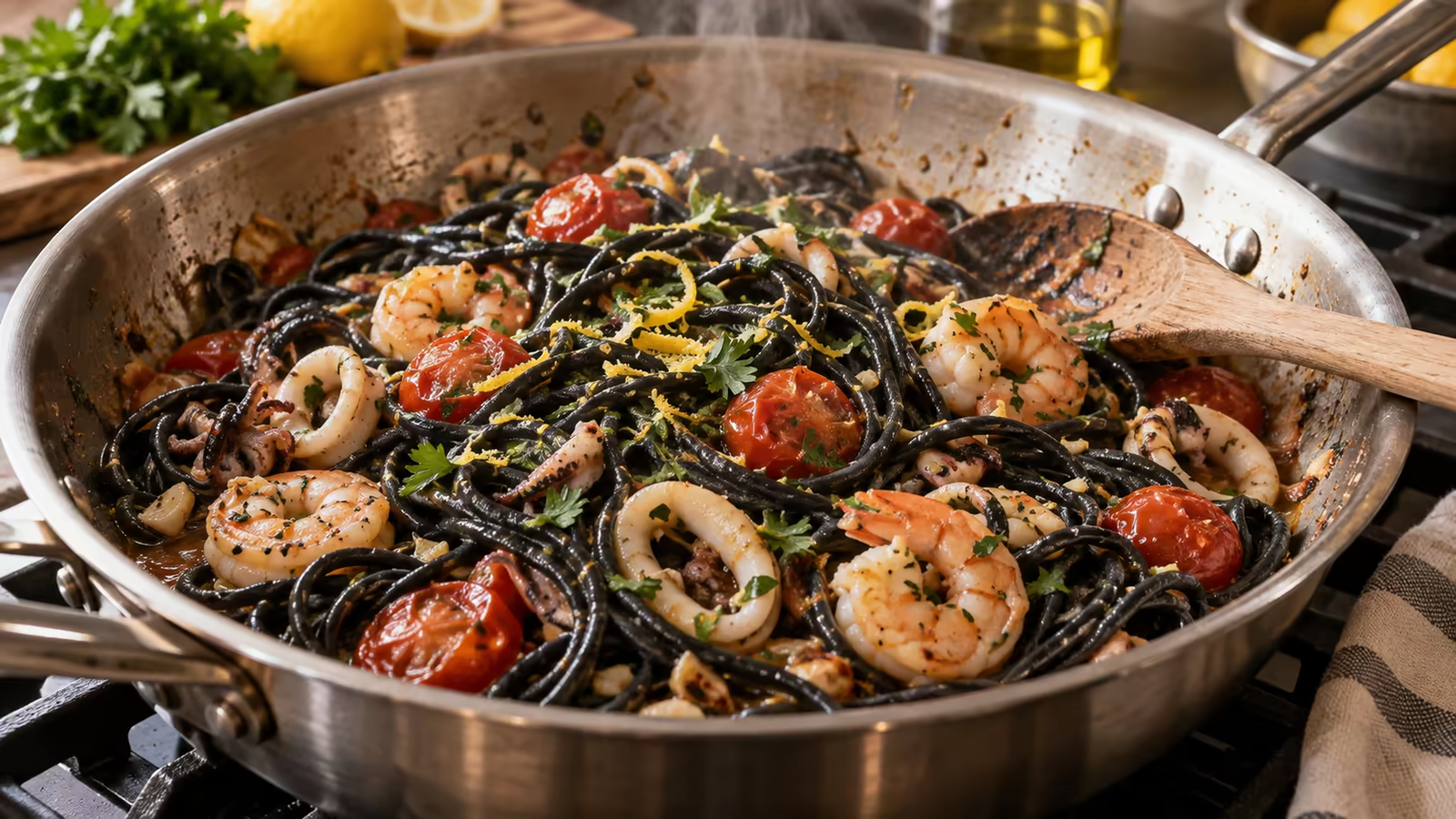
Shrimp needs only enough heat to turn opaque and lightly curl. Calamari follows a famous timing rule: cook it very briefly or for a long braise; the middle ground can be rubbery. Here, 60 to 90 seconds in a hot skillet is plenty. Return both to the pasta only after the sauce has formed.
Finish with parsley, black pepper, and lemon juice, then taste before adding salt. Serve immediately in warm bowls; this pasta loses its silky texture as it sits. A peppery arugula salad or roasted broccolini makes an easy side, and crusty bread is useful for the garlicky sauce. Refrigerate leftovers promptly and reheat gently with a spoonful of water, accepting that the seafood will be firmer the next day.
Squid ink pasta recipe
Read the steps once before turning on the heat because the seafood cooks quickly. The editable recipe card below contains the complete ingredient amounts, timing, equipment, and sequence for four servings.
Squid Ink Pasta With Shrimp and Calamari

Ingredients
- 12 oz dried squid ink spaghetti or linguine 340 g
- 8 oz large shrimp peeled, deveined, and patted dry
- 8 oz cleaned calamari bodies sliced into rings; tentacles left whole
- 1 tsp kosher salt plus more for the pasta water
- 3 tbsp extra-virgin olive oil divided
- 4 cloves garlic thinly sliced
- 1/4 tsp red-pepper flakes optional
- 1/2 cup dry white wine or seafood stock 120 ml
- 1 lemon finely zested and juiced
- 2 tbsp unsalted butter cut into pieces
- 1/4 cup flat-leaf parsley finely chopped
- freshly ground black pepper to taste
Equipment
- Large pot
- Large skillet
- Colander
- Tongs
- Fine grater for the lemon zest
Instructions
- Bring a large pot of generously salted water to a boil. Keep it ready while you start the sauce.
- Season the dry shrimp and calamari lightly with salt. Heat 1 tablespoon olive oil in a large skillet over medium-high. Cook the shrimp for 60 to 90 seconds per side, just until opaque; transfer to a plate.
- Add another tablespoon oil and the calamari. Cook, stirring, for 60 to 90 seconds, just until the rings turn opaque and firm. Transfer to the plate with the shrimp.
- Reduce the heat to medium. Add the remaining oil, garlic, and red-pepper flakes. Stir for 30 seconds. Pour in the wine or stock and simmer until reduced by about half.
- Boil the pasta until 1 minute shy of the package’s al dente time. Reserve 1 cup pasta water, then drain.
- Add the pasta to the skillet with 1/2 cup pasta water, the butter, lemon zest, and 1 tablespoon lemon juice. Toss over medium heat until the sauce turns glossy and clings to the strands, adding more pasta water as needed.
- Return the shrimp and calamari to the skillet for 30 to 60 seconds, only long enough to warm through. Fold in the parsley, season with black pepper, and adjust the lemon and salt before serving.
Notes
- Dry the seafood well so it sears instead of steaming.
- Calamari stays tender when cooked very briefly; do not leave it simmering in the sauce.
- Refrigerate leftovers promptly and use within 2 days for the best texture.
- Nutrition is intentionally left for manual calculation because pasta, seafood, butter, and wine or stock brands vary.
Tried this recipe?
Let us know how it turned out!Sources
These references support the seafood handling and cold-storage guidance used here:
- U.S. Food and Drug Administration: Fresh and Frozen Seafood—Selecting and Serving It Safely
- FoodSafety.gov: Cold Food Storage Charts
Hi, I’m Laura, the voice behind Tastiva. I’ve always believed that eating well should feel enjoyable, comforting, and realistic—not like another complicated rule to follow. I love creating recipes that fit into everyday life, sharing simple nutrition ideas, and finding small ways to make meals feel a little better without losing the pleasure of good food.