
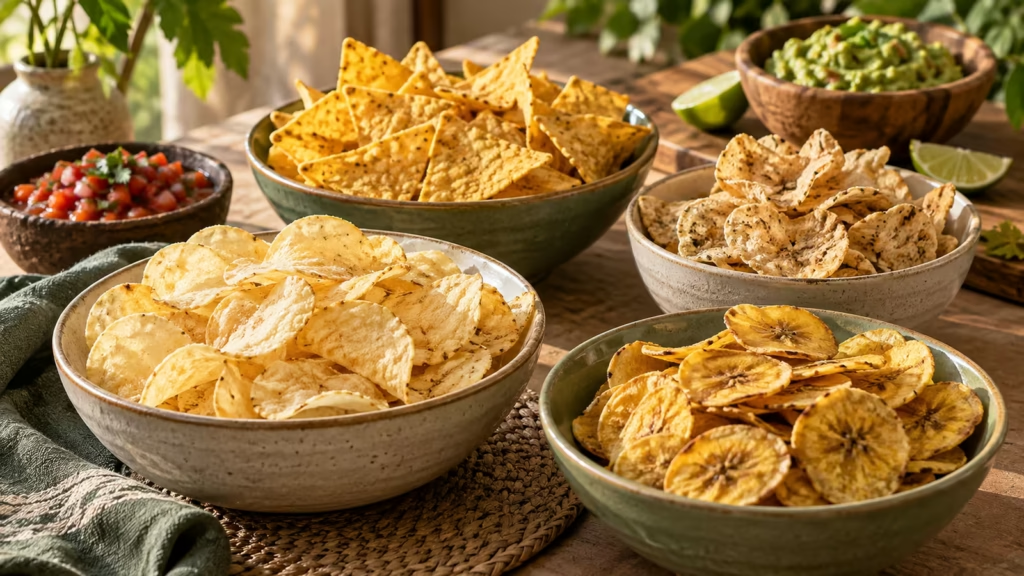
Many plain potato, corn tortilla, plantain, bean, and lentil chips are made without gluten-containing ingredients. That does not mean every flavor or every factory is safe for someone with celiac disease, so the package label matters more than the type of chip.
A naturally gluten-free base ingredient is only the first check; seasonings, shared equipment, and labeling complete the picture.
I’m Laura, and I do not judge a chip by the front of the bag. A simple salted potato chip may be gluten-free, while a flavored version from the same brand may contain wheat or malt. Recipes and facilities can change, so check each package every time.
Which chips are often gluten-free?
Potatoes, corn, beans, lentils, chickpeas, cassava, and plantains are naturally gluten-free. Oil and salt are also gluten-free. Plain versions made only with those ingredients are the easiest to evaluate.
- Plain potato chips or kettle chips.
- Corn tortilla chips labeled gluten-free.
- Plantain, cassava, or sweet-potato chips.
- Bean, pea, chickpea, or lentil chips.
- Puffed rice or corn snacks made in a gluten-controlled facility.
“Multigrain” does not mean gluten-free. It may include wheat, barley, rye, malt, or a mixture processed with them. Oats require special attention because ordinary oats often have cross-contact; people with celiac disease generally choose oats specifically labeled gluten-free.
Read beyond the main ingredient
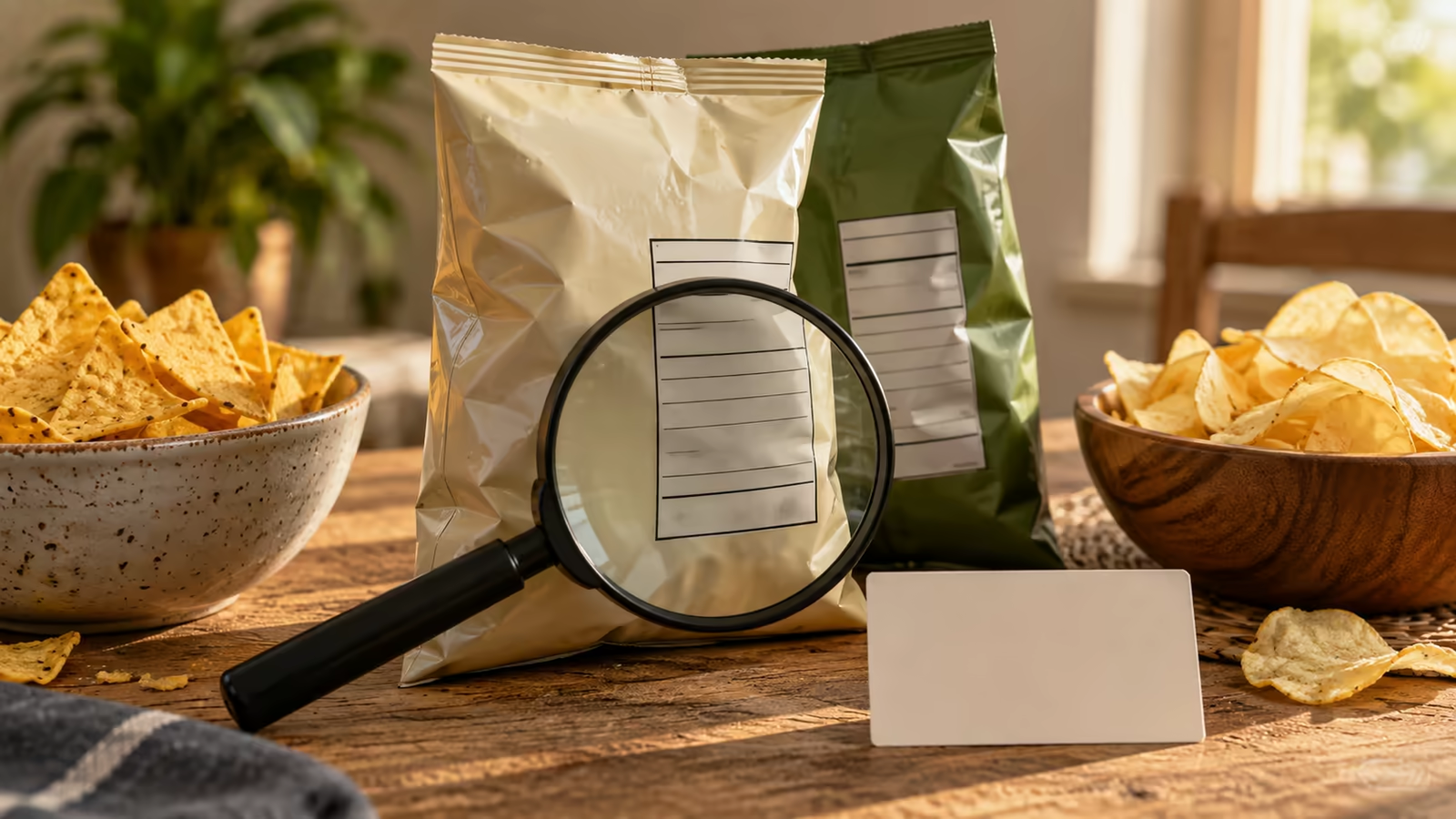
Flavor powders can introduce wheat, barley malt, soy sauce, brewer’s yeast mixtures, or ingredients produced on shared equipment. Barley and rye do not have to be declared in the U.S. “Contains” statement the way major allergens such as wheat do, so read the full ingredient list.
Under FDA rules, a packaged food labeled “gluten-free” must contain less than 20 parts per million of gluten. Third-party certification may apply additional auditing or standards. A voluntary shared-equipment statement can offer useful context, but its absence does not prove a dedicated facility.
When celiac disease or a medically necessary gluten-free diet is involved, contact the manufacturer if the label is unclear. Tastiva’s guide to gluten-free soy sauce explains why wheat can appear in a seasoning that does not look bread-related.
Are gluten-free chips healthier?
Gluten-free describes gluten content; it does not automatically mean lower sodium, lower saturated fat, higher fiber, or a more nutritious ingredient list. Chips can fit a balanced pattern, but the nutrition facts help compare options within the category.
- Check serving size before comparing calories and sodium.
- Look for fiber or protein if you want a more filling snack.
- Compare saturated fat as well as total fat.
- Choose flavors you genuinely enjoy so a reasonable portion feels satisfying.
- Pair chips with produce or a protein food when the snack needs more staying power.
Bean and lentil chips may provide more protein or fiber than standard potato chips, but not every product does. Baked chips may contain less fat, yet sometimes add starch or sodium for texture. There is no single winner for every goal.
Build a better gluten-free snack
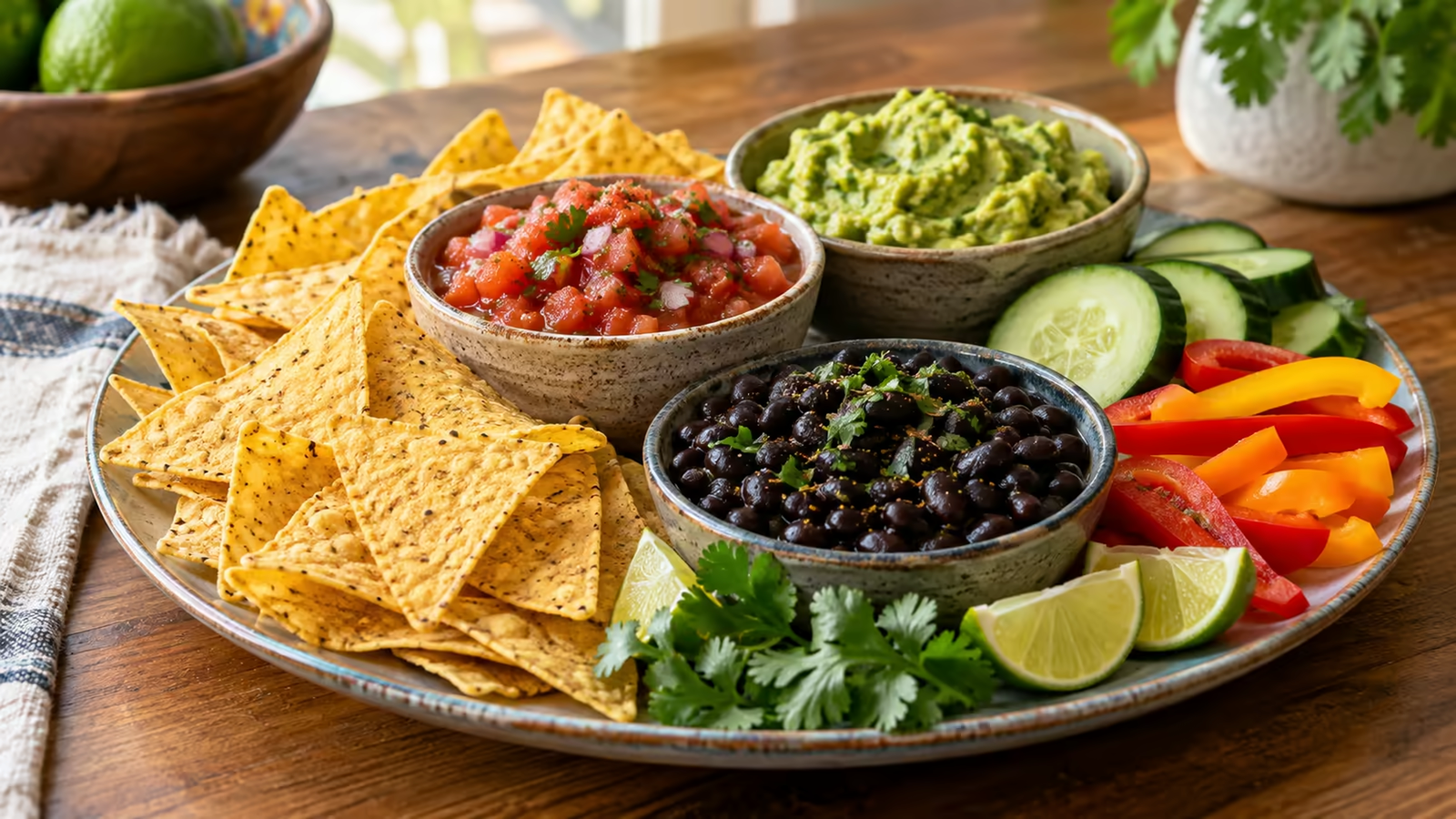
Put a portion in a bowl and add salsa, guacamole, black bean dip, cheese, yogurt dip, or hummus. Include cucumber, bell pepper, carrots, or fruit if you want more volume and variety. This approach adds satisfaction without pretending the chip itself needs to become a health food.
At parties, use separate serving bowls and utensils to reduce crumbs from gluten-containing foods. Do not share dips once bread or regular crackers have been dipped. In restaurants, ask whether chips share a fryer with breaded foods; frying does not destroy gluten.
If you are expanding a gluten-free pantry, compare Tastiva’s guides to gluten-free noodles and gluten-free bread. For chips, the practical rule stays simple: verify the exact product, then choose based on flavor, nutrition, and the level of cross-contact protection you need.
A gluten-free claim addresses gluten, not overall nutrition. Compare serving size, sodium, saturated fat, fiber, and added flavors just as you would with any chip. Bean- or lentil-based chips may provide a little more protein or fiber, but the label reveals whether the difference is meaningful.
For a more satisfying snack, portion chips into a bowl and pair them with something that adds protein, produce, or both—such as salsa and beans, vegetables with hummus, fruit with yogurt, or cheese if tolerated. This keeps the crunch while making the snack more balanced and easier to portion.
Sources
- U.S. Food and Drug Administration: Gluten-Free Labeling of Foods
- Celiac Disease Foundation: Label Reading and the FDA
- NIDDK: Eating, Diet, and Nutrition for Celiac Disease

Hi, I’m Laura, the voice behind Tastiva. I’ve always believed that eating well should feel enjoyable, comforting, and realistic—not like another complicated rule to follow. I love creating recipes that fit into everyday life, sharing simple nutrition ideas, and finding small ways to make meals feel a little better without losing the pleasure of good food.