
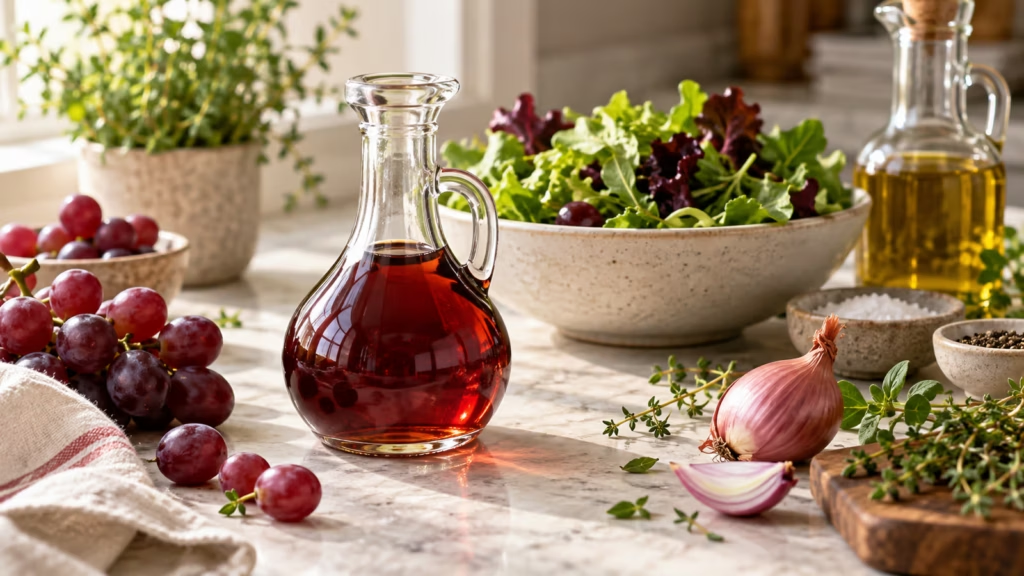
Some dinners are not missing salt, butter, or another twenty minutes in the oven. They are missing brightness. A teaspoon of red wine vinegar can pull roasted vegetables, beans, lentils, tomato sauce, and a simple salad into focus without making the meal taste obviously “vinegary.” It is made by turning the alcohol in red wine into acetic acid through a second fermentation, so its real superpower is flavor. The nutrition is modest, and the internet’s grander detox and weight-loss promises need a much cooler head.
Red wine vinegar earns its pantry space by making food taste alive—not by pretending to be a medicine.
What red wine vinegar is—and what is in a tablespoon
Red wine vinegar begins with red wine, then acetic-acid bacteria convert most of its alcohol into the sharp acid that defines vinegar. Commercial products can vary in grape source, aging, acidity, color, and tiny residual amounts of alcohol. If you avoid alcohol completely for medical, religious, pregnancy, or recovery reasons, ask the manufacturer about that exact bottle instead of relying on a universal promise.
USDA FoodData Central lists plain vinegar as a very low-calorie condiment. A tablespoon of red wine vinegar generally provides only a few calories with negligible protein, fat, and carbohydrate. It is not a meaningful source of vitamins, fiber, or protein. That does not make it nutritionally pointless: a bold, low-energy flavor can help vegetables and beans feel satisfying without requiring a heavy sauce.
The ingredient list should be short, but flavored versions may add sweetener, salt, color, or other ingredients. “Mother” sediment is not required for vinegar to work in a vinaigrette, and cloudiness is not proof of superior health effects. Compare the actual label if sodium, added sugar, sulfites, or another sensitivity matters to you.
What the health research can honestly say
Clinical studies and meta-analyses suggest that vinegar consumed with a meal may modestly reduce post-meal glucose and insulin responses in some settings. Most of this research examines vinegar or acetic acid broadly, often in small or short studies—not red wine vinegar as a treatment. A food effect in a controlled trial is not permission to replace diabetes medication, change a dose, or drink acid before every meal.
Claims about dramatic fat loss, “detoxing,” alkalizing the body, or melting belly fat are not supported by strong evidence. Your liver and kidneys handle waste without a vinegar cleanse. If a splash helps you enjoy a fiber-rich salad or a pot of lentils, that eating pattern matters much more than the tablespoon itself.
- Reasonable: use vinegar to add sharpness and make minimally processed foods more appealing.
- Possible but limited: a modest post-meal glucose effect in some people and study conditions.
- Not established: that red wine vinegar alone causes meaningful long-term weight loss.
- Not appropriate: treating diabetes, high blood pressure, infection, or digestive disease with vinegar.
Four ways to use it without overpowering the plate

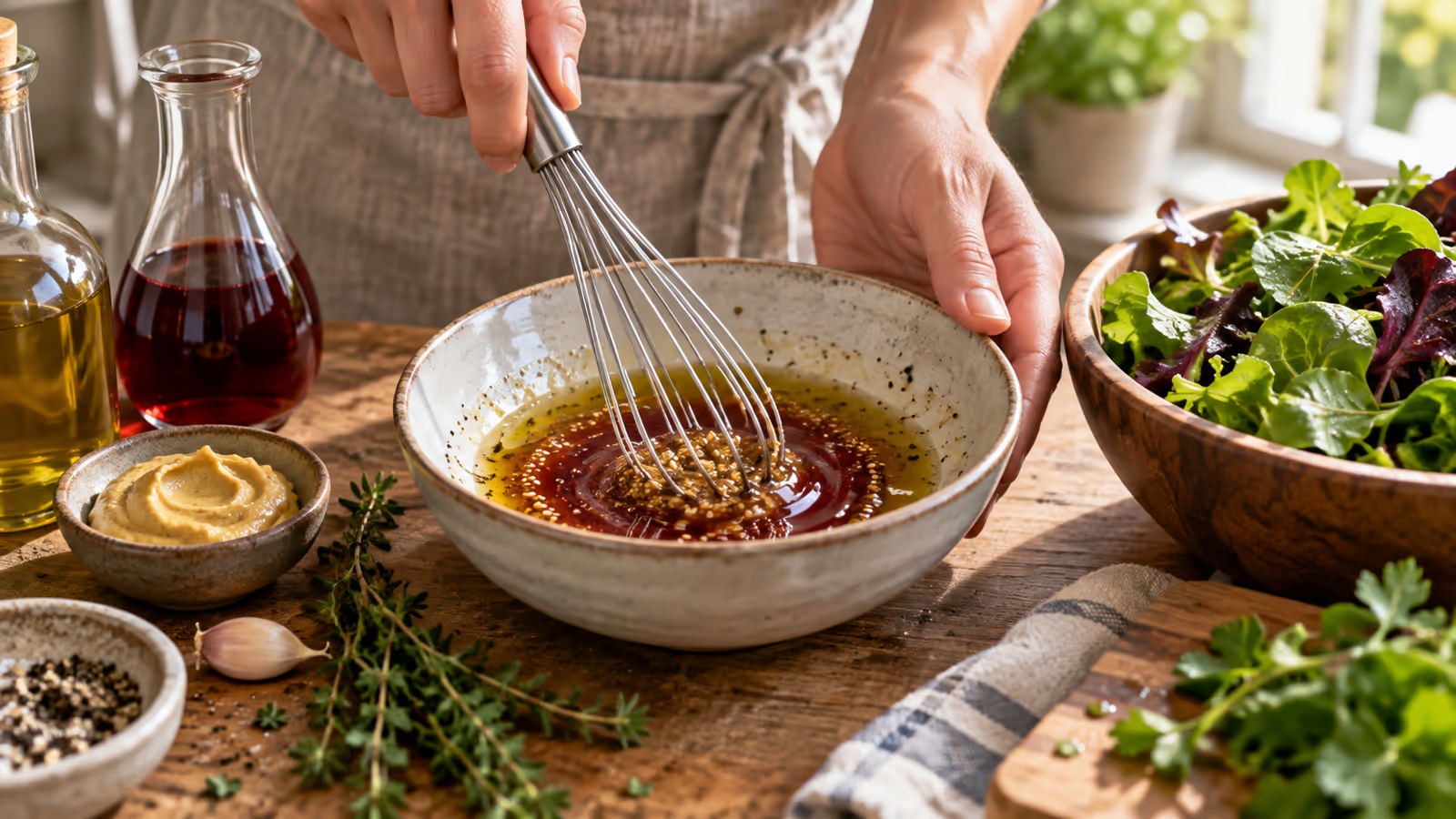
The best moment for vinegar is often near the end, when you can taste what the dish needs. Whisk it with olive oil and mustard for a quick vinaigrette, stir a teaspoon into lentil soup, splash a little into a pan after sautéing mushrooms, or toss it with warm roasted beets. It is also excellent with tomato, cabbage, chickpeas, and herbs because acidity keeps earthy or sweet flavors from feeling heavy.
| Use | Starting point | Laura’s adjustment |
|---|---|---|
| Vinaigrette | 1 part vinegar to 3 parts oil | Add mustard for body; taste before adding sweetener. |
| Quick-pickled onions | Vinegar plus water, salt, and a little sugar | Use a tested preserving recipe for shelf-stable canning. |
| Pan sauce | A small splash after cooking | Let the sharp steam settle, then taste. |
| Marinade | Combine with oil, herbs, and seasoning | Treat it as flavor—not as a food-safety step. |
Acid can soften the surface of meat and carry flavor in a marinade, but it does not reliably kill harmful germs. Keep marinating food refrigerated, avoid reusing raw-meat marinade unless it is boiled safely, and follow proper cooking temperatures. For vinaigrettes, a fruity extra-virgin olive oil works beautifully; our guide to olive oil and seed oils explains where it fits.
Taste before sweetening. Red wine vinegar has enough fruitiness that a pinch of salt or spoonful of mustard may round it out without honey or sugar. If it still feels harsh, dilute the dressing with more oil or a little water rather than trying to hide the acid under sweetness.
Substitutes, storage, and the straight-vinegar problem
Sherry vinegar is the closest graceful substitute in many savory dishes. White wine vinegar is lighter; apple cider vinegar is fruitier; balsamic is sweeter and darker. Lemon juice supplies brightness but not the same fermented depth. Start with an equal amount, then taste—especially with balsamic, which can change both sweetness and color.
Vinegar’s acidity makes it very shelf-stable. Keep the cap closed in a cool, dark cupboard and follow the bottle if it gives different directions. Sediment or color change can occur over time without automatically meaning danger, but discard a product with a damaged seal, unusual growth, off odor, or contamination from dirty utensils. Quality fades long before plain vinegar becomes an ordinary spoilage risk.
Please do not take undiluted vinegar shots. Repeated direct acid exposure can erode tooth enamel and irritate the mouth, throat, esophagus, or stomach. It may also complicate glucose control or interact with medicines in susceptible people. Use it as food, rinse your mouth with water after very acidic drinks, and ask a clinician or pharmacist before making concentrated vinegar a routine if you take diabetes, diuretic, or potassium-affecting medication.
Sources
- USDA FoodData Central
- PubMed: Vinegar Consumption and Postprandial Glucose and Insulin—Systematic Review and Meta-Analysis
- PubMed: Vinegar and Glucose Metabolism—Review of Evidence and Mechanisms
- American Dental Association: Dental Erosion

Hi, I’m Laura, the voice behind Tastiva. I’ve always believed that eating well should feel enjoyable, comforting, and realistic—not like another complicated rule to follow. I love creating recipes that fit into everyday life, sharing simple nutrition ideas, and finding small ways to make meals feel a little better without losing the pleasure of good food.