
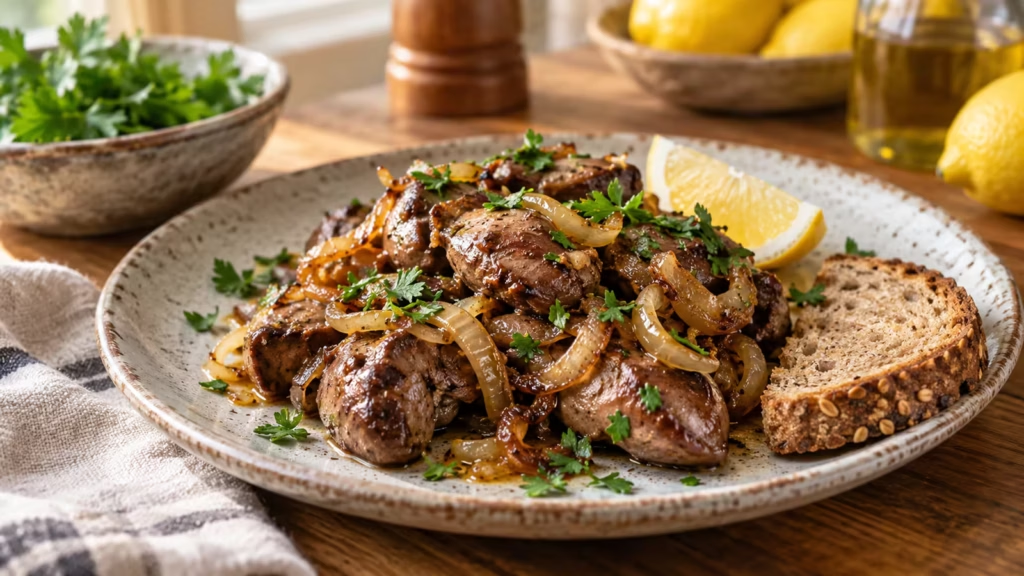
Chicken liver is a small ingredient with a very concentrated nutrition story—and a reputation damaged by too many dry, metallic plates. Chicken liver provides protein, vitamin B12, folate, iron, and a particularly high amount of preformed vitamin A, so it can be nourishing without needing to be an everyday food. The two important cautions are just as clear: poultry liver must be handled carefully and cooked to a safe internal temperature, and frequent large servings can push vitamin A intake too high. I like it best as a modest, tender portion with onions, lemon, herbs, and something crisp beside it.
Chicken liver is nutrient-dense in the literal sense: a little brings a lot, which is both its strength and the reason moderation matters.
What chicken liver offers nutritionally
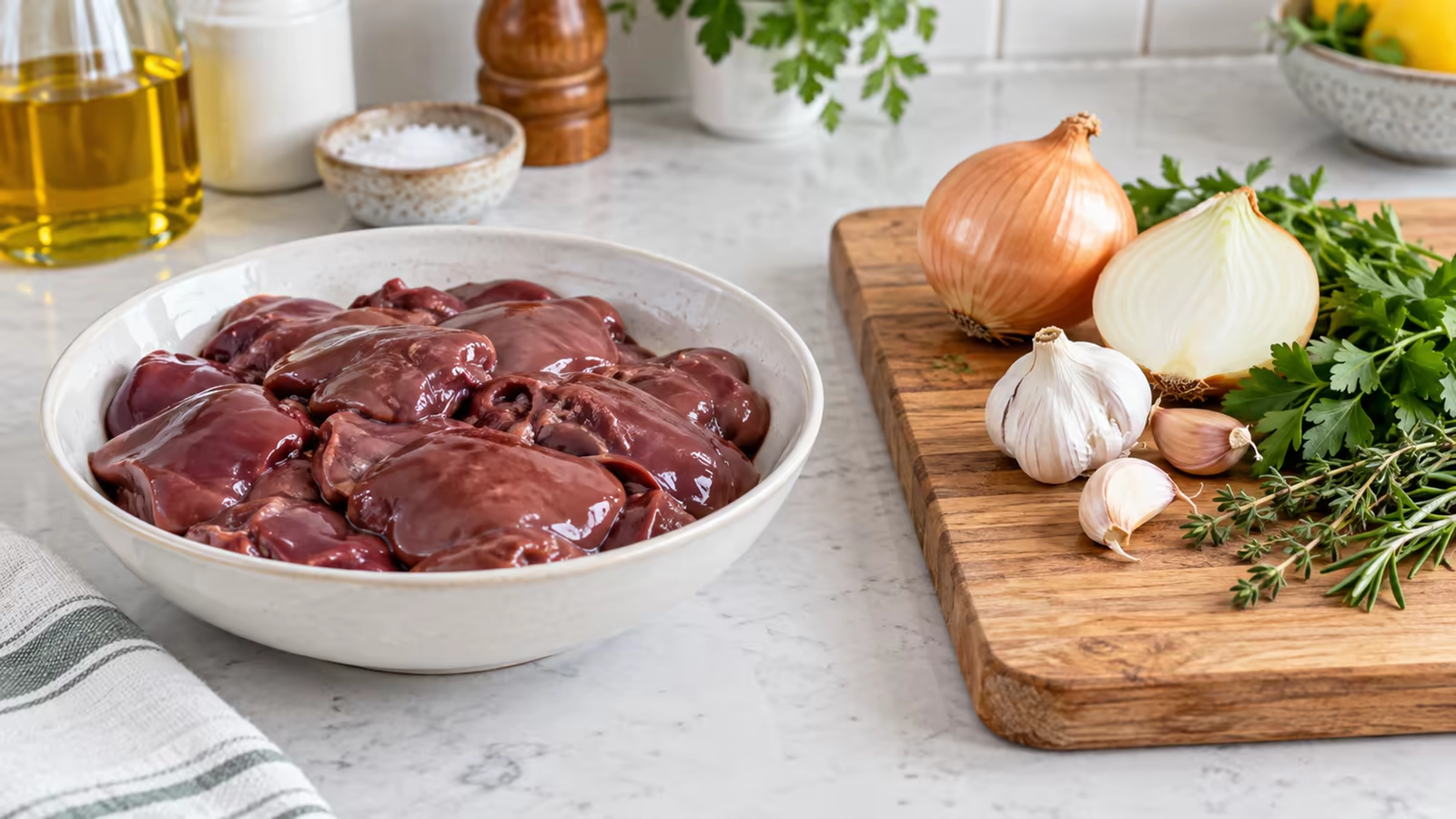
Liver stores nutrients for the animal, which is why its profile differs from breast or thigh meat. It is rich in vitamin B12, needed for healthy blood and nerve cells, and supplies folate, iron, copper, riboflavin, choline, and complete protein. Exact amounts change with product and preparation, so USDA FoodData Central is the right place for a current serving-specific calculation.
The iron includes heme iron, a form generally absorbed more readily than nonheme iron from plants. That does not make liver a treatment for every case of fatigue or anemia. Low iron, low B12, blood loss, inflammation, and other conditions need proper evaluation; taking a nutrient-rich food as a self-diagnosis can delay the real answer.
Chicken liver is often budget-friendly and can reduce food waste by using more of the animal. It is not nutritionally mandatory. Eggs, fish, meat, dairy, fortified foods, beans, lentils, leafy greens, and supplements used under professional guidance can cover similar needs in different combinations. Variety still matters more than one heroic ingredient.
Vitamin A is the benefit that needs a boundary
Animal liver contains preformed vitamin A, which the body can use directly. Vitamin A supports vision, immune function, reproduction, growth, and normal organ function. Unlike beta carotene from orange and dark-green plants, high intakes of preformed vitamin A can be toxic. NIH lists an adult upper limit of 3,000 micrograms retinol activity equivalents per day from preformed vitamin A.
That upper limit is not a target, and a single food does not need to be feared. It does mean that serving size, frequency, fortified foods, and supplements belong in the same picture. Cod-liver oil, retinol-containing supplements, and frequent organ-meat meals can stack. Check labels rather than assuming “natural” sources cannot add up.
- Pregnancy: high preformed vitamin A intake can cause birth defects; ask a prenatal clinician before eating liver or using retinol supplements.
- Children: portions should be age-appropriate because their upper limits are lower.
- Supplements: do not combine liver with high-dose vitamin A casually.
- Frequency: think occasional modest serving, especially when other retinol sources are present.
If folate is your main interest, our folate guide separates food folate, folic acid, needs, and supplement decisions. Liver can contribute, but no single ingredient should carry the entire plan.
Buy, store, and cook chicken liver safely
Choose refrigerated liver before its use-by date in an intact package with no leaks. Put it in a separate bag, refrigerate promptly, and keep raw juices away from salads, fruit, bread, utensils, and refrigerator shelves. Do not rinse raw poultry liver; splashing can spread bacteria around the sink. Instead, trim connective tissue on a dedicated board and wash hands, tools, and surfaces with hot soapy water afterward.
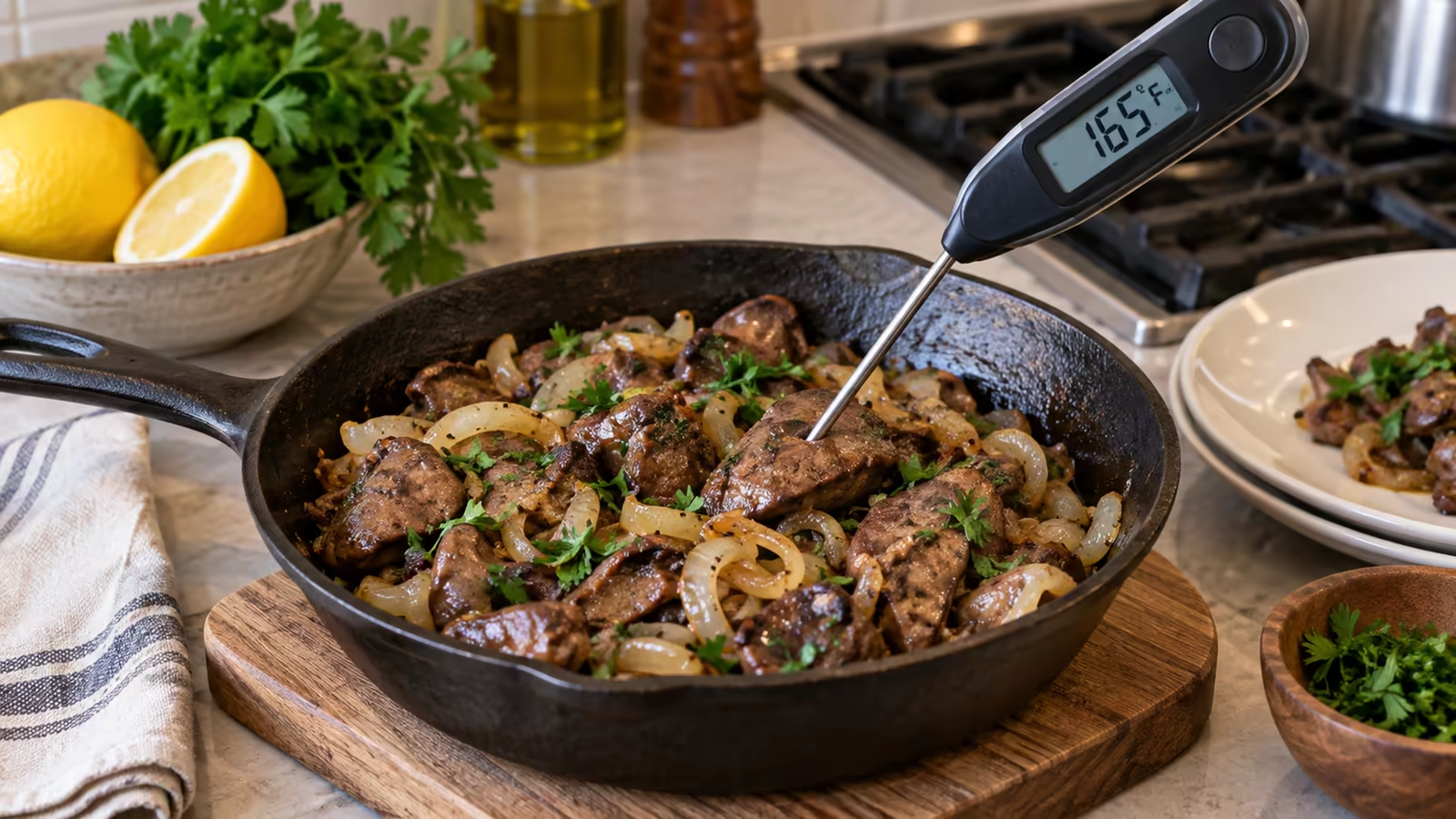
FoodSafety.gov sets 165°F, or 74°C, as the safe minimum internal temperature for poultry, including giblets. Liver can look browned outside while remaining undercooked within, so color is not enough. Check the thickest pieces with a food thermometer. Recipes for pink or rare chicken liver are not a safe compromise, particularly for pregnant people, older adults, young children, or anyone immunocompromised.
Refrigerate cooked liver within two hours—one hour when the environment is above 90°F—and follow current FoodKeeper guidance for leftovers. Reheat leftovers thoroughly. Discard packages with an off odor, sticky deterioration, swelling, or temperature abuse; cooking does not reliably rescue spoiled food.
How to make the flavor gentler and the texture tender
Trim visible connective tissue, pat the liver dry, and keep pieces similar in size so they cook evenly. Browning onions first gives sweetness; garlic, thyme, sage, parsley, black pepper, mustard, vinegar, or lemon bring contrast. Milk soaking is traditional and can mellow surface flavor for some cooks, but it is optional and does not sanitize the liver. Discard the soak and prevent splashes exactly as you would with raw poultry juice.
Use a hot pan with a little oil, avoid crowding, and turn pieces so they brown rather than steam. Then reduce the heat as needed and cook until every piece reaches 165°F. The thermometer is your best defense against both danger and unnecessary overcooking: remove the liver once it is safely done instead of leaving it until it becomes chalky.
Serve a modest amount with a generous vegetable and a familiar starch—caramelized onions and greens over toast, for example, or liver with beans and a sharp salad. If the flavor is new, chop cooked liver into a meat sauce or pâté-style spread rather than confronting a large piece. Good seasoning cannot make everyone love organ meat, but careful heat gives it an honest chance.
Sources
- NIH Office of Dietary Supplements: Vitamin A and Carotenoids—Consumer
- NIH Office of Dietary Supplements: Vitamin B12—Consumer
- FoodSafety.gov: Safe Minimum Internal Temperatures
- USDA FoodData Central

Hi, I’m Laura, the voice behind Tastiva. I’ve always believed that eating well should feel enjoyable, comforting, and realistic—not like another complicated rule to follow. I love creating recipes that fit into everyday life, sharing simple nutrition ideas, and finding small ways to make meals feel a little better without losing the pleasure of good food.