
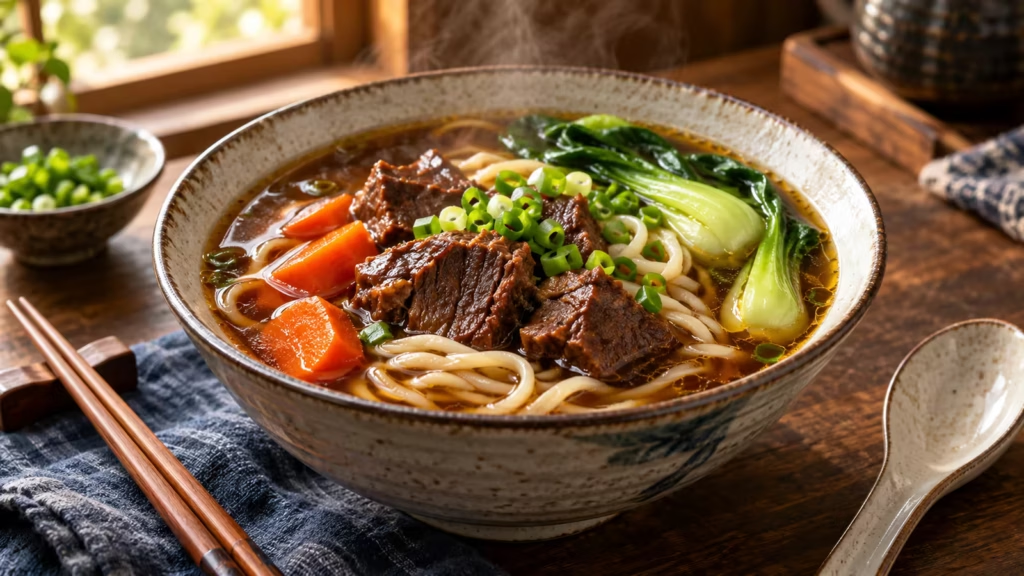
Beef noodle soup earns its place at the table one slow bubble at a time. Chuck roast becomes spoon-tender in a broth scented with ginger, garlic, star anise, cinnamon, and soy sauce; springy noodles and crisp bok choy turn that deeply savory pot into a complete meal.
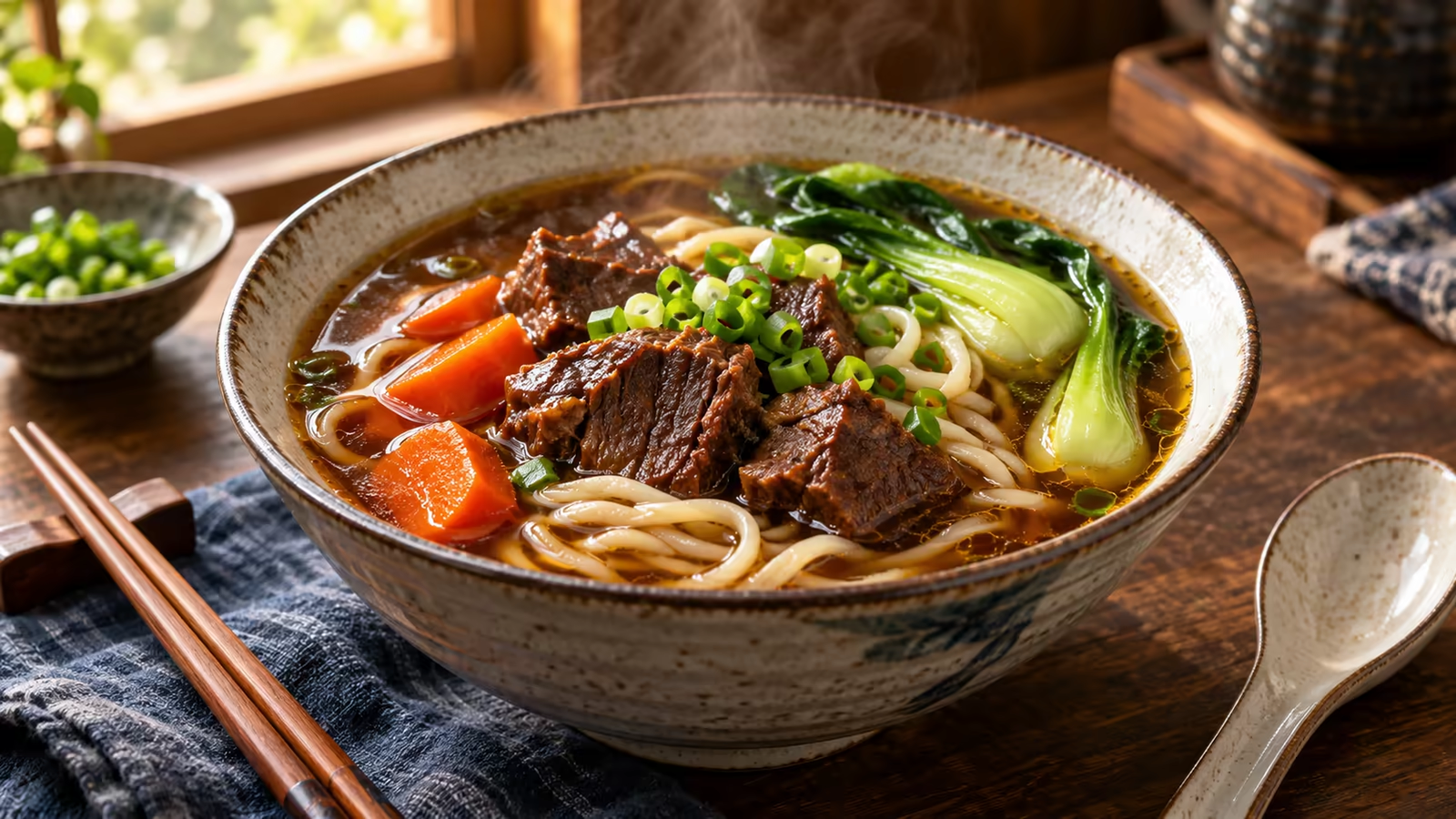
Keep the broth at a lazy simmer and the noodles in their own pot—patience makes the beef tender, while separation keeps every bowl clean and lively.
This is an Asian-inspired home recipe rather than a claim to one regional classic. It borrows the comforting structure of braised beef noodle soups and uses supermarket-friendly ingredients, with enough detail to produce a clear, balanced broth instead of a heavy stew.
Choose chuck roast and simmer it gently
Boneless beef chuck is ideal because it contains connective tissue that softens during a long, moist cook. Cut it into even two-inch pieces so the centers finish at roughly the same time. Trim only large exterior pockets of fat; some marbling is what gives the broth body and keeps the meat succulent.
Pat the pieces dry, season them, and brown in batches. Crowding the pot drops the heat and makes the beef steam. You do not need a dark crust on every side, but a few well-browned faces create roasted flavor that plain simmering cannot. Transfer each batch before adding the aromatics.
After the broth comes to a boil, lower it immediately to a gentle simmer. Hard boiling tightens the meat and clouds the liquid by breaking fat into tiny droplets. The beef is done when a fork slides in easily, not merely when a timer rings; depending on the cut, that usually takes two to two and a half hours.
Build a fragrant, balanced broth
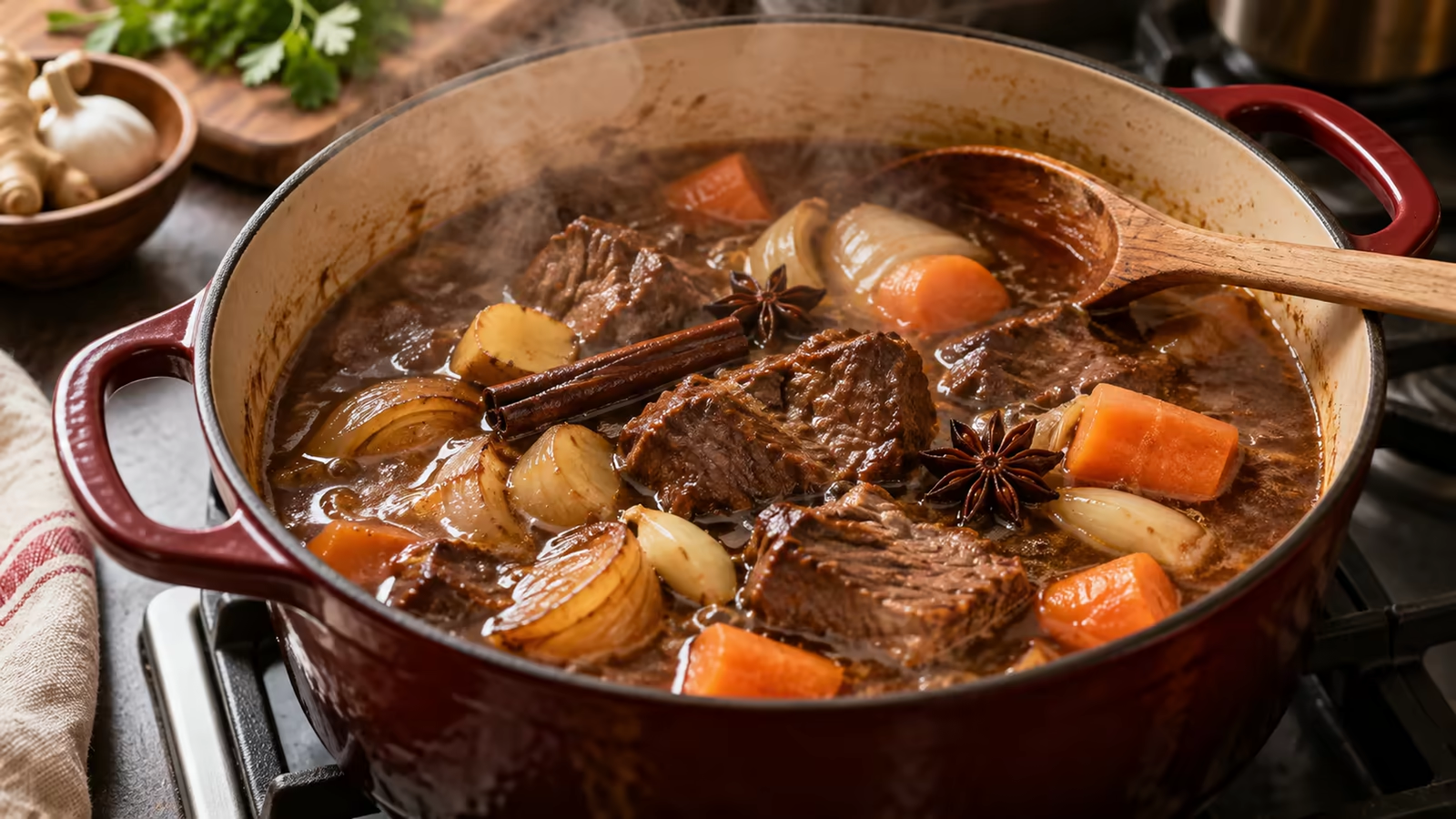
Ginger, garlic, and scallion whites form the fresh aromatic base. Star anise and a small cinnamon stick add warmth without making the soup taste sweet. Toast the spices briefly in the oiled pot, then deglaze with broth and scrape up the browned bits before returning the beef.
Soy sauce supplies salt and savoriness; brown sugar rounds the spice; rice vinegar restores brightness at the end. Start with reduced-sodium broth because the liquid concentrates as it cooks. If gluten is a concern, choose a certified gluten-free tamari and noodles, and read Tastiva’s guide to gluten-free noodles before making the swap.
Skim excess fat and foam from the surface during the first hour, but do not chase every glimmer of oil. A little carries aroma and gives the broth a satisfying finish. Once the beef is tender, strain only if you want a polished presentation; otherwise remove the whole spices and leave the soft aromatics in place.
Cook the noodles and greens separately
Noodles release starch and continue absorbing liquid after they are cooked. Boiling them in the soup can turn the broth murky and leave leftovers dry. Cook them in a separate pot until just tender, rinse only if the package directs, and divide them among warm bowls.
Blanch halved baby bok choy in the noodle water for one to two minutes, until the stems are crisp-tender and the leaves wilt. This keeps their color bright and lets each person receive an even portion. Spinach, napa cabbage, or thinly sliced mushrooms can fill the same role with slightly different timing.
Assemble, store, and reheat the soup
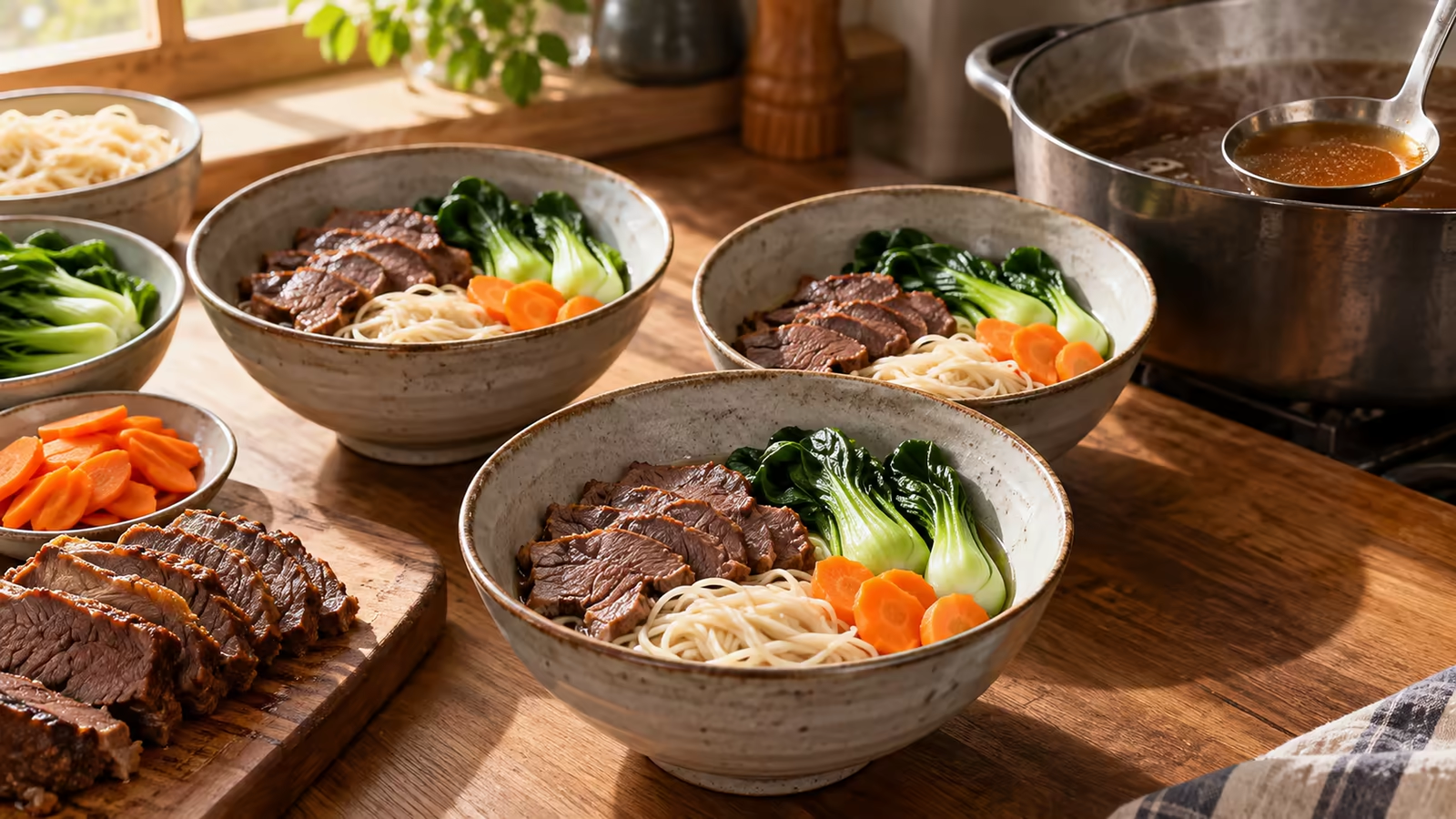
Arrange noodles, bok choy, and tender beef in each bowl, then ladle the steaming broth over the top. Finish with scallion greens, cilantro, chile crisp, or a squeeze of lime. Taste the broth before serving and adjust with rice vinegar for lift or soy sauce for salt, one teaspoon at a time.
For make-ahead meals, refrigerate the broth and beef together but keep cooked noodles separate. Cool everything promptly in shallow containers and use within three to four days. The chilled fat will rise and firm, making it easy to remove if desired. Reheat the broth to a full simmer, warm the noodles briefly, then assemble fresh bowls.
Beef noodle soup recipe
The editable recipe card below gives the full ingredient list, braising sequence, noodle timing, equipment, and four generous serving portions.
Braised Beef Noodle Soup

Ingredients
- 2 lb boneless beef chuck roast cut into 2-inch pieces
- 1 tsp kosher salt plus more to taste
- 1 tbsp neutral cooking oil
- 1 medium yellow onion quartered
- 3 inch fresh ginger sliced and lightly smashed
- 5 cloves garlic lightly smashed
- 3 scallions whites and greens separated
- 2 whole star anise
- 1 cinnamon stick about 3 inches
- 6 cups reduced-sodium beef broth 1.4 L
- 2 cups water 480 ml, plus more as needed
- 1/3 cup reduced-sodium soy sauce 80 ml
- 1 tbsp light brown sugar
- 1 tbsp unseasoned rice vinegar plus more to taste
- 12 oz fresh or dried wheat noodles cooked according to package directions
- 4 small baby bok choy halved lengthwise
- cilantro, chile crisp, or lime wedges optional, for serving
Equipment
- Large Dutch oven or heavy pot
- Large noodle pot
- Tongs
- Fine-mesh skimmer or spoon
Instructions
- Pat the beef dry and season with salt. Heat the oil in a Dutch oven over medium-high. Brown the beef in batches on several sides, transferring each batch to a plate.
- Reduce the heat to medium. Add the onion, ginger, garlic, scallion whites, star anise, and cinnamon. Cook for 2 minutes, stirring, until fragrant.
- Add the broth and water, scraping up the browned bits. Stir in the soy sauce and brown sugar, return the beef and its juices, and bring to a boil.
- Lower to a gentle simmer, partially cover, and cook for 2 to 2 1/2 hours, skimming occasionally, until the beef is fork-tender. Add water if needed to keep the meat mostly submerged.
- Remove the star anise and cinnamon. Stir in the rice vinegar, then taste and adjust the broth with salt, soy sauce, or more vinegar.
- Cook the noodles in a separate pot according to package directions. During the last 1 to 2 minutes, blanch the bok choy in the same water. Drain.
- Divide noodles and bok choy among four bowls. Add beef and hot broth. Finish with scallion greens and any optional garnishes.
Notes
- Keep the broth at a gentle simmer; hard boiling can toughen the beef and cloud the liquid.
- Cook and store noodles separately so they do not absorb the broth.
- Refrigerate promptly in shallow containers and use within 3 to 4 days.
- Nutrition is intentionally left for manual calculation because broth, soy sauce, noodle brands, and trimmed beef vary.
Tried this recipe?
Let us know how it turned out!Sources
These official references support the beef temperature, cooling, and leftover-storage guidance used here:
- USDA Food Safety and Inspection Service: Safe Minimum Internal Temperature Chart
- USDA Food Safety and Inspection Service: Leftovers and Food Safety
- FoodSafety.gov: Cold Food Storage Charts
Hi, I’m Laura, the voice behind Tastiva. I’ve always believed that eating well should feel enjoyable, comforting, and realistic—not like another complicated rule to follow. I love creating recipes that fit into everyday life, sharing simple nutrition ideas, and finding small ways to make meals feel a little better without losing the pleasure of good food.