
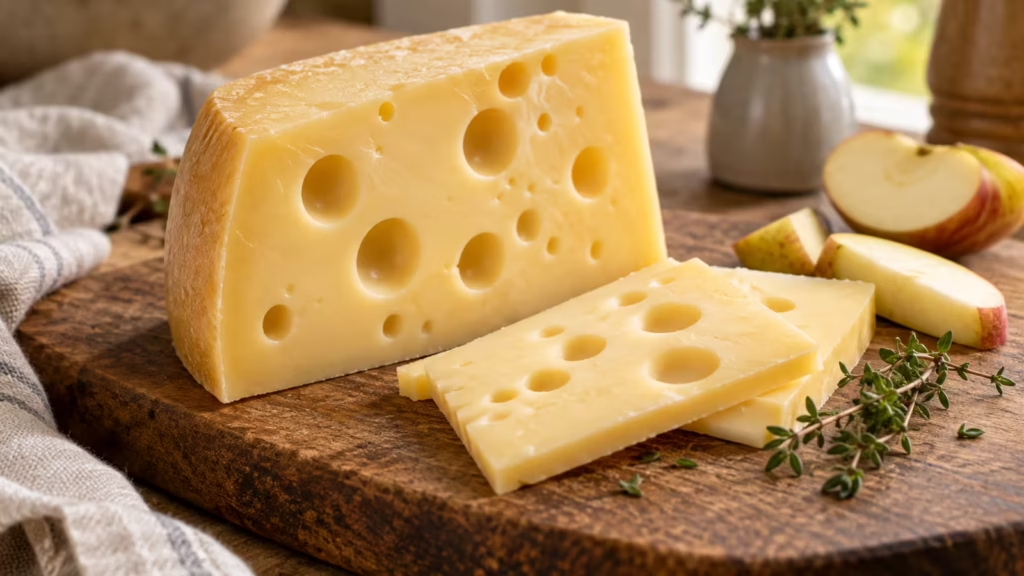
A thin slice of Swiss cheese looks cheerful before it even reaches the sandwich—the pale ivory surface, the round “eyes,” the faint smell of toasted nuts. In the United States, Swiss cheese is a regulated style of firm, ripened cheese made with lactic acid-producing and propionic acid-producing cultures. Those cultures help create its sweet, nutty flavor and the carbon dioxide behind its famous openings. The holes are not a quality score, though, and “Swiss” on a package can cover everything from gentle Baby Swiss to a deeper, more aromatic Emmental-style wheel.
Swiss cheese is a lesson in patient fermentation: milk, cultures, warmth, and time turn gas bubbles into those familiar eyes.
What Swiss cheese is—and why it has holes
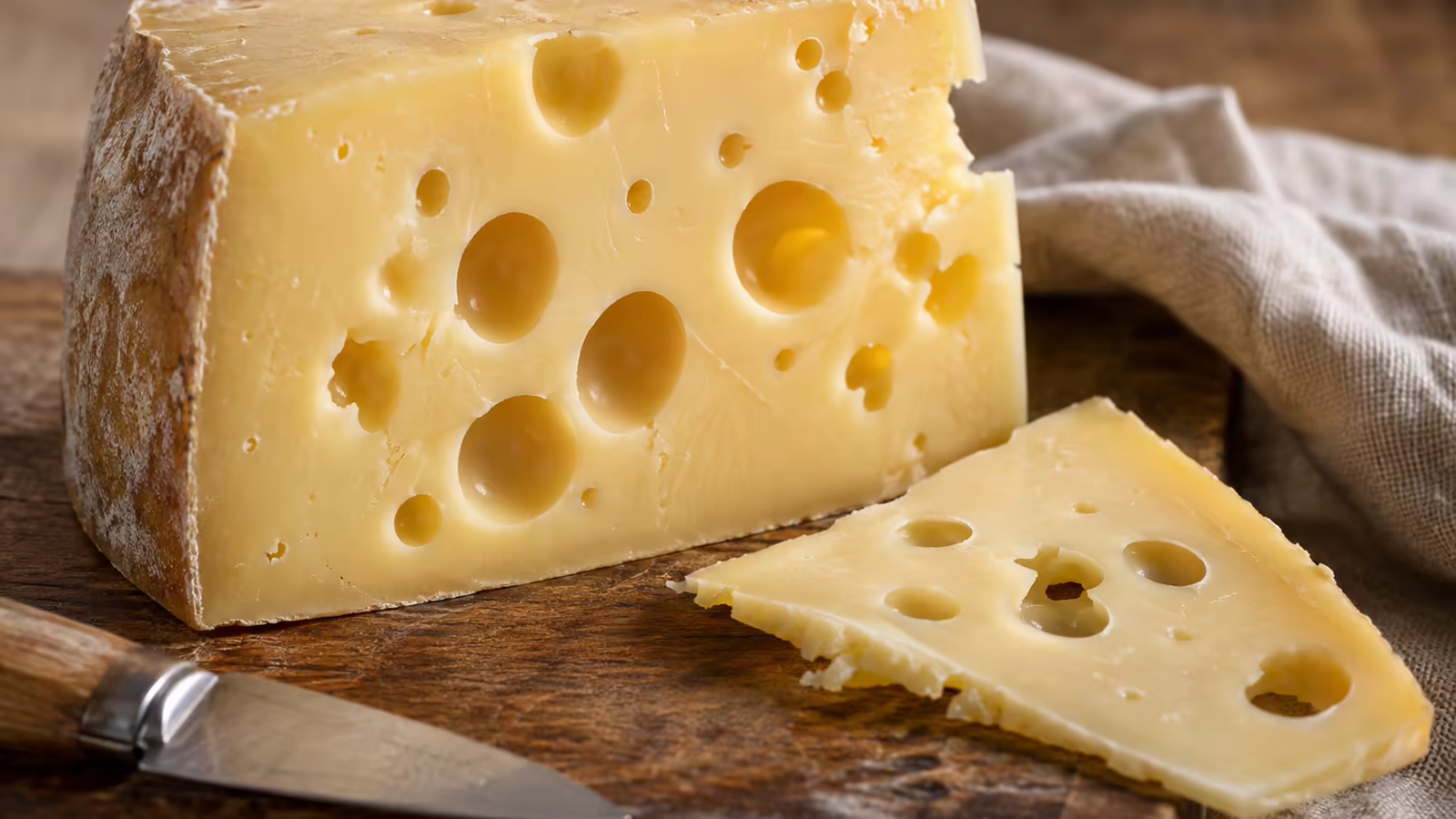
The U.S. standard treats Swiss and emmentaler cheese as the same named style. It specifies a maximum moisture level, a minimum milkfat proportion in the solids, the use of dairy ingredients and cultures, and at least 60 days of age. During production, the curd is cut small, warmed, pressed, brined, held warm enough for eye development, then moved to cooler storage for further ripening. Those steps explain why a real block feels springy and slices cleanly rather than crumbling like feta.
The eye story begins when propionic acid bacteria metabolize compounds left by earlier fermentation and release carbon dioxide. The gas gathers at tiny weak points inside the elastic cheese and opens pockets as the wheel ripens. Temperature, moisture, acidity, curd handling, culture activity, and the places where bubbles begin all influence the number and size of the eyes. A slice with small or uneven openings is not automatically inferior; flavor and texture tell you more.
| Style | What to expect | Good use |
|---|---|---|
| U.S. Swiss cheese | Pale, firm, nutty-sweet, with eyes; flavor ranges from mild to assertive by maker and age. | Sandwiches, omelets, gratins, burgers, and snacking. |
| Emmentaler or Emmental-style | Often larger wheels, fuller aroma, and a deeper sweet-nutty finish. | Fondue blends, boards, baked dishes, and eating at room temperature. |
| Baby Swiss | Usually softer, milder, and creamier, often with smaller eyes. | Cold sandwiches, quick melting, and gentle snack plates. |
| Reduced-fat Swiss | Less fat changes body and melting; brands vary widely. | Everyday sandwiches when its flavor and texture work for you. |
In Switzerland, named cheeses such as Emmentaler AOP have their own geographic and production rules. In an American supermarket, “Swiss cheese” usually describes the style rather than guaranteeing Swiss origin. Baby Swiss is an American variation, not a younger slice cut from the same regulated wheel. Read the country, maker, age statement, milk treatment, and ingredient list when those details matter to you.
Nutrition, lactose, and the “healthy cheese” question
Swiss cheese supplies complete protein, calcium, phosphorus, vitamin B12, and other nutrients found in dairy. It also contains saturated fat and sodium, with amounts that change by brand, age, and reduced-fat formulation. Swiss is often lower in sodium than some common cheeses, but “often” is not a nutrition label. Compare equal weights on the Nutrition Facts panel, especially if sodium or saturated fat is a priority.
A one-ounce portion is a practical reference—roughly one modest slice or a small pair of cubes—but there is no moral magic in weighing cheese. Pairing a flavorful amount with fruit, vegetables, whole-grain bread, or beans can make the plate feel abundant. MyPlate counts 1½ ounces of hard cheese, including Swiss, as one cup-equivalent from the Dairy Group and notes that dairy can contribute calcium and protein. That does not make cheese the only route to those nutrients.
- Milk allergy: Swiss cheese contains milk protein and is not safe for someone with a milk allergy.
- Lactose intolerance: aged hard cheeses tend to be low in lactose, but tolerance and products vary; “low” is not the same as certified lactose-free.
- Vitamin D: cheese is not reliably fortified the way many U.S. milks are, so check the label rather than assuming.
- Reduced-fat versions: can lower fat but may change sodium, texture, and melting; compare the whole panel.
Calling one cheese “healthy” or “unhealthy” flattens the useful question: how much, how often, what else is on the plate, and what does your health situation require? Swiss can be a satisfying protein-and-calcium food. It can also contribute a meaningful amount of saturated fat. Both statements can be true without turning lunch into a courtroom.
How to buy, store, and melt Swiss cheese
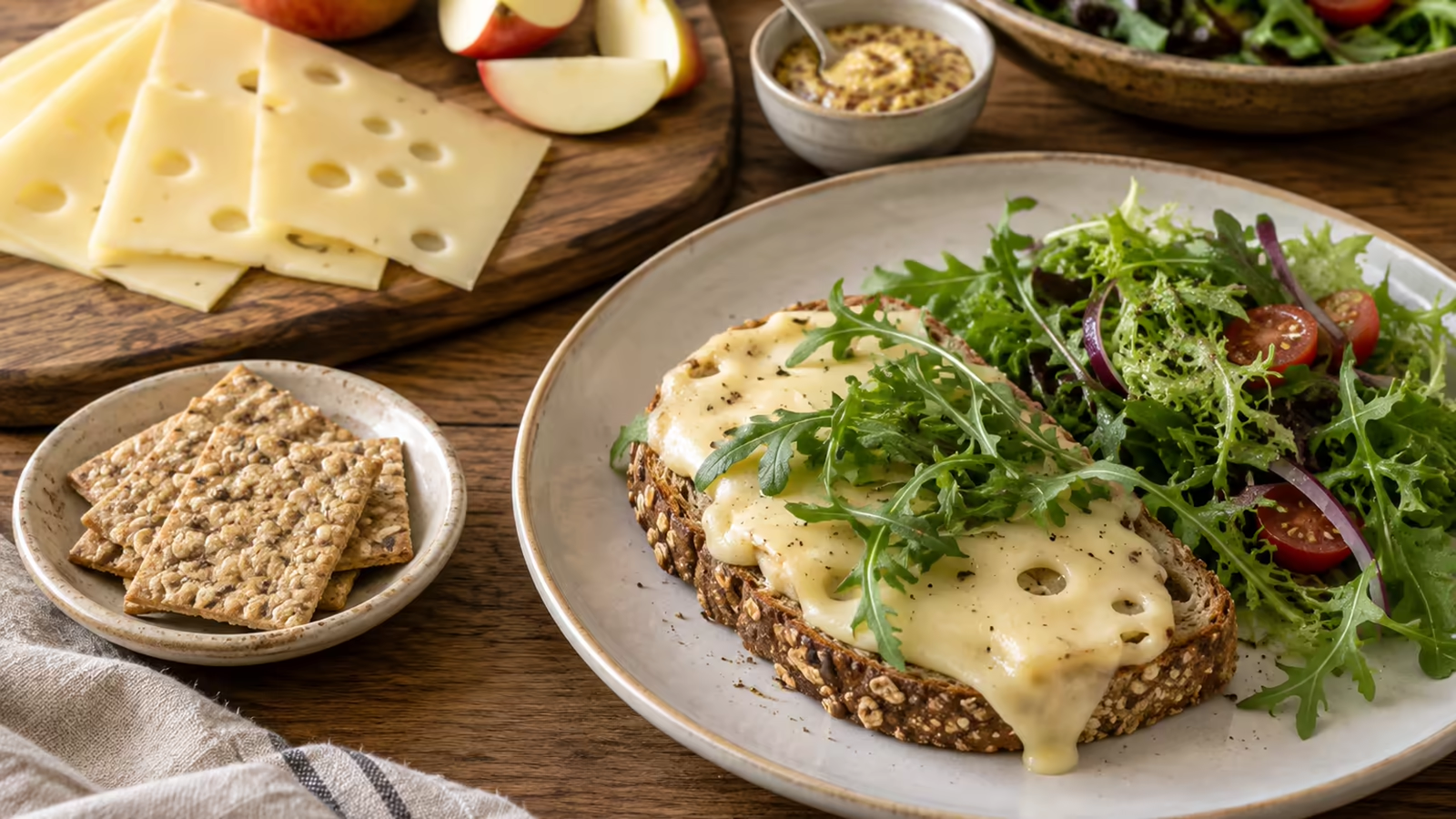
For a mild sandwich, choose a younger, supple block with a clean sweet aroma. For a cheese board or fondue-style dish, look for a longer-aged Emmental-style cheese with more savory depth. Pre-sliced packages are convenient; a block usually holds moisture and aroma better after opening. The eyes do not need to be huge, and a darker yellow color does not prove richer flavor.
Swiss melts smoothly but can become oily or tough under fierce heat. Grate or thinly slice it, warm it gradually, and give steam somewhere to escape. It loves mustard, onions, mushrooms, eggs, potatoes, chicken, ham, apples, pears, rye, and sturdy greens. For a gentler comparison, our feta cheese guide shows how a brined, crumbly cheese behaves almost opposite to Swiss.
Refrigerate cheese promptly and keep it well wrapped so it does not dry out or perfume every apple in the drawer. Parchment or cheese paper inside a loose protective bag works well for a block; reseal factory packaging if it closes cleanly. Use FoodKeeper guidance and the package date as quality tools. If sliced, shredded, or soft cheese develops mold, discard it rather than trimming casually; advice for a large hard block is different and should follow USDA food-safety guidance.
Easy ways to make its flavor count
Because Swiss cheese is both sweet and savory, a little can season an entire dish. Melt it over mushroom toast, fold it into an omelet, layer it in a turkey-and-apple sandwich, or stir a small handful into hot potatoes. On a snack plate, its nutty edge is especially good with crisp fruit and something sharp—mustard, pickles, or radishes.
- Cold: thin slices with apple, pear, rye crackers, and mustard.
- Warm: grated into eggs, gratins, baked vegetables, or a toasted sandwich.
- Fondue-style: combine with another good melting cheese and use a tested recipe for a stable emulsion.
- Salad: small cubes with bitter greens, lentils, and a bright vinaigrette.
- Leftovers: freeze only for later cooking; thawed cheese may crumble or lose its smooth texture.
Let a cold block sit out briefly before eating so the aroma opens; return the rest to the refrigerator rather than leaving it through the afternoon. The final choice is wonderfully ordinary: pick the strength you enjoy, use enough to taste it, and let the cultures and aging do what Swiss cheese does best—bring a round, nutty finish to simple food.
Sources
- eCFR: 21 CFR § 133.195—Swiss and Emmentaler Cheese
- USDA FoodData Central
- USDA MyPlate: Dairy Group
- FoodSafety.gov: FoodKeeper App

Hi, I’m Laura, the voice behind Tastiva. I’ve always believed that eating well should feel enjoyable, comforting, and realistic—not like another complicated rule to follow. I love creating recipes that fit into everyday life, sharing simple nutrition ideas, and finding small ways to make meals feel a little better without losing the pleasure of good food.