
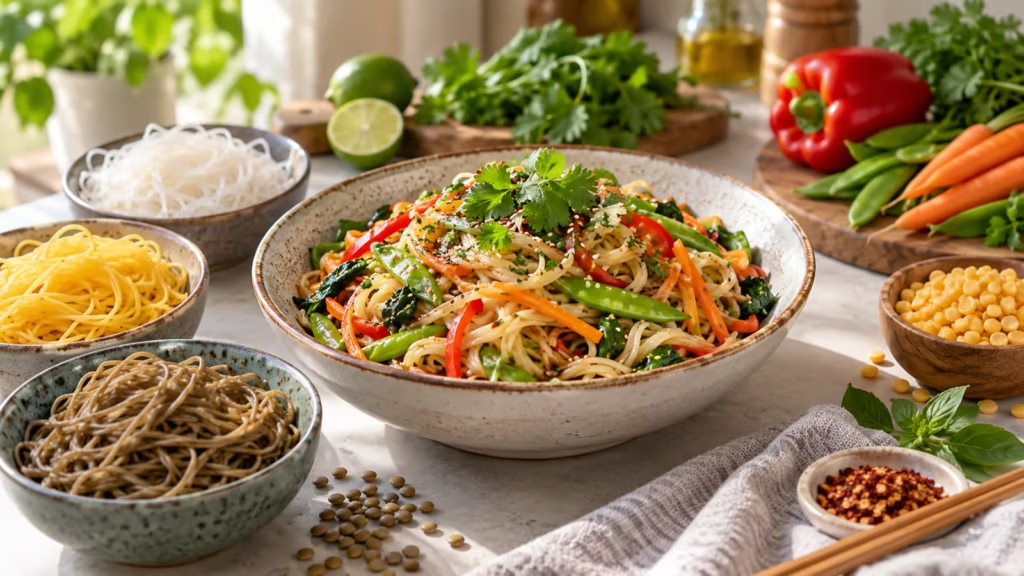
A pot of pasta should not feel like a trust exercise. Yet gluten free noodles can go from stubborn to perfect to porridge in the time it takes to find the colander. The good news is that there is no single gluten-free noodle anymore: rice, corn, chickpea, lentil, buckwheat, mung bean, and sweet-potato starch each bring a different texture. Choose the base for the meal, verify the label for your medical needs, and treat the package time as a checkpoint—not a dare.
The best gluten-free noodle is not one universal winner; it is the one whose texture, label, and nutrition fit tonight’s bowl.
Match the noodle base to the dish
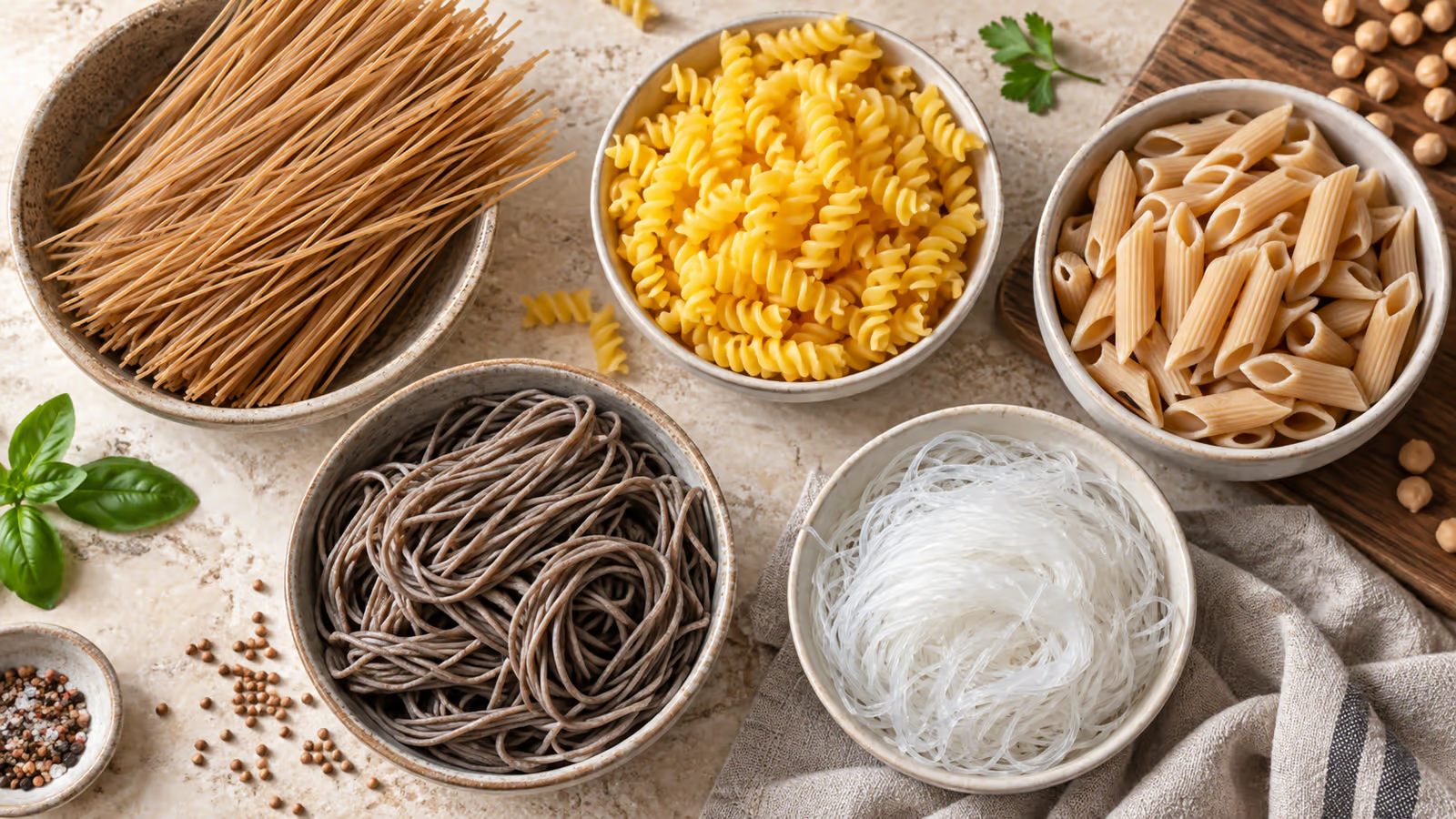
Brown-rice and corn-rice blends behave most like familiar Italian pasta. Chickpea and lentil noodles are heartier and hold thick sauces well, though their earthy flavor is noticeable. Thin rice noodles shine in stir-fries and soups; glass noodles are springy in salads and broths. One hundred percent buckwheat soba can be gluten-free, but many soba packages blend buckwheat with ordinary wheat, so the word soba is not enough.
| Noodle base | Texture and best use | Nutrition note |
|---|---|---|
| Brown rice | Mild and familiar; useful with tomato, pesto, or stir-fry sauces | Often similar to regular pasta in carbohydrate; fiber varies. |
| Corn or corn-rice blend | Firm, pasta-like bite; versatile for family meals | Read the label for fiber and enrichment. |
| Chickpea or lentil | Nutty and sturdy; good with bold sauces | Often higher in protein and fiber, but portions still matter. |
| 100% buckwheat | Earthy soba-style noodle; lovely hot or chilled | Many soba products also contain wheat, so verify the label. |
| Glass noodles | Slippery and light; suited to soups and salads | May be made from mung bean, sweet potato, or starch blends. |
Shape matters too. A sturdy penne or spiral gives a fragile formula more structure than a long strand, while a wide rice noodle is designed for a very different cooking method from spaghetti. If you are new to a brand, pair it with a forgiving sauce and serve it promptly. A noodle that is lovely at minute nine may be softer after twenty minutes in hot soup.
For children or cautious eaters, start with a mild corn-rice blend. For more protein and fiber, try a legume pasta in a sauce that can meet its stronger flavor. For an Asian-style dish, choose the noodle traditionally suited to it rather than forcing gluten-free spaghetti to do every job.
Read “gluten-free” as safety information, not decoration
Wheat—including durum, semolina, spelt, and many wheat varieties—contains gluten, as do barley, rye, and triticale. In the United States, a packaged food that voluntarily claims “gluten-free,” “no gluten,” “free of gluten,” or “without gluten” must meet the FDA standard of less than 20 parts per million and comply with ingredient rules. The agency does not endorse one particular certification logo.
Naturally gluten-free ingredients can still meet wheat during milling, manufacturing, storage, or cooking. If you have celiac disease, check the label on every package and ask about shared pasta water, strainers, pots, woks, utensils, and prep surfaces away from home. A plain rice noodle can stop being safe when it is boiled in wheat-pasta water or tossed with regular soy sauce.
- Check the front: look for a clear gluten-free claim when strict avoidance is required.
- Check the ingredients: watch for wheat, barley, rye, malt, and wheat-based seasoning packets.
- Check the sauce: ordinary soy sauce commonly contains wheat; use a labeled alternative.
- Check the kitchen: shared water, colanders, utensils, and fryers can create cross-contact.
Gluten-free does not tell you the whole nutrition story
A gluten-free label answers a specific protein question; it does not automatically mean higher fiber, more protein, fewer carbohydrates, or a better ingredient list. White-rice noodles may be low in fiber. Chickpea or lentil pasta often supplies more protein and fiber. Some corn-rice products are enriched with iron and B vitamins, while others are not. Compare equal dry serving sizes rather than judging by the ingredient’s wellness reputation.
Build the bowl, not just the noodle. Add vegetables, a protein source, and a sauce with enough flavor and fat to make the meal satisfying. If the pasta is lower in fiber, beans, peas, broccoli, greens, or seeds can help. If it is legume-based and already filling, a lighter vegetable sauce may balance it beautifully.
People without celiac disease, non-celiac gluten sensitivity, or another clinical reason do not automatically gain health benefits by avoiding gluten. A poorly planned gluten-free diet can be low in fiber, iron, calcium, and some B vitamins. If celiac disease is possible, speak with a clinician before removing gluten because testing may become less accurate after restriction. Our gluten-free bread guide explains the same label-and-nutrition distinction.
Cook for texture, then protect the leftovers
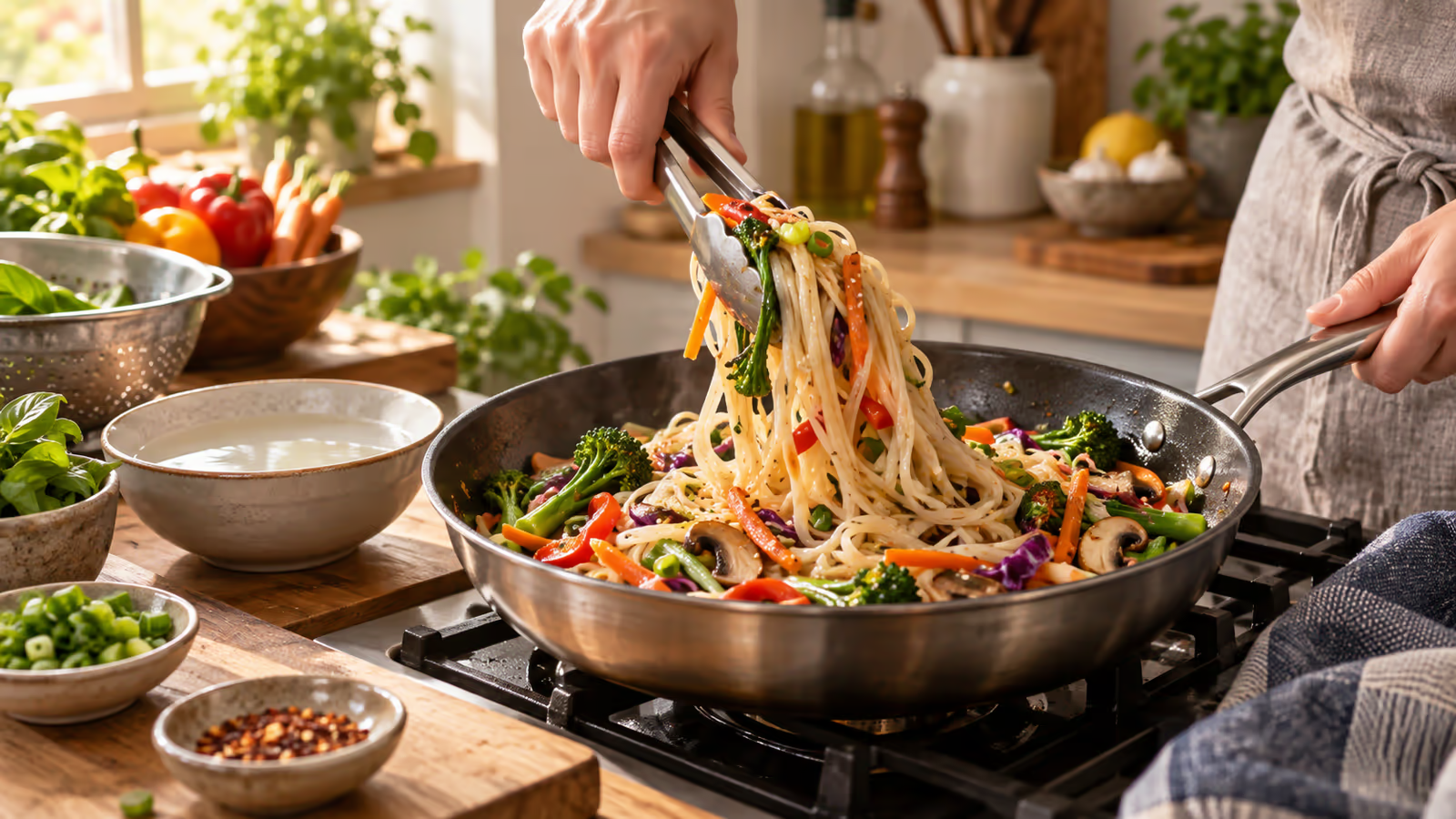
Use plenty of water for Italian-style pasta, stir soon after adding it, and begin tasting two or three minutes before the package’s maximum time. Drain when the center is just tender. Do not wander away: gluten-free pasta often has a narrower ideal window. Reserve a little cooking water first; its starch can help the sauce cling, although it may thicken differently from wheat-pasta water.
Rinsing depends on the dish. Do not automatically rinse hot pasta headed into a warm sauce, because surface starch helps the two meet. Rinse rice or glass noodles when the package or recipe calls for it, especially for a chilled salad or to stop carryover cooking. Toss promptly with sauce or a small amount of oil so the strands do not form one determined brick.
Refrigerate leftovers within two hours in a shallow container and use them within a few days. Reheat with a spoonful of water or sauce and stop once hot; repeated heating encourages breakage. The bigger lesson is wonderfully simple: buy the noodle for the meal, read the label for your body, and taste the pot earlier than you think.
Sources
- NIDDK: Eating, Diet, and Nutrition for Celiac Disease
- U.S. Food and Drug Administration: Gluten and Food Labeling
- U.S. Food and Drug Administration: “Gluten-Free” Means What It Says
- USDA FoodData Central

Hi, I’m Laura, the voice behind Tastiva. I’ve always believed that eating well should feel enjoyable, comforting, and realistic—not like another complicated rule to follow. I love creating recipes that fit into everyday life, sharing simple nutrition ideas, and finding small ways to make meals feel a little better without losing the pleasure of good food.