
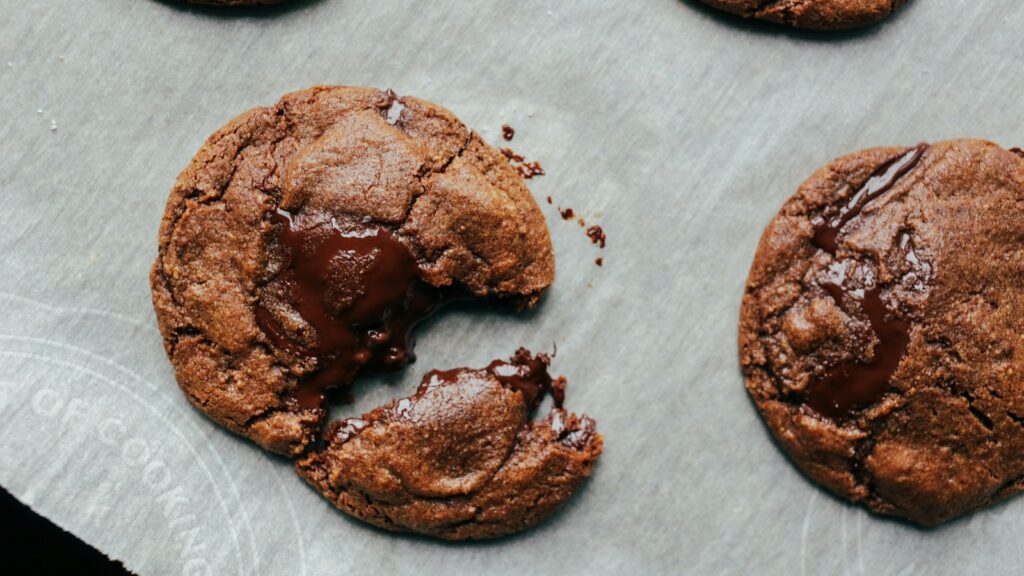
Black cocoa powder is the ingredient behind the dramatic, nearly black look of some sandwich cookies and dark cakes. It is cocoa processed with alkali more intensely than many familiar Dutch-process powders. I would reach for it when color is part of the point, then check the recipe’s leavening before swapping it for another cocoa. The dark color can be striking; it does not mean the powder is automatically sweeter or more chocolatey.
Use black cocoa for its color and particular mellow cocoa profile. Let the recipe tell you how much to use and which leavener belongs with it.
Why black cocoa powder looks so dark
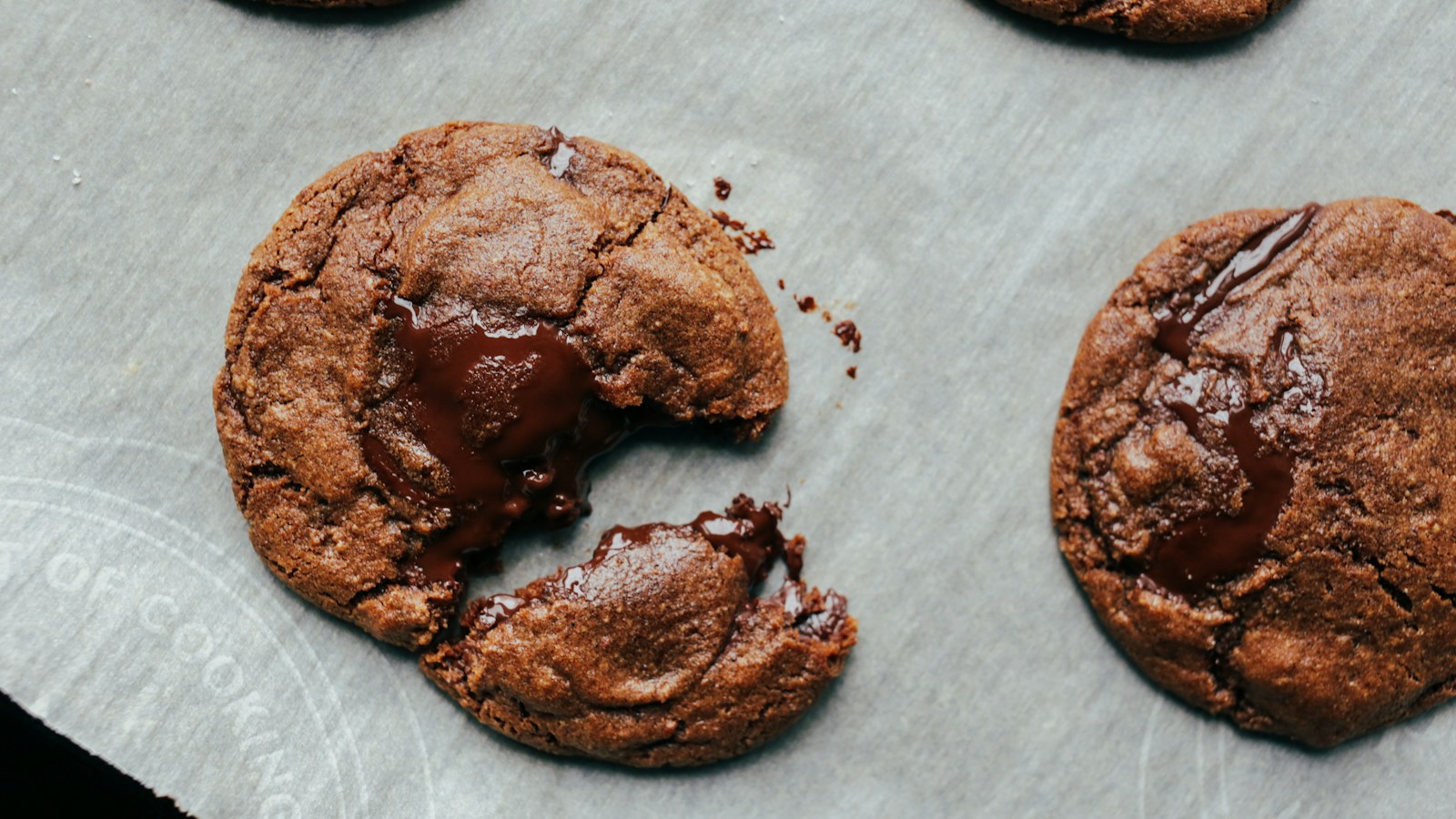
Black cocoa is a heavily alkalized, or ‘ultra-Dutch-process,’ cocoa powder. King Arthur Baking describes its black cocoa as treated with an alkaline solution to reduce acidity. That processing shifts color and flavor as well as the chemistry that matters in a batter. It is still cocoa powder, not a black dye or a sweetened hot-chocolate mix. For a different ingredient chosen partly for color, see our blue spirulina guide.
Ordinary Dutch-process cocoa is also alkalized but usually looks brown to reddish brown. Natural cocoa retains more of its natural acidity. A recipe may be designed around one type, especially when baking soda is doing the lifting. Read the exact ingredient list on the cocoa package: a product called black cocoa may vary in fat content and flavor from another brand.
The nearly black appearance can make a cookie look as though it contains extra dark chocolate, but color is not a reliable measure of sweetness. Unsweetened cocoa needs the recipe’s other ingredients to become dessert. If you want a black-and-white sandwich cookie look, black cocoa gives you a clear visual reason to use it.
How it tastes in cookies and cakes
Black cocoa is often described as smooth and mellow rather than sharply fruity. The deep color can promise a more intense chocolate flavor than the finished bite delivers. King Arthur’s black cocoa product suggests combining it with another cocoa for more chocolate depth. I would taste the baked result before making a larger batch, especially if the cocoa is new to your pantry.
A small amount can deepen the color of a chocolate cookie or frosting. A recipe developed for black cocoa is the easiest starting point: King Arthur’s chocolate wafer recipe uses black cocoa alongside Dutch-process cocoa. That pairing shows how bakers can chase both dramatic color and a fuller cocoa taste without assuming one powder must do all the work.
Black cocoa is not a substitute for melted chocolate, which brings cocoa butter and a different texture. It also is not the same as black food coloring. In a no-bake frosting, flavor may be easier to adjust; in a cake with chemical leavening, a casual swap can change the rise. Start with a tested recipe when the structure matters.
The leavening question before you swap
Baking soda needs acid to react effectively. King Arthur Baking notes that natural cocoa can provide some acidity, while Dutch-process cocoa generally cannot. Since black cocoa is strongly alkalized, replacing natural cocoa in a soda-dependent cake may alter the rise and texture. Follow the recipe’s specified cocoa and leavening when possible.
In a recipe without baking soda or baking powder, King Arthur says natural, Dutch-process, and black cocoa can be used more freely. That does not promise identical flavor or color. Brownies and sauces can be forgiving places to experiment, but make a small batch and note the result. For a carefully balanced layer cake, I would preserve the tested formula.
If a recipe says ‘cocoa powder’ without specifying a type, check its leavener and the author’s notes. If you are unsure, use the type the recipe was tested with or ask its creator. Adding extra soda or acid by guesswork can change taste as well as rise. Black cocoa is fun to explore, but the chemistry deserves a moment.
Buying, storing, and using a small bag
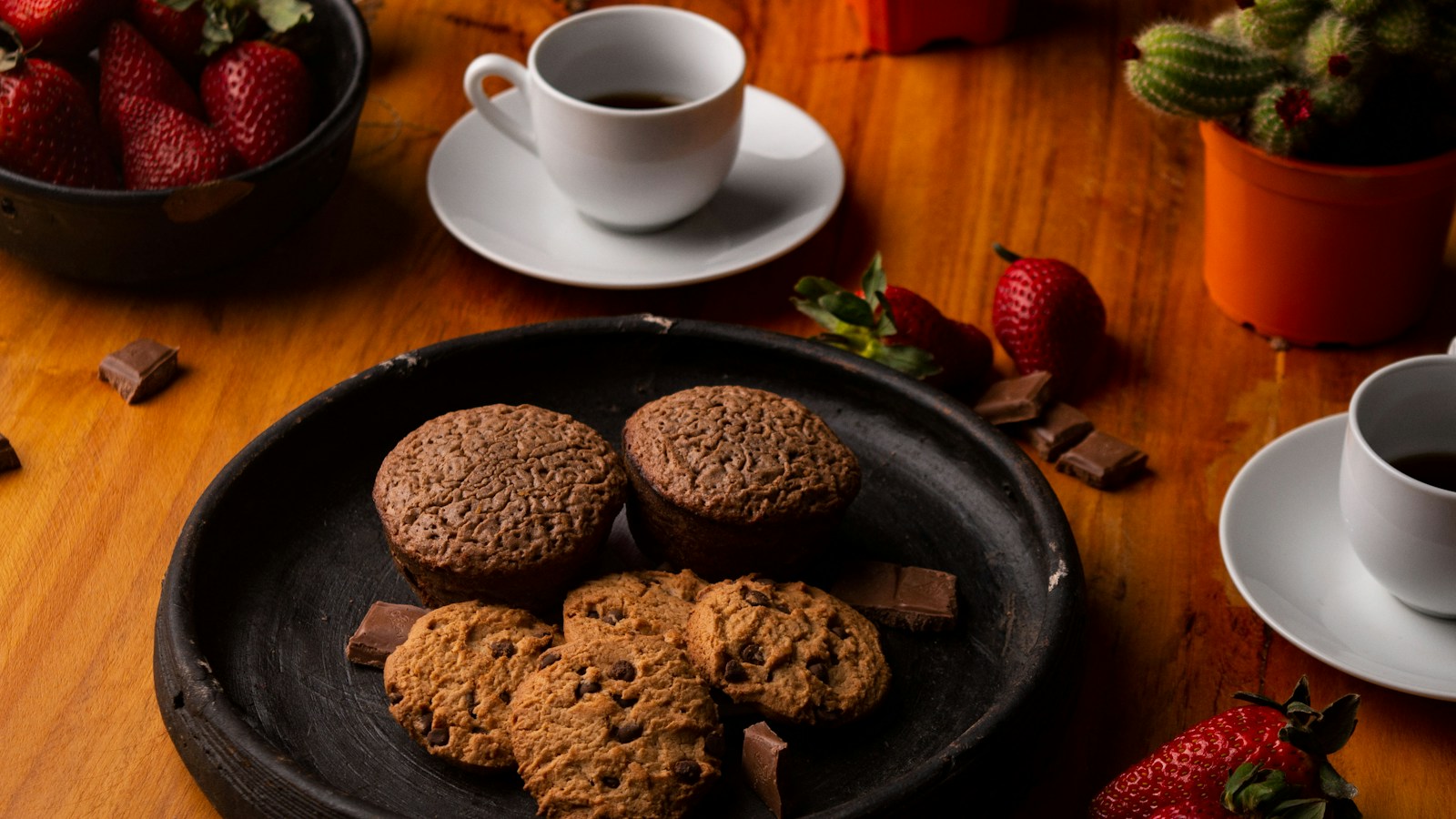
Look for unsweetened black cocoa powder, and check whether the package says processed with alkali. A sweetened drink mix is a different product. If you bake dark cookies only occasionally, a modest bag may be more sensible than a large one. Keep it tightly closed in a cool, dry cupboard, away from strong odors and moisture, following the package date.
Try it first in a tested dark-cookie recipe or use a little alongside your usual Dutch-process cocoa in a formula that allows the swap. Sift clumps so the powder distributes evenly. Its color can mark utensils and pale frosting as you work, so scrape the bowl well. A dark cookie photo illustrates the look, but the pictured cookies are not proof of a particular cocoa brand.
For a drink, whisk a little unsweetened powder into a small amount of warm liquid before adding the rest; this helps break up dry pockets. Sweeten to taste if desired. The result may look much darker than hot cocoa made with ordinary powder, but its flavor will still depend on the milk, sugar, and cocoa proportions. Treat a drink as a separate kitchen experiment from changing a cake recipe, where leavening creates more constraints.
Black cocoa powder is a color and flavor tool rather than a universal upgrade. It can give cookies their almost ink-dark appearance and a mellow cocoa note. Choose it deliberately, respect the leavening in a baked recipe, and keep another cocoa nearby if you want more of the familiar chocolate depth.
Sources
- King Arthur Baking, Black Cocoa Powder
- King Arthur Baking, Types of Cocoa Explained
- King Arthur Baking, Dutch-Process vs. Natural Cocoa
- King Arthur Baking, Chocolate Wafers Recipe

Hi, I’m Laura, the voice behind Tastiva. I’ve always believed that eating well should feel enjoyable, comforting, and realistic—not like another complicated rule to follow. I love creating recipes that fit into everyday life, sharing simple nutrition ideas, and finding small ways to make meals feel a little better without losing the pleasure of good food.