
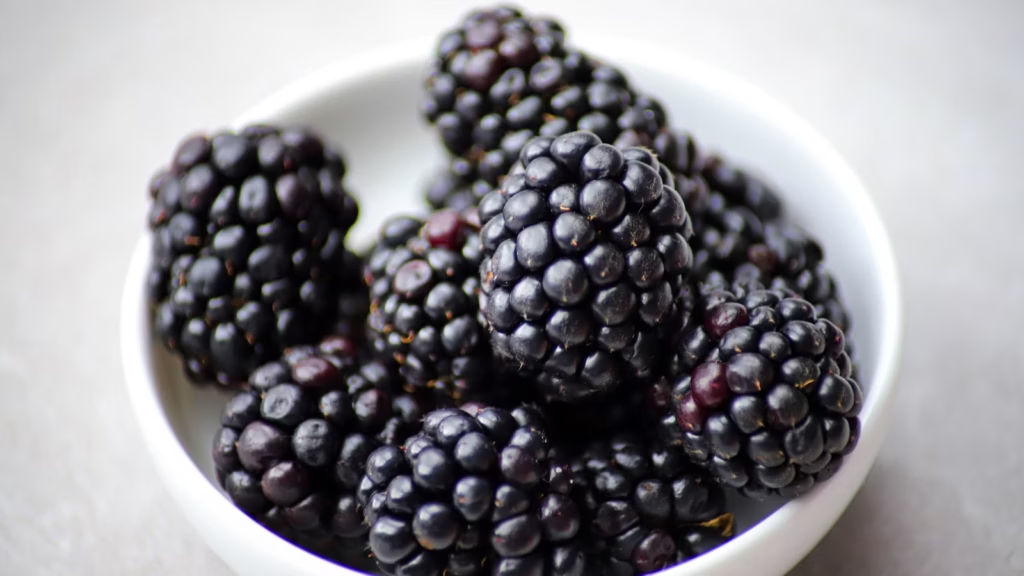
A berry can look almost black in the carton and still surprise you with a wine-red center. A boysenberry sits in that delicious in-between space: dark and jammy like a blackberry, with a brighter sweet-tart note that hints at raspberry.
Think of boysenberry as a soft, aromatic cane berry—not simply a larger blackberry with a different name.
Table of Contents
What is a boysenberry?
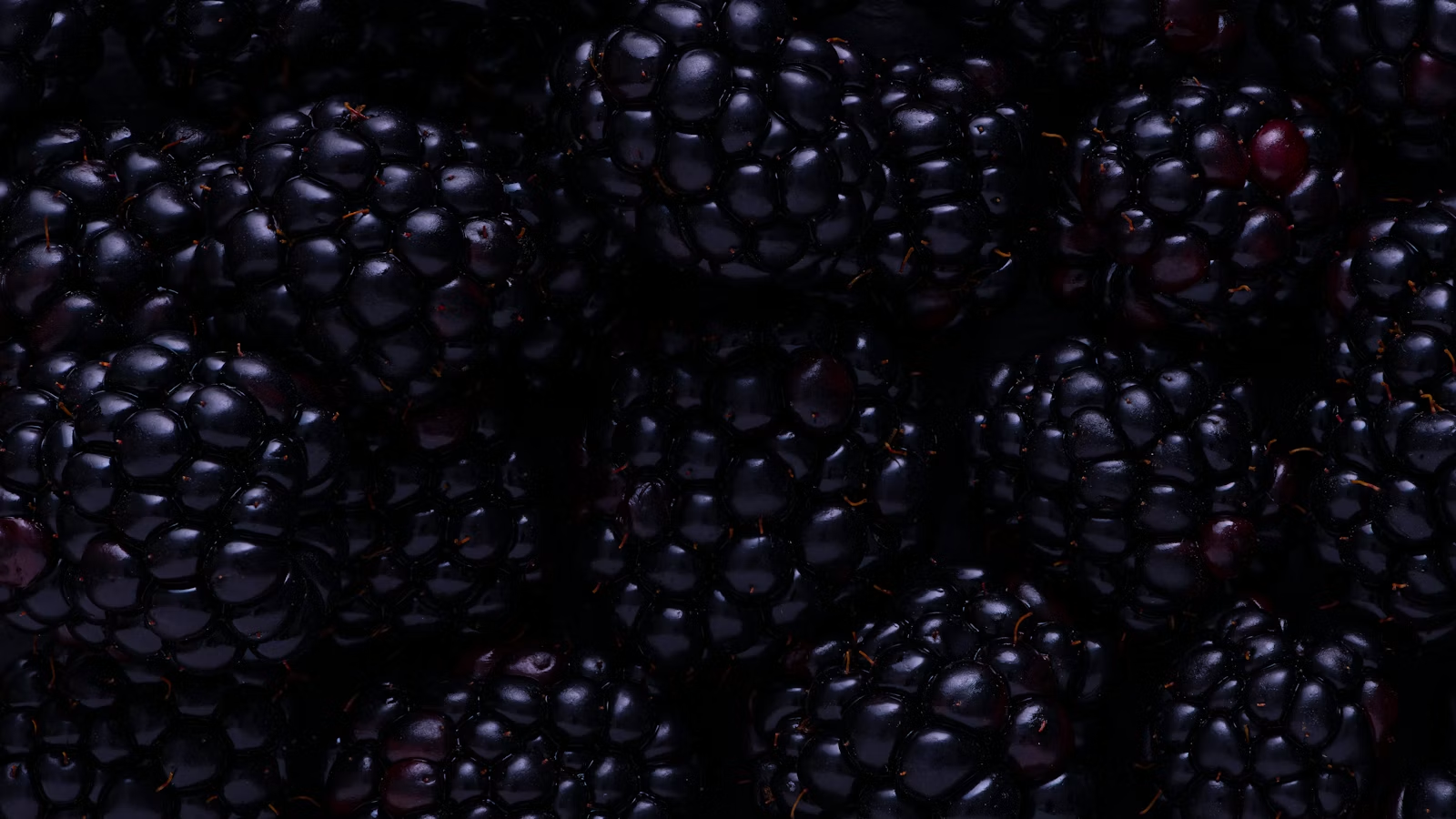
Boysenberry is the common name for the fruit of the ‘Boysen’ caneberry. Oregon State University Extension classifies it among raspberry-blackberry hybrids and, horticulturally, with trailing blackberries. The berries are usually large, soft, and reddish-purple to nearly black when fully ripe.
That hybrid background explains why descriptions vary. You may see boysenberry called a blackberry hybrid, a raspberry-blackberry cross, or a more complicated caneberry. For the kitchen, the useful point is simpler: it is delicate, juicy, highly aromatic, and generally more tart than a very ripe cultivated blackberry.
The fruit’s exact ancestry is often simplified in popular descriptions. Extension references are more careful, identifying ‘Boysen’ as a raspberry-blackberry hybrid within the trailing-blackberry group. That wording keeps the useful botanical distinction without turning a snack into a family-tree exam.
Boysenberry flavor versus blackberry and raspberry
Blackberries often bring a deeper, earthier sweetness, while red raspberries have a brighter perfume and more obvious acidity. Boysenberry leans toward both: dark berry richness first, then a tangy finish. The exact balance depends on ripeness, cultivar, and whether the fruit is fresh or frozen.
- Boysenberry: soft, wine-colored, aromatic, sweet-tart.
- Blackberry: firmer on average, deep and sometimes earthy.
- Raspberry: lighter-bodied, floral, and distinctly bright.
I would choose boysenberries when you want berry flavor to stay noticeable beside dairy, chocolate, or pastry. Their tartness gives a compote or sauce a little backbone instead of disappearing into sugar.
How to buy, store, and freeze boysenberries
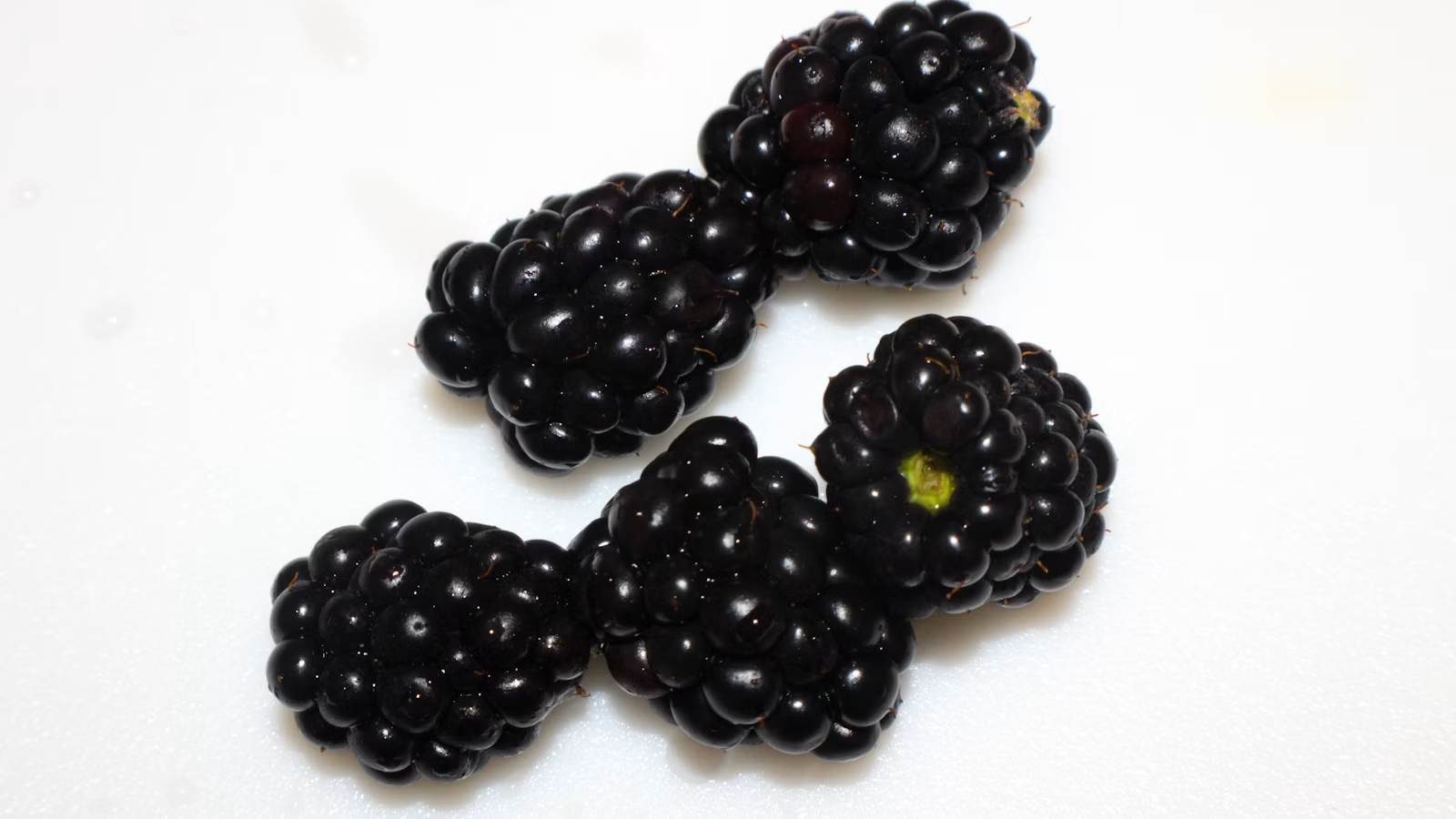
Fresh boysenberries have a short season and bruise easily, so frozen fruit is often the practical choice. Look for plump berries with an even deep color and no wet, collapsed patches. A little variation in shade is normal; leaking juice and fuzzy growth are not.
Refrigerate fresh berries promptly and wash them only just before eating. For longer storage, freeze clean dry berries in a single layer, then transfer them to a sealed container. Frozen berries soften when thawed, which matters for a fruit bowl but not for sauces, smoothies, or baking.
- Use fresh berries quickly and handle them gently.
- Keep frozen berries sealed to limit ice crystals and odor pickup.
- For a neater bake, add frozen berries without thawing unless the recipe says otherwise.
For freezing, choose berries at good eating ripeness rather than trying to preserve fruit that is already leaking or collapsing. Spread them with space between each berry so they freeze individually; that makes it easier to measure only what you need for a later recipe.
Practical ways to use boysenberries
Boysenberries work anywhere their soft texture and acidity are welcome: spooned over plain yogurt, folded into oatmeal, simmered into compote, or baked into cobblers and muffins. Their seeds are noticeable, so strain a cooked sauce if you want a smoother finish for cheesecake or drinks.
Start with less added sugar than you think you need, then taste after the berries release their juice. Heat changes the balance, and a batch that tastes sharply tart when raw may become rounder once cooked. Lemon can brighten a flat batch, but it is not automatically necessary.
A simple compote is especially forgiving: warm the berries until they release juice, then sweeten to taste and stop while some pieces remain. Spoon it over pancakes, chia pudding, or a plain cake. The color is dramatic, so a little goes a surprisingly long way. If the cooked fruit tastes one-note, add a pinch of salt before reaching for more sugar; it can sharpen the berry character without making the sauce taste salty.
Sources
These references support the ingredient, preparation, and food-safety details in this article.
- Oregon State University Extension: Blackberry Cultivars for Oregon
- Oregon State University Extension: Growing Blackberries
- USDA FoodData Central: Frozen Unsweetened Boysenberries

Hi, I’m Laura, the voice behind Tastiva. I’ve always believed that eating well should feel enjoyable, comforting, and realistic—not like another complicated rule to follow. I love creating recipes that fit into everyday life, sharing simple nutrition ideas, and finding small ways to make meals feel a little better without losing the pleasure of good food.