
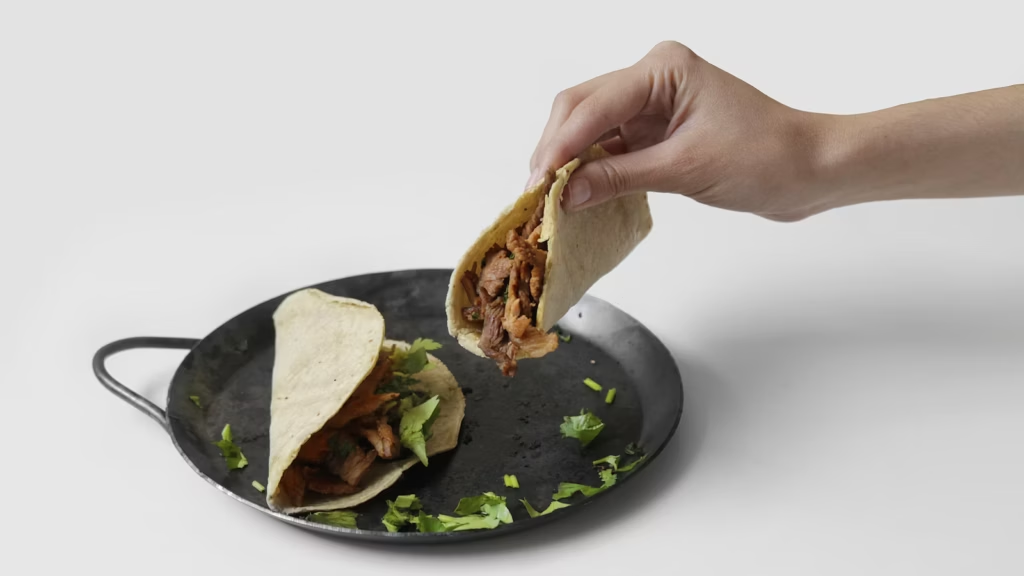
A tray labeled carne picada can look like tiny steak pieces in one store and coarse mince in another. The Spanish words mean chopped or minced meat; they do not guarantee one cut, fat level, seasoning, or cooking method. The package label matters more than the name alone.
Treat carne picada as a preparation style, then check the cut and grind before choosing the pan or cooking time.
Table of Contents
What is carne picada?
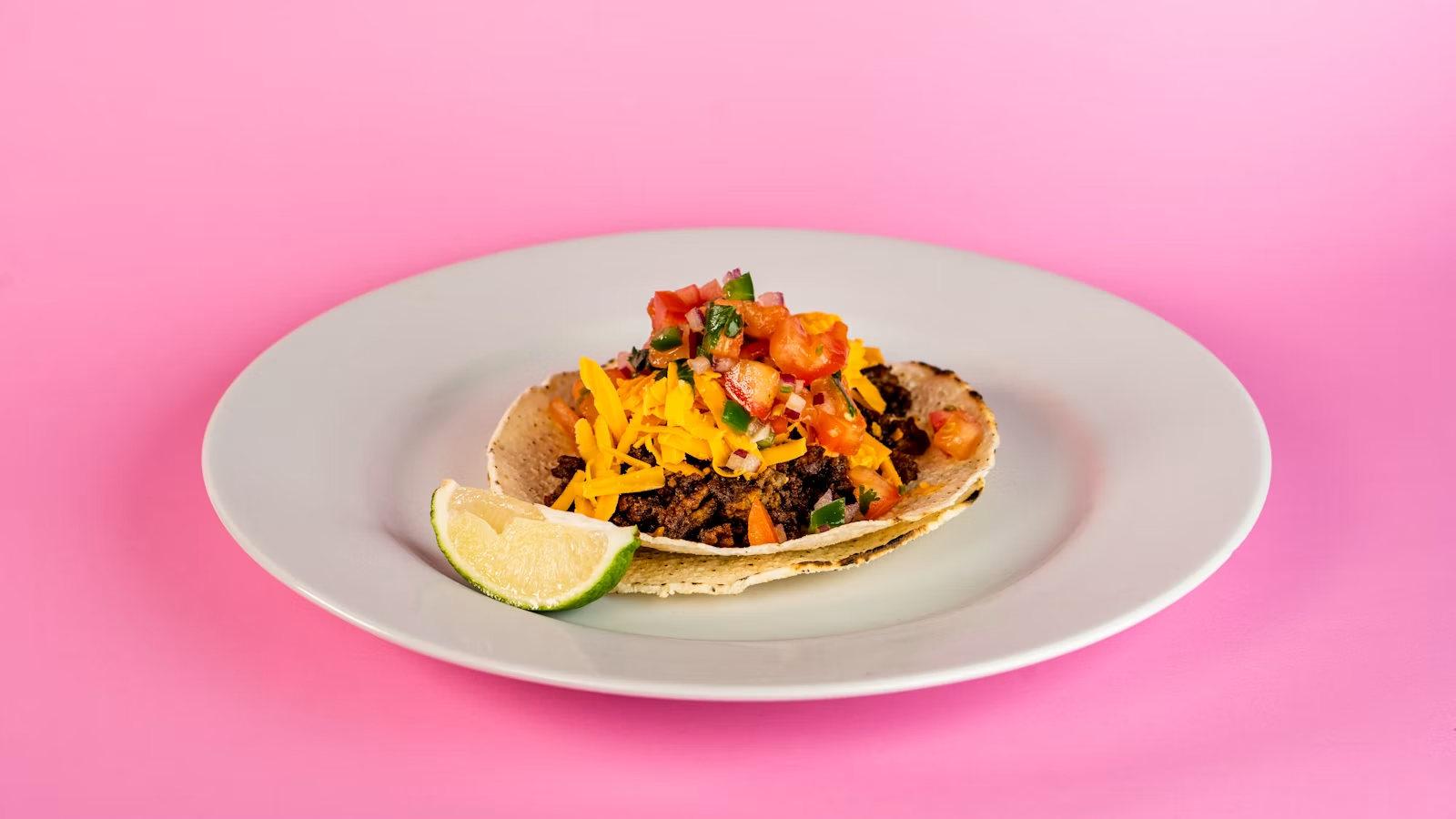
In Spanish, carne picada broadly means chopped or minced meat. In U.S. meat cases, the label often refers to beef cut into very small pieces for quick cooking, but some products resemble coarse ground beef. Regional grocery habits and butcher practices create real variation.
That is why two recipes using the same term can look unrelated. One may sear small beef pieces for tacos; another may simmer coarsely minced meat with tomato and spices. Neither label alone tells you whether the beef came from chuck, round, skirt, or trimmings.
Look for the primal cut, percentage lean, mechanical-tenderization note, and any added seasoning or solution. USDA recommends that fresh beef packages identify the primal cut where applicable. When details are missing, ask the butcher rather than building a cooking plan around a guess.
Carne picada versus ground beef and carne asada
Ground beef is processed through a grinder and has regulated labeling expectations around fat and added ingredients. Carne picada may be ground, but it is often visibly chopped into irregular pieces. Those pieces brown and chew more like tiny steak bites than a burger crumble.
Carne asada describes a preparation centered on grilled or seared beef, usually in thin steaks or larger pieces that are sliced after cooking. Carne picada describes the meat’s chopped form. You can season chopped beef with flavors associated with carne asada, but the two terms still answer different questions.
- Carne picada: chopped or minced form; cut varies.
- Ground beef: uniformly ground product with a stated lean-to-fat ratio.
- Carne asada: a grilled beef preparation, often sliced after cooking.
The visual difference matters in the pan. Irregular chopped pieces have flat surfaces that can sear, while coarse mince breaks into smaller granules and releases fat differently. Choose a wide spatula for chopped beef and a firm spoon for breaking up a ground-style product.
How to cook carne picada without steaming it
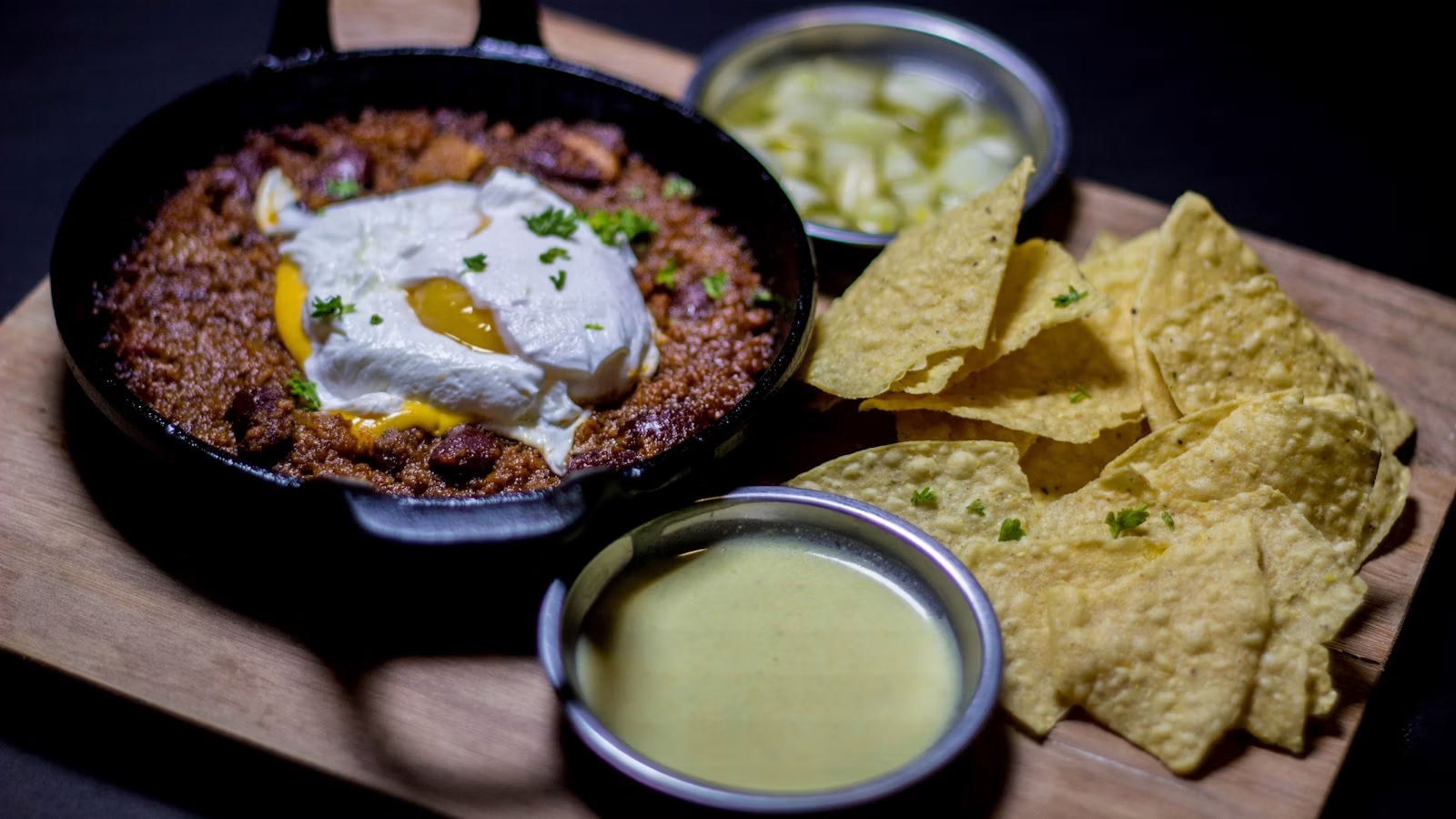
Small pieces release moisture quickly. Pat unseasoned beef dry, heat a wide skillet until properly hot, and cook in batches with space between pieces. Crowding traps steam and turns the meat gray before browning can develop. Salt just before cooking unless a tested marinade directs otherwise.
For tender cuts, use high heat and a short cook. Tougher chuck or round can benefit from a quick sear followed by a covered simmer with a small amount of liquid. The label determines which path makes sense; “tiny pieces” does not automatically mean “tender pieces.”
- Preheat the pan before adding oil and beef.
- Brown in two or three batches.
- Return aromatics and sauce only after the meat has color.
- Use cooked beef in tacos, rice bowls, eggs, or a vegetable-rich skillet.
I would taste the finished meat before adding a salty topping. Seasoned packages, bouillon, cheese, and bottled salsa can stack sodium faster than the skillet suggests.
Safe handling, doneness, and storage
Keep raw beef cold, prevent its juices from contacting ready-to-eat food, and wash hands and tools after handling. Tastiva’s cross-contamination guide is a practical refresher for a crowded prep area.
Cooking guidance depends on what the package actually contains. Whole-muscle beef pieces have different USDA minimums than ground or minced beef; ground beef should reach 160°F (71°C). If the product is unclear, follow the package directions or ask the seller, and use a food thermometer where the piece size allows.
Refrigerate cooked carne picada promptly in a shallow container. Reheat leftovers until steaming hot and discard meat with an off odor, slimy texture, or questionable time-temperature history. Color alone is not a reliable doneness test.
Sources
These references support the preparation, ingredient, nutrition, and food-safety details in this article.
- USDA FSIS: Beef From Farm to Table
- USDA FSIS: Safe Minimum Internal Temperatures
- USDA FSIS: Keep Food Safe

Hi, I’m Laura, the voice behind Tastiva. I’ve always believed that eating well should feel enjoyable, comforting, and realistic—not like another complicated rule to follow. I love creating recipes that fit into everyday life, sharing simple nutrition ideas, and finding small ways to make meals feel a little better without losing the pleasure of good food.