
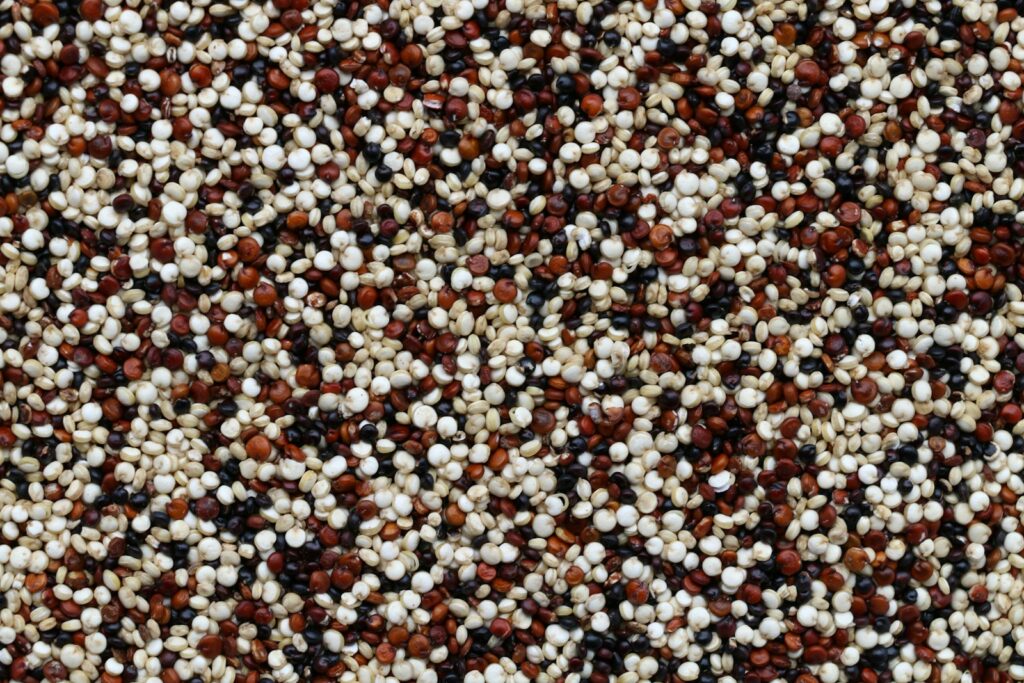
A bag of quinoa can be a useful starting point for a gluten-free lunch, but a “quinoa bowl” on a menu deserves a closer look. Plain quinoa is naturally gluten-free. Added ingredients and cross-contact during processing or cooking can change whether a particular product or finished dish is suitable for someone with celiac disease.
Quinoa itself is gluten-free; the dependable choice comes from checking the package, the additions, and the way the dish is prepared.
Is quinoa gluten-free in every color?
Quinoa is a seed commonly cooked and served like a grain, often described as a pseudocereal. It doesn't naturally contain the gluten proteins found in wheat, barley, or rye. The Celiac Disease Foundation includes quinoa among naturally gluten-free foods, alongside options such as rice, millet, and buckwheat.
White, red, black, and mixed-color quinoa are all naturally gluten-free. Color doesn't create or remove gluten. A multicolored bag may simply contain several quinoa varieties, but a grain blend can also include wheat-based ingredients, so read the composition instead of making a decision from the photograph.
I wouldn't use the word “ancient” as a shortcut here. Some foods sold as ancient grains are wheat and contain gluten. A familiar comparison is millet, another naturally gluten-free option; the relevant distinction is the actual ingredient, not its age or marketing description.
The package tells you more than the front-of-bag name
For packaged quinoa, look for a gluten-free claim, particularly when avoiding gluten for celiac disease. FDA-regulated products making that claim must meet defined requirements, including less than 20 parts per million of gluten. A recognized third-party certification offers another verification program, but its symbol is separate from the FDA's labeling standard.
| Quinoa product | What to check | Why it matters |
|---|---|---|
| A bag of plain quinoa | Gluten-free labeling and ingredient identity | Growing, handling, and packaging can introduce cross-contact |
| A seasoned packet | Seasoning, broth ingredients, sauces, and the finished-product claim | The quinoa may be gluten-free while an addition is not |
| Quinoa pasta | Every flour or starch in the blend | “Made with quinoa” doesn't mean made only with quinoa |
| Quinoa flour or flakes | Labeling and intended use | Processing conditions and mixed ingredients still matter |
| A bulk-bin purchase | Shared scoops and nearby gluten-containing foods | Cross-contact can be difficult to establish or control |
| A prepared quinoa salad | Dressing, toppings, other grains, and utensils | A finished bowl is more than its named base |
The Celiac Disease Foundation advises against buying grains from bulk bins because of possible cross-contact. A sealed, clearly labeled package is a more straightforward choice when you need reliable information. If the label leaves an important question unanswered, contact the manufacturer rather than guessing.
“Wheat-free” doesn't cover barley and rye, and a wheat allergen statement isn't a complete gluten check. Also, gluten-free and suitable for a wheat allergy aren't identical assessments. If you're shopping for a diagnosed allergy, follow the person's specific allergy guidance and review the ingredients accordingly.
Rinsing helps flavor, not gluten removal
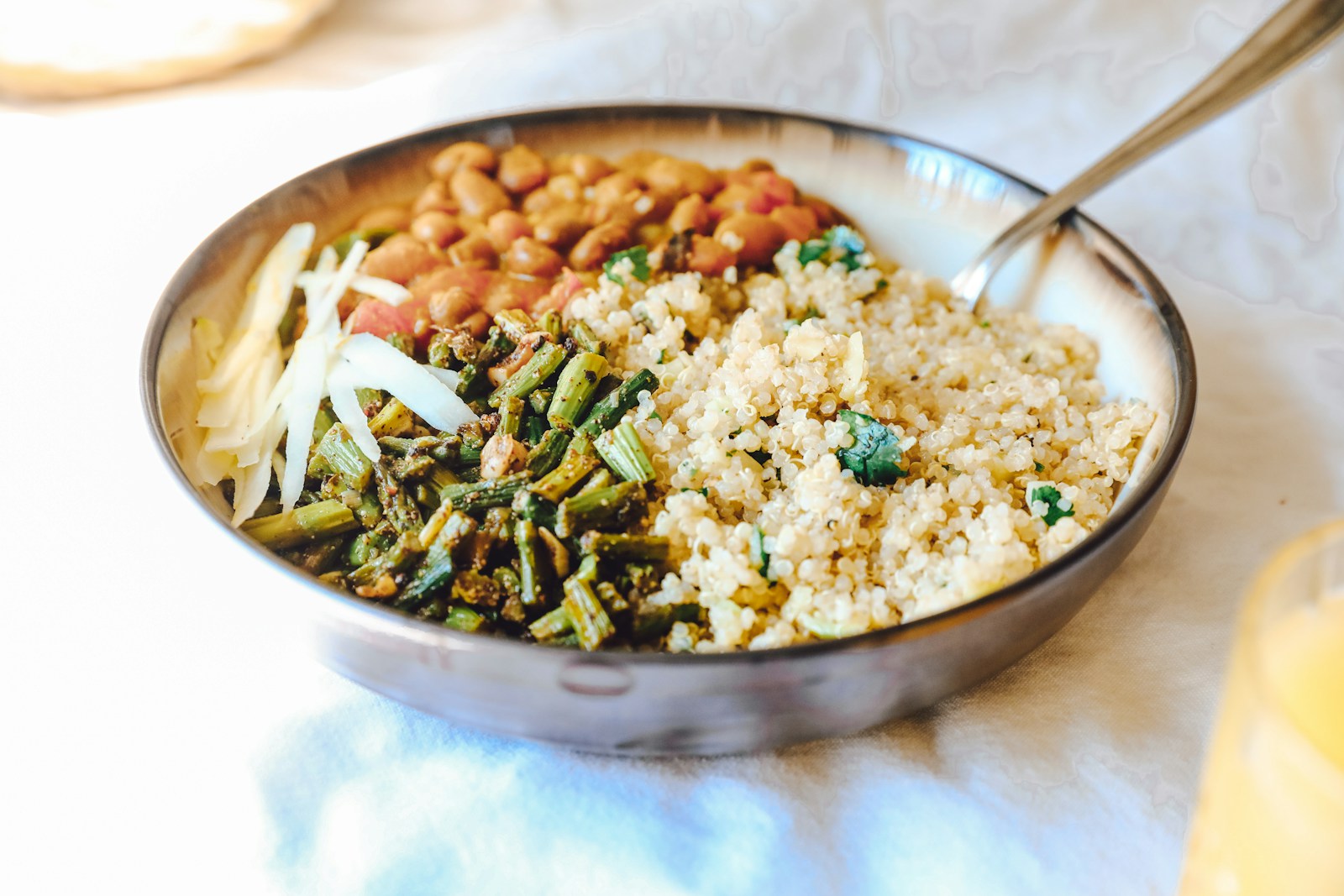
Quinoa can have a naturally bitter surface coating, and some packages call for rinsing before cooking. Others are sold pre-rinsed. Follow the directions for the product in your pantry, using a clean fine-mesh strainer when a rinse is needed. Rinsing isn't a method for making gluten-contaminated quinoa safe.
Cook in a clean pan with water or a verified gluten-free broth. Then consider the additions: an ordinary soy sauce, a wheat-containing dressing, a barley blend, or a shared serving spoon can undo the care taken with the original bag. Our soy sauce and gluten guide explains one especially easy-to-miss ingredient.
- Use the package's water ratio and cooking time; different products and methods can vary.
- Keep the strainer, pan, lid, and serving utensils clean and free of crumbs.
- Choose sauces and seasonings based on their full labels, not their usual reputation.
- Store cooked quinoa separately from gluten-containing additions if serving a mixed household.
- Refrigerate cooked food promptly in shallow containers rather than leaving a large warm pot on the counter.
Make a satisfying bowl, then ask the same questions when eating out
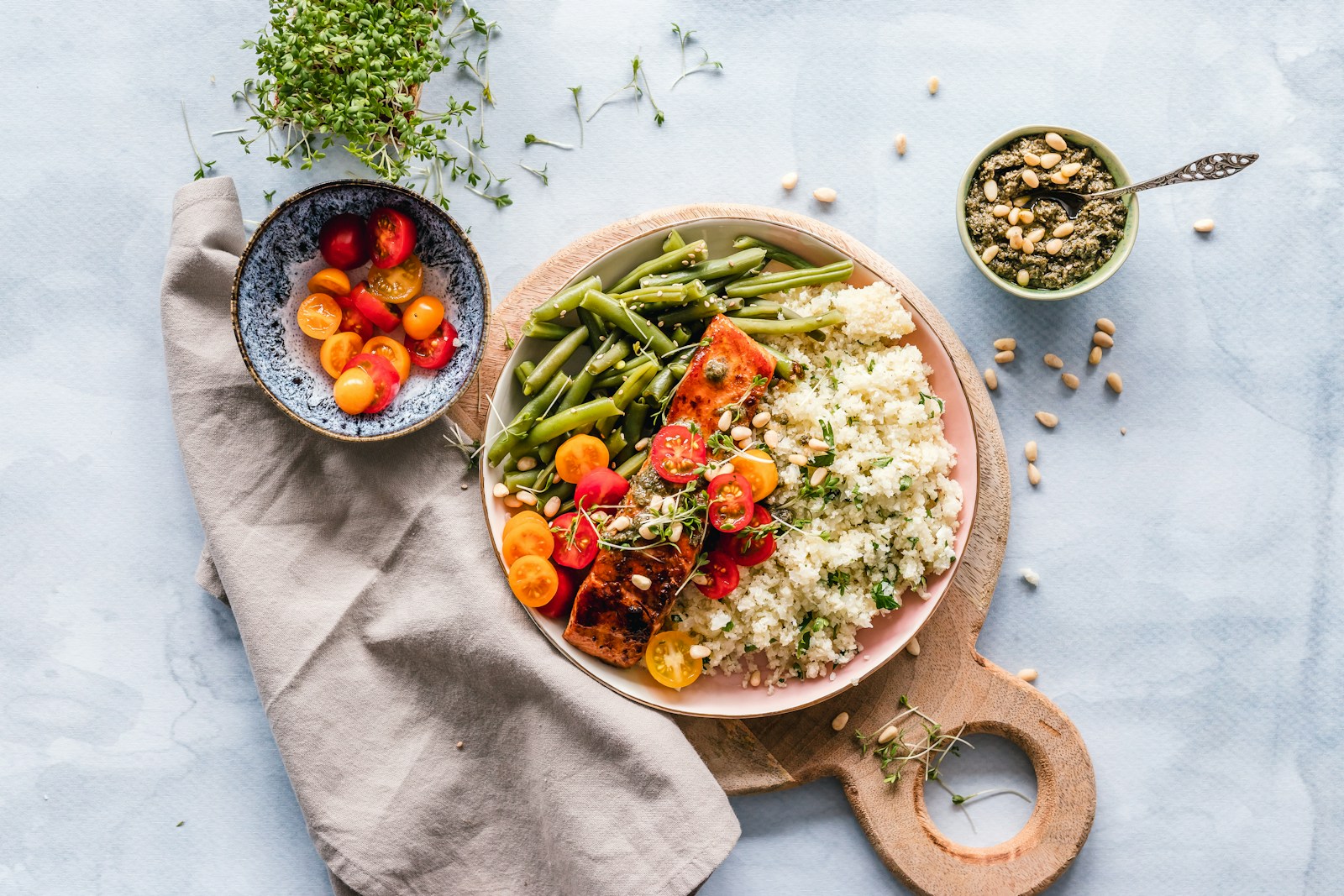
Quinoa can provide a base for beans, vegetables, eggs, fish, or another protein you enjoy. A crisp ingredient, something creamy, and a dressing with enough acidity can make a bowl feel more considered than a scoop of plain seeds. Those are serving ideas, not a requirement to buy a collection of specialty toppings.
For a hypothetical lunch, you might pair quinoa with chickpeas, cucumber, roasted peppers, and a labeled gluten-free dressing. Check each ingredient for your needs, then keep the preparation straightforward. I like a bowl where the toppings bring the flavor rather than relying on a heavily seasoned packet to do everything.
At a restaurant, ask whether the quinoa is cooked in broth, mixed with other grains, or served with a sauce containing gluten. Ask how the kitchen controls cross-contact too. A confident answer about the entire preparation is more helpful than a menu's single word “quinoa.” If staff can't establish that the dish fits your needs, choose an option they can explain clearly.
Sources
- Celiac Disease Foundation: gluten-free grains, seeds, and bulk-bin guidance
- Celiac Disease Foundation: gluten sources and cross-contact
- FDA: requirements for a gluten-free claim
- Taste: quinoa preparation and rinsing
- FoodSafety.gov: safe chilling and food handling

Hi, I’m Laura, the voice behind Tastiva. I’ve always believed that eating well should feel enjoyable, comforting, and realistic—not like another complicated rule to follow. I love creating recipes that fit into everyday life, sharing simple nutrition ideas, and finding small ways to make meals feel a little better without losing the pleasure of good food.