
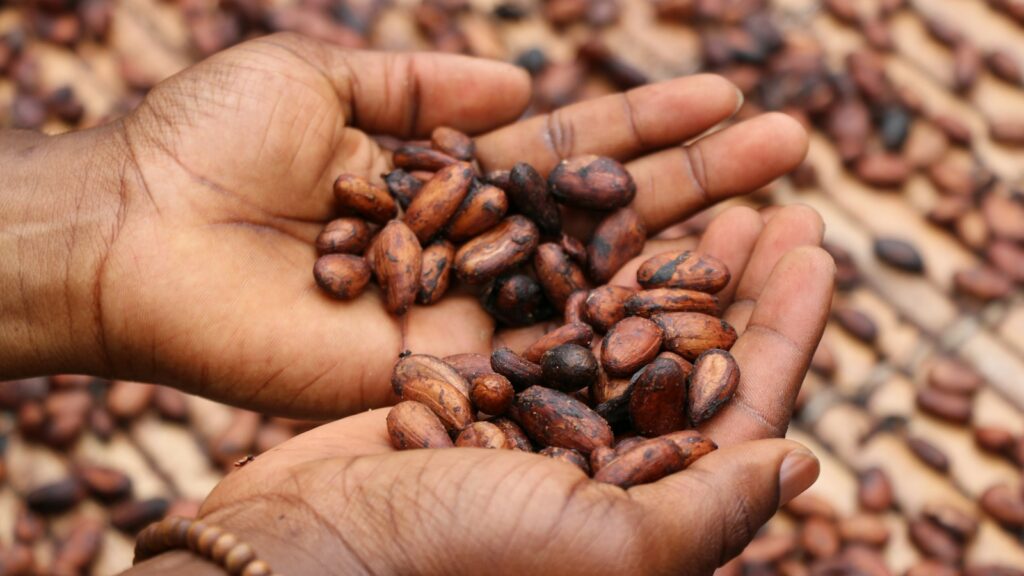
A bag of cacao nibs can be a surprise if you expect tiny chocolate chips. Cacao nibs are pieces of the shelled cacao bean, with a firm crunch and an unsweetened chocolate flavor that can taste bitter, fruity, or nutty. They work especially well when you want contrast: something crisp beside a creamy bowl or a little bitterness against naturally sweet fruit.
Think of cacao nibs as a crunchy ingredient with chocolate character, rather than a sweet chocolate chip in a smaller shape.
What cacao nibs are, and why the flavor varies
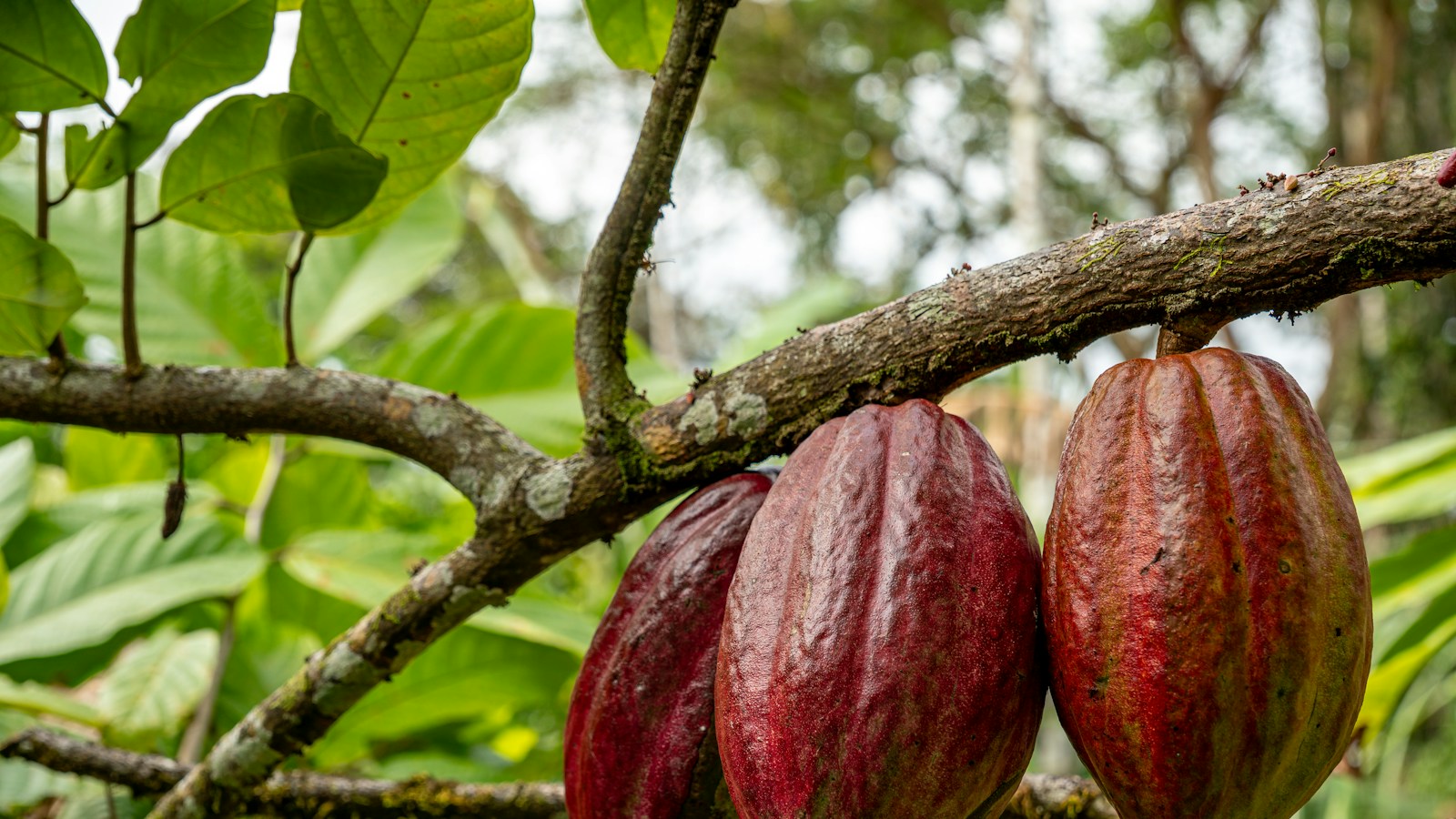
Chocolate begins with cacao beans, but nibs stop short of becoming a smooth chocolate bar. Dandelion Chocolate describes sorting, roasting, and removing the husks from fermented, dried beans before using their interiors to make chocolate. Nibs preserve those small pieces instead of grinding them into a finely textured finished chocolate.
Origin, fermentation, drying, and roasting can change the flavor. One bag may lean toward toasted nuts while another seems fruitier or sharper. Those descriptions are guides to what you might notice, not promises that every spoonful will taste the same. “Cacao” on the label also does not guarantee an unheated product; Navitas, for example, says its nibs are briefly roasted.
I’d make the first taste a small one, ideally alongside something mild and creamy. A heap of nibs can overwhelm a delicate breakfast before you have decided whether you like their bitterness. Start with a little, then let your preference set the amount instead of treating a large serving as the goal.
Nibs, chocolate chips, and cocoa powder do different jobs
Nibs keep a noticeable texture when heated; they do not melt into the smooth pools you expect from chopped chocolate. Cocoa powder disperses chocolate flavor through a mixture but cannot provide the same crunch. Substituting among these ingredients is therefore a change to the dish, not just a change to its shopping list.
| Ingredient | Texture and sweetness | Useful role |
|---|---|---|
| Plain cacao nibs | Crunchy; typically unsweetened | Topping, textured mix-in, or contrasting garnish |
| Sweetened cacao nibs | Crunchy with added sweetness | A sweeter topping; check the ingredients |
| Chocolate chips or chopped chocolate | Usually sweetened; softens or melts with heat | Chocolate pockets, coatings, or melted mixtures |
| Cocoa powder | Fine powder; unsweetened versions available | Flavor throughout batter, sauces, and drinks |
If a cookie depends on melted chocolate, replacing all of it with nibs will not preserve the result. A smaller addition alongside the specified chocolate is a more modest experiment, provided the recipe allows it. For a tried-and-tested outcome, choose a recipe already written for nibs rather than rewriting several ingredients at once.
Their texture also changes how you prepare a topping. Leave pieces whole for a pronounced bite, or chop them more finely when a large hard piece would distract from the food underneath. For eaters who need softer foods, a smooth chocolate-flavored option may be more suitable than nibs, however small the serving.
Easy ways to balance their bitter edge
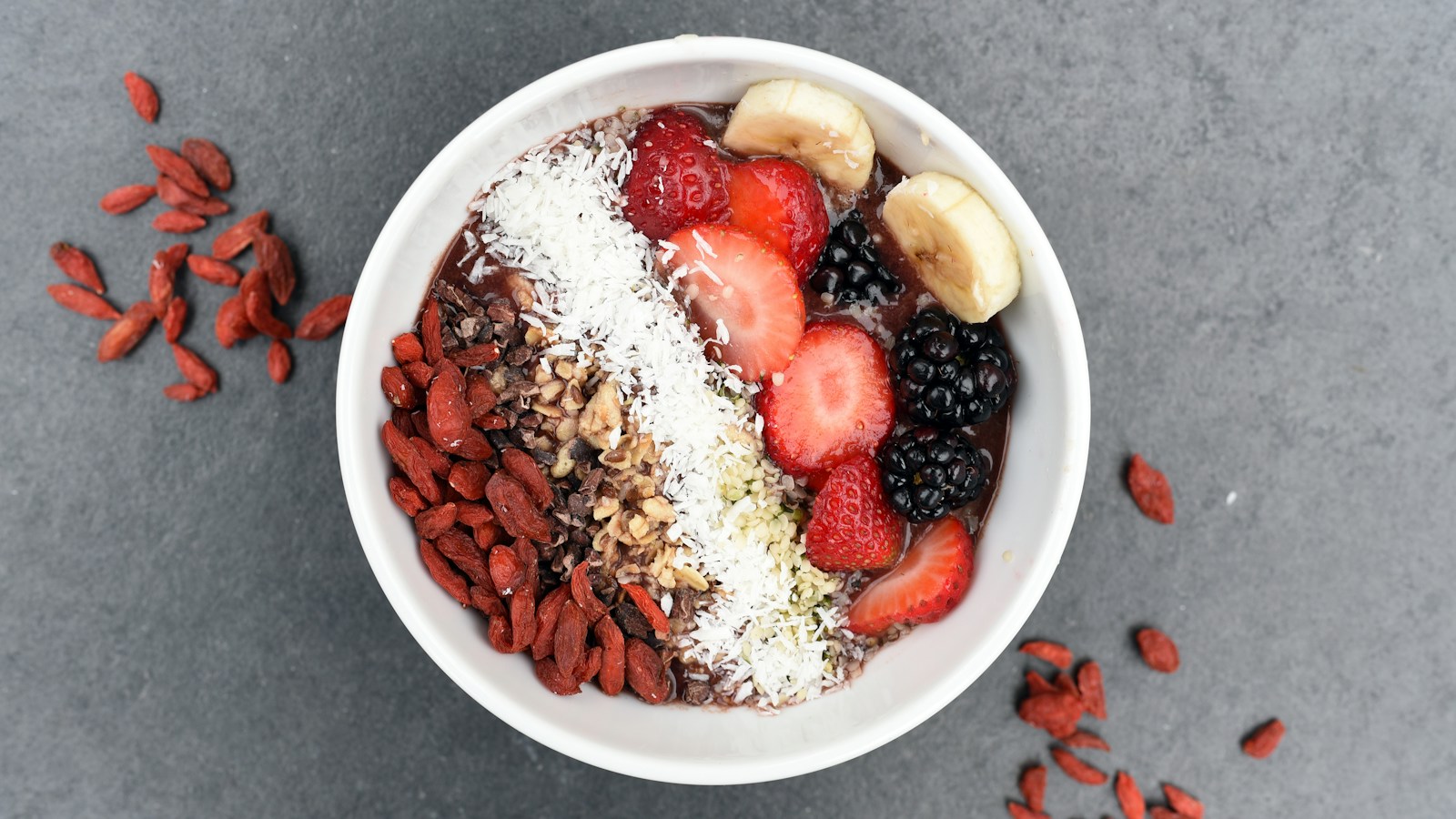
Creaminess, sweetness, and a little salt can each make nibs more interesting as part of a dish. You do not need all three at once. I’d begin with a familiar food, add a small sprinkle, and decide whether the contrast improves that particular bowl before buying several new ingredients to go with it.
| Food you already have | How to try the nibs | What to watch |
|---|---|---|
| Plain yogurt and ripe fruit | Sprinkle a little just before eating | Let fruit provide sweetness before adding syrup |
| Warm oatmeal | Add at serving time | Use a light hand so every bite is not hard and bitter |
| Sliced pear with nut or seed butter | Scatter finely chopped nibs over the spread | Check all relevant allergies |
| Ice cream or a frozen dessert | Add as a final topping | The nibs will remain firmer than the dessert |
| Trail mix | Mix a small amount with other ingredients | Nibs do not replace the other foods’ nutrition |
| A mild savory grain bowl | Try a few chopped pieces on one spoonful first | Bitter flavor may compete with an already strong dressing |
These are serving ideas, not a requirement to make every dish chocolate-flavored. A small test portion lets you adjust without changing the whole meal. Tastiva’s low-fat yogurt guide can help you choose a base if you want to compare plain yogurt’s texture and protein content.
For a smoothie, distinguish between blending nibs into the drink and sprinkling them on top. The first can leave small particles unless the equipment processes them very finely; the second deliberately preserves crunch. If you want a completely smooth chocolate drink, a recipe designed around cocoa powder is usually a clearer starting point.
Read the portion, caffeine, and storage information
Plain nibs contain fat and fiber, but the amount you sprinkle matters. Navitas currently lists 20 calories, 1.5 grams of fat, and 1 gram of fiber per 3-gram teaspoon of its nibs. That is one product’s rounded label, not a universal composition table. A small garnish should not be described as a major protein source or a treatment for a health condition.
- Check for added sugar: Plain and sweetened versions can sit beside each other in similar bags.
- Remember caffeine: Cacao naturally contains it. Navitas reports about 14 milligrams per tablespoon for its product; other products can differ.
- Read allergy information: Cocoa ingredients, coatings, and shared production facilities require their own checks.
- Use the product’s storage directions: Keep the bag well closed in a cool, dry place, and protect it from moisture.
- Choose a realistic quantity: Compare what you will use while the flavor is appealing, not just the price of the largest bag.
If caffeine affects your sleep or you are following a pregnancy caffeine limit, include nibs in that wider picture. They can be an enjoyable food ingredient without a long list of wellness promises attached. Keep their practical strength in mind: a little texture and a distinctive flavor, added where you actually want them.
Sources
- Dandelion Chocolate: Cocoa nib production, flavor, and storage
- Navitas Organics: Cacao nib ingredients, nutrition, processing, and caffeine
- FDA: Caffeine sources and individual considerations

Hi, I’m Laura, the voice behind Tastiva. I’ve always believed that eating well should feel enjoyable, comforting, and realistic—not like another complicated rule to follow. I love creating recipes that fit into everyday life, sharing simple nutrition ideas, and finding small ways to make meals feel a little better without losing the pleasure of good food.