
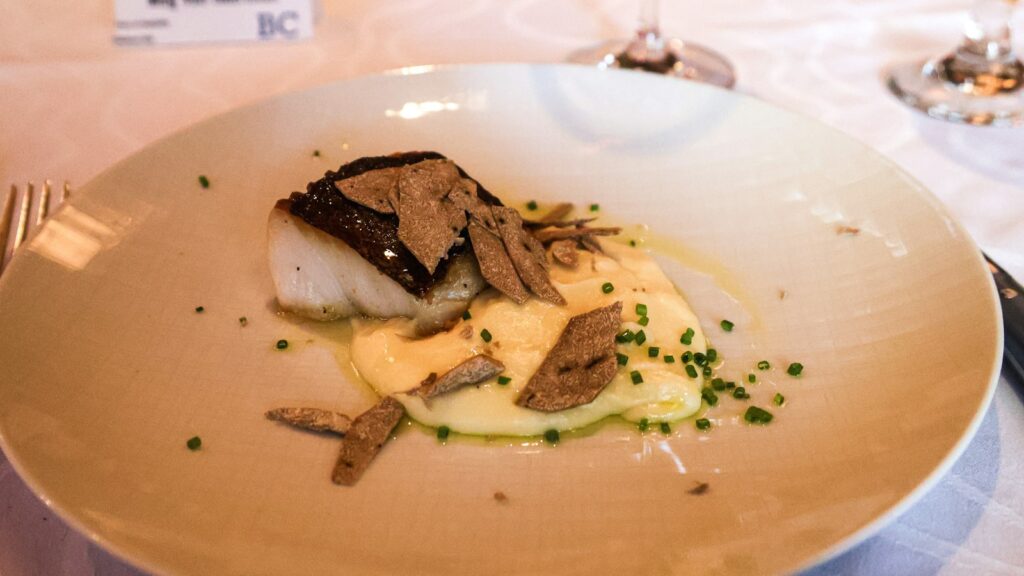
A thick piece of halibut looks like an easy dinner, right up until you wonder how to keep it from drying out. Halibut is a mild white fish with firm flesh that separates into flakes when cooked. Its relatively lean texture makes it versatile, but thickness, moisture, and careful temperature checks matter more than a universal number of minutes in the oven.
Choose pieces of similar thickness, have the rest of dinner nearly ready, and let a thermometer guide the final moments of cooking.
What halibut fish tastes like
NOAA describes Pacific halibut as mild and slightly sweet, with a tender, firm texture after cooking. That makes it a useful match for lemon, herbs, tomato, or a modest amount of sauce. You can choose a stronger seasoning, but you do not need one simply to make the fish approachable.
The name also covers different species and fisheries. Pacific and Atlantic halibut should not be treated as one interchangeable sustainability claim. NOAA describes U.S. wild-caught Pacific halibut as responsibly managed, while the U.S. Atlantic stock is under a rebuilding plan. Ask for the species and origin if the seller’s sign says only “halibut.”
I’d put that information ahead of a vague “premium fish” label. A clearly identified frozen portion can be a sensible choice, especially when you do not plan to cook immediately. Comparing it with another mild fish is also reasonable; price, portion size, and the recipe’s needs can matter more than the prestige of the name.
Choose the cut and bring it home cold
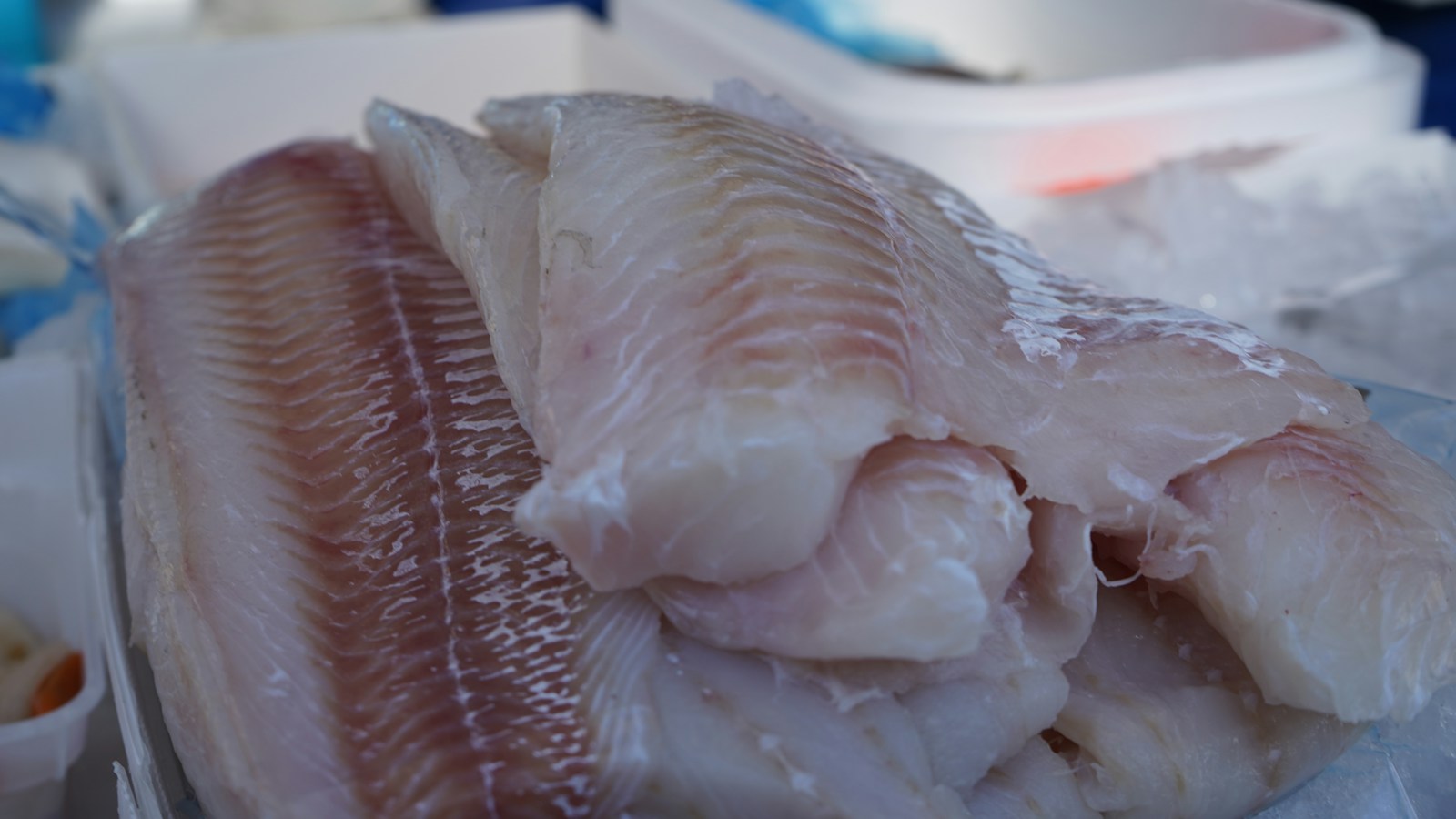
Fillets and steaks differ in shape and bones. A fillet can offer a broad, relatively even piece, while a cross-cut steak may contain a central bone and skin around the outside. Ask the fishmonger what needs removing, and check carefully before serving, particularly when preparing fish for children.
| Buying decision | What to look for | Why it helps |
|---|---|---|
| Fresh fillet | Proper chilling, mild smell, and no dried-out edges | Condition matters more than color alone |
| Frozen portion | Intact packaging and fish that is still solidly frozen | Limits uncertainty about handling and thawing |
| Several portions | Similar thickness, or pieces you can cook separately | Makes the cooking easier to manage |
| Bone-in steak | Clear information about bone and skin | Avoids surprises when plating or eating |
| Species and origin | A specific label or a seller who can confirm them | Makes sourcing comparisons meaningful |
The FDA recommends refrigerating seafood at 40°F (4°C) or below and using it within two days, or freezing it for longer storage. Thaw frozen fish in the refrigerator and follow its packaging instructions, including any direction to remove vacuum packaging before thawing. Keep it contained so juices cannot drip onto ready-to-eat food.
Set out your clean plate, thermometer, and serving utensils before cooking starts. Wash hands and equipment after contact with raw fish, and keep cooked food off the unwashed raw-fish plate. This small bit of organization makes the final few minutes less rushed, when the fish and vegetables both seem to want your attention.
Cook by thickness and temperature
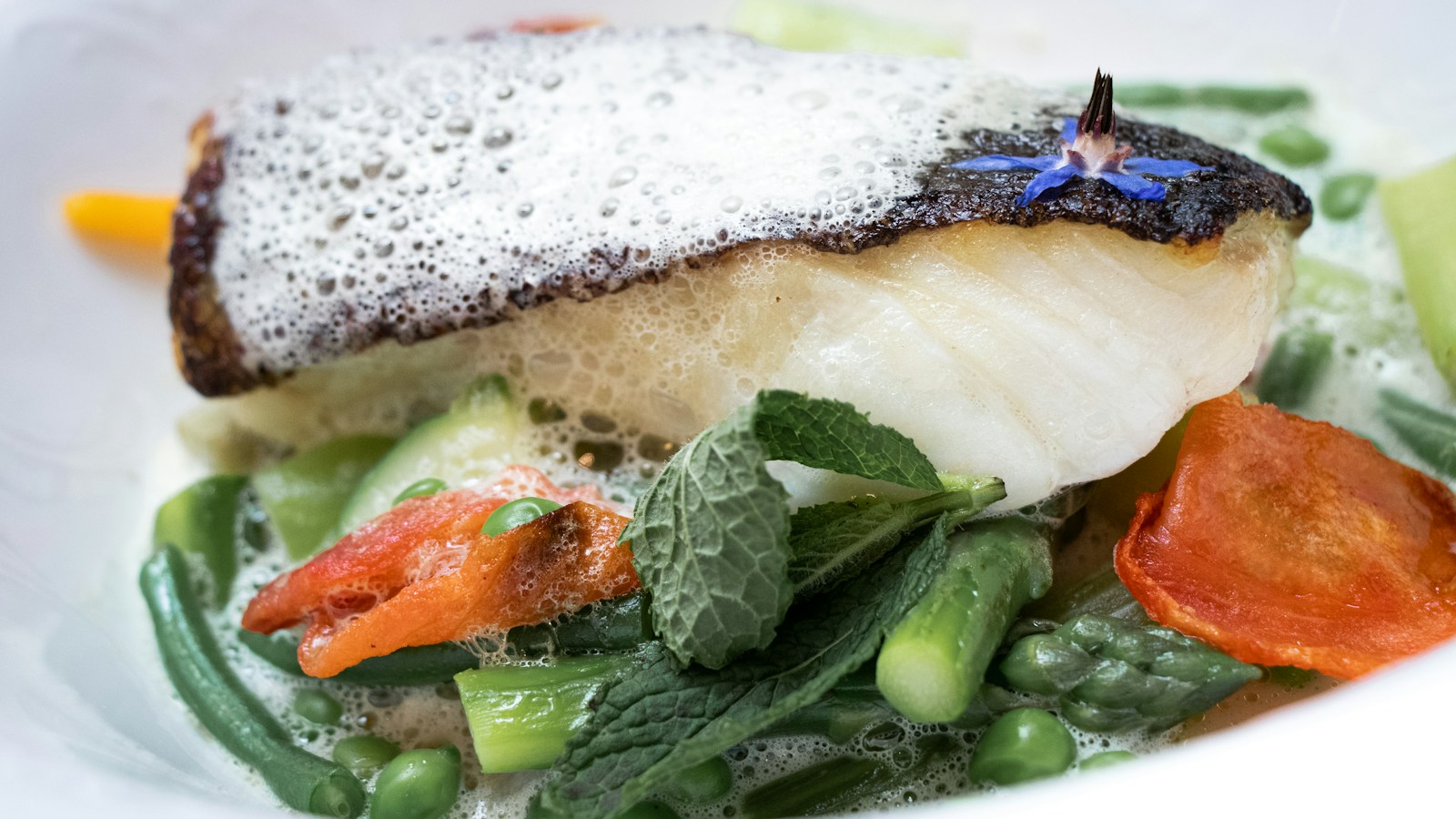
For home food safety, the FDA recommends cooking fish to an internal temperature of 145°F (63°C). Check the thickest part with a food thermometer, avoiding bone. In a thin portion, inserting the probe from the side can make it easier to reach the center rather than measuring the hot surface or pan.
- For baking: Choose an appropriately sized dish and a recipe with moisture from sauce, vegetables, or a covered method when desired.
- For pan cooking: Dry the surface, use a suitable pan and fat, and avoid repeatedly moving the fish before it releases.
- For gentle poaching: Follow a recipe that controls the cooking liquid and temperature; a hard boil can make delicate handling more difficult.
- For several uneven pieces: Check them individually and remove each when it reaches the safe temperature.
- For serving: Have the accompaniments ready so the fish does not sit cooking longer while you finish another task.
A clock is still helpful, but use the recipe’s timing as the point to start checking, not a guarantee of doneness. A thick center portion and a thin tail piece will not necessarily finish together. White flesh and flaking offer useful texture cues; the thermometer provides the clearer safety check.
I’d keep the first meal simple enough that you can pay attention to that endpoint. A lemony sauce, cooked potatoes or grains, and vegetables leave plenty of room for the fish’s mild flavor. Tastiva’s salmon cooking guide offers another fish option, although its timing should not be copied directly onto halibut.
Nutrition and mercury deserve separate checks
Halibut supplies protein without being an oily fish like salmon. NOAA’s Pacific halibut data list about 110 calories, 20.8 grams of protein, and 2.3 grams of fat per 100 grams raw. Cooking changes weight through moisture loss, and breading, butter, or sauce changes the finished meal, so compare nutrition figures using the same food form and serving basis.
| Consideration | Practical meaning |
|---|---|
| Protein | The portion contributes protein; weigh comparable raw or cooked portions when tracking |
| Cooking fat and sauce | Include additions when estimating the whole meal |
| Mercury | FDA/EPA place halibut in “Good Choices,” not the lowest-mercury “Best Choices” group |
| Pregnancy or breastfeeding | FDA/EPA advise one serving weekly from “Good Choices” instead of two to three from “Best Choices” |
| Children | Follow the FDA/EPA age-appropriate portions and advice favoring “Best Choices” |
For pregnancy and breastfeeding, that adult reference serving is 4 ounces, about 113 grams. Halibut’s category does not make it a fish to eat without regard to frequency, and cooking does not change the category. Use the FDA/EPA fish chart when planning your overall week, especially for pregnancy or children.
Sources
- NOAA Fisheries: Pacific halibut, taste, sourcing, and nutrition
- NOAA Fisheries: Atlantic halibut
- FDA: Selecting, storing, and cooking seafood safely
- FDA/EPA: Advice about eating fish

Hi, I’m Laura, the voice behind Tastiva. I’ve always believed that eating well should feel enjoyable, comforting, and realistic—not like another complicated rule to follow. I love creating recipes that fit into everyday life, sharing simple nutrition ideas, and finding small ways to make meals feel a little better without losing the pleasure of good food.