
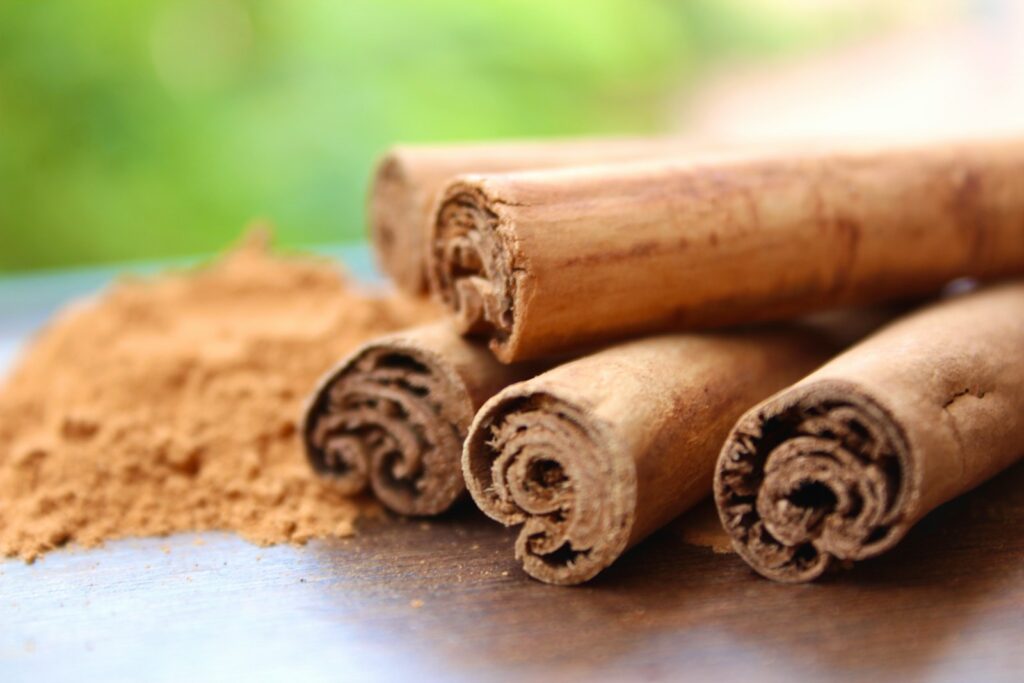
Two jars can both say cinnamon and still bring different character to your oatmeal. Ceylon cinnamon comes from Cinnamomum verum, also called Cinnamomum zeylanicum, and is distinct from cassia cinnamon. It generally offers a gentler flavor and contains much less coumarin, a naturally occurring compound that matters particularly with substantial, repeated intake. That difference doesn't make cinnamon a treatment or a supplement everyone needs.
Choose a cinnamon for the food you're making, not for a health promise on the jar.
What makes Ceylon cinnamon different
Ceylon cinnamon is often called “true cinnamon,” but that nickname doesn't mean other culinary cinnamons are fake. Cassia types are also widely used spices. The National Center for Complementary and Integrative Health explains that different species can have different chemical compositions and that product labels don't always identify the species clearly.
In the kitchen, the useful distinction is often subtle versus assertive. Ceylon is commonly described as delicate and aromatic, while cassia tends to deliver a stronger cinnamon impression. Neither is automatically the right choice for every dish; a gently spiced custard and a bold cinnamon filling may call for different emphasis.
| What you're comparing | Ceylon cinnamon | Cassia cinnamon |
|---|---|---|
| Species label | Look for Cinnamomum verum or C. zeylanicum | Several cassia types exist; check the stated species |
| Typical flavor direction | Gentler, more delicate | Stronger, more assertive |
| Coumarin | Usually present only in trace amounts | Can contain substantially more |
| Best shopping question | Does the label clearly identify it? | Does its flavor suit the recipe? |
I'd avoid treating the word “true” as a quality competition. A clearly labeled, fresh-tasting spice that suits your cooking is more useful than an expensive jar bought only because its name sounds superior. Price alone isn't a reliable way to identify the species.
How to identify it when you're shopping
The most useful evidence is an explicit species or Ceylon designation from a seller you can contact. A package that says only “cinnamon” leaves the variety uncertain. “Organic,” “premium,” or “natural” describes something different and doesn't, by itself, identify Ceylon cinnamon.
Ground cinnamon is particularly difficult to identify by appearance alone. Color varies with the product and lighting, and a photograph doesn't verify botanical identity. If the distinction matters to you, check the label and manufacturer's information rather than relying on a shade-of-brown test.
- Look for the botanical name or a clear Ceylon description.
- Check whether the package contains one spice or a blend.
- Choose a quantity you'll use while the aroma is still appealing.
- Keep the seller's contact information if you need clarification about sourcing.
- Read a supplement label separately from a culinary spice label; they're different products.
When a recipe simply says cinnamon, use the variety you enjoy unless the author specifies otherwise. If you're changing from a bold cassia product to a milder Ceylon one, expect the result to taste different. I wouldn't compensate with a universal doubling rule: the dish, spice freshness, and personal preference all change that decision.
Use it where a lighter spice note makes sense
Ceylon cinnamon can suit foods where you want warmth without overwhelming the other flavors. Think oatmeal with pear, yogurt with fruit, rice pudding, or a lightly spiced baked apple. These are useful places to notice the spice rather than burying it under several stronger ingredients.
For a first comparison, use a familiar dish and keep everything else the same. Add a small amount, taste where food safety allows, and adjust gradually. If you're baking, follow a tested recipe instead of making large changes after the batter is mixed; raw flour and egg mixtures aren't tasting samples.
- Stir into oatmeal near serving time so you can judge the aroma.
- Add to a fruit topping according to a recipe's seasoning instructions.
- Use a stick to infuse a suitable drink or dessert, then remove it before serving.
- Pair gently with vanilla or citrus when you want other flavors to remain noticeable.
- Store tightly closed, away from heat, moisture, and direct sunlight.
My favorite editorial test for any specialty ingredient is whether the difference matters in your actual food. If you prefer your usual cinnamon in toast or coffee, there's no need to replace it just to follow a trend. Tastiva's coffee guide also keeps everyday enjoyment separate from sweeping health claims.
Keep health claims and concentrated supplements in perspective
Cinnamon hasn't been clearly shown to treat diabetes or produce weight loss. NCCIH also notes that larger amounts or prolonged use can bring side effects and that cassia's coumarin may be a concern for susceptible people, including those with liver disease. Ceylon's lower coumarin content doesn't establish a useful treatment dose.
Ordinary seasoning and taking concentrated supplements are different decisions. Ask your clinician about supplements if you take medicines, have a liver condition, or are pregnant or breastfeeding. Don't replace prescribed care with cinnamon, and don't assume “more” will offer a stronger benefit.
For cooking, the choice can stay pleasantly small: buy clearly identified cinnamon, use a sensible amount for flavor, and notice whether you like it. The best reason to keep Ceylon cinnamon in the cupboard is that its particular aroma earns a place in your meals—not that a spice jar promises to manage your health.
Sources
- NCCIH: Cinnamon species, research, and safety
- Buy Whole Foods Online: Ceylon cinnamon product and flavor description

Hi, I’m Laura, the voice behind Tastiva. I’ve always believed that eating well should feel enjoyable, comforting, and realistic—not like another complicated rule to follow. I love creating recipes that fit into everyday life, sharing simple nutrition ideas, and finding small ways to make meals feel a little better without losing the pleasure of good food.