
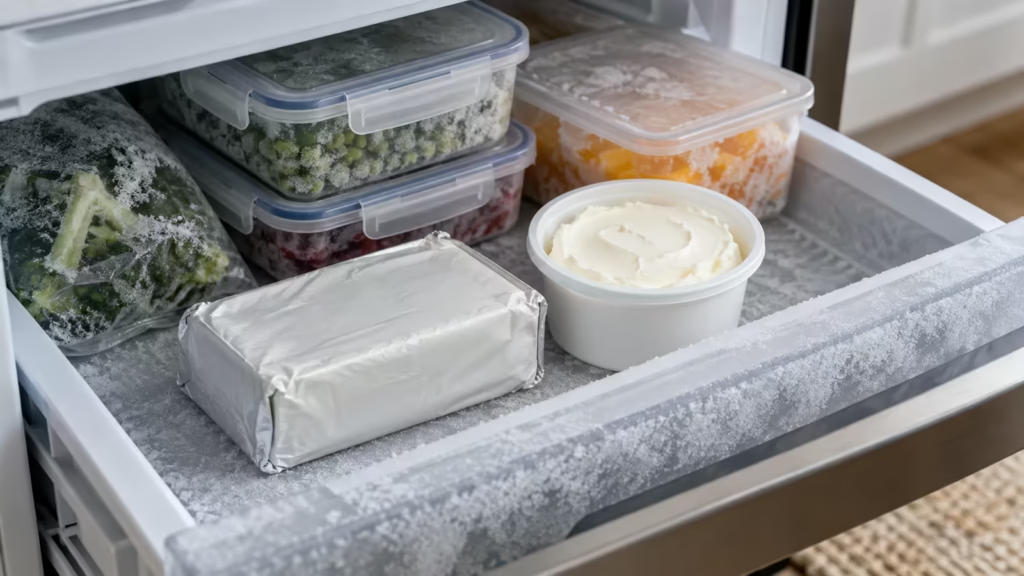
Yes, you can freeze cream cheese. It remains usable, but freezing usually makes the texture grainy, crumbly, or slightly watery after thawing. That change is most noticeable on a bagel and much less noticeable in baked or cooked recipes.
Freeze cream cheese to prevent waste, then plan to use it in a recipe where texture can be smoothed or hidden.
I’m Laura, and I would freeze an extra block without hesitation if the alternative were letting it spoil. I would not, however, expect it to return to the silky texture of a fresh package. The best result starts with airtight packaging and a slow refrigerator thaw.
Why cream cheese changes in the freezer
Cream cheese is an emulsion of water, milk fat, and proteins. As water freezes, ice crystals form and disrupt that structure. When the cheese thaws, some moisture separates and the proteins may clump, creating a curdled-looking or grainy texture.
Full-fat block cream cheese generally handles freezing better than whipped or lower-fat versions because it contains less air and a different balance of fat and water. Flavored spreads and tubs vary, so check the manufacturer’s storage advice.
Freezing pauses microbial growth but does not improve old food. Freeze cream cheese while it is still fresh, within its date and refrigerator storage window, and discard it if it already smells sour, shows mold, or has unusual discoloration.
How to freeze cream cheese
- Leave an unopened foil-wrapped block in its original package, then place it in a freezer bag for extra protection.
- For an opened package, divide it into recipe-sized portions and wrap tightly or use small airtight containers.
- Press out excess air, label with the amount and date, and freeze promptly.
- Use within about 1 to 2 months for best quality, even though continuously frozen food stays safe much longer at 0°F (-18°C).
Smaller, flatter portions freeze and thaw more evenly. If you know a recipe uses 4 ounces, package that amount now. Avoid freezing in a glass container unless it is designed for the freezer and has room for expansion.
Preventing air exposure reduces freezer burn, which is a quality issue rather than a sign of dangerous food. Tastiva’s guide to preventing freezer burn explains wrapping and headspace in more detail.
How to thaw and improve the texture
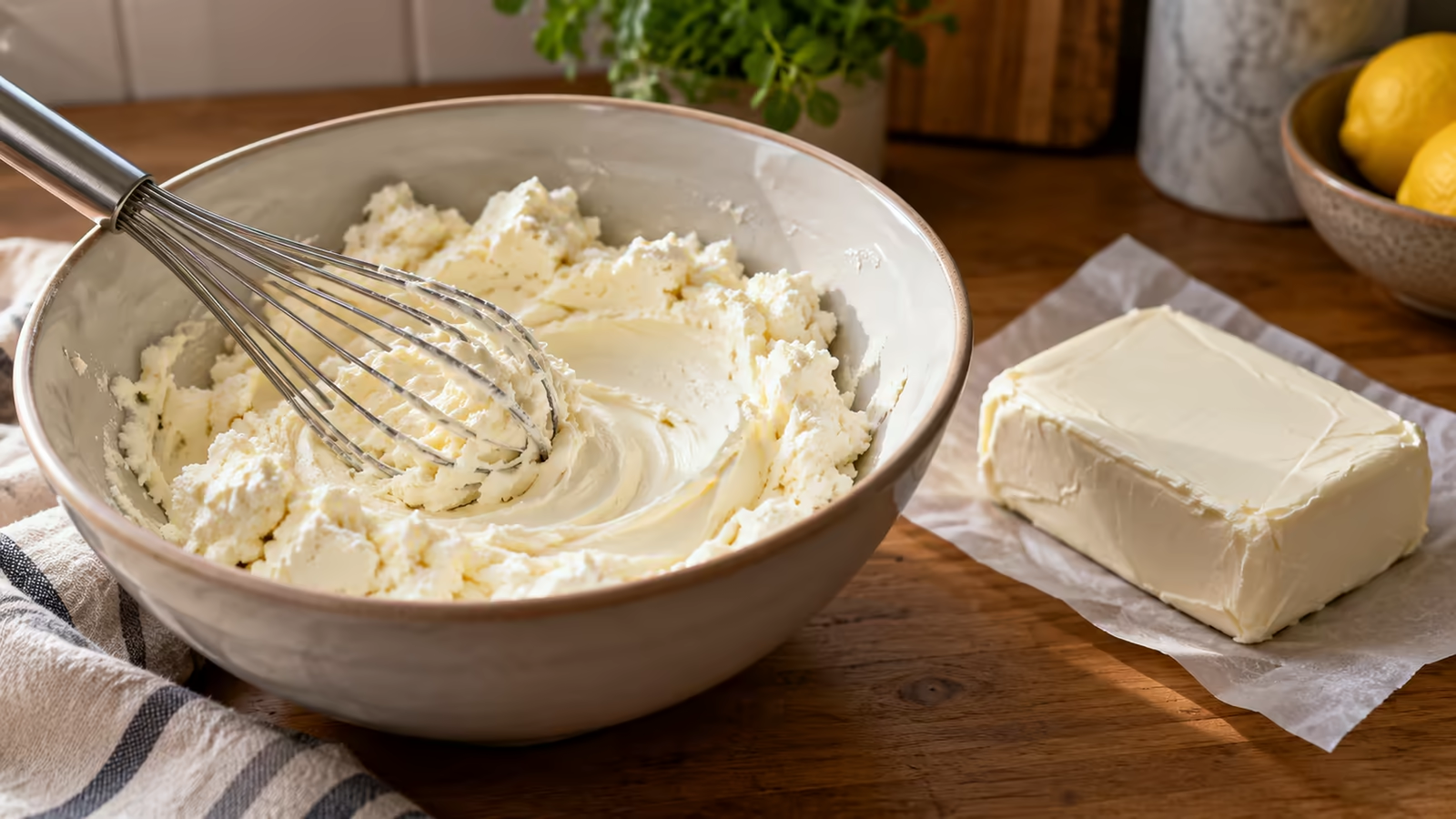
Thaw frozen cream cheese in the refrigerator, usually overnight. Do not leave it on the counter for hours. Once thawed, pour off only obvious excess liquid, then whisk, stir vigorously, or beat it briefly with an electric mixer.
Gentle warming can help for a cooked sauce or dip, but avoid overheating plain cream cheese because it can separate further. A food processor may make it look smoother, though it will not fully restore the original emulsion.
- Use thawed cream cheese promptly after it softens in the refrigerator.
- Do not refreeze repeatedly; each cycle further damages texture.
- Keep it cold until the recipe is ready.
- Discard it if you notice mold, a sharply off odor, or extended time at room temperature.
Best uses for previously frozen cream cheese

Previously frozen cream cheese works best when mixed, heated, or baked: cheesecake bars, muffins, casseroles, creamy pasta sauce, frosting, mashed potatoes, and hot dips are forgiving choices. A cheesecake can still work when the cheese is fully thawed and beaten smooth, although an especially delicate recipe may show some texture change.
Fresh cream cheese is better for cold spreading, a smooth no-bake filling, or a polished dip where texture is the star. If you are deciding between dairy products for a sauce, Tastiva’s heavy cream comparison explains which liquid options are interchangeable.
The short version: freeze it when waste prevention matters, package it tightly, thaw it in the refrigerator, and choose a cooked or baked use. The result may not be bagel-perfect, but it can still be recipe-ready.
For the smoothest results, freeze cream cheese in small portions that match future recipes. Wrap it tightly, place it in a freezer-safe container, label the date, and use it first in cooked dishes where a slightly grainy texture will not stand out. Cheesecake batter, casseroles, sauces, and baked dips are more forgiving than bagel spread.
Thaw cream cheese in the refrigerator, not on the counter. Once thawed, stir or whisk it and use it promptly; do not rely on refreezing to restore quality. Discard cream cheese that has spent too long at room temperature or shows mold, an off odor, unusual color, or a swollen package.
Sources
- FoodSafety.gov: Cold Food Storage Charts
- USDA FSIS: Freezing and Food Safety
- FoodSafety.gov: FoodKeeper App

Hi, I’m Laura, the voice behind Tastiva. I’ve always believed that eating well should feel enjoyable, comforting, and realistic—not like another complicated rule to follow. I love creating recipes that fit into everyday life, sharing simple nutrition ideas, and finding small ways to make meals feel a little better without losing the pleasure of good food.