
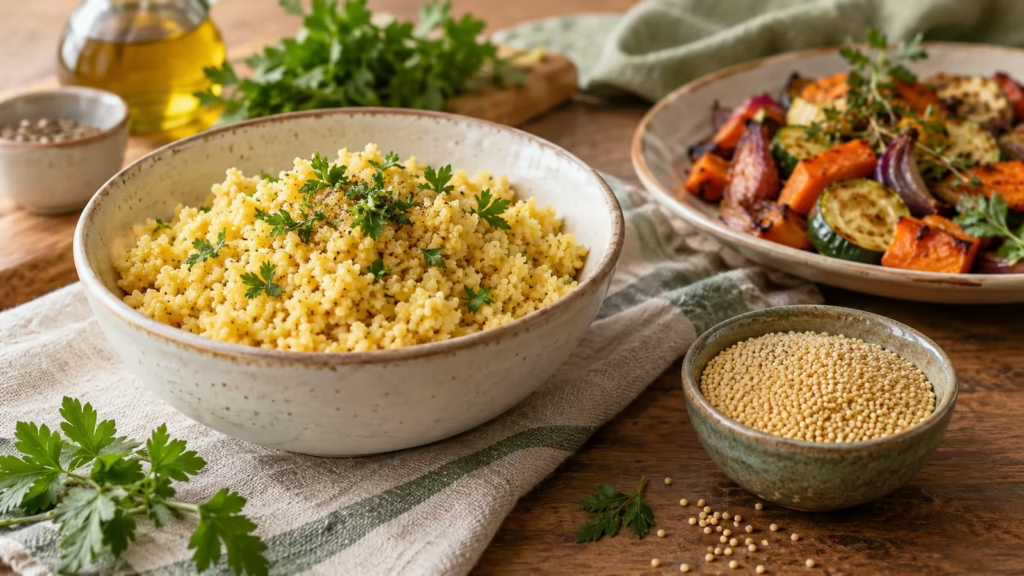
Millet is a family of small, naturally gluten-free grains with a mild, slightly sweet, corn-like flavor. Cooked with less water it can be fluffy like couscous; with more liquid and stirring it becomes a soft breakfast porridge or polenta-style side.
Millet is simple, adaptable, and worth treating as an everyday whole grain—not only as birdseed.
I’m Laura, and millet is one of my favorite pantry resets when rice and oats feel repetitive. It cooks without special equipment, takes on savory or sweet flavors, and works for gluten-free eaters when it is produced and packaged without cross-contact.
What millet is
“Millet” describes several cereal grasses rather than one single grain. Pearl millet is widely grown globally, while proso millet is common in North American food products. The tiny grains may be white, yellow, red, gray, or brown depending on the variety.
Whole millet keeps its bran, germ, and endosperm. Millet flour is made by grinding the grain and behaves differently from wheat flour because it does not contain gluten. It adds flavor and color to baking but usually needs other flours, binders, or a recipe designed for gluten-free structure.
Millet itself is gluten-free, but harvesting, transport, and milling can introduce wheat, barley, or rye. People with celiac disease should look for a product specifically labeled gluten-free under FDA rules. Tastiva’s gluten-free bread guide explains why ingredient safety and texture are separate questions.
Millet nutrition in context
Cooked millet provides carbohydrate for energy, along with some protein, fiber, magnesium, phosphorus, manganese, and several B vitamins. Amounts vary by millet type, processing, serving size, and cooking method, so a package label or USDA FoodData Central is the right source for exact numbers.
Like other grains, millet is not a complete meal by itself. Pair it with beans, lentils, eggs, fish, poultry, tofu, yogurt, or another protein food, plus vegetables or fruit. Adding nuts, seeds, olive oil, or avocado can make a bowl more satisfying.
Millet contains phytate, a natural plant compound that can reduce absorption of some minerals from that meal. This is not usually a concern in a varied diet. Soaking, fermentation, and ordinary cooking can change phytate levels, but there is no need to “detox” the grain.
How to cook fluffy or creamy millet
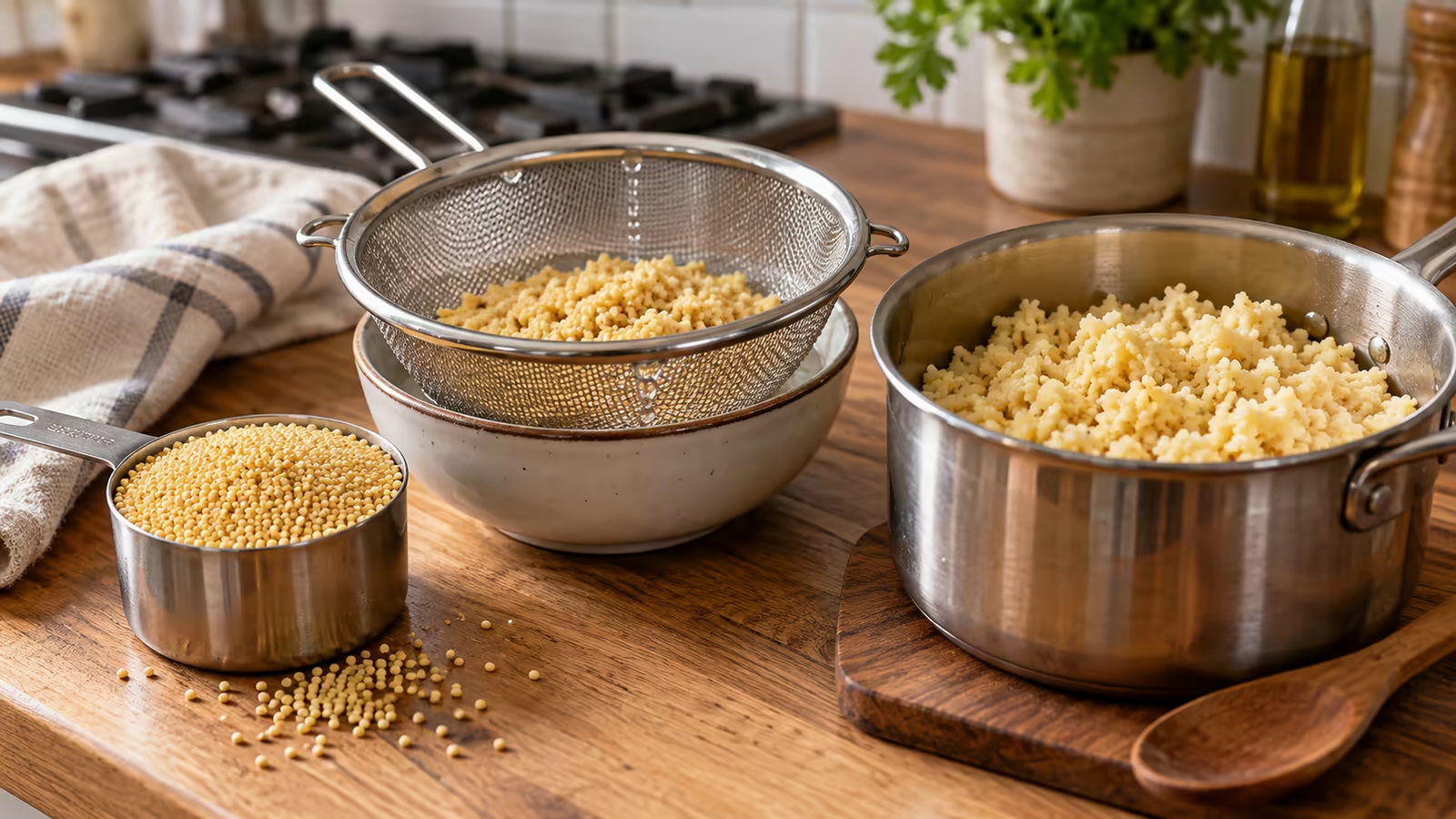
For fluffy millet, rinse 1 cup of grain in a fine strainer. Toast it in a dry saucepan for a few minutes if you want a nuttier flavor, then add about 2 cups water or broth and a pinch of salt. Bring to a boil, cover, lower the heat, and simmer gently until the liquid is absorbed, usually around 18 to 20 minutes. Rest covered for 5 to 10 minutes, then fluff.
- Use slightly less liquid for a firmer salad grain.
- Use more liquid and stir occasionally for creamy porridge.
- Avoid aggressive stirring when you want separate grains.
- Taste near the end; millet should be tender, not hard in the center.
- Cool leftovers promptly in shallow containers.
Different varieties and pan widths absorb liquid differently. If the grain is still firm when the pan looks dry, add a few tablespoons of hot water and continue cooking. For breakfast, simmer cooked millet with milk or a fortified alternative until creamy.
Easy ways to use and store millet
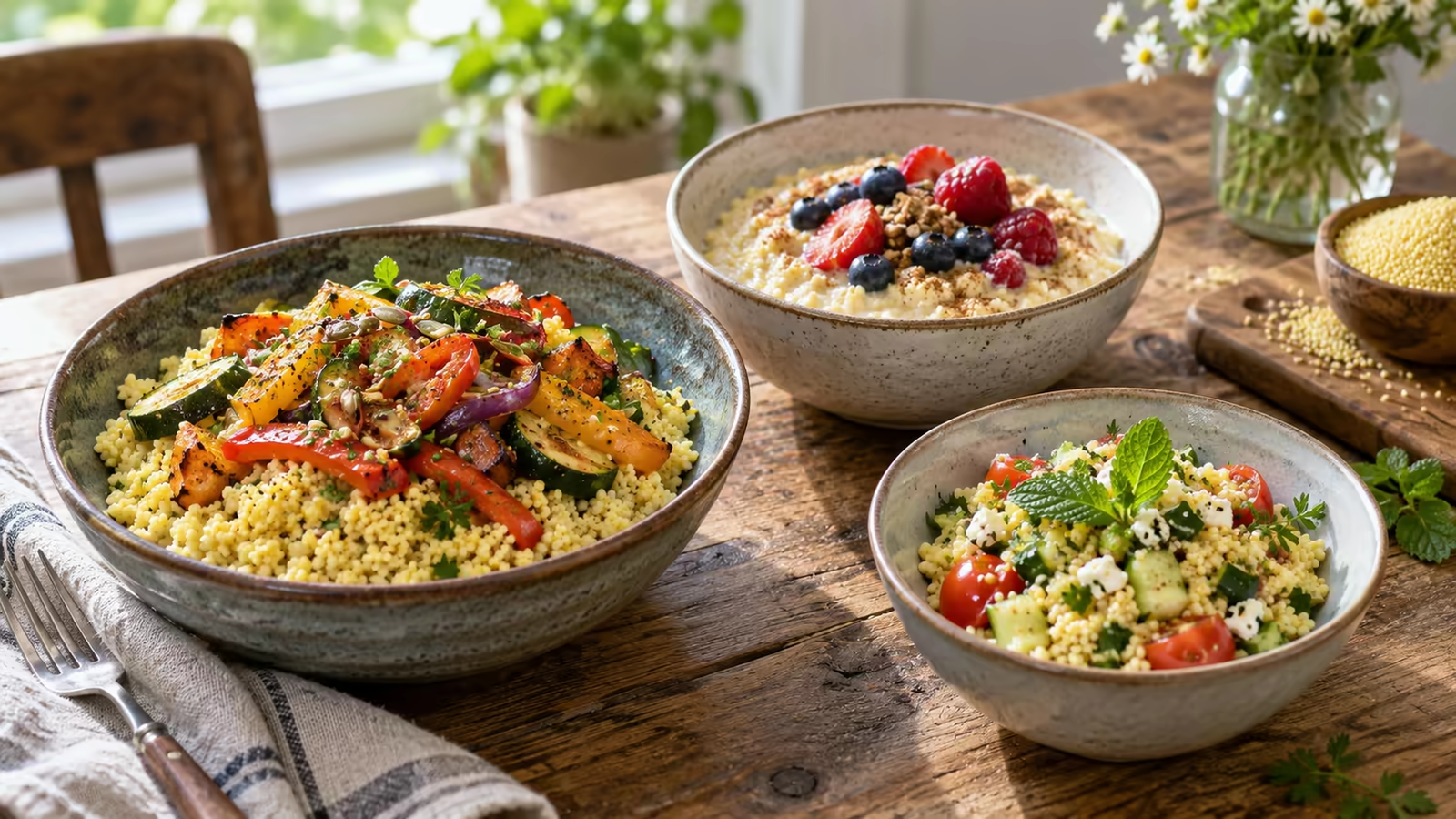
- Build a grain bowl with roasted vegetables, chickpeas, herbs, and lemon dressing.
- Make breakfast porridge with fruit, cinnamon, yogurt, and seeds.
- Cool it for a salad with cucumber, tomatoes, feta, and mint.
- Add cooked millet to soups or veggie patties for texture.
- Use millet flour only in recipes written for its lack of gluten.
Store dry millet airtight in a cool, dark place. Because whole grains contain oils in the germ, they can turn rancid; refrigerate or freeze the grain for longer storage in a warm kitchen. A stale, paint-like, or bitter aroma is a reason to discard it.
Cooked millet keeps for several days when refrigerated promptly and covered. Reheat it with a splash of water, or freeze meal-sized portions. If gluten-free noodles are another pantry option you use, Tastiva’s gluten-free noodle guide can help you compare ingredients and texture.
Millet is useful for meal prep because the cooked grain can move between sweet and savory dishes. Cool it in a shallow container, refrigerate it promptly, and reheat only the portion you need. A splash of water or broth restores moisture; leftover millet can also be shaped into patties or stirred into soup.
Although millet is naturally gluten-free, packaged grain can pick up wheat, barley, or rye during farming and processing. People with celiac disease should choose millet specifically labeled gluten-free and prevent cross-contact with shared colanders, cutting boards, bulk bins, and cooking utensils.
Sources
- Whole Grains Council: Millet
- USDA FoodData Central
- U.S. Food and Drug Administration: Gluten-Free Labeling

Hi, I’m Laura, the voice behind Tastiva. I’ve always believed that eating well should feel enjoyable, comforting, and realistic—not like another complicated rule to follow. I love creating recipes that fit into everyday life, sharing simple nutrition ideas, and finding small ways to make meals feel a little better without losing the pleasure of good food.