
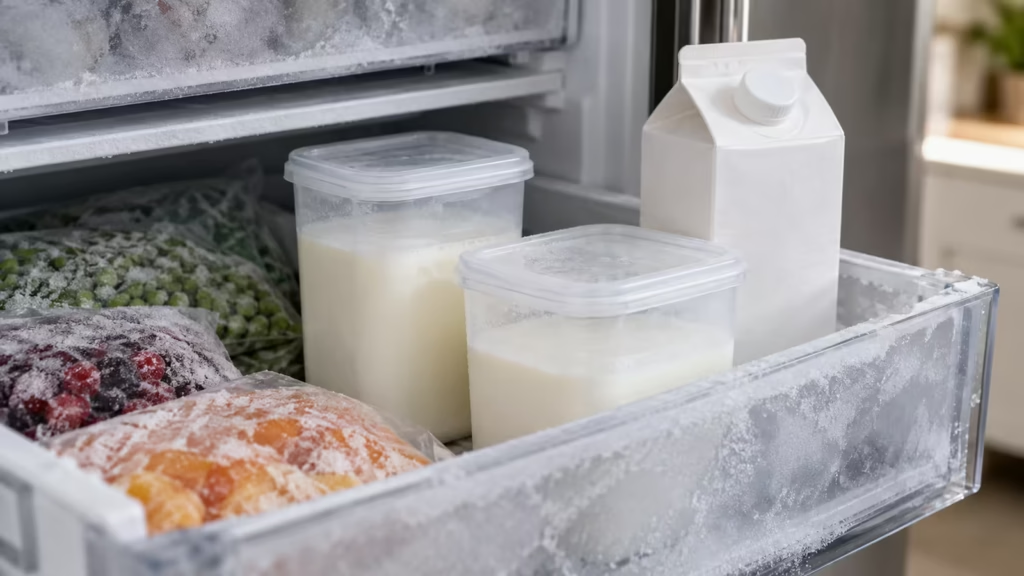
Yes, you can freeze milk. It stays safe when frozen promptly and continuously at 0°F (-18°C), but the texture may separate or become slightly grainy after thawing. A good shake or quick blend usually makes it suitable for cooking, smoothies, and everyday use.
Freeze fresh milk in a freezer-safe container with room to expand, then thaw it slowly in the refrigerator.
I’m Laura, and freezing milk is one of the easiest ways to rescue an extra carton before a trip or sale. The two common mistakes are freezing an overfilled container and thawing it on the counter. Both are avoidable.
What happens when milk freezes
Milk is mostly water, with fat, protein, lactose, vitamins, and minerals dispersed through it. Ice crystals push those components apart. When the milk thaws, fat and protein may remain unevenly distributed, creating flakes, a watery layer, or a grainier mouthfeel.
Lower-fat milk sometimes separates less visibly, but brand, processing, and freezing speed all matter. Homogenized milk can still separate. The change is about quality, not automatically spoilage.
Plant-based milks can also be frozen, but results vary even more. Almond, oat, soy, and coconut beverages may split or become gritty, so freeze a small amount first and follow the manufacturer’s guidance.
How to freeze milk safely
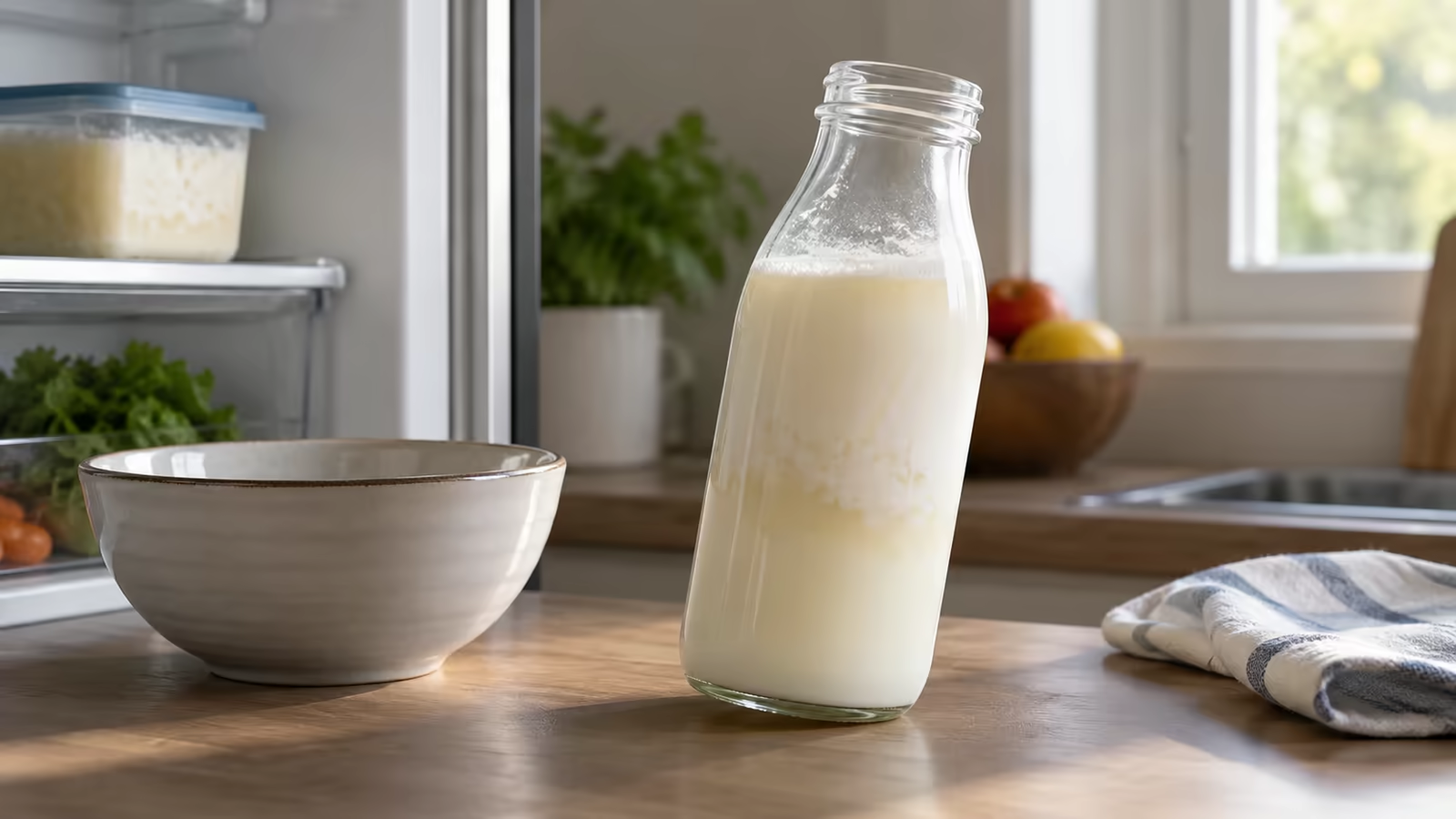
- Freeze milk while it is fresh and cold, not after it has sat out.
- Use a rigid freezer-safe container or sturdy freezer bag.
- Leave headspace because milk expands as it freezes—about an inch in a small container is a practical starting point.
- Freeze in 1- or 2-cup portions if that matches your recipes.
- Label the type, amount, and date.
Do not freeze milk in a glass bottle unless it is specifically freezer-safe and has ample expansion room. Paper cartons can leak as they thaw, so placing the carton inside a freezer bag offers backup protection. For the best flavor and texture, use frozen milk within roughly three months.
Dark containers or freezer drawers can protect riboflavin from light exposure, but airtight packaging is the main quality step. If you are managing other dairy ingredients, Tastiva’s evaporated milk guide explains why canned milk is a different pantry option.
How to thaw frozen milk
Move the container to the refrigerator and let it thaw gradually, which may take a day or longer depending on volume. Set it in a bowl in case of leaks. Do not use the countertop, warm water, or direct heat; the outside can enter the bacterial danger zone while the center remains frozen.
- Shake vigorously once thawed.
- Use an immersion blender briefly if separation persists.
- Smell and inspect the milk after mixing.
- Use it within the normal refrigerated time and sooner if it was close to its date when frozen.
- Do not repeatedly thaw and refreeze.
A little separation is expected. Sour odor, curdling that does not disperse, gas, an expanded container, or mold suggests spoilage. When in doubt, discard it rather than tasting. Pasteurization and freezing do not make temperature-abused milk safe.
Best ways to use thawed milk
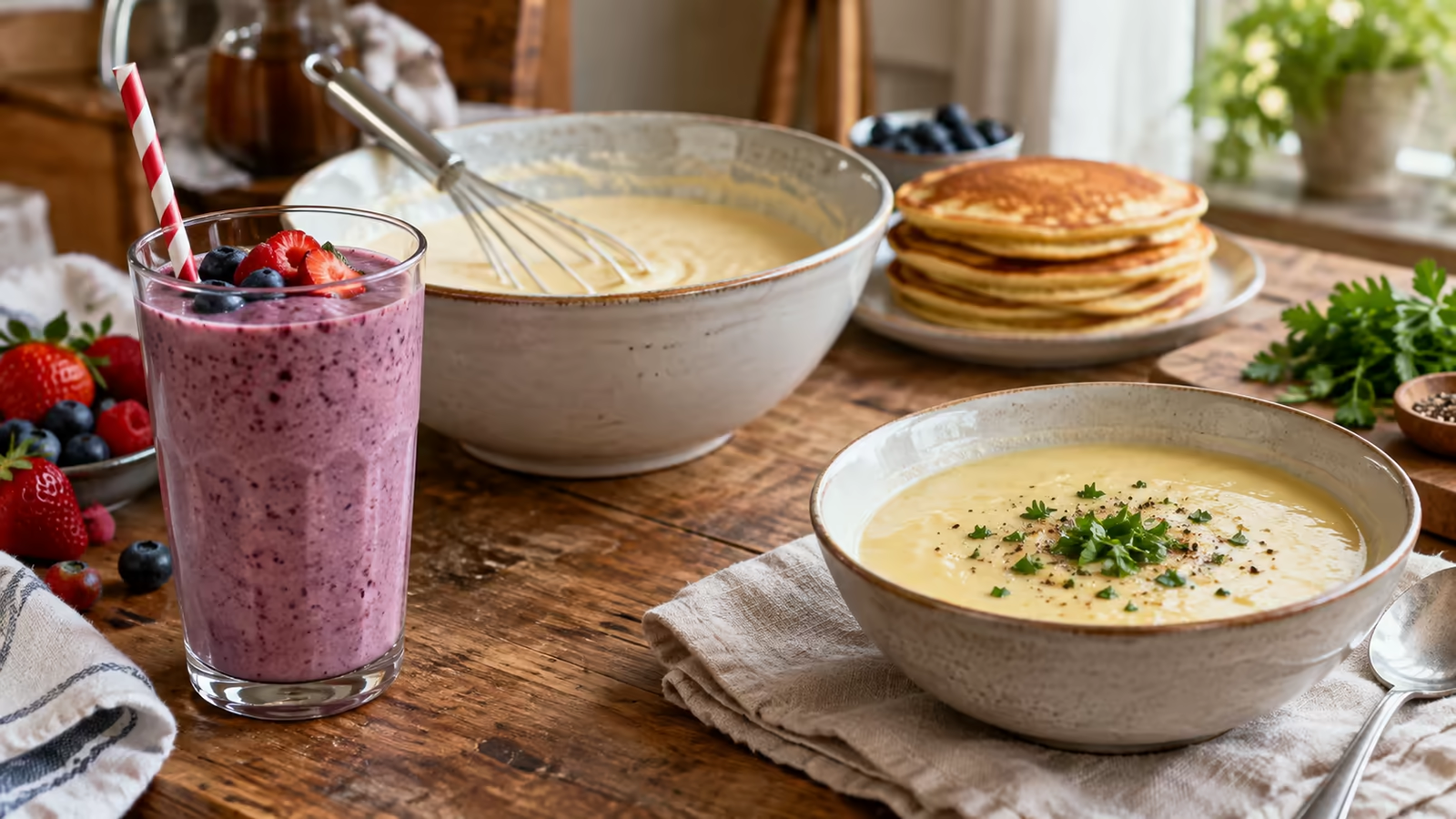
Thawed milk is especially good in pancakes, muffins, oatmeal, soups, sauces, mashed potatoes, and smoothies, where mixing or heating hides minor texture changes. It can also work in coffee or cereal if the separation is mild and you like the mouthfeel.
Freeze milk in an ice-cube tray for small smoothie or sauce portions, then transfer solid cubes to an airtight bag. Keep in mind that cube size varies, so measure once if a recipe needs precision.
For a richer sauce, dairy products are not always interchangeable; Tastiva’s heavy cream comparison explains fat-content differences. The simple bottom line for milk is: freeze it fresh, leave headspace, thaw in the refrigerator, and use cooking to your advantage.
Freeze milk in portions that leave room for expansion. If using a rigid container, leave headspace and confirm the container is freezer-safe. Smaller portions thaw more evenly and reduce waste. Label the milk type and date, since whole milk and lower-fat milk may separate differently after freezing.
Thaw frozen milk in the refrigerator and shake or whisk it before use. Never thaw it on the counter. Freezing pauses bacterial growth but does not rescue milk that was already spoiled, so freeze it while fresh and discard it after thawing if it has an off odor, curdling unrelated to separation, or other spoilage signs.
Sources
- USDA FSIS: Freezing and Food Safety
- FoodSafety.gov: FoodKeeper App
- U.S. Food and Drug Administration: Are You Storing Food Safely?

Hi, I’m Laura, the voice behind Tastiva. I’ve always believed that eating well should feel enjoyable, comforting, and realistic—not like another complicated rule to follow. I love creating recipes that fit into everyday life, sharing simple nutrition ideas, and finding small ways to make meals feel a little better without losing the pleasure of good food.