
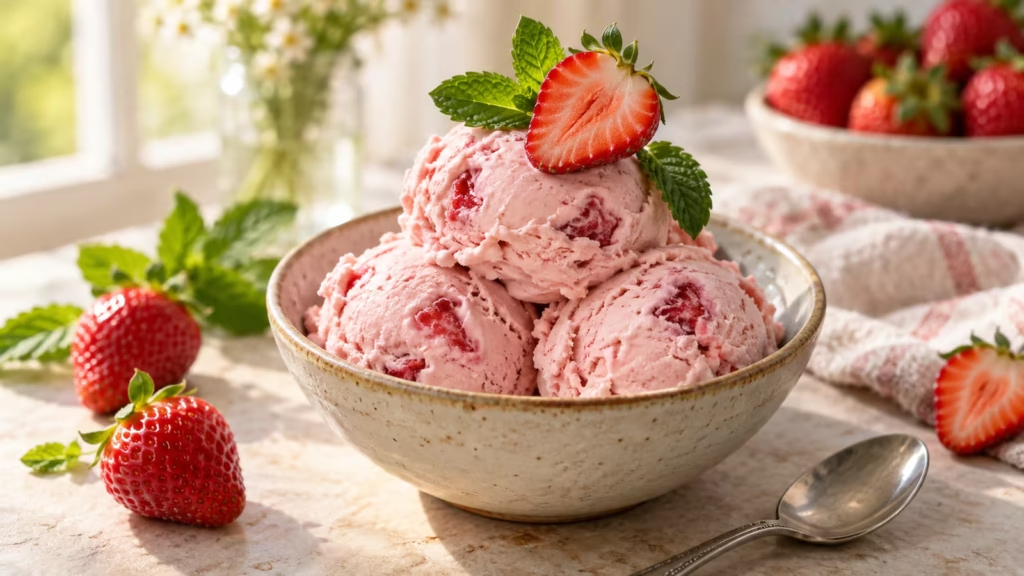
Low calorie ice cream can still feel like dessert when the recipe pays attention to texture, not just subtraction. Frozen strawberries provide the body, nonfat Greek yogurt adds creaminess and tang, and a modest amount of sweetener keeps the fruit tasting ripe. Everything comes together in a blender or food processor—no ice-cream machine required.
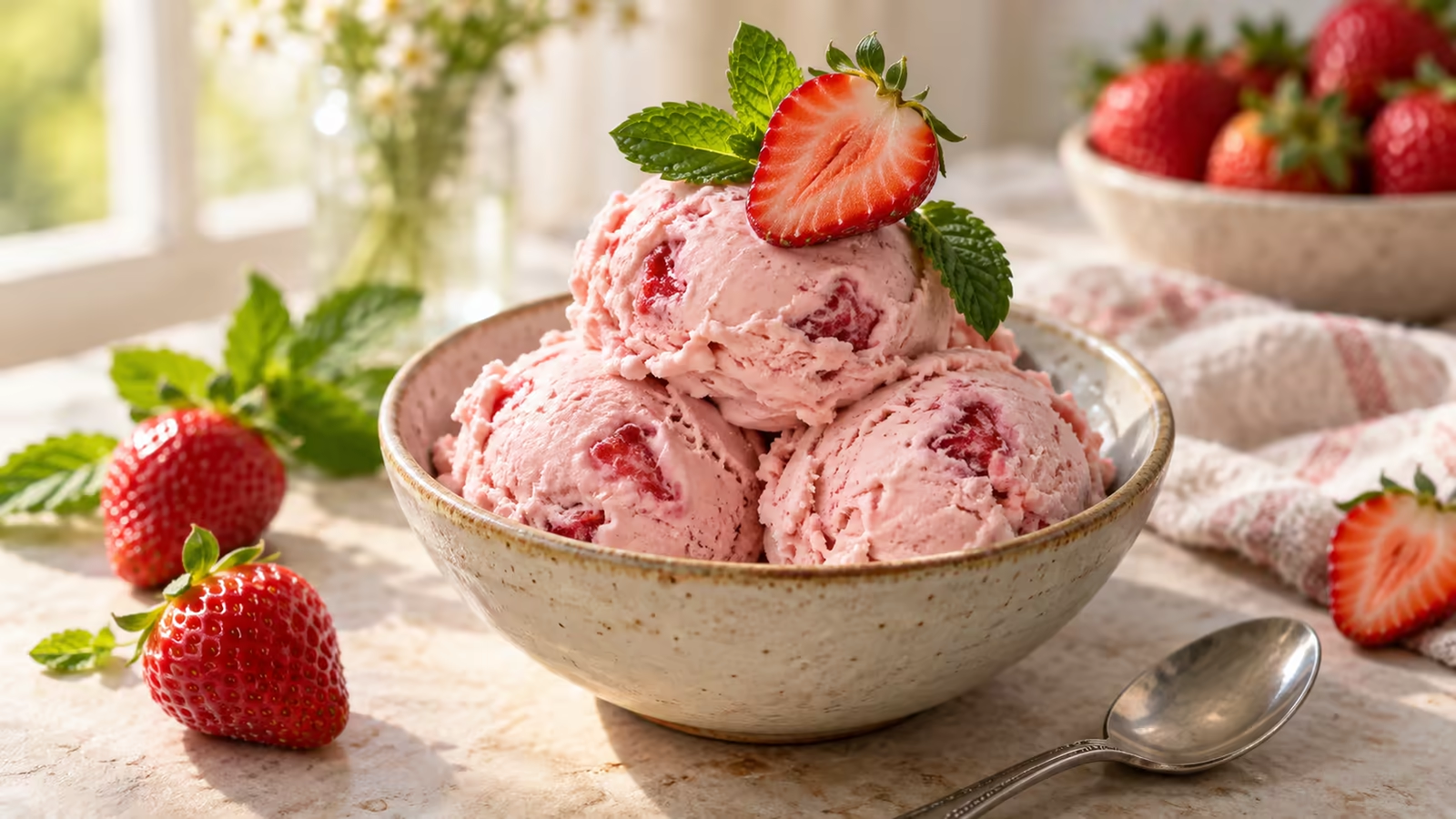
Cold dulls sweetness, so season the mixture while it is still soft and stop when the berries taste bright, not sugary.
Technically, this is a fruit-forward frozen yogurt-style dessert rather than a high-fat churned ice cream. That distinction is exactly why it works: you get a scoopable, refreshing bowl with everyday ingredients and a lighter profile, without asking a watery mixture to mimic premium custard. The berry-heavy base also means every serving tastes vivid before you reach for toppings.
What makes this low calorie ice cream work
Frozen strawberries are both the flavor and the structure. Their ice crystals break down into a thick purée, while the fruit’s natural fiber helps the mixture hold. Greek yogurt supplies protein and a creamy texture with less fat than a classic base of heavy cream and egg yolks.
A little unsweetened milk helps the blades move, but too much creates an icy block. Start with the smaller amount and add more by the tablespoon only if the machine stalls. Maple syrup or honey softens the freeze as well as sweetening; a granulated zero-calorie sweetener may taste fine, but the finished texture can be firmer. That tradeoff is worth knowing before you change the recipe.
This recipe is designed as a specific scoop, while Tastiva’s guide to choosing a healthier ice cream helps compare store-bought labels and portions. If you are curious why gelato feels different, the guide to gelato versus ice cream explains the role of air, fat, and serving temperature.
Choose ripe fruit and the right yogurt
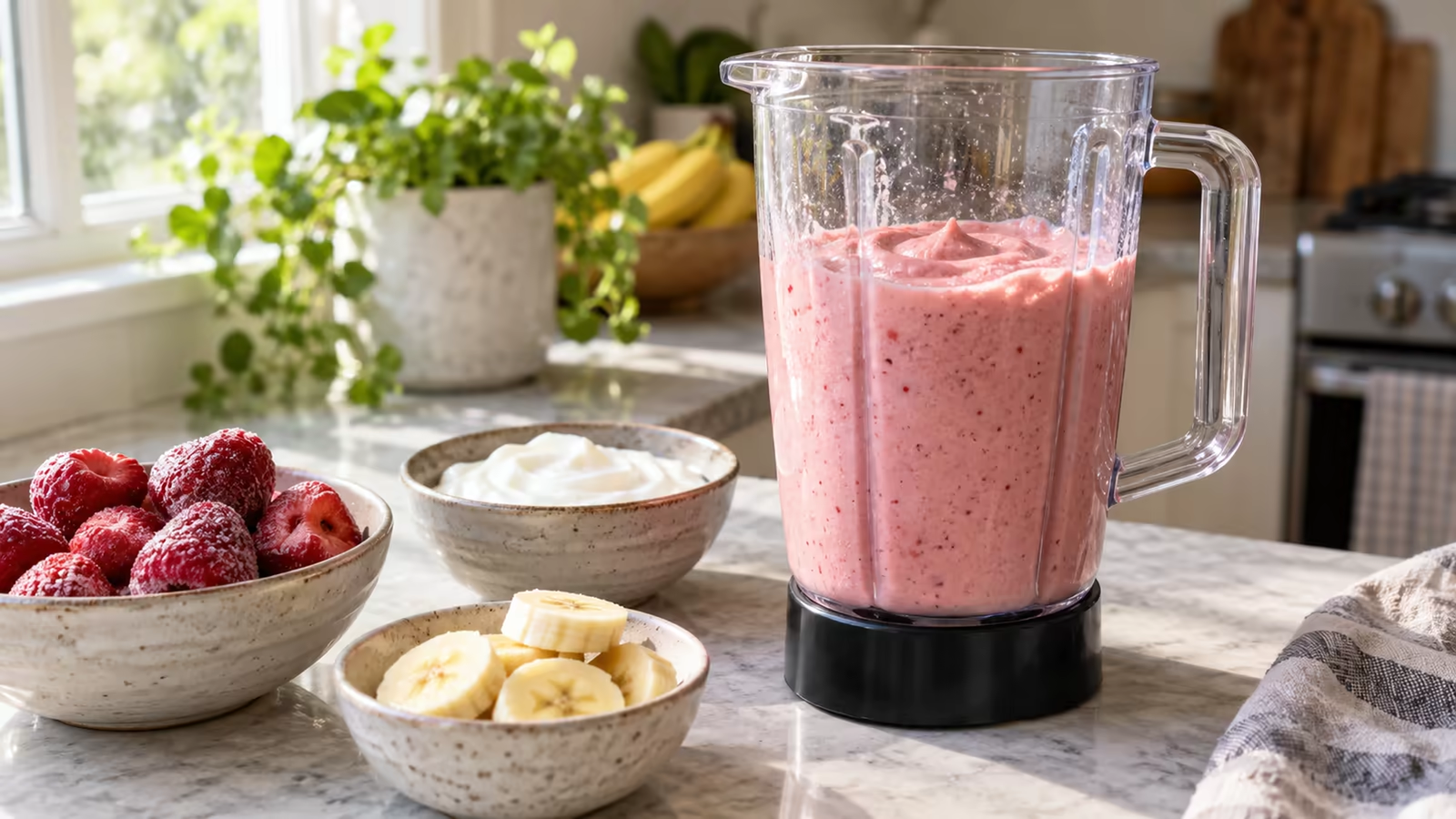
Use unsweetened frozen strawberries with strong color and aroma. If you freeze your own, hull and halve them first, freeze in a single layer, then bag once solid. Large whole berries are difficult for many blenders and can leave warm, overworked edges while the center stays chunky.
Plain nonfat Greek yogurt gives the lightest result, but two-percent yogurt makes a slightly silkier scoop. Avoid thin regular yogurt unless you reduce the milk, and check flavored yogurt for added sugar before adding the full sweetener. Vanilla, lemon juice, and a small pinch of salt make the strawberry flavor seem fuller without adding bulk.
Blend it creamy instead of icy
Pulse the frozen berries first until they resemble coarse crumbs. Add the yogurt, two tablespoons of milk, sweetener, vanilla, lemon, and salt, then process. Stop to scrape the bowl several times rather than pouring in extra liquid. The goal is a thick vortex that becomes smooth before friction starts melting it.
Taste the mixture when it reaches soft-serve texture. Add a little sweetener if the berries are tart, or another squeeze of lemon if the flavor seems flat. Serve immediately for the creamiest consistency. At this stage it is lush, cold, and spoonable, with no waiting at all.
A wide food processor often handles this thick mixture more easily than a narrow blender. If you use a blender, work in short bursts and use its tamper only as directed by the manufacturer. Stop once smooth; prolonged blending warms the yogurt and creates larger ice crystals when the mixture refreezes.
Freeze, scoop, and store it well
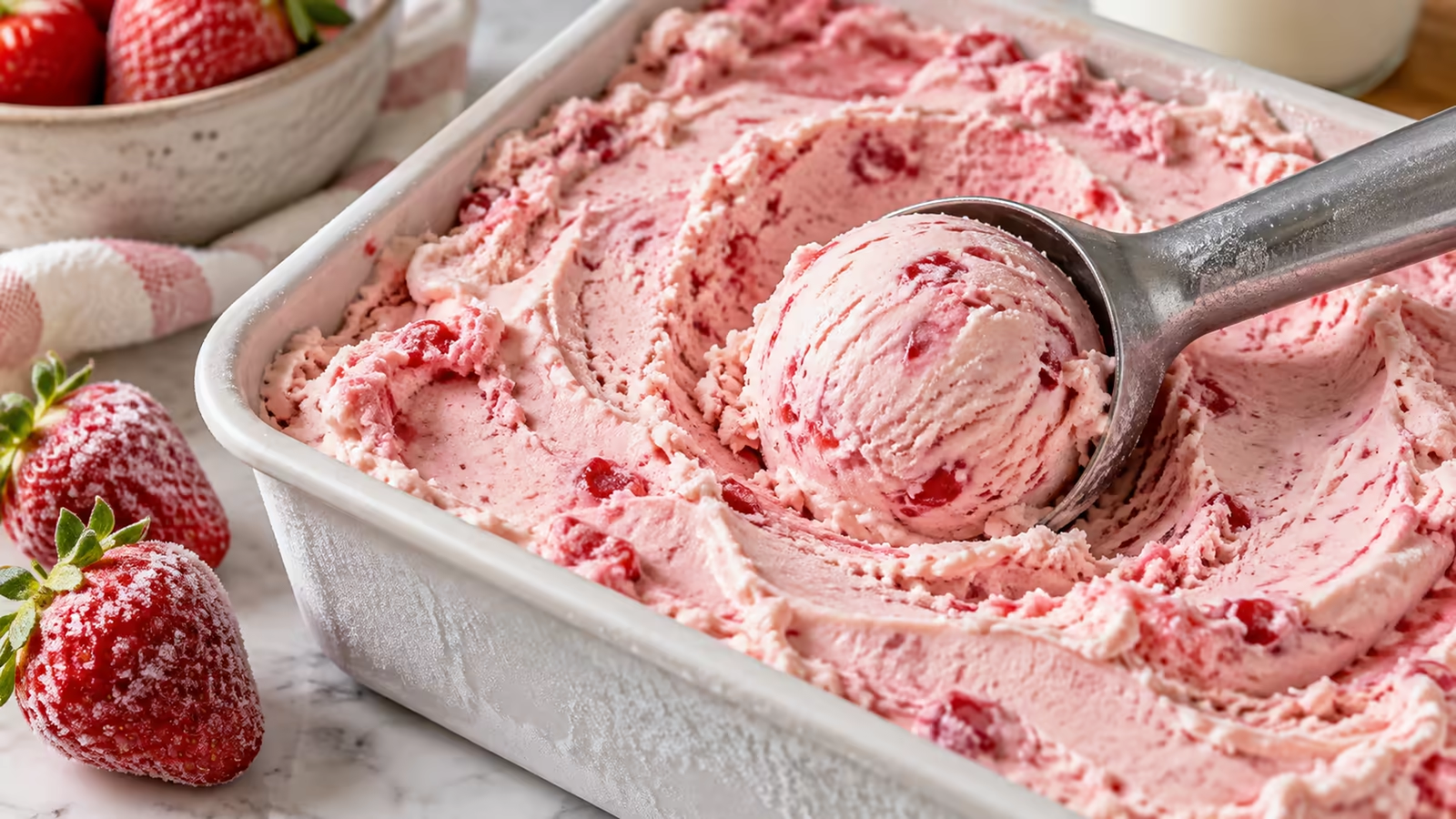
For firmer scoops, spread the mixture in a shallow loaf pan, press parchment directly against the surface, and freeze for about two hours. The shallow layer chills quickly and evenly. Do not expect a homemade low-fat base to remain soft for days; without much fat or commercial stabilizer, it naturally hardens in a home freezer.
If frozen longer, let the pan stand at room temperature for 10 to 15 minutes before scooping. Store it tightly covered and enjoy within two weeks for the freshest strawberry flavor. Small containers are useful because each one can soften without warming the entire batch repeatedly.
Keep toppings light and textural: a few sliced berries, chopped pistachios, toasted coconut, or a small square of dark chocolate adds contrast without hiding the fruit. Chilled bowls slow melting, especially on warm days, and make a modest scoop feel more deliberate.
Low-calorie ice cream recipe
The editable recipe card below gives exact amounts, blending cues, optional adjustments, and timing for six modest half-cup servings.
Strawberry Yogurt Low-Calorie Ice Cream

Ingredients
- 4 cups unsweetened frozen strawberries about 600 g; halved if large
- 1 cup plain nonfat Greek yogurt 240 g
- 2 to 4 tbsp unsweetened almond milk or low-fat milk as needed for blending
- 2 tbsp maple syrup or honey plus more to taste
- 1 tsp vanilla extract
- 1 tsp fresh lemon juice
- 1 pinch fine salt
Equipment
- High-speed blender or food processor
- Rubber spatula
- Loaf pan or shallow freezer-safe container optional, for firmer scoops
- Parchment paper optional
Instructions
- Add the frozen strawberries to a high-speed blender or food processor. Pulse until they are broken into coarse, even crumbs.
- Add the Greek yogurt, 2 tablespoons milk, maple syrup, vanilla, lemon juice, and salt. Process, stopping often to scrape the sides.
- Add more milk 1 tablespoon at a time only if the blades cannot move the mixture. Continue just until thick, smooth, and creamy.
- Taste and adjust the sweetness or lemon. Serve immediately for soft-serve texture.
- For firmer scoops, spread in a shallow container, press parchment against the surface, cover, and freeze for about 2 hours. If frozen longer, soften at room temperature for 10 to 15 minutes before scooping.
Notes
- Use unsweetened frozen strawberries; added-sugar fruit changes both sweetness and texture.
- Add milk sparingly. Excess liquid makes the frozen dessert icy.
- Keep tightly covered and use within 2 weeks for the best flavor.
- Nutrition is intentionally left for manual calculation because yogurt, milk, sweetener brands, and final yield vary.
Tried this recipe?
Let us know how it turned out!Sources
These references support the ingredient and storage context used in this recipe guide:
Hi, I’m Laura, the voice behind Tastiva. I’ve always believed that eating well should feel enjoyable, comforting, and realistic—not like another complicated rule to follow. I love creating recipes that fit into everyday life, sharing simple nutrition ideas, and finding small ways to make meals feel a little better without losing the pleasure of good food.