

Evaporated milk is the quiet can I reach for when a soup needs silkiness but a carton of cream would be too rich—or would spoil before I use it. It is milk with part of its water removed, then homogenized, sealed, and heat-processed. Plain evaporated milk is unsweetened. That one word separates it from sweetened condensed milk, the thick sugary product meant for desserts. It is also not powdered milk, heavy cream, or a dairy-free creamer, even when the cans sit shoulder to shoulder.
Evaporated milk is concentrated, unsweetened dairy: creamy enough to change a sauce, practical enough to wait in the pantry.
What evaporated milk is—and what it is not
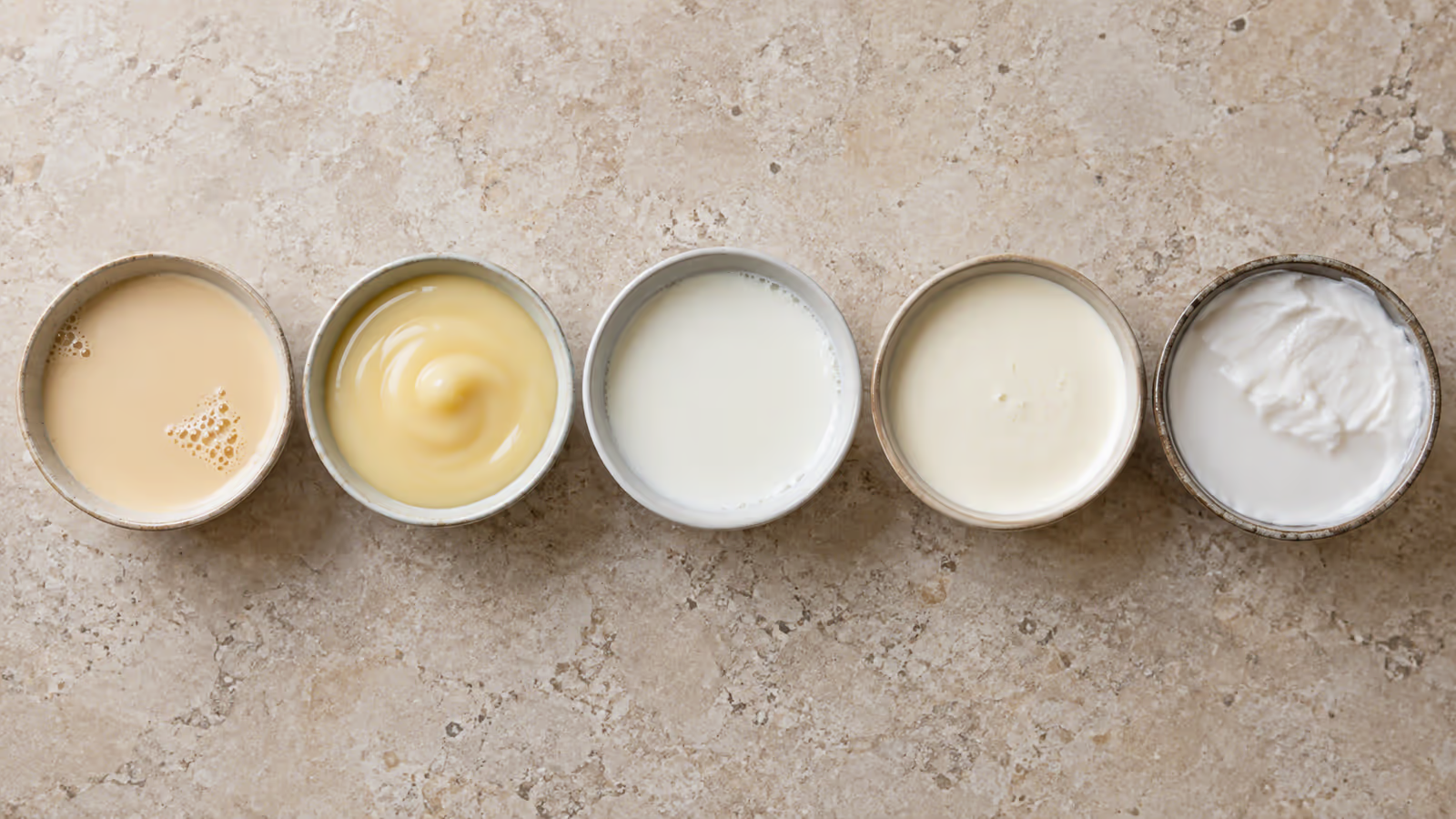
The U.S. standard defines evaporated milk as milk from which water has been partially removed. It must contain at least 6.5% milkfat, 16.5% nonfat milk solids, and 23% total milk solids, with added vitamin D. Lower-fat and fat-free evaporated milk are covered by separate standards and behave a little differently in cooking. Heat processing gives the milk its beige tint and gently cooked, almost caramelized flavor.
| Product | Sweetened? | Texture and flavor | Best use |
|---|---|---|---|
| Evaporated milk | No added sugar in the standard plain product | Creamy, concentrated, lightly cooked flavor | Soups, sauces, baking, coffee, and creamy dishes |
| Sweetened condensed milk | Yes—very sweet | Thick, sticky, dessert-like | Key lime pie, fudge, flan, and other sweets |
| Regular milk | No | Thinner and fresher-tasting | Drinking, cereal, sauces, and general baking |
| Heavy cream | No | Richer and much higher in fat | Whipping, rich sauces, and desserts |
| Coconut milk | Usually no, but check the can | Coconut flavor; dairy-free when plainly labeled | Curries, soups, desserts, and some substitutions |
Sweetened condensed milk contains a large amount of added sugar and is far thicker, so swapping it into macaroni and cheese is an unforgettable mistake. Heavy cream has much more fat and can whip; evaporated milk generally cannot behave like standard whipping cream. Regular milk is thinner because it contains more water. Canned coconut milk can replace dairy in some dishes, but it brings coconut flavor and different fat and protein.
Read the exact can rather than relying on color or size. “Filled milk,” shelf-stable milk, condensed milk, evaporated goat milk, and plant-based evaporated products follow different formulations. Plain evaporated cow’s milk contains dairy protein and lactose, so it is not suitable for a milk allergy and may bother someone with lactose intolerance.
Nutrition: concentrated milk, not cream in disguise
Removing water concentrates milk’s naturally occurring protein, carbohydrate, minerals, and calories into a smaller volume. A typical quarter cup of whole evaporated milk provides around 80 calories, 4 grams of protein, 4 to 5 grams of fat, and about 6 grams of carbohydrate, plus calcium and vitamin D. Brands and fat levels differ, so use the serving printed on your can for exact planning.
The carbohydrate is largely lactose, the natural sugar in milk—not added table sugar in an ordinary unflavored product. “No added sugar” does not mean sugar-free. Sodium also varies. Fat-free evaporated milk reduces calories and saturated fat but can taste less rounded and may be more prone to a lean texture in sauce; whole evaporated milk sits between regular whole milk and cream in richness.
- Protein: useful dairy protein, concentrated along with the milk solids.
- Calcium and vitamin D: amounts vary by brand and serving; vitamin D is added under the U.S. standard.
- Lactose: still present unless the product is specifically labeled lactose-free.
- Milk allergy: plant-based alternatives may help, but evaporated cow’s milk is not safe for an allergy.
- Saturated fat: compare whole, low-fat, and fat-free cans according to the dish and your needs.
If lactose causes symptoms, the amount you tolerate may differ from another person’s. The NIDDK notes that many people with lactose intolerance can handle some lactose, especially with meals, while a milk allergy is an immune reaction and requires different precautions. Do not use one diagnosis as shorthand for the other.
Where it works beautifully in the kitchen

Use evaporated milk undiluted when you want body: whisk it into tomato soup, chowder, mashed potatoes, macaroni and cheese, scalloped vegetables, curry, custard, pumpkin pie, or a pan sauce. Its concentrated proteins and lactose encourage browning in baked dishes. Add it over moderate heat and avoid a violent boil in acidic sauces, which can encourage curdling.
For a regular-milk stand-in, many manufacturers suggest mixing equal parts evaporated milk and water. That restores roughly the missing water, but the cooked flavor remains and the fat level may not match the milk a recipe expects. It works well in pancakes, quick breads, sauces, and cereal in a pinch; delicate custards or yeast doughs may need a tested recipe rather than casual substitution.
A plant-based swap depends on the dish. Full-fat canned coconut milk provides richness but a clear coconut note; our guide to cream of coconut explains why the sweetened product is not the same thing. Unsweetened soy cooking milk brings more protein, while oat or cashew products can be mild. Compare sweetness, thickness, and fortification—not just the word “creamy.”
Substitutes and storage after the can opens
If you have no evaporated milk, gently reducing regular milk can approximate its concentration, although it takes time and can scorch. Half-and-half makes a richer substitute; a combination of milk and cream can be adjusted to the dish. Reconstituted dry milk may work in baking. For every swap, start with the recipe’s purpose: thinning a soup is forgiving, while a set custard depends on a precise balance of liquid, protein, sugar, and egg.
An unopened can belongs in a cool, dry place away from heat, and its printed date is your quality guide. Reject cans that are bulging, leaking, badly rusted, or deeply dented along a seam. Once opened, transfer leftovers to a clean covered container, refrigerate promptly at 40°F (4°C) or below, and follow the brand’s direction for how quickly to use them. Do not store leftovers in the opened can.
Freeze leftover evaporated milk only when texture changes will not matter; it can separate or look grainy after thawing, though whisking may make it suitable for soup or baking. Label small portions before freezing so they do not become pale mystery cubes. When refrigerated milk smells sour, looks moldy, has unexpected gas, or has sat out too long, let it go. The can is useful because it prevents waste before opening; a simple plan prevents waste afterward.
Sources
- eCFR: 21 CFR § 131.130—Evaporated Milk
- USDA FoodData Central
- National Institute of Diabetes and Digestive and Kidney Diseases: Eating, Diet, and Nutrition for Lactose Intolerance
- FoodSafety.gov: FoodKeeper App

Hi, I’m Laura, the voice behind Tastiva. I’ve always believed that eating well should feel enjoyable, comforting, and realistic—not like another complicated rule to follow. I love creating recipes that fit into everyday life, sharing simple nutrition ideas, and finding small ways to make meals feel a little better without losing the pleasure of good food.