
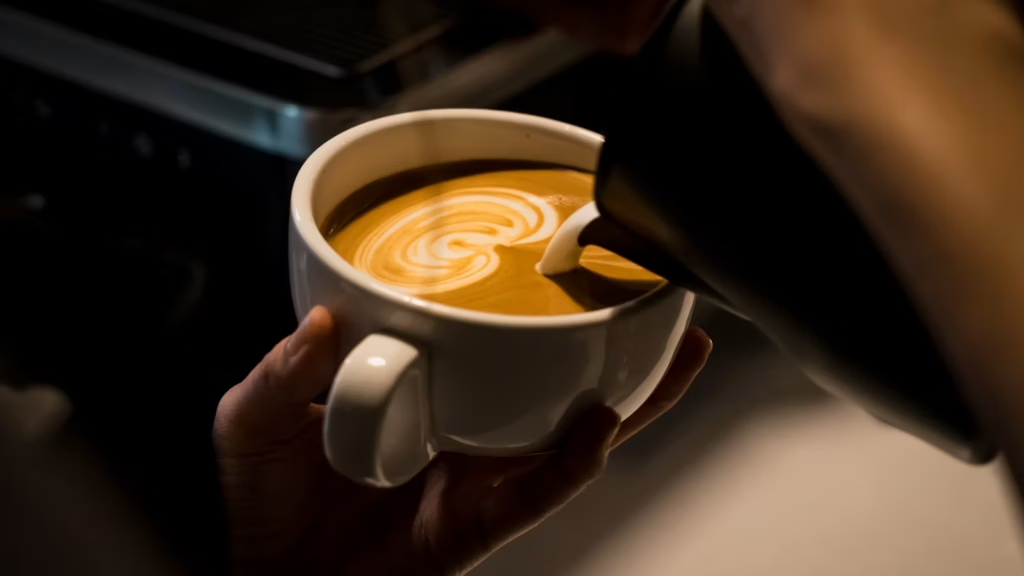
The café menu makes a cappuccino and a latte sound like close cousins because both begin with espresso and milk. In the cappuccino vs latte decision, the useful difference is proportion: a cappuccino is smaller and foamier, while a latte carries more steamed milk and a thinner cap of foam.
Choose a cappuccino for a more concentrated espresso-and-foam experience; choose a latte for a milkier, gentler cup.
Table of Contents
Cappuccino vs latte at a glance
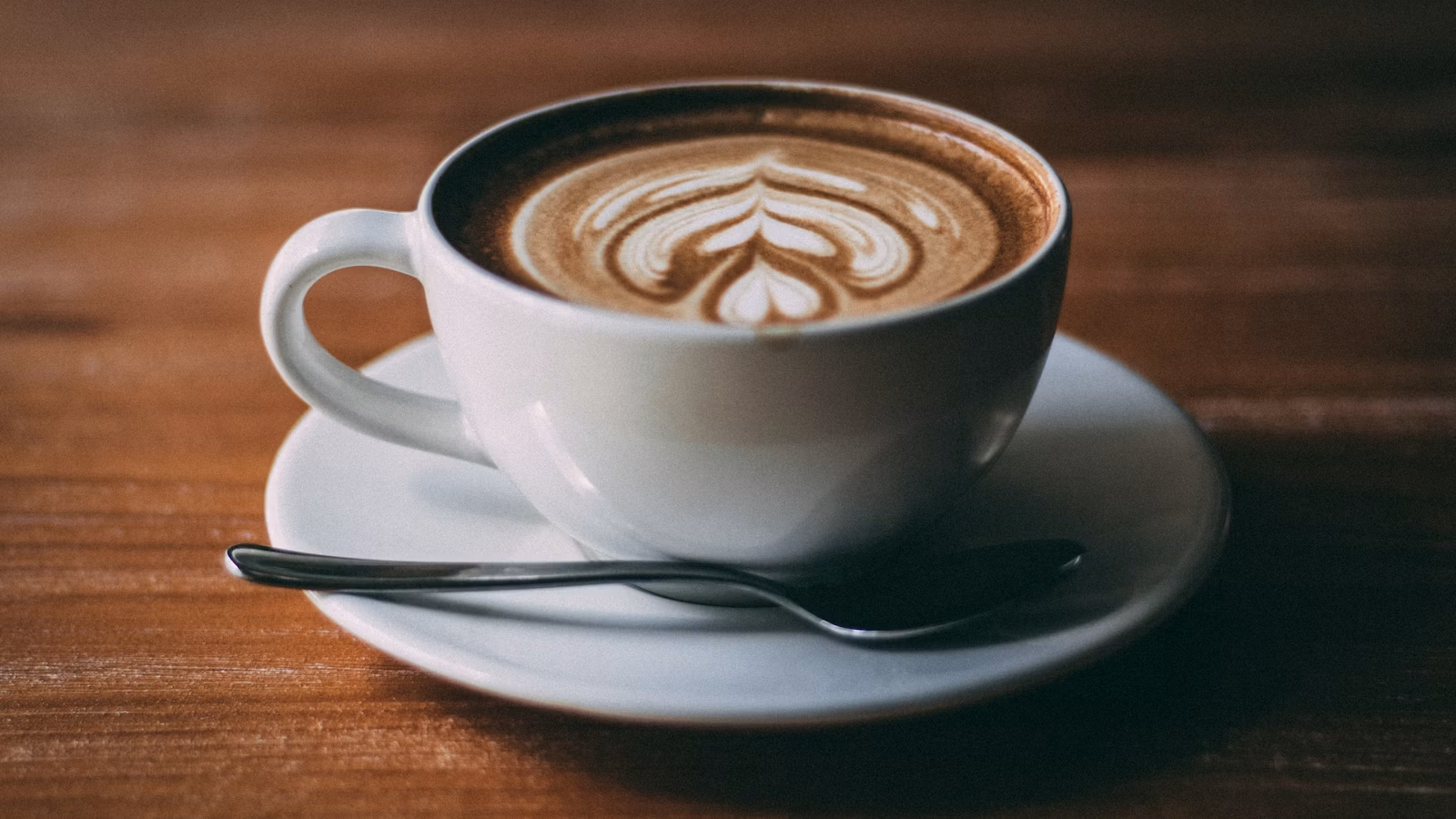
A traditional cappuccino is commonly served in a 5- to 6-ounce cup with espresso, steamed milk, and a substantial layer of foam. A latte is usually larger, often 8 to 12 ounces or more in U.S. cafés, with much more steamed milk and a light layer of microfoam. Exact recipes vary by shop, country, and cup.
The familiar one-third espresso, one-third steamed milk, one-third foam formula is a helpful picture, not a universal law. Modern baristas often texture the milk as one glossy liquid and pour it so the foam integrates rather than sitting like a separate bubble bath.
- Cappuccino: smaller, foam-forward, stronger coffee impression.
- Latte: larger, milk-forward, softer espresso impression.
- Both: usually begin with the same number of espresso shots at a given café, but always ask.
Cup size is the easiest clue when a menu gives no description, but it is not proof. Some shops use one shot in every small drink and two in every large drink; others keep the shot count fixed. Asking one quick question can prevent a surprisingly milky or surprisingly strong order.
How milk and foam change the flavor
Espresso does not necessarily change between the drinks; dilution does. More milk spreads the same coffee flavor across a larger volume, softening bitterness and acidity. In a cappuccino, less liquid milk allows roast character to stay more prominent, while the thicker foam makes each sip feel lighter and drier.
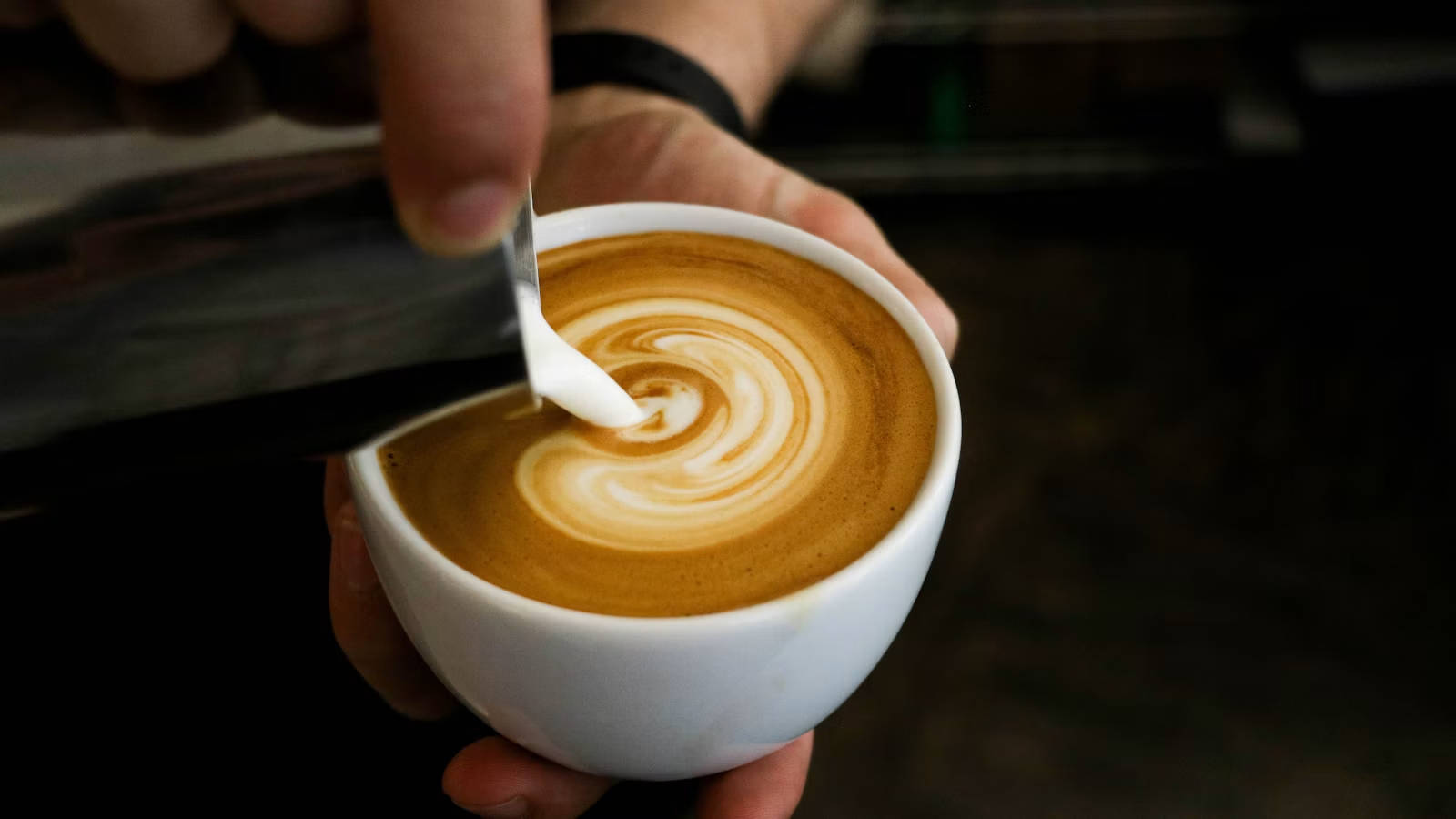
Good microfoam should look glossy and pour smoothly, with bubbles too small to distinguish easily. Cappuccino foam is usually deeper, but it should not be stiff like meringue. Latte milk is more fluid, which is why it supports detailed latte art.
If you enjoy the flavor of coffee but find straight espresso intense, a latte is the safer first order. If you want milk to round the espresso without becoming the main flavor, I would start with a cappuccino.
Which has more caffeine, calories, and protein?
Caffeine depends primarily on the espresso dose, not the drink name. A cappuccino and latte made with the same one or two shots have similar caffeine even though the latte is larger. Cafés use different shot counts and bean recipes, so menu information beats a blanket number.
Milk changes the calorie, carbohydrate, protein, and fat totals. Because a latte generally contains more milk, it usually provides more of each than a cappuccino made with the same milk. Plant drinks vary widely in added sugar, protein, and fat, and “oat latte” is not a nutrition specification by itself.
- Ask how many shots are included.
- Check whether flavored syrup is sweetened.
- Compare the actual milk and cup size.
- Use the café’s posted nutrition for a precise order.
Coffee itself contributes fluid. If caffeine and hydration are on your mind, Hydration depends on the whole day’s pattern, not on the drink name alone.
How to order the drink you want
Order by sensory preference rather than by which name sounds more sophisticated. Ask for a dry cappuccino if you want more foam and less liquid milk, or a wet cappuccino for something closer to a small latte. A flavored latte can be sweet, so request fewer syrup pumps when you want the espresso to stay noticeable.
At home, texture matters more than perfect ratios. Steam or froth cold milk until glossy, tap out large bubbles, and pour immediately. No machine? A jar frother or French press can make pleasant foam, though it will not exactly match café microfoam.
If you want a roasty drink without espresso, chicory coffee is a different category worth understanding rather than treating it as a one-to-one latte substitute.
Sources
These references support the preparation, ingredient, nutrition, and food-safety details in this article.
- Coffee Association of Canada: Styles of Coffee
- Specialty Coffee Association: Defining Espresso
- Specialty Coffee Association: What Is Specialty Coffee?

Hi, I’m Laura, the voice behind Tastiva. I’ve always believed that eating well should feel enjoyable, comforting, and realistic—not like another complicated rule to follow. I love creating recipes that fit into everyday life, sharing simple nutrition ideas, and finding small ways to make meals feel a little better without losing the pleasure of good food.