
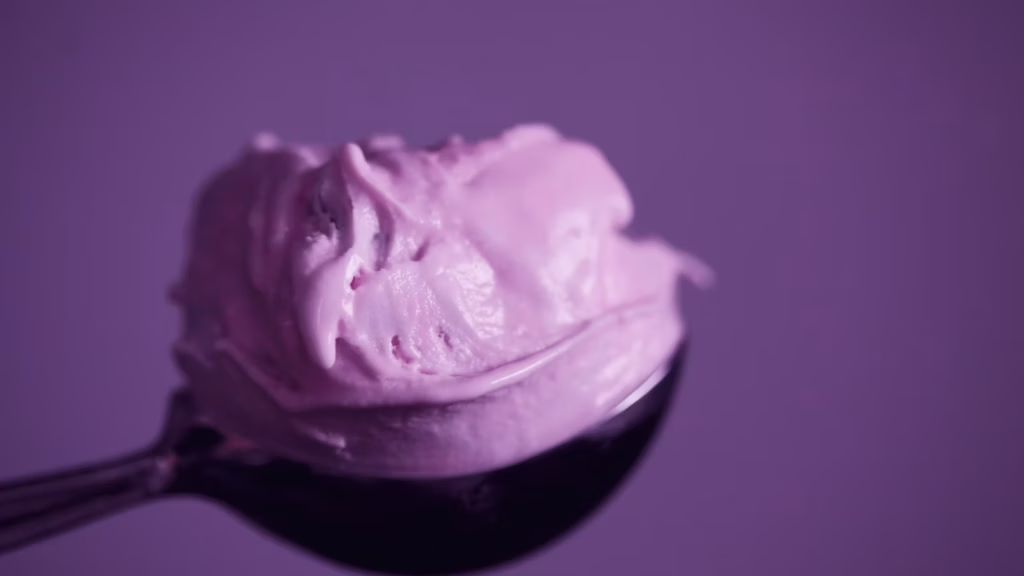
Ube gets attention for its vivid purple color, but the flavor is what makes people keep looking for it: gently sweet, earthy, and often described as vanilla-like or nutty. It is a species of yam, Dioscorea alata, with deep roots in Filipino cooking. The ingredient can be subtle on its own, which is why careful recipes build rather than bury its character.
Ube is a specific purple yam, not a catch-all name for every violet root or dessert.
What ube tastes like
Fresh ube is starchy and earthy before it is sweet. Cooking softens that starch and brings forward a rounded aroma that works beautifully with coconut, dairy, and vanilla. In desserts, the flavor can seem richer because sugar and fat amplify it. Ube extract intensifies color and aroma, so an ube-flavored cake may taste bolder than the steamed yam itself.
Color is not a reliable measure of flavor. Some cooked yams are a dusky lavender, while commercial jams and pastries can be an electric violet. Read the ingredient list before assuming the shade came only from the root. A paler homemade batch can still be deeply satisfying.
Ube vs. purple sweet potato and taro
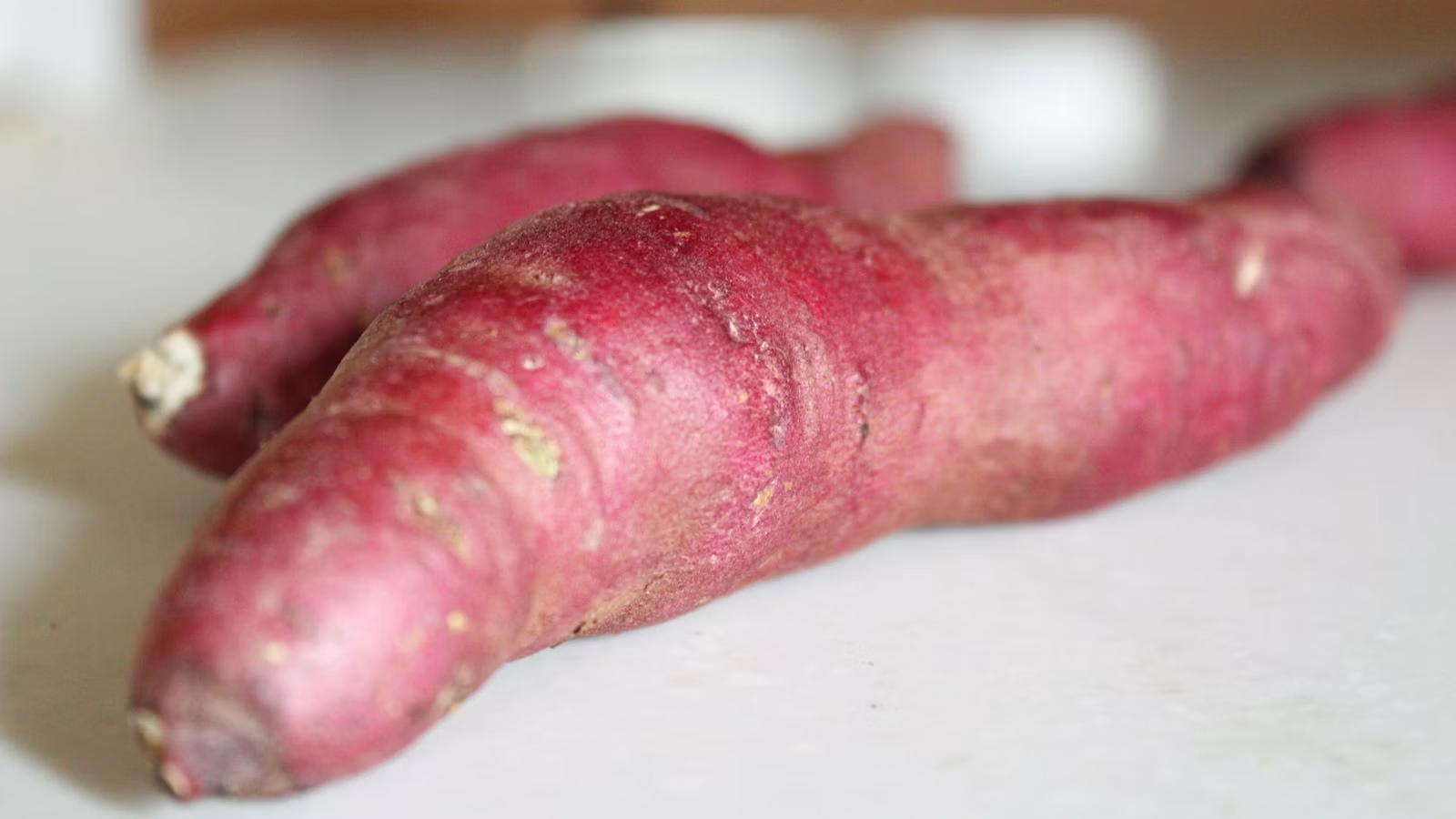
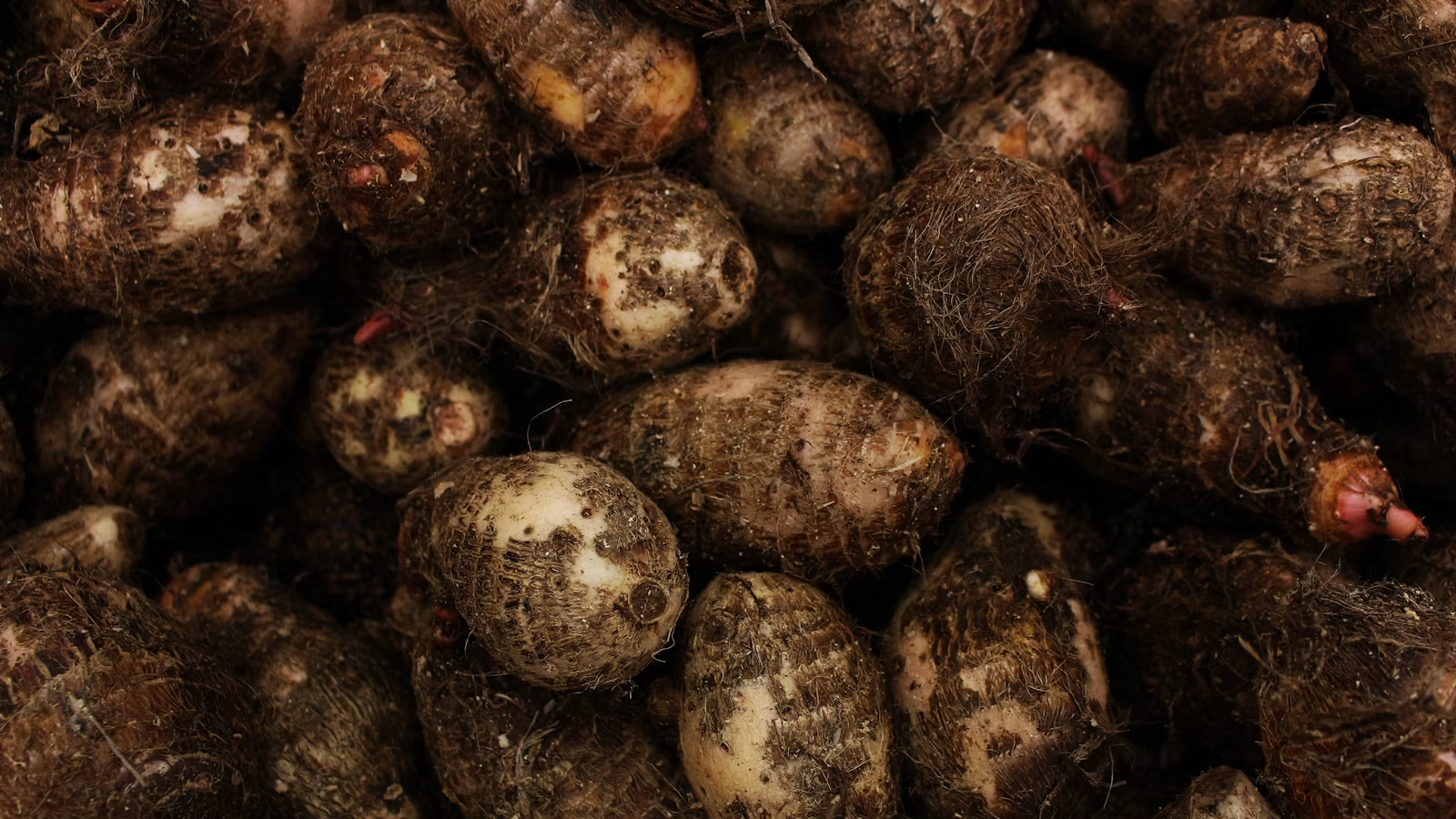
Ube is a true yam. Purple sweet potatoes belong to a different botanical family and are usually sweeter and moister. Tastiva’s purple sweet potato guide covers that ingredient in detail. Taro is different again: its flesh is commonly pale with purple flecks, and its flavor is nuttier and less naturally sweet.
The confusion is understandable because labels vary and all three appear in purple desserts. Look for “purple yam” or Dioscorea alata on a fresh or frozen package. If the product is a prepared spread, look for “ube halaya.” When accuracy matters, the name on the label is more useful than the color on the package.
The forms you will find in stores
Fresh ube is wonderful but not always easy to find. Frozen grated ube is often the most practical choice for home cooks because it gives you real yam without peeling a tough, irregular tuber. Ube halaya is a cooked purple-yam jam, usually made with sugar and milk or coconut milk. Powder and extract serve different jobs: powder contributes some body, while extract is mainly a concentrated flavor-and-color helper.
- Fresh whole ube: best when you want to steam or boil the tuber yourself.
- Frozen grated ube: convenient for halaya, cakes, and enriched breads.
- Ube halaya: ready-made filling or spread; sweetness varies by brand.
- Ube powder: shelf-stable, but often needs rehydrating and may taste mild.
- Ube extract: powerful and easy to overuse; follow the label and add gradually.
How to cook with ube
Cook fresh ube before eating it. Scrub, peel carefully, cut it into even pieces, and steam or boil until completely tender. Gloves are useful because the color can stain. From there, mash it for halaya, fold it into dough, or blend it into a custard base. Frozen grated ube should also be cooked according to its package directions.
Pair ube with coconut milk, condensed milk, vanilla, warm spices, or a pinch of salt. Begin with one ube form and taste before layering in extract; otherwise the perfume can outrun the root. In Filipino desserts such as halo-halo, ice cream, and cakes, ube often shares the stage with creamy and chewy textures rather than acting alone.
Buying and storing it well
Choose fresh tubers that feel firm and heavy, without soft spots, leaks, or a sour smell. Store them in a cool, dark, ventilated place and cook them while they are still sound. Refrigerate cooked ube promptly in a covered container and use it within three to four days. Freeze cooked purée in small portions if you will not use it soon.
For frozen, powdered, extracted, or jarred products, follow the package after-opening instructions. Recipes are not always interchangeable because halaya already contains sugar and fat, while plain grated ube does not. That one distinction prevents most disappointing substitutions.
When a recipe calls for ube, match the form before you shop. One cup of grated cooked yam cannot be replaced with one cup of extract, and sweet halaya changes both sugar and moisture. If only a different form is available, choose a recipe designed for it. This is kinder to the ingredient and far more reliable than trying to correct color, sweetness, and texture all at once.
Sources
- Peer-reviewed review of Dioscorea alata composition
- Food & Wine: Get to Know Ube
- FoodSafety.gov: Cold Food Storage Charts

Hi, I’m Laura, the voice behind Tastiva. I’ve always believed that eating well should feel enjoyable, comforting, and realistic—not like another complicated rule to follow. I love creating recipes that fit into everyday life, sharing simple nutrition ideas, and finding small ways to make meals feel a little better without losing the pleasure of good food.