
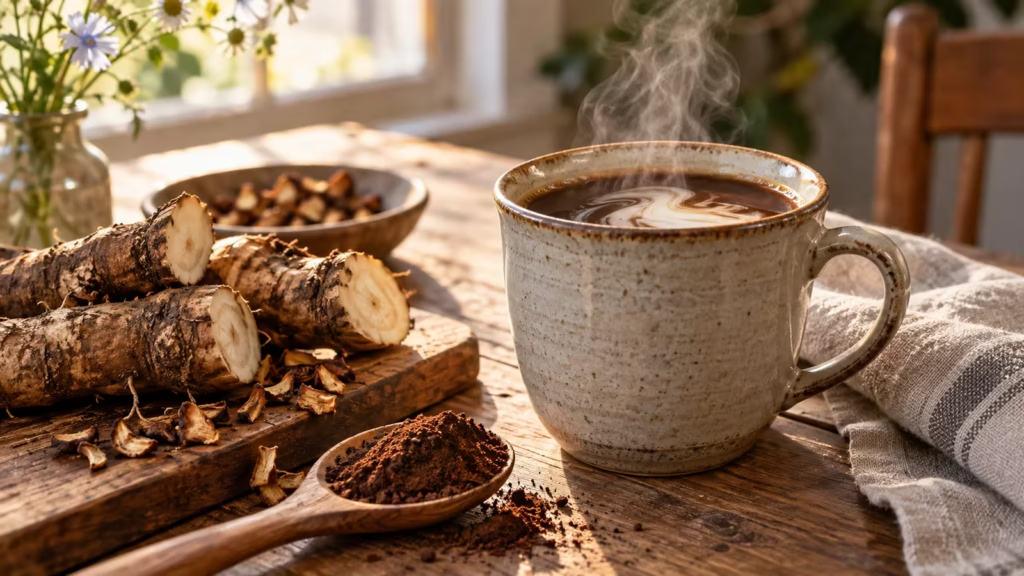
Chicory coffee is the cup I make when I want deep roasted flavor without another round of caffeine. Brewed on its own, roasted chicory root tastes earthy, nutty, faintly bitter, and a little caramel-like. It has enough backbone for milk, yet it can be wonderfully clean and aromatic served black.
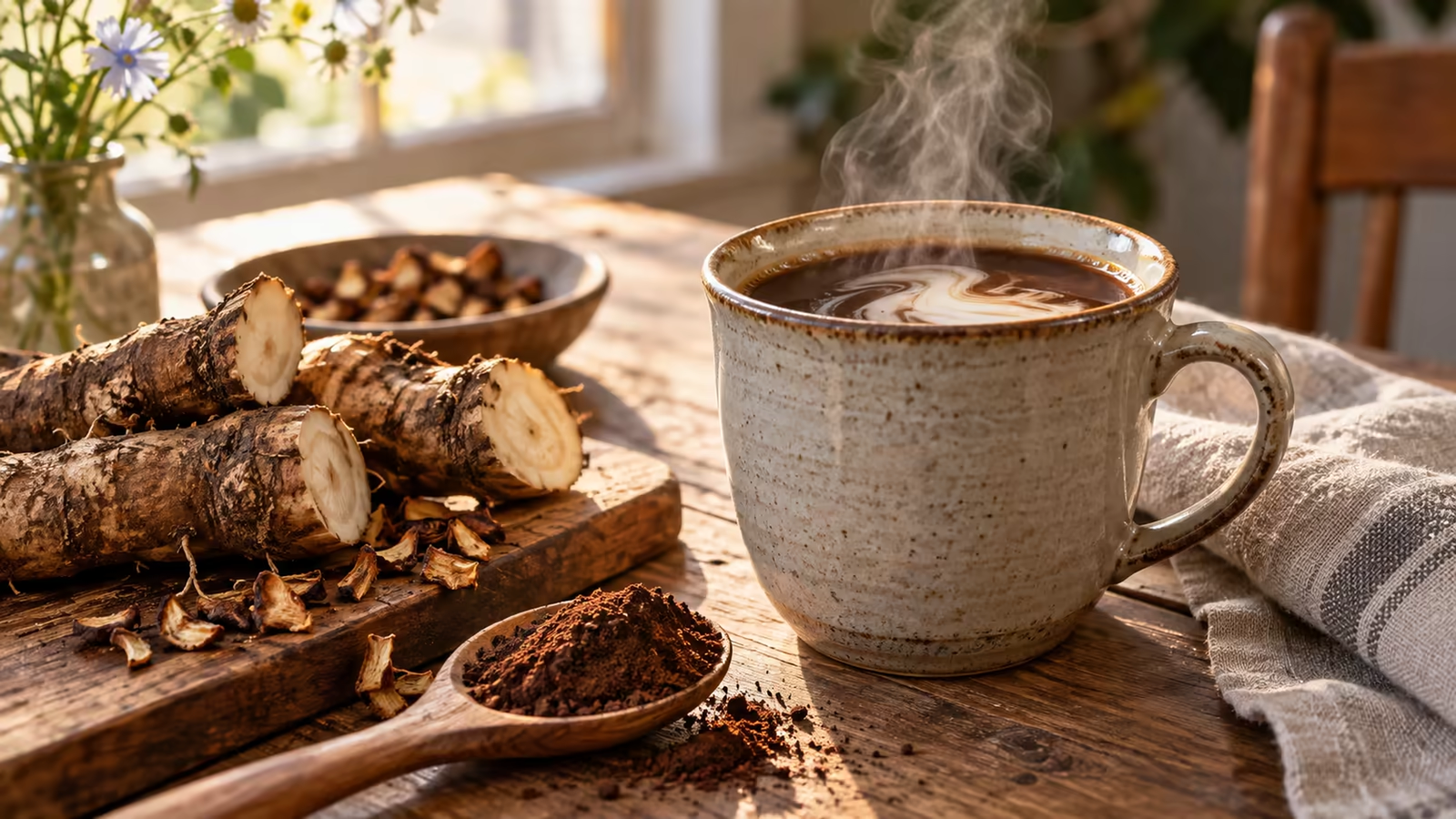
Start lighter than you think, then strengthen the next pot—chicory rewards a gentle hand more than a crowded filter.
This recipe uses roasted chicory root granules rather than a coffee-and-chicory blend, so the basic brew is naturally caffeine-free. The method works in a saucepan, French press, or drip brewer, but the stovetop version gives you the most control over steeping and strength.
What chicory coffee tastes like
Chicory does not taste exactly like coffee, and it is more enjoyable when you do not ask it to impersonate one. The roast brings familiar toast, cocoa, and dark-caramel notes, while the root contributes a woodsy character and a round finish. It has no coffee bean oils, so the body is often lighter unless you add milk.
The flavor shifts quickly with concentration. Too little can seem thin; too much becomes sharply bitter. For four cups of water, one quarter cup of coarse roasted chicory is a balanced place to begin. If you prefer a darker cup, add an extra tablespoon next time instead of steeping the first batch indefinitely.
Pure chicory contains no caffeine, but packaged New Orleans-style blends often include coffee. Read the ingredient panel if avoiding caffeine matters to you. Tastiva’s guide to what coffee is doing in your cup gives useful context for thinking about caffeine, portions, and the rest of your routine.
Choose and store roasted chicory root
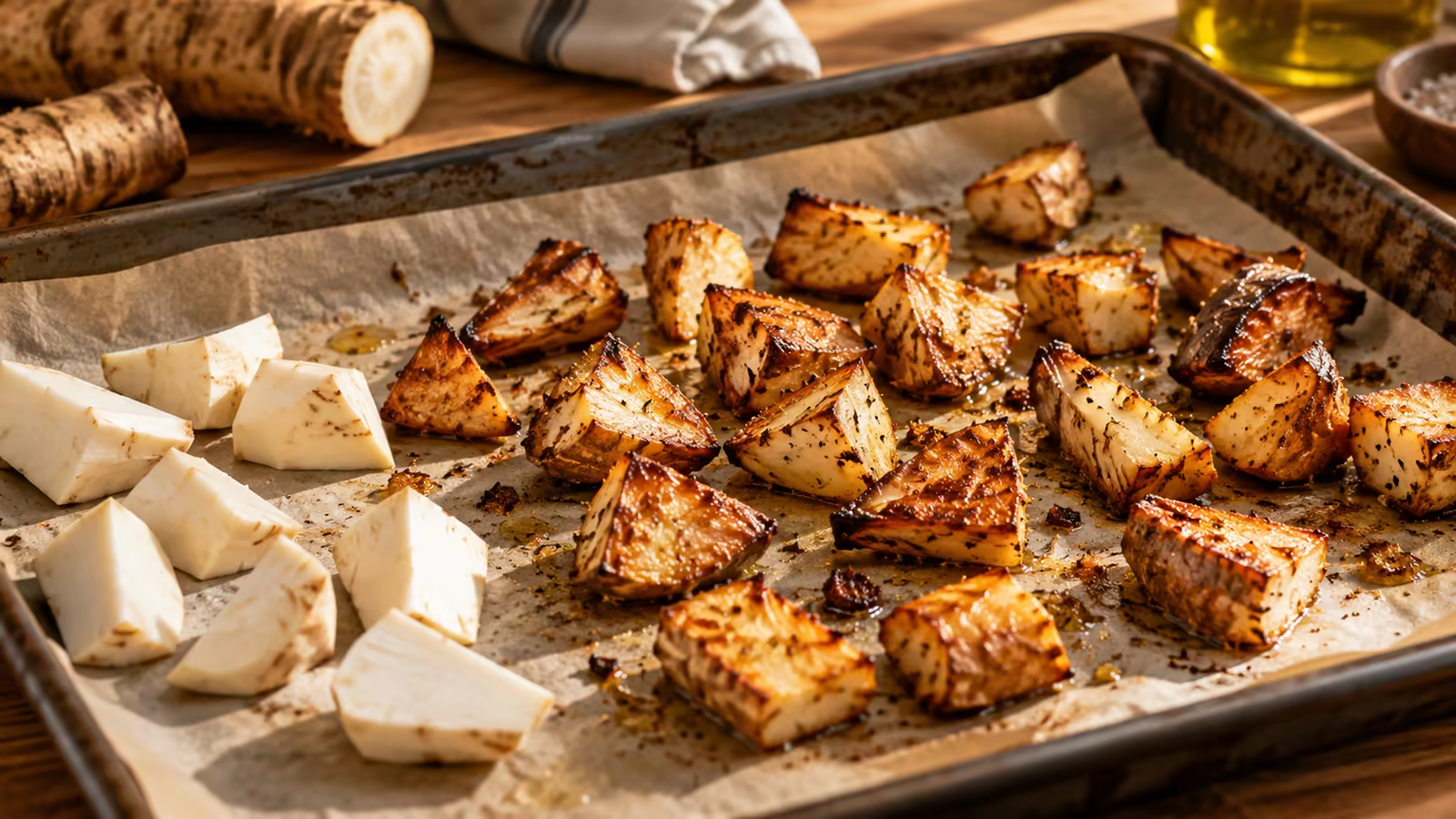
Buy chicory labeled roasted and food-grade, ideally in coarse granules similar to ground coffee. Raw root needs careful cleaning, slicing, drying, roasting, and grinding; starting with a prepared product makes the recipe much more repeatable. A medium-to-dark roast usually gives the warmest flavor without excessive bitterness.
Keep the granules airtight in a cool, dark cupboard and use a dry scoop. Their aroma fades after opening, so buy an amount you can finish while it still smells strongly roasted. If the package has specific brewing directions, treat them as a helpful baseline because grind size changes extraction.
How to brew a smooth, full-flavored cup
Bring the water just to a boil, take the pan off the heat, and stir in the chicory. Cover and steep for five minutes before tasting. Coarse granules need a little longer than fine ones, but seven minutes is usually enough. Strain through a fine-mesh sieve lined with a coffee filter if you want a completely clear cup.
A French press makes the same process tidy: add chicory, pour in just-boiled water, stir, cover, and press after five to seven minutes. For a drip coffee maker, use a paper filter and start with slightly less chicory, because the finer bed can extract more intensely. Never pack the basket beyond the machine manufacturer’s limit.
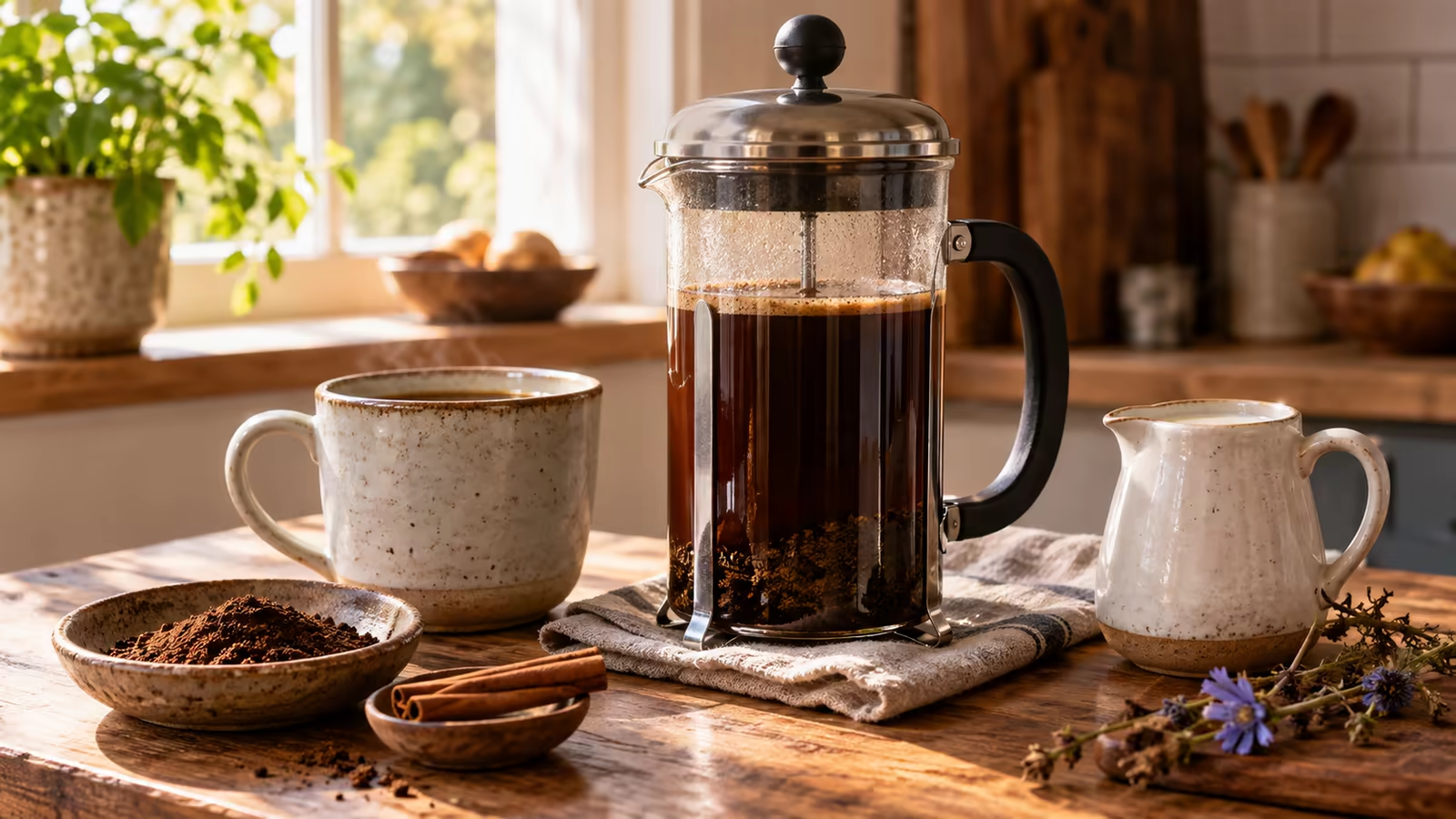
Taste before adding anything. If it is too strong, dilute the cup with hot water rather than masking it with sugar. If it is weak, increase the chicory in the next brew. That small adjustment keeps the pleasant roasted bitterness while avoiding the dry, woody finish that comes from over-extraction.
Milk, sweeteners, blends, and leftovers
Warm milk or oat milk softens chicory’s edges and adds body. Maple syrup, honey, brown sugar, cinnamon, or vanilla all fit, but begin with a small amount so the roasted flavor remains the center of the cup. For a traditional coffee blend, replace one quarter to one half of your usual grounds with chicory and remember that the result will contain caffeine.
Serve it hot, pour it over ice, or chill it for a café-au-lait-style drink. Refrigerate plain leftover brew in a covered container and use it within three days for the best aroma. Reheat gently without boiling. Because chicory can feel intense on an empty stomach for some people, start with a modest cup and notice how it suits you.
Chicory coffee recipe
The editable recipe card below gives the exact ratio, timing, equipment, and optional additions for four cups of smooth stovetop chicory coffee.
Stovetop Chicory Coffee

Ingredients
- 4 cups filtered water 960 ml
- 1/4 cup coarsely ground roasted chicory root about 25 g
- 1/4 tsp ground cinnamon optional
- warm milk or oat milk optional, for serving
- maple syrup, honey, or brown sugar optional, to taste
Equipment
- Medium saucepan with lid
- Fine-mesh sieve
- Coffee filter optional, for a clearer brew
- Heatproof pitcher
Instructions
- Bring the water just to a boil in a medium saucepan, then remove the pan from the heat.
- Stir in the roasted chicory root and cinnamon, if using. Cover and steep for 5 minutes.
- Taste carefully. For a stronger brew, cover and steep for up to 2 minutes longer; avoid a long steep that can turn woody and bitter.
- Strain through a fine-mesh sieve into a heatproof pitcher. For a very clear cup, line the sieve with a rinsed paper coffee filter.
- Pour into warm mugs. Serve black or add warm milk and sweetener to taste.
Notes
- Use pure roasted chicory root for a caffeine-free brew; coffee-and-chicory blends contain caffeine.
- Grind size and roast level affect strength, so adjust the next batch one tablespoon at a time.
- Refrigerate plain leftover brew in a covered container and use within 3 days.
- Nutrition is intentionally left for manual calculation because milk and sweetener choices vary.
Tried this recipe?
Let us know how it turned out!Sources
These references support the caffeine and ingredient-context statements used in this guide:
- U.S. Food and Drug Administration: Spilling the Beans—How Much Caffeine Is Too Much?
- USDA FoodData Central: Food Composition Database
Hi, I’m Laura, the voice behind Tastiva. I’ve always believed that eating well should feel enjoyable, comforting, and realistic—not like another complicated rule to follow. I love creating recipes that fit into everyday life, sharing simple nutrition ideas, and finding small ways to make meals feel a little better without losing the pleasure of good food.