
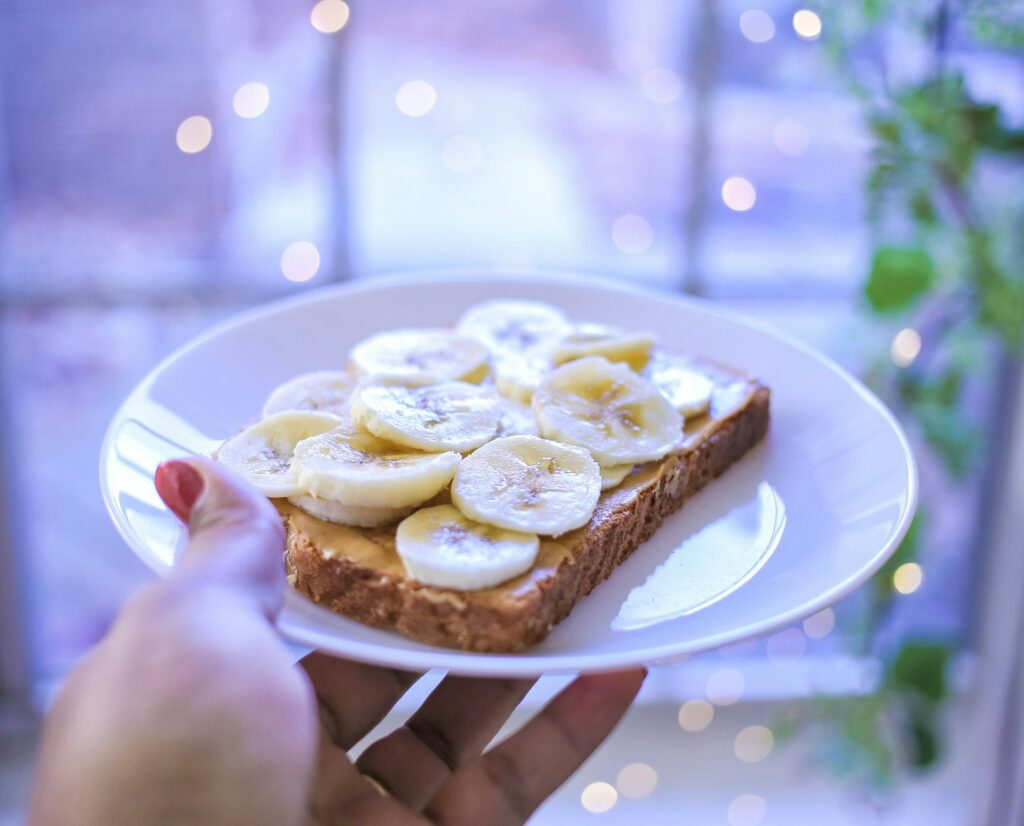
There's a familiar gap between finishing work and starting a workout: too hungry to feel comfortable, but not ready for dinner. A pre-training snack can bridge it. Choose a familiar food, allow time to digest, and make the portion fit both your appetite and the activity ahead. Carbohydrate-rich options are often useful; a huge meal immediately before exercise usually isn't the answer.
The best snack is one that fits your timing and feels comfortable once you start moving.
Choose your pre-training snack by the clock
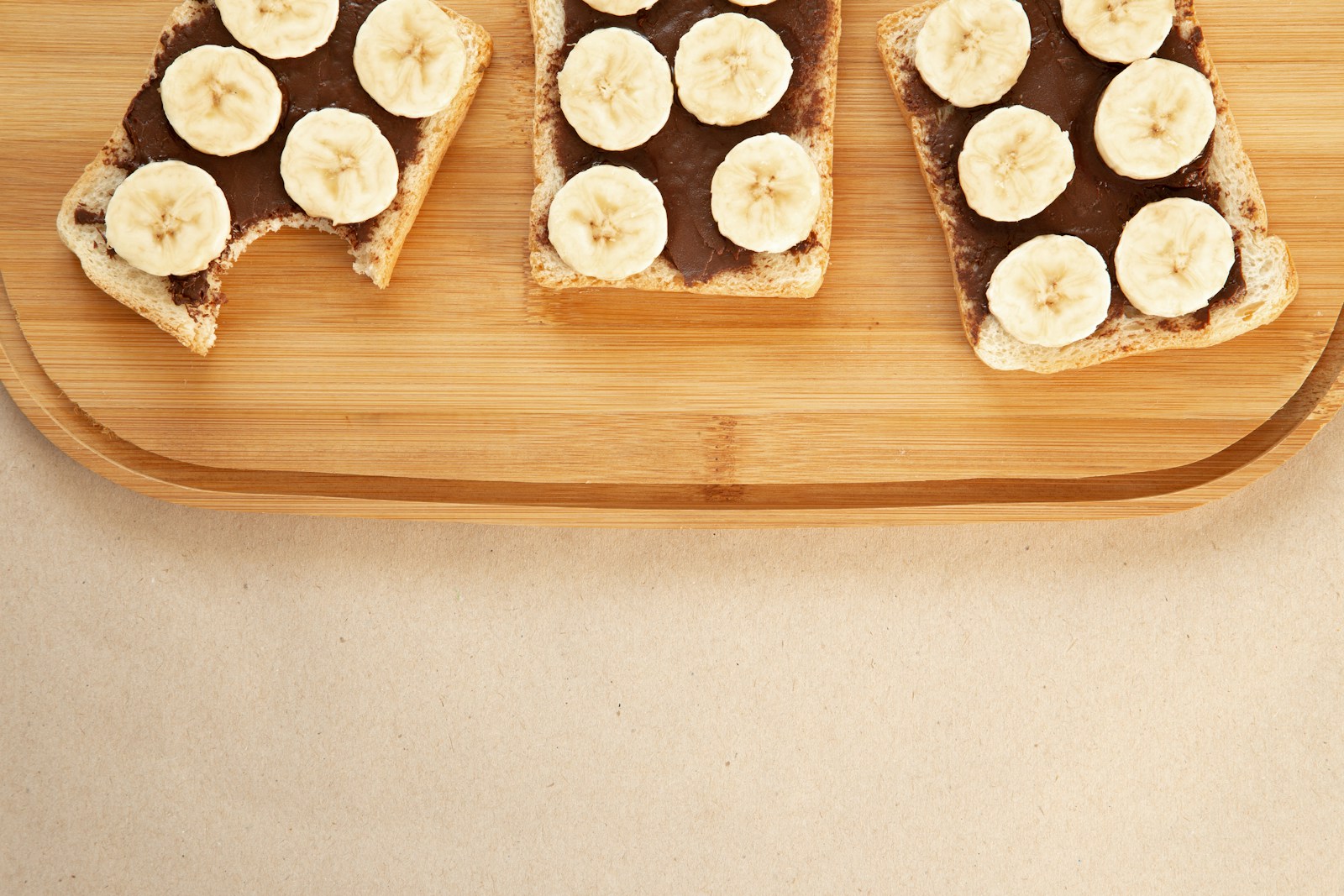
Meal size and timing work together. Mayo Clinic's exercise guidance suggests leaving roughly three to four hours after a large meal and one to three hours after a small meal or snack. These are starting points, not a timetable every stomach follows perfectly.
Closer to exercise, a smaller, familiar option may be more comfortable. The American Heart Association emphasizes carbohydrate-containing foods before activity and notes that a piece of fruit can be an option when time is short. The type, intensity, and duration of your session matter, too.
| Time available | An approachable option | What to adjust |
|---|---|---|
| Only a short window | A modest portion of a familiar fruit or plain toast | Keep it simple and consider your tolerance |
| About 1–2 hours | Yogurt with fruit, or toast with a modest topping | Portion size and ingredients that feel comfortable |
| Several hours | A regular meal rather than a token snack | Include enough food for the day and activity |
| You ate recently and aren't hungry | You may not need another snack | Don't add food solely because a workout is scheduled |
I wouldn't turn these examples into a rule that everyone must eat a banana before every session. A gentle walk after lunch and a demanding evening training session are different situations. Start with when you last ate and how you feel, then consider the session itself.
Keep the food familiar and the portions workable
Carbohydrates are a useful fuel source for exercise. That doesn't mean your snack needs a sports logo; bread, fruit, cereal, and other ordinary foods can do a practical job. Close to activity, a very large, rich, or high-fiber snack may feel uncomfortable for some people, even if those foods fit well elsewhere in the day.
Think of the following as a small menu of options, not a fixed plan. Adapt for allergies, dietary needs, appetite, and the time available. Foods that need refrigeration should stay cold until you're ready to eat them.
- A banana or another fruit you already tolerate well.
- Toast with jam when you want a simple, portable carbohydrate option.
- A small bowl of cereal with a suitable milk when you have time to digest.
- Yogurt with fruit if dairy or a chosen alternative agrees with you.
- Crackers or a small bagel when you need something easy to pack.
- A modest peanut butter sandwich when you have more time and tolerate it comfortably.
My practical preference is to keep two dependable options available: one that needs almost no preparation and one that's a little more substantial. That gives you flexibility without making every workout a meal-planning project. You can save unfamiliar bars, powders, and elaborate combinations for a time when an upset stomach won't disrupt an important session.
Match the snack to the session, not a calorie rule
There isn't one snack size that suits every body, workout, and daily eating pattern. A longer or harder session may call for more planning than a short, easy one. If you're training for endurance events, doing repeated demanding sessions, or managing a medical condition, individualized sports-nutrition advice is more useful than a generic snack list.
A pre-training snack also isn't the entire day's fueling plan. Regular meals and what you eat afterward matter. Protein can fit across the day rather than needing to dominate the food you eat immediately before moving; Tastiva's daily protein guide provides broader context without making one snack carry every nutritional job.
- For an early session, consider whether a small familiar bite helps you feel better.
- For an after-work session, notice whether lunch was hours ago and plan accordingly.
- For a short, easy workout after a meal, don't assume an extra product is necessary.
- For a competition, practice your food choices during training rather than introducing them on event day.
Notice energy, comfort, hunger, and how the session went. A brief note can help you find a repeatable pattern. Avoid treating hunger as something to defeat or using exercise as a reason to earn food; the purpose here is to feel adequately fueled and comfortable.
Remember water and individual health needs
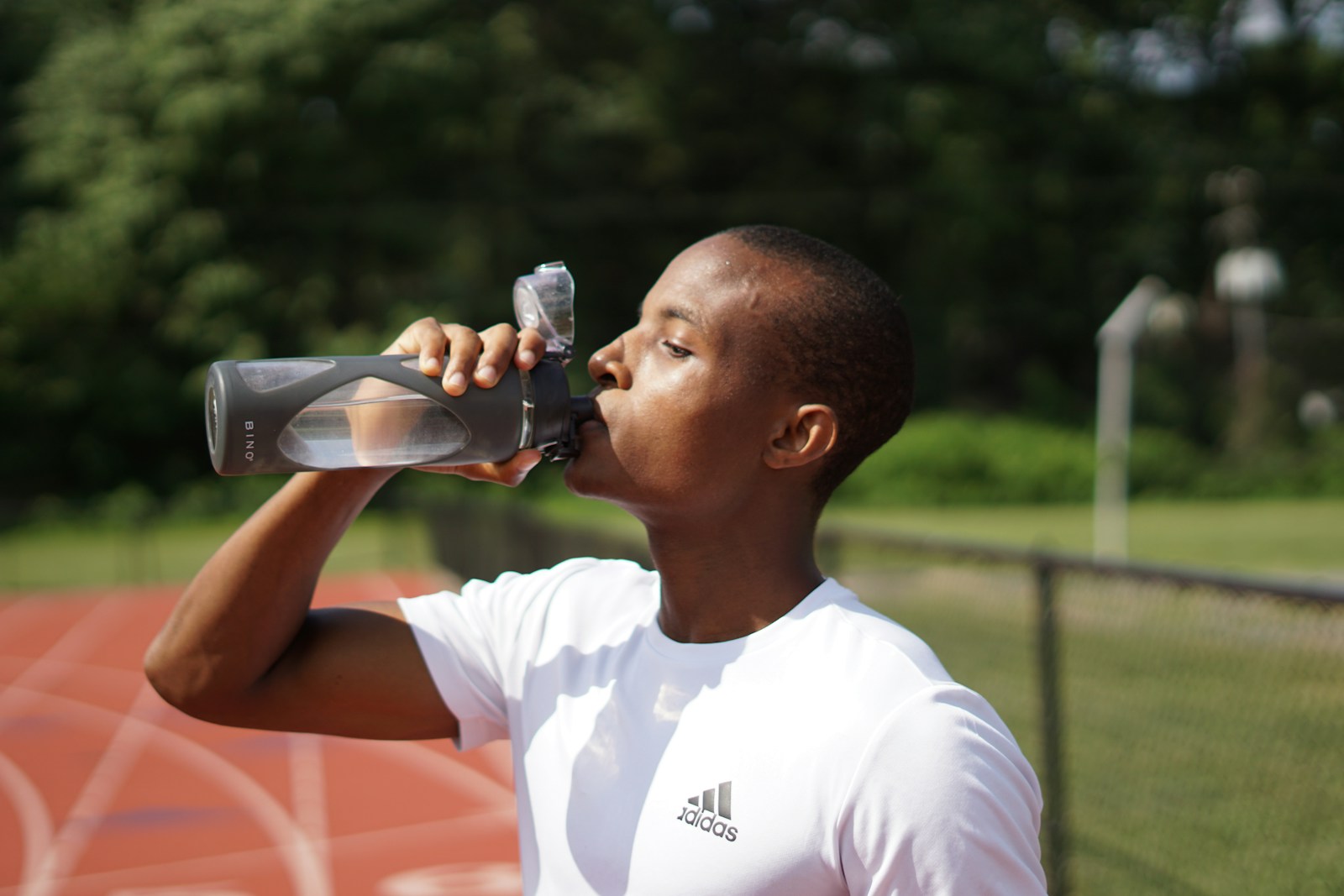
Hydration belongs alongside food planning, but an electrolyte drink isn't automatically required for every workout. Water is a sensible starting point for ordinary activity. Longer, sweatier sessions can require more individualized fluid and electrolyte planning, especially in heat.
If you use insulin or medicines that can cause low blood sugar, follow your clinician's exercise plan rather than applying general snack timing to yourself. Persistent dizziness, faintness, unusual fatigue, or recurrent digestive symptoms deserve medical advice. A different snack isn't a reliable answer to every symptom during training.
For the next ordinary workout, choose one familiar option, leave a comfortable interval, and see how it fits your session. The useful goal is a routine you can repeat without fuss: enough food, appropriate fluids, and a stomach that isn't asking to renegotiate the plan halfway through.
Sources
- Mayo Clinic: Eating and exercise, including meal timing
- American Heart Association: Food as fuel before, during, and after workouts

Hi, I’m Laura, the voice behind Tastiva. I’ve always believed that eating well should feel enjoyable, comforting, and realistic—not like another complicated rule to follow. I love creating recipes that fit into everyday life, sharing simple nutrition ideas, and finding small ways to make meals feel a little better without losing the pleasure of good food.