

Chicken feet can look unfamiliar if you didn’t grow up seeing them at the table, but there’s no mystery in the package. They’re the cleaned feet of a chicken, valued for their skin, tendons, cartilage, and natural gelatin rather than chunks of meat. Cooks simmer, braise, fry, pickle, or add them to stock; their mild flavor follows whatever sauce or aromatics are in the pot.
Chicken feet are less about meat and more about texture: silky skin, tender connective tissue, and a sauce-loving bite.
What chicken feet are—and how cooks use them
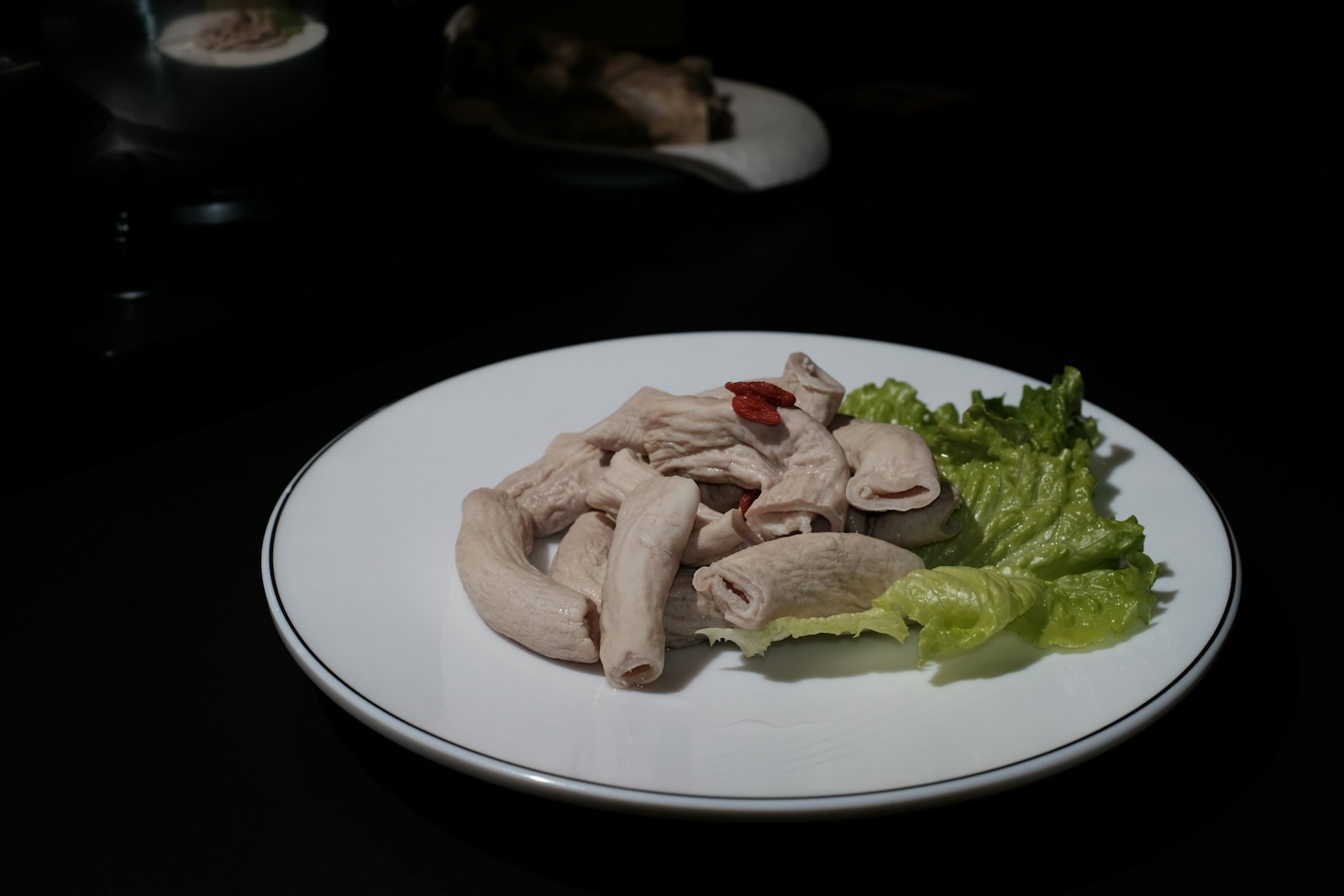
There’s very little muscle on a chicken foot. Most of what you eat is skin and softened connective tissue around small bones. Moist, slow cooking turns tough collagen into gelatin, giving broth body and braised dishes a glossy richness. You can strain the feet from stock or serve them once tender.
Chicken feet aren’t one novelty dish or the property of one cuisine. Cantonese dim sum includes feng zhua, or phoenix claws, typically fried and braised in sauce. Korean dakbal leans chewy and spicy, while Filipino adobong adidas uses the salty-tangy logic of adobo. Versions also appear across the Caribbean, Latin America, Africa, and Southeast Asia. Approach them as established food traditions, not a dare.
Their practical uses fall into a few clear lanes:
- Stock and soup: connective tissue releases gelatin, adding body without dairy or starch.
- Braised dishes: gentle cooking softens the skin and tendons and lets sauce settle into every fold.
- Fried-then-braised preparations: frying changes the skin’s surface so it becomes wrinkled and especially good at holding sauce.
- Boneless, pickled, or chilled dishes: some markets sell deboned feet for a springier, easier-to-eat texture.
What do chicken feet taste and feel like?
Chicken feet taste mild and savory, but less meaty than a thigh or drumstick. Ginger, garlic, chiles, fermented black beans, vinegar, curry spices, and soy-based sauces can all take the lead. In stock, the flavor is subtle; in a braise, the sauce is the headline.
Texture is the deciding factor. Properly cooked skin feels silky, while the tendons range from springy to meltingly tender. The sauce may feel tacky as the gelatin cools. If you enjoy pork skin, tendon, or the soft edges of slow-cooked wings, the appeal makes sense.
Bone-in feet are usually eaten in small bites, pulling the soft tissue away and leaving the tiny bones behind. Go slowly and never chew or swallow the bones. Boneless chicken feet remove that puzzle, although they keep the characteristic bouncy texture. For a cautious first taste, a tender braised version is friendlier than a very chewy preparation.
Chicken feet nutrition without the miracle claims
Chicken feet provide protein, but they’re not nutritionally identical to lean chicken. USDA FoodData Central’s generic boiled entry lists about 215 calories, 19.4 grams of protein, and 14.6 grams of fat per 100 grams, plus 84 milligrams of cholesterol. Those are reference values: edible portion, added oil, and sauce can change the numbers, and salty sauces can raise sodium sharply.
Much of the protein comes from collagen in the skin, tendons, and cartilage. Moist cooking converts some into gelatin. That gives broth body, but eating chicken feet doesn’t send collagen directly to your knees or skin. Digestion breaks proteins into amino acids and small peptides. Collagen is lower in some essential amino acids than complete proteins, so I wouldn’t make chicken feet the only protein on the plate.
Studies of hydrolyzed collagen supplements sometimes report modest skin or joint outcomes, but those products use measured doses and specific processing. The findings cannot simply be transferred to chicken feet. Enjoy them for tradition, budget, or taste; any beauty, arthritis, or “joint repair” promise deserves a raised eyebrow.
How to buy, prepare, cook, and store them safely

Buy chicken feet labeled for human consumption from a grocer or butcher with reliable refrigeration—pet treats are not a substitute. Packages may be fresh or frozen and may already have the nails and yellow outer skin removed. Keep raw feet at 40°F (4°C) or colder, use refrigerated poultry pieces within one to two days, or freeze them. Thaw in the refrigerator; for faster thawing, use a leakproof bag in cold water, change the water every 30 minutes, and cook immediately.
USDA advises against washing raw poultry because splashing can spread bacteria around the sink. If your feet need work, trim nail tips with dedicated kitchen shears and remove any remaining tough outer skin with a controlled blanch-and-peel method from a trusted cooking guide—don’t rinse them under a running faucet. Keep raw poultry and its tools away from ready-to-eat foods, wash hands with soap for 20 seconds, and clean and sanitize the work area afterward.
Cook poultry to at least 165°F (74°C), checking the thickest fleshy area without touching bone; test more than one foot if sizes vary. Tenderness usually takes longer than basic safety, so follow the braising or simmering guidance for the dish you chose. Refrigerate cooked feet in shallow containers within two hours—one hour if the room is above 90°F (32°C)—and eat within three to four days. Reheat leftovers to 165°F (74°C). For more chicken storage guidance, Tastiva’s refrigerator guide keeps the useful timelines in one place.
Sources
- USDA FoodData Central: Chicken feet
- USDA FSIS: Safe Minimum Internal Temperature Chart
- USDA: Washing Raw Poultry—Our Science, Your Choice
- FoodSafety.gov: Cold Food Storage Chart
- USDA FSIS: Leftovers and Food Safety
- Harvard T.H. Chan School of Public Health: Collagen

Hi, I’m Laura, the voice behind Tastiva. I’ve always believed that eating well should feel enjoyable, comforting, and realistic—not like another complicated rule to follow. I love creating recipes that fit into everyday life, sharing simple nutrition ideas, and finding small ways to make meals feel a little better without losing the pleasure of good food.