
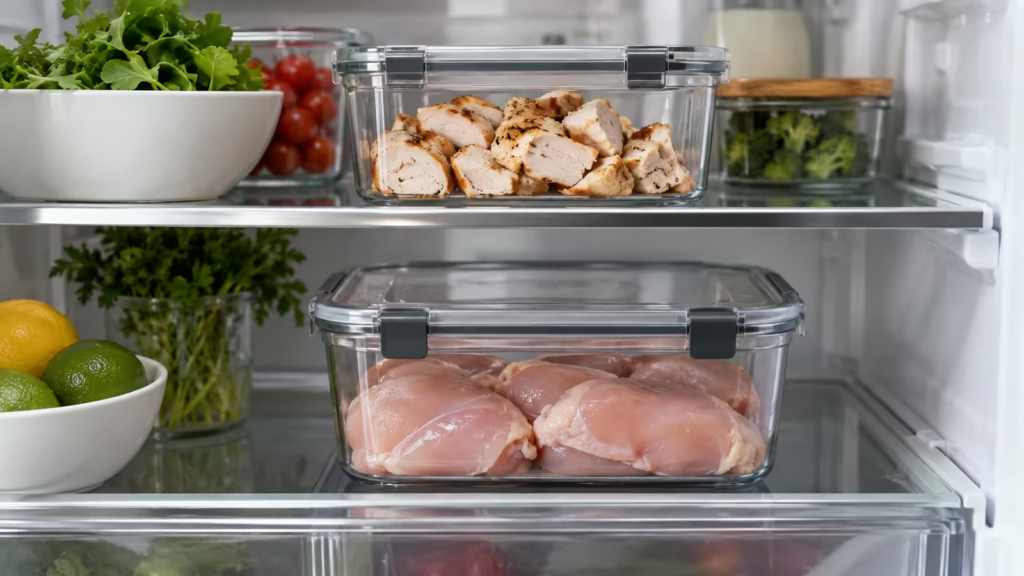
Raw chicken lasts 1 to 2 days in a refrigerator kept at 40°F (4°C) or below. Cooked chicken and chicken leftovers generally last 3 to 4 days. If you will not use the chicken within that window, freeze it promptly. These limits apply even when the chicken looks and smells normal because harmful bacteria do not always change a food’s appearance or odor.
Remember the refrigerator rule: 1–2 days for raw chicken, 3–4 days for cooked chicken, at 40°F (4°C) or below.
Raw vs cooked chicken fridge limits
Fresh whole chicken, raw pieces, and ground chicken should be cooked or frozen within 1 to 2 days. The clock starts when the chicken is refrigerated after purchase, not when you first open the package. A printed sell-by date helps a store manage inventory; it is not a promise that chicken will remain safe indefinitely in a home refrigerator.
Cooked chicken, casseroles containing chicken, and cooked poultry leftovers generally have a 3-to-4-day refrigerated window. Count the day the chicken was cooked as day zero and plan to eat, repurpose, or freeze it soon. When in doubt about elapsed time—especially for young children, pregnant people, older adults, or anyone with a weakened immune system—discard it.
- Raw whole chicken or pieces: 1–2 days refrigerated.
- Raw ground chicken: 1–2 days refrigerated.
- Cooked chicken or poultry leftovers: 3–4 days refrigerated.
- Chicken thawed safely in the refrigerator: cook within 1–2 additional days.
- Chicken thawed by microwave or cold water: cook immediately.
Store chicken correctly
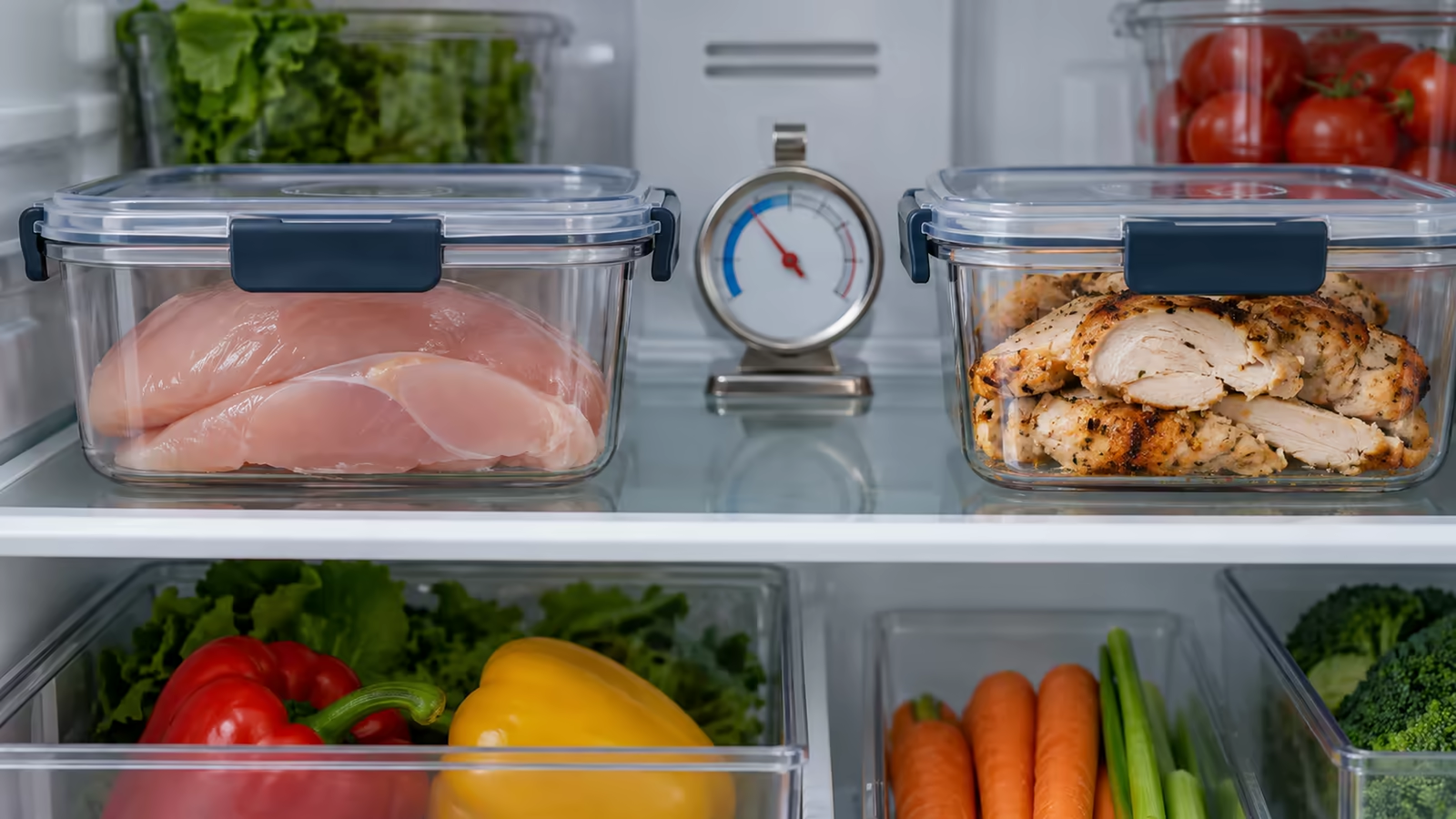
Keep the refrigerator at 40°F (4°C) or colder and verify it with an appliance thermometer. Store raw chicken in its original package or a leakproof container on the lowest shelf so juices cannot drip onto ready-to-eat foods. Do not wash raw chicken; splashing water can spread germs to the sink, counters, utensils, and nearby food.
Refrigerate cooked chicken within 2 hours of cooking, or within 1 hour when the surrounding temperature is above 90°F (32°C). Divide a large amount into shallow containers so it cools quickly. Cover, label, and date each container. Avoid repeatedly warming and cooling the same large batch; reheat only the portion you plan to eat.
Cook all poultry to a safe minimum internal temperature of 165°F (74°C), measured with a food thermometer in the thickest part without touching bone. Color alone is unreliable. Clean hands, cutting boards, knives, and counters after they contact raw poultry, and keep raw ingredients separate from cooked food.
Signs of spoilage and why smell is not enough
Spoiled chicken may develop a sour or unpleasant odor, sticky or slimy texture, or gray-green discoloration. Those are reasons to throw it away, but their absence does not prove the chicken is safe. Disease-causing bacteria may be present without an obvious smell, taste, or visual clue.
Do not taste chicken to test it. If it has been above 40°F for more than 2 hours, sat out overnight, leaked onto other food, or remained refrigerated beyond the recommended time, discard it. Cooking can kill many bacteria, but it does not reliably correct every problem caused by poor storage or temperature abuse.
A “use by” date can help with quality and planning, but safe handling still matters. If the package is swollen, damaged, or leaking when purchased, choose another one. At home, record the date rather than relying on memory—especially after moving chicken from store packaging into another container.
Freeze it before time runs out
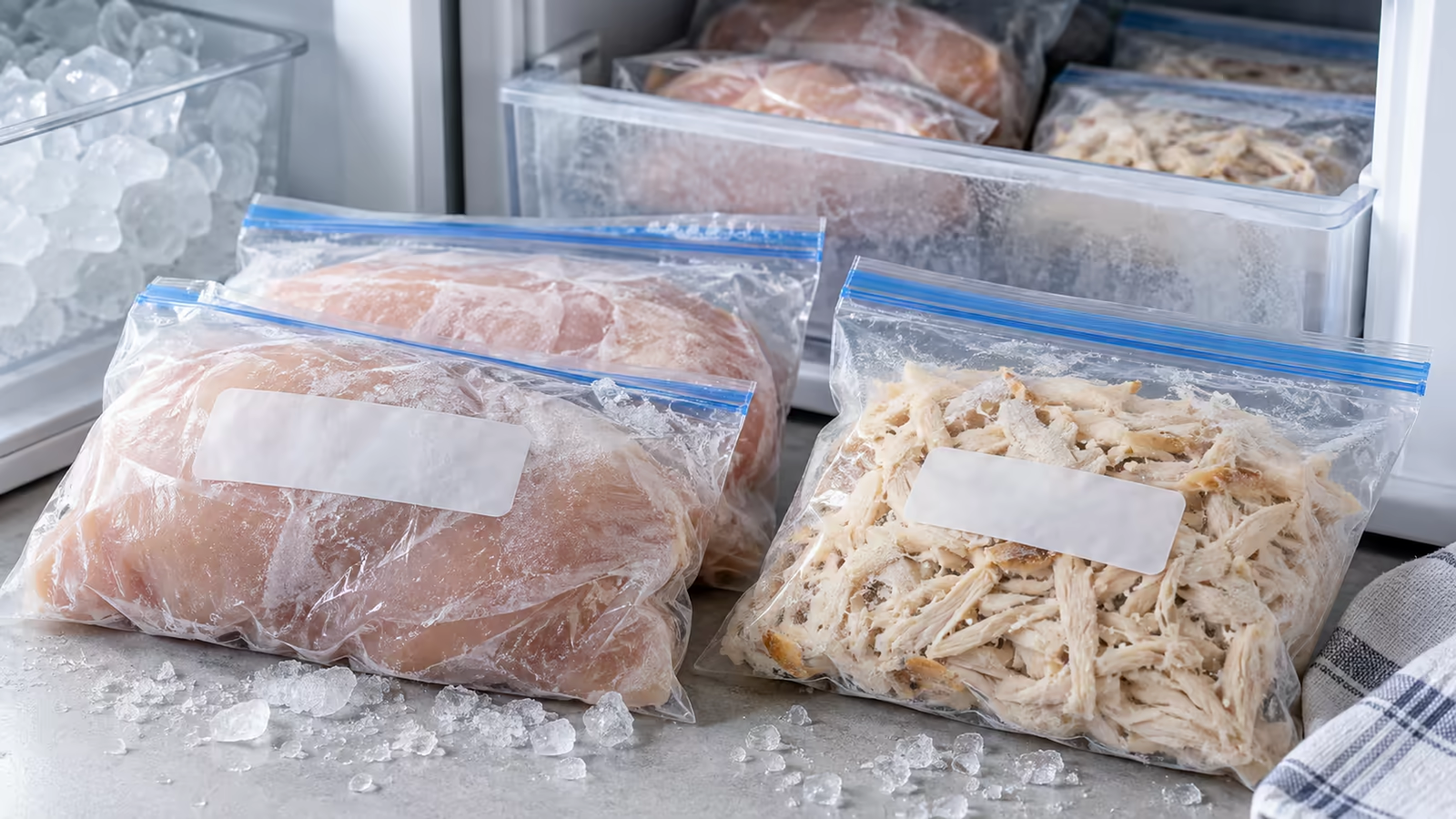
Freeze chicken while it is still within its safe refrigerator window. Portion it into meal-size amounts, press out excess air, and use freezer-safe wrapping or containers. Add the contents and freeze date. Food kept continuously frozen at 0°F (-18°C) remains safe indefinitely, although texture and flavor decline over time.
For best quality, the FoodSafety.gov chart lists up to 1 year for a whole raw chicken, 9 months for raw pieces, 3 to 4 months for ground poultry, and 2 to 6 months for cooked meat or poultry. Good wrapping helps reduce freezer burn, which affects quality rather than making continuously frozen food unsafe.
Thaw chicken in the refrigerator, in cold water changed every 30 minutes, or in the microwave—never on the counter. Refrigerator thawing is the easiest method when you want flexibility. Use thawed chicken in dishes such as soup, grain bowls, or meals flavored with chicken bouillon, while still following the safe cooking temperature.
Sources
- FoodSafety.gov: Cold Food Storage Chart
- FoodSafety.gov: Safe Minimum Internal Temperatures
- USDA Food Safety and Inspection Service: Chicken From Farm to Table

Hi, I’m Laura, the voice behind Tastiva. I’ve always believed that eating well should feel enjoyable, comforting, and realistic—not like another complicated rule to follow. I love creating recipes that fit into everyday life, sharing simple nutrition ideas, and finding small ways to make meals feel a little better without losing the pleasure of good food.