
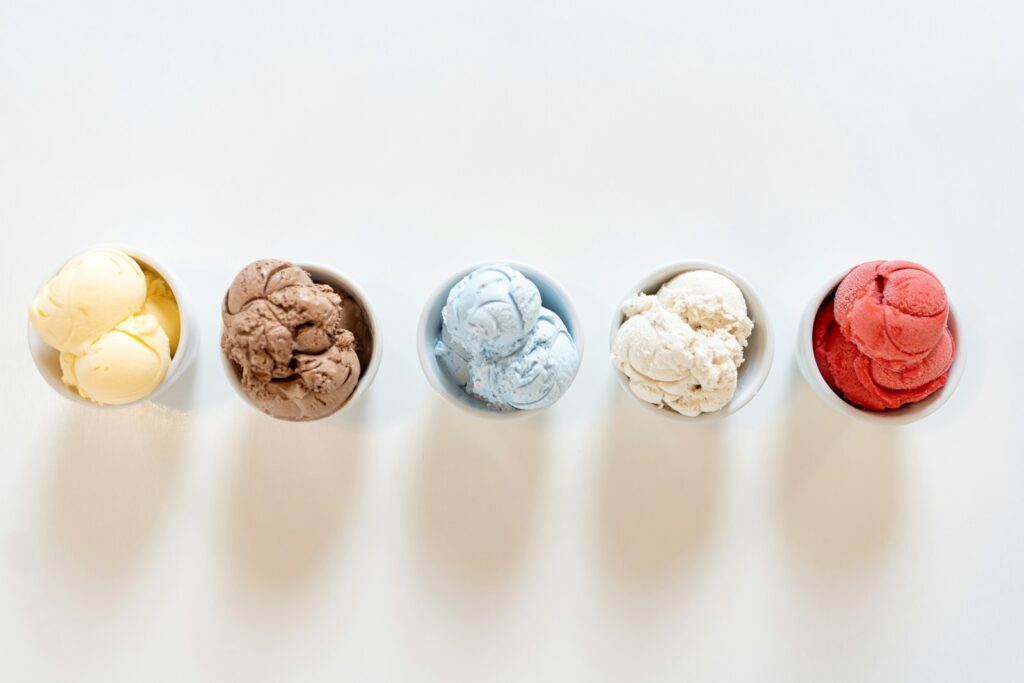
The freezer aisle can turn into a label-reading seminar: lactose-free, dairy-free, plant-based, frozen dessert. Here’s the useful answer first: lactose free ice cream may still be real dairy ice cream. It is designed for people who have trouble digesting lactose, the natural sugar in milk. It is not automatically safe for a milk allergy. A dairy-free frozen dessert is a different product made without dairy ingredients.
Lactose-free answers a sugar question; dairy-free answers an ingredient question.
What lactose free ice cream actually means
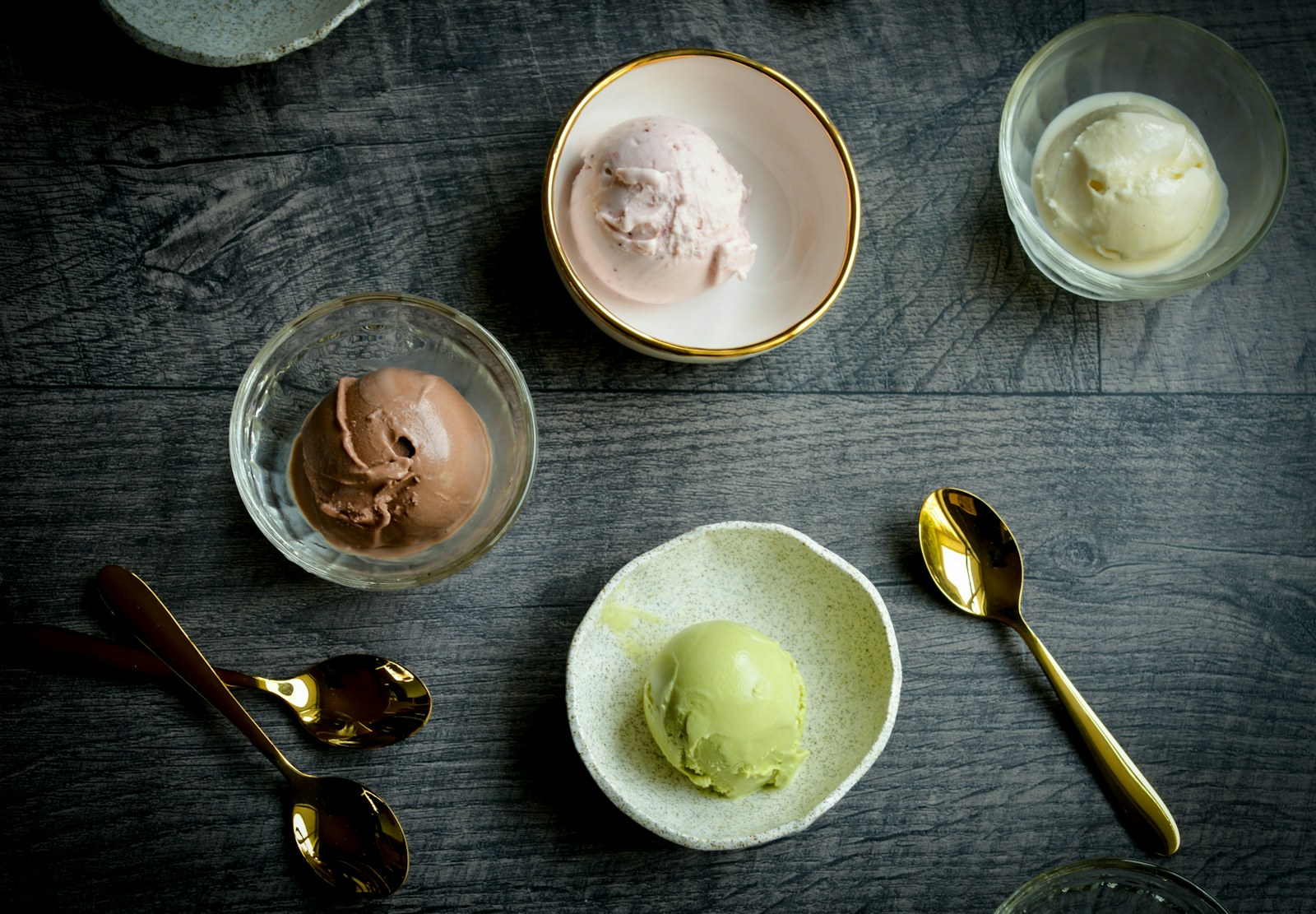
Lactose intolerance happens when the small intestine does not digest all the lactose someone eats. That can lead to gas, bloating, or diarrhea. Tolerance is personal: the National Institute of Diabetes and Digestive and Kidney Diseases (NIDDK) notes that many people can handle some lactose, while others react to smaller amounts. Lactose-free products offer another creamy option.
In a dairy version, manufacturers start with milk or cream and reduce the lactose, commonly by using the enzyme lactase to split it into simpler sugars. The milk proteins and dairy fat remain. Under the federal standard of identity, a product sold as “ice cream” is made from a dairy mix and must meet requirements including minimum milkfat and nonfat milk solids. That is why many plant-based options use names such as “non-dairy frozen dessert” instead.
This distinction matters most for allergies. Lactose intolerance is a digestive condition; a milk allergy is an immune reaction to milk proteins and can be serious. A lactose-free dairy ice cream can still contain those proteins. If milk allergy is the concern, don’t use “lactose-free” as a safety shortcut—choose an appropriate milk-free product and follow the allergy plan provided by a medical professional.
How to read the carton without getting fooled
Start with the ingredient list, not the cheerful promise on the front. A dairy lactose-free ice cream may list cream, milk, whey, or milk solids, and you may see lactase. A plant-based frozen dessert may begin with oat, soy, coconut, almond, cashew, or pea ingredients. Gums and emulsifiers can appear in either type to help it stay smooth.
Next, check the allergen declaration. FDA rules require milk and the other major food allergens to be named in the ingredient list or in a nearby “Contains” statement. Plant-based does not mean allergen-free: almond and cashew bases contain tree nuts, while soy-based products contain soy. Advisory wording such as “may contain” is voluntary and refers to possible cross-contact, so anyone managing a serious allergy should read the full label every time.
My quick carton check is refreshingly unglamorous:
- Digesting lactose? Look for “lactose-free” or “lactose-reduced,” then confirm the ingredients.
- Avoiding milk protein? Check both the ingredient list and allergen statement for milk.
- Choosing plant-based? Note the base and any nut, soy, wheat, or sesame allergens.
- Comparing nutrition? Use the same serving size before comparing calories, saturated fat, added sugar, protein, calcium, and vitamin D.
Is lactose-free ice cream healthier?
Not by definition. Breaking down lactose solves a digestion problem; it does not turn dessert into broccoli wearing a waffle cone. A lactose-free dairy ice cream can be nutritionally close to its conventional counterpart. Plant-based products vary: coconut versions may be rich in saturated fat, some nut or oat versions may be lower in protein, and fortification is not uniform.
The most useful comparison is on the Nutrition Facts label. FDA guidance separates Total Sugars from Added Sugars: naturally occurring milk sugar is included in total sugar, while sweeteners added during processing appear on the added-sugars line. “Lactose-free” therefore does not mean “sugar-free.” For context, 5% Daily Value or less is considered low in added sugars, while 20% or more is high. Ice cream portions are easy to underestimate, so check how many servings the container actually holds. USDA FoodData Central offers generic baselines, but the package label describes the exact carton in your freezer.
I’d choose by the job the dessert needs to do. For occasional scoops, flavor and comfortable digestion may matter most. If it appears often, compare saturated fat and added sugar along with nutrients you value, such as protein, calcium, and vitamin D. NIDDK also cautions that avoiding all dairy without replacing its nutrients can reduce calcium and vitamin D intake. One carton cannot define a healthy diet, but its label can help it fit one.
Taste, texture, storage, and better scoops
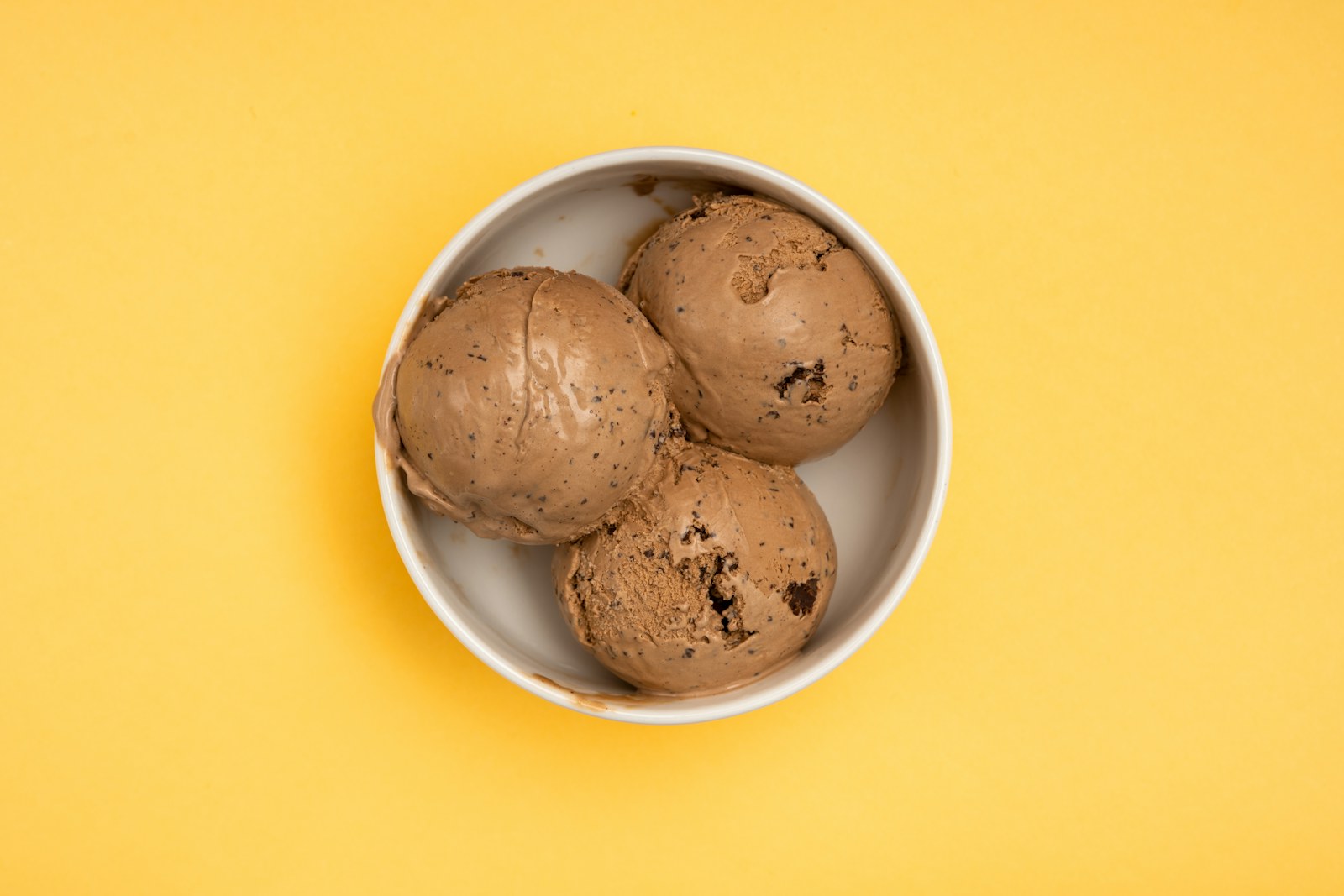
Dairy lactose-free ice cream usually tastes closest to familiar ice cream because its cream, milk proteins, and fat structure remain. It may seem a touch sweeter when lactose has been split into simpler sugars. Plant-based frozen desserts have more personality: coconut brings richness and a faint coconut note; oat can be mellow; nut bases can taste toasted; and lower-fat formulas may freeze firmer or melt differently. None is automatically “better”—the best choice is the one that suits your needs and still tastes like dessert, not a compromise in a cold tub.
For a smoother scoop, keep the carton in the main body of a freezer set to 0°F (-18°C), not in the door where temperatures swing. Press a piece of parchment or reusable freezer-safe wrap against the surface before replacing the lid to limit air exposure and ice crystals. Return it promptly after serving; repeated softening and refreezing is how a velvety pint becomes a crunchy little glacier.
Let a firm carton sit at room temperature for 5 to 10 minutes, then use a sturdy scoop warmed under hot water and wiped dry. Pair it with berries, chopped nuts, or toasted oats if you want contrast. Simple, comfortable, and properly creamy is a very good ending.
Sources
- NIDDK: Definition & Facts for Lactose Intolerance
- NIDDK: Eating, Diet & Nutrition for Lactose Intolerance
- FDA: Food Allergies and Allergen Labeling
- FDA: Added Sugars on the Nutrition Facts Label
- FDA: Milk and Plant-Based Milk Alternatives
- USDA FoodData Central
- eCFR: 21 CFR § 135.110, Ice Cream and Frozen Custard
- FDA: Are You Storing Food Safely?
- FoodSafety.gov: Cold Food Storage Chart

Hi, I’m Laura, the voice behind Tastiva. I’ve always believed that eating well should feel enjoyable, comforting, and realistic—not like another complicated rule to follow. I love creating recipes that fit into everyday life, sharing simple nutrition ideas, and finding small ways to make meals feel a little better without losing the pleasure of good food.