
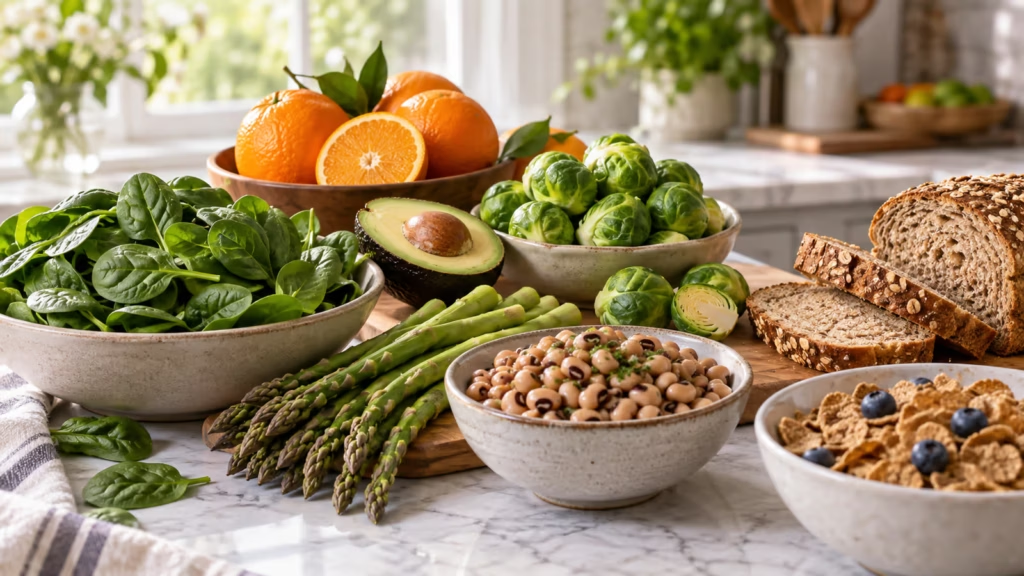
Folate is vitamin B9, a water-soluble vitamin your body needs to make DNA and other genetic material and to help cells divide. The broad word folate includes the forms naturally present in foods. Folic acid is a specific form used in fortified foods and most supplements. For most adults, a varied diet that includes beans, dark leafy greens, asparagus, avocado, citrus, and enriched grains supplies a meaningful base. For anyone who could become pregnant, the folic-acid recommendation deserves its own clear sentence—and we will get there.
Folate is the vitamin family; folic acid is one form with a particularly important, evidence-based role before and during early pregnancy.
Folate vs. folic acid in plain English
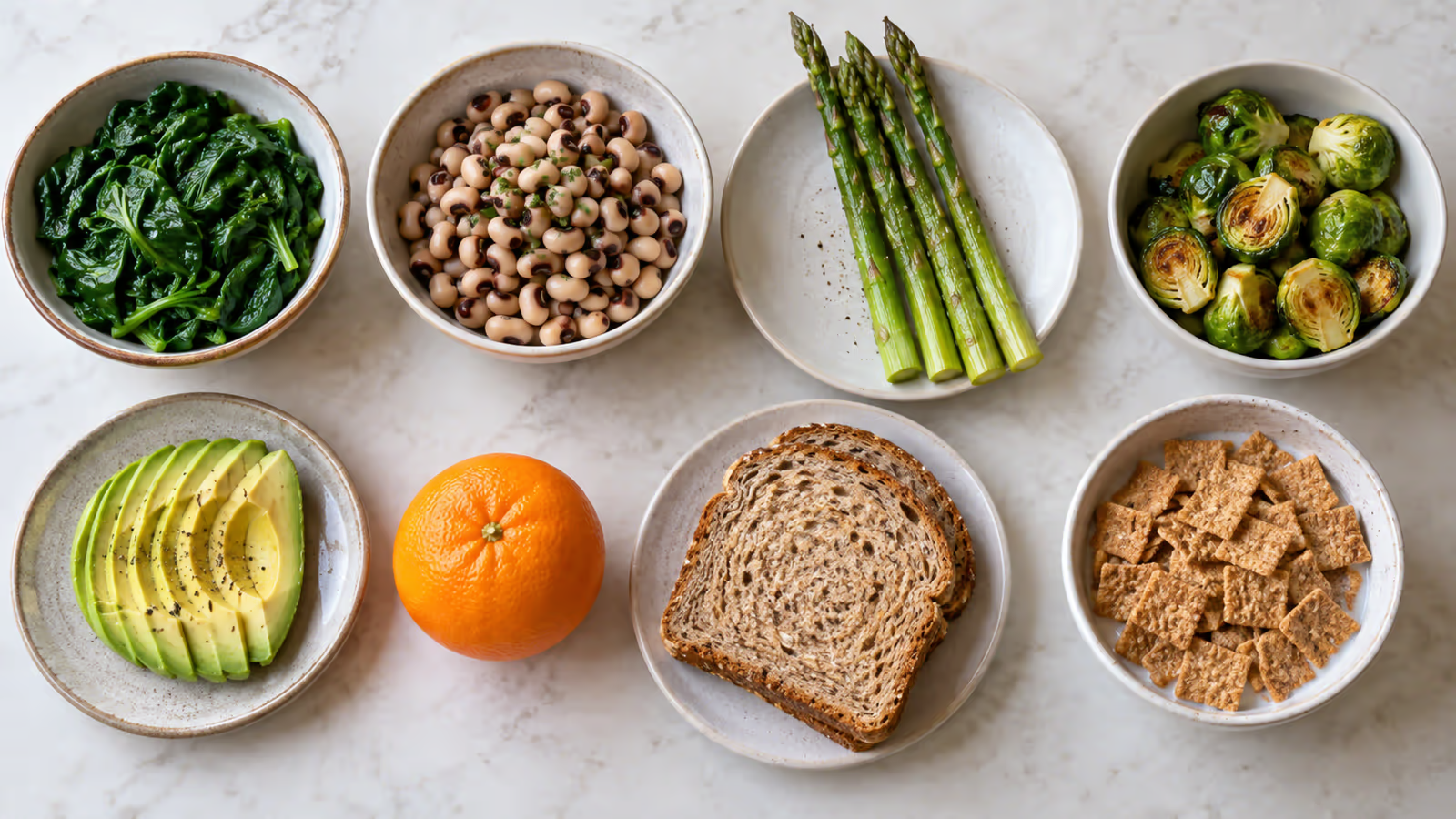
Food folates occur naturally in plants and animal foods. Folic acid is a stable form added to enriched flour, bread, pasta, rice, cornmeal, breakfast cereal, and many vitamins. In the United States, enrichment of many grain products with folic acid has been required since 1998. Fortified and enriched do not mean quite the same thing: enrichment replaces specified nutrients after processing, while fortification can add nutrients beyond original levels.
The body absorbs folic acid more efficiently than naturally occurring food folate, so recommendations use micrograms of dietary folate equivalents, or mcg DFE. One mcg DFE equals one mcg of food folate, while smaller amounts of folic acid can provide the same DFE. On a U.S. Nutrition Facts label, folate appears as mcg DFE; when folic acid is added, its amount may also appear in parentheses.
You do not need to calculate every conversion at lunch. Use the percent Daily Value to compare foods, and check the ingredient list for “folic acid” when the form matters. The distinction matters most for pregnancy prevention guidance because folic acid—not simply a plate of naturally folate-rich food—is the form proven to reduce neural tube defects.
What folate does and how much you need
Folate acts as a helper in reactions involved in making DNA and RNA, metabolizing amino acids, and forming new cells. Because red blood cells and developing fetal tissues divide rapidly, too little folate can have serious consequences. Folate deficiency can cause megaloblastic anemia, with symptoms such as weakness, fatigue, trouble concentrating, headache, palpitations, and shortness of breath. Those symptoms have many causes, so testing and diagnosis matter.
Adults and teens age 14 and older need 400 mcg DFE daily. The recommendation rises to 600 mcg DFE in pregnancy and 500 mcg DFE during lactation. Children need less according to age. These are intake targets for generally healthy people, not supplement prescriptions. Malabsorption, certain medicines, alcohol use disorder, pregnancy, and other medical circumstances may require professional guidance.
- Adults and teens 14+: 400 mcg DFE per day.
- Pregnancy: 600 mcg DFE per day.
- Lactation: 500 mcg DFE per day.
- Nutrition-label Daily Value: 400 mcg DFE for adults and children age four and older.
Folate works alongside vitamin B12, and a deficiency of either can produce megaloblastic anemia. That overlap is one reason not to treat fatigue blindly with high-dose folic acid. A clinician can consider diet, bloodwork, medicines, digestive health, and B12 status instead of guessing from one symptom.
The foods that make folate add up
| Food and serving | Folate (mcg DFE) | Percent Daily Value |
|---|---|---|
| Beef liver, braised, 3 oz | 215 | 54% |
| Spinach, boiled, ½ cup | 131 | 33% |
| Black-eyed peas, cooked, ½ cup | 105 | 26% |
| Fortified breakfast cereal, 25% DV serving | 100 | 25% |
| Asparagus, boiled, 4 spears | 89 | 22% |
| Brussels sprouts, cooked, ½ cup | 78 | 20% |
| Avocado, sliced, ½ cup | 59 | 15% |
| Orange, 1 small | 29 | 7% |
Dark greens, asparagus, Brussels sprouts, beans, peas, avocado, oranges, peanuts, liver, and enriched grains are dependable contributors. The NIH values in the table are useful reference points; variety, brand, cooking, and exact weight cause differences. Liver is very rich but is not necessary, and pregnancy comes with separate food-safety and vitamin A considerations—beans and greens are excellent everyday anchors.
A practical day could include fortified whole-grain cereal at breakfast, a lentil or fava bean salad with spinach and orange at lunch, and asparagus or Brussels sprouts with dinner. An enriched grain can contribute folic acid while plants bring fiber, potassium, and other nutrients. If you avoid gluten, check whether your chosen flour, bread, pasta, or cereal is enriched; many specialty products are not.
Cooking method matters less than consistently eating the foods. Folate is water-soluble and some can be lost with prolonged boiling, so steaming, microwaving, quick sautéing, or keeping the cooking liquid in soup can help. Frozen and canned vegetables or beans still count. Rinse canned beans for less sodium, not because they are nutritionally second-class.
Pregnancy guidance and supplement safety
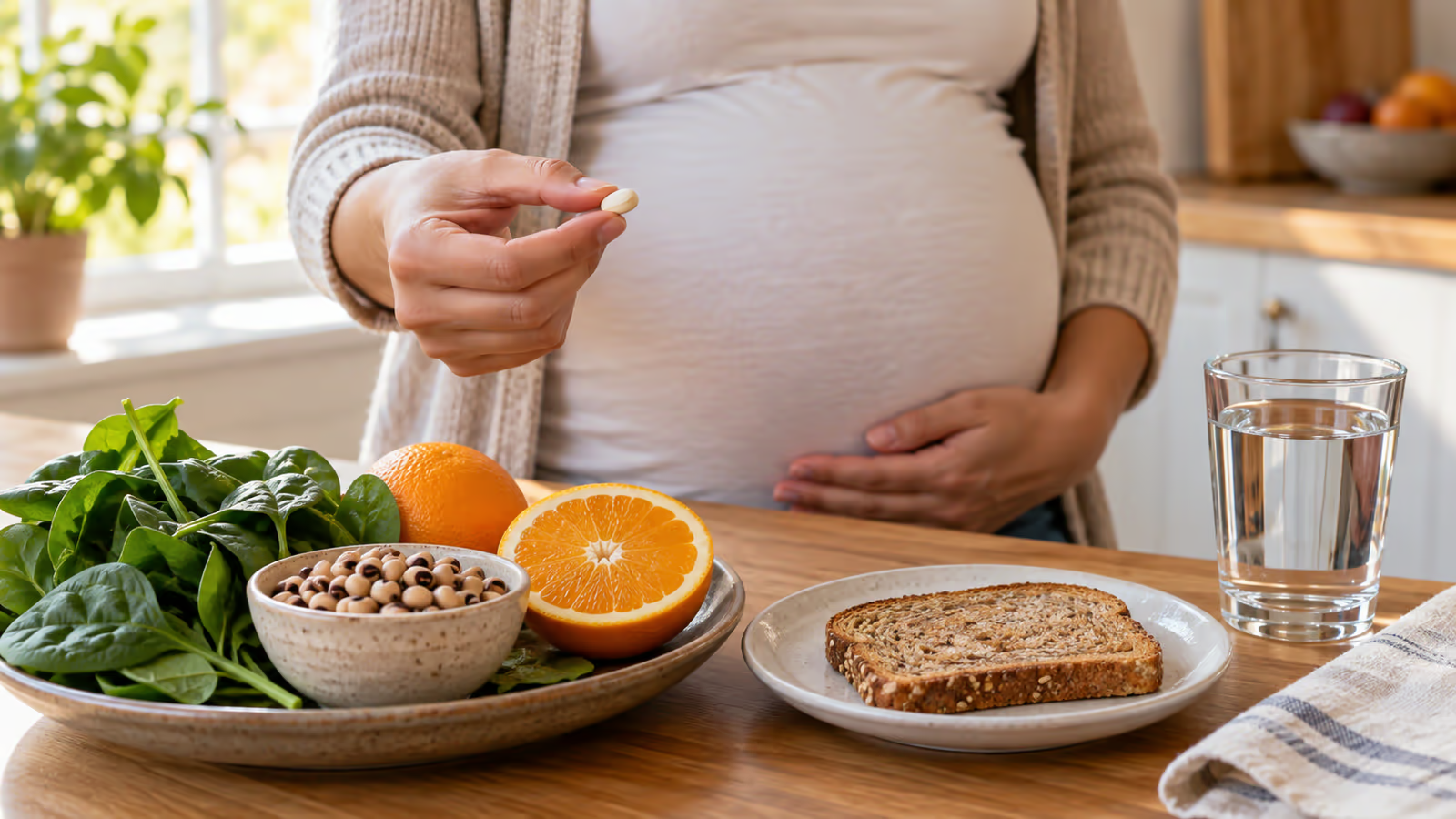
The CDC recommends that everyone capable of becoming pregnant get 400 mcg of folic acid every day from supplements, fortified foods, or both, in addition to food folate. Neural tube development happens very early, often before someone knows they are pregnant. If you are planning pregnancy, pregnant, taking antiseizure medicine, or have had a previous pregnancy affected by a neural tube defect, ask your clinician for an individualized dose rather than copying a high-dose protocol online.
For adults, the upper limit is 1,000 mcg per day of folic acid from supplements and fortified foods unless a clinician recommends more. The limit does not apply to folate naturally present in food. Large supplemental amounts can correct the anemia caused by vitamin B12 deficiency while allowing nerve damage from B12 deficiency to continue, and folate can interact with medicines including methotrexate and some antiseizure drugs.
An MTHFR gene variant does not erase the public-health recommendation: the CDC still recommends 400 mcg of folic acid daily for people who could become pregnant, even with the common C677T variant. The calm approach is the strongest one—eat folate-rich foods, use the evidence-based folic-acid recommendation when it applies, and let a qualified clinician handle high doses, interactions, or deficiency.
Sources
- NIH Office of Dietary Supplements: Folate—Health Professional Fact Sheet
- NIH Office of Dietary Supplements: Folate—Consumer Fact Sheet
- Centers for Disease Control and Prevention: About Folic Acid
- USDA FoodData Central

Hi, I’m Laura, the voice behind Tastiva. I’ve always believed that eating well should feel enjoyable, comforting, and realistic—not like another complicated rule to follow. I love creating recipes that fit into everyday life, sharing simple nutrition ideas, and finding small ways to make meals feel a little better without losing the pleasure of good food.