
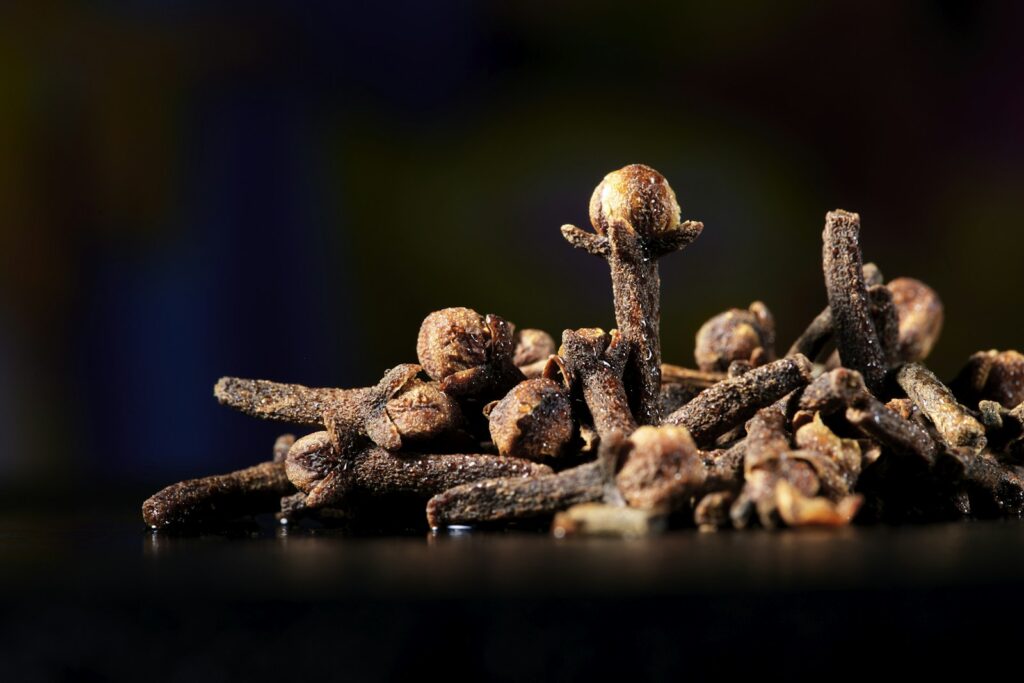
Open a jar of cloves and the aroma arrives before the lid is fully off: warm, peppery, a little sweet, and unmistakably intense. Cloves benefits are real in the modest sense that this spice adds flavor, contains the plant compound eugenol, and can help make nourishing foods more appealing without added sugar. What the evidence does not show is that a pinch of cloves—or a trendy glass of clove water—treats diabetes, “detoxes” the body, cures infections, or replaces medical care.
Cloves are best treated as a beautifully potent spice, not a miniature medicine cabinet. A little can transform a dish; more is not automatically better.
Cloves benefits: where the evidence is strongest
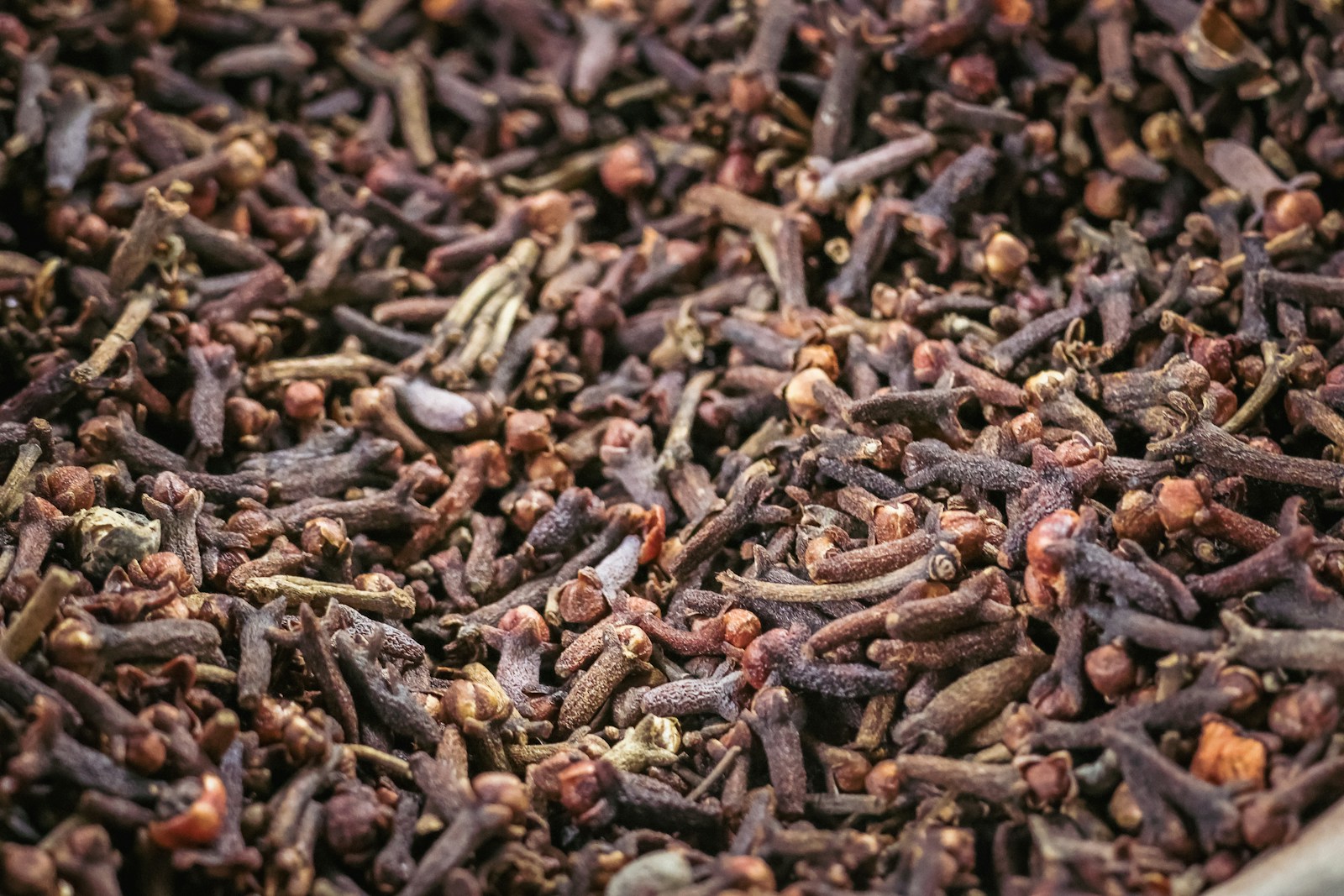
Cloves are the dried, unopened flower buds of Syzygium aromaticum. Their signature compound, eugenol, has antioxidant and antimicrobial activity in laboratory experiments. That helps explain why researchers are interested in cloves, but a result in a test tube is not the same as a health outcome after someone sprinkles the spice into oatmeal. Digestion, dose, and the form used all change the story.
Human research is still thin. One small, open-label pilot study found changes in pre- and post-meal blood glucose after volunteers took a standardized, water-soluble clove extract. There was no placebo group, the study was short, and the product was an extract rather than a normal culinary serving. It is an interesting lead—not evidence that cloves treat prediabetes or that people should adjust medication.
The most dependable benefit is practical: cloves deliver a great deal of aroma in a small amount. They can make apples, pears, squash, lentils, tea, or a lower-sugar bake taste fuller. I find that a useful nutrition win because flavor can support a satisfying eating pattern without asking one ingredient to perform miracles.
What cloves contribute nutritionally
Ground cloves contain fiber and minerals, notably manganese, along with aromatic plant compounds. Yet serving size matters. Nutrition databases may make a spice look spectacular per 100 grams or even per tablespoon, while many dishes use only 1/8 to 1/2 teaspoon for several servings. At that scale, cloves complement a varied diet; they are not a meaningful substitute for vegetables, fruit, legumes, whole grains, or protein foods.
Eugenol is responsible for much of the familiar scent and has been studied for antioxidant, anti-inflammatory, and antimicrobial effects. Most of those claims rest on cell, animal, or concentrated-extract research. I would not translate them into promises about immunity, weight loss, tooth infections, or chronic disease. “Contains a bioactive compound” and “has been proved to improve my health” are two very different sentences.
| Claim you may see | What the evidence supports | Sensible takeaway |
|---|---|---|
| “Packed with antioxidants” | Cloves and eugenol show antioxidant activity in laboratory testing | Enjoy the spice, but do not treat a lab assay as proof of disease prevention |
| “Balances blood sugar” | A small uncontrolled pilot studied a standardized extract | Do not use cloves instead of diabetes treatment or glucose monitoring |
| “Kills harmful bacteria” | Antimicrobial effects are mainly from lab studies at concentrated doses | Cloves do not replace handwashing, refrigeration, safe cooking, or antibiotics |
| “Cures toothache” | Eugenol has a history in dentistry, but home use can irritate or burn tissue | Tooth pain needs a dentist; do not place undiluted clove oil on gums |
Whole cloves, clove water, and clove oil are not equivalent

A whole clove in a stew is not the same exposure as an extract capsule or essential oil. This distinction gets blurred online, especially in videos that recommend drinking concentrated clove water every day. Steeping a few cloves makes a fragrant drink, but no established clinical dose or proven special benefit makes clove water necessary. Plain water already hydrates; the spice mainly changes its flavor.
Clove essential oil is highly concentrated in eugenol and should never be treated like a kitchen seasoning. Swallowing substantial amounts has caused severe liver and kidney injury, including poisonings in children. Keep essential oils away from children, follow a product's labeled use, and contact Poison Control in the United States at 1-800-222-1222 after a suspected ingestion rather than waiting for symptoms.
| Form | Best role | Main caution |
|---|---|---|
| Whole cloves | Simmering in rice, stews, cider, or tea; remove before serving | Hard and unpleasant to bite; count them in and out |
| Ground cloves | Baking, oatmeal, sauces, spice blends | Potent and easy to overdo; start with a pinch |
| Clove water or tea | An optional unsweetened flavored drink | Benefits beyond hydration are unproven |
| Extract or supplement | A concentrated product, not a seasoning | Check with a clinician or pharmacist, especially with medicines |
| Clove essential oil | Only for labeled, appropriate use | Do not swallow or apply undiluted in the mouth |
How to use cloves safely and deliciously
For everyday cooking, begin small. I would use one or two whole cloves in a pot of rice or beans, or about 1/8 teaspoon ground cloves in a bowl of oatmeal, then taste. Cloves love cinnamon, ginger, cardamom, citrus, apple, pumpkin, tomato, and slow-cooked onions. The spice should leave a warm echo, not make dinner taste like a dental office.
- Add one whole clove to a lentil or tomato braise, then remove it before serving.
- Stir a pinch of ground cloves into oats, applesauce, or roasted squash.
- Pair cloves with citrus peel in an unsweetened hot drink.
- Store the jar sealed, cool, and dark; replace it when the aroma turns faint or dusty.
- Ask a pharmacist before using concentrated clove products if you take anticoagulants, diabetes medicine, or have surgery planned.
Food-level use is different from deliberately taking large or concentrated amounts. Pregnancy, childhood, liver disease, bleeding disorders, and medication use all make supplement advice more individual. My calm rule is simple: season food with cloves because they taste good; discuss extracts or essential-oil products with a qualified professional.
Sources
- USDA FoodData Central: Ground Cloves Search
- Mohan et al.: Water-Soluble Polyphenol-Rich Clove Extract and Blood Glucose—Open-Label Pilot Study
- NIH LiverTox: Eugenol (Clove Oil)
- NIH PubChem: Eugenol
- America's Poison Centers: Get Help

Hi, I’m Laura, the voice behind Tastiva. I’ve always believed that eating well should feel enjoyable, comforting, and realistic—not like another complicated rule to follow. I love creating recipes that fit into everyday life, sharing simple nutrition ideas, and finding small ways to make meals feel a little better without losing the pleasure of good food.