
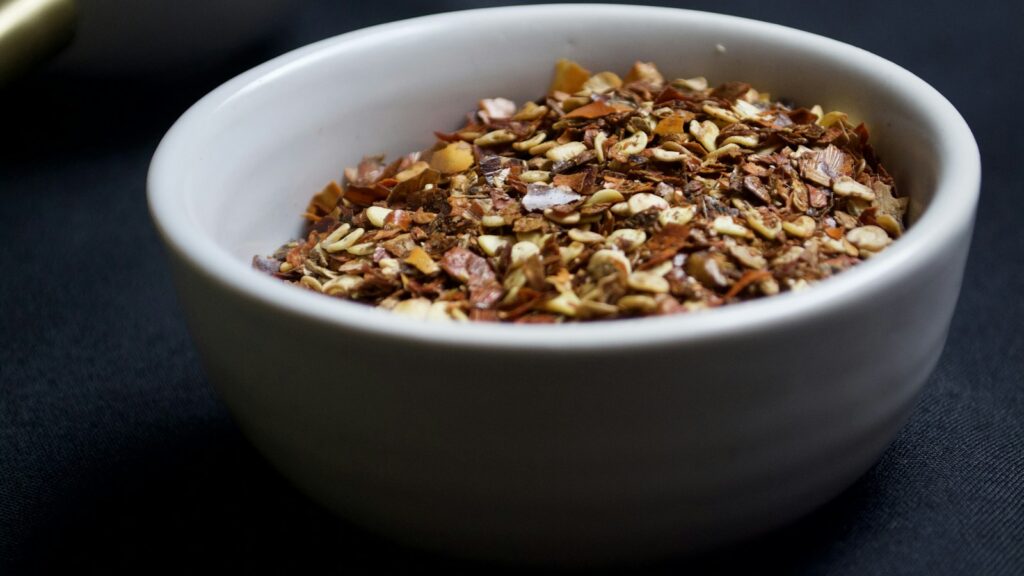
That little shaker beside the pizza box looks straightforward until a recipe asks for “chili flakes” and your cupboard says “crushed red pepper.” In most U.S. kitchens, red pepper flakes and chili flakes both mean pieces of dried chile pepper, and the names are often used interchangeably. The useful distinction is on the label: one jar may be a mixed crushed-pepper blend, while another names a particular pepper with its own flavor and heat. Start with a pinch, then taste.
For a swap, match the pepper and its heat before worrying about which of the two names appears on the jar.
Red pepper flakes and chili flakes: read past the name
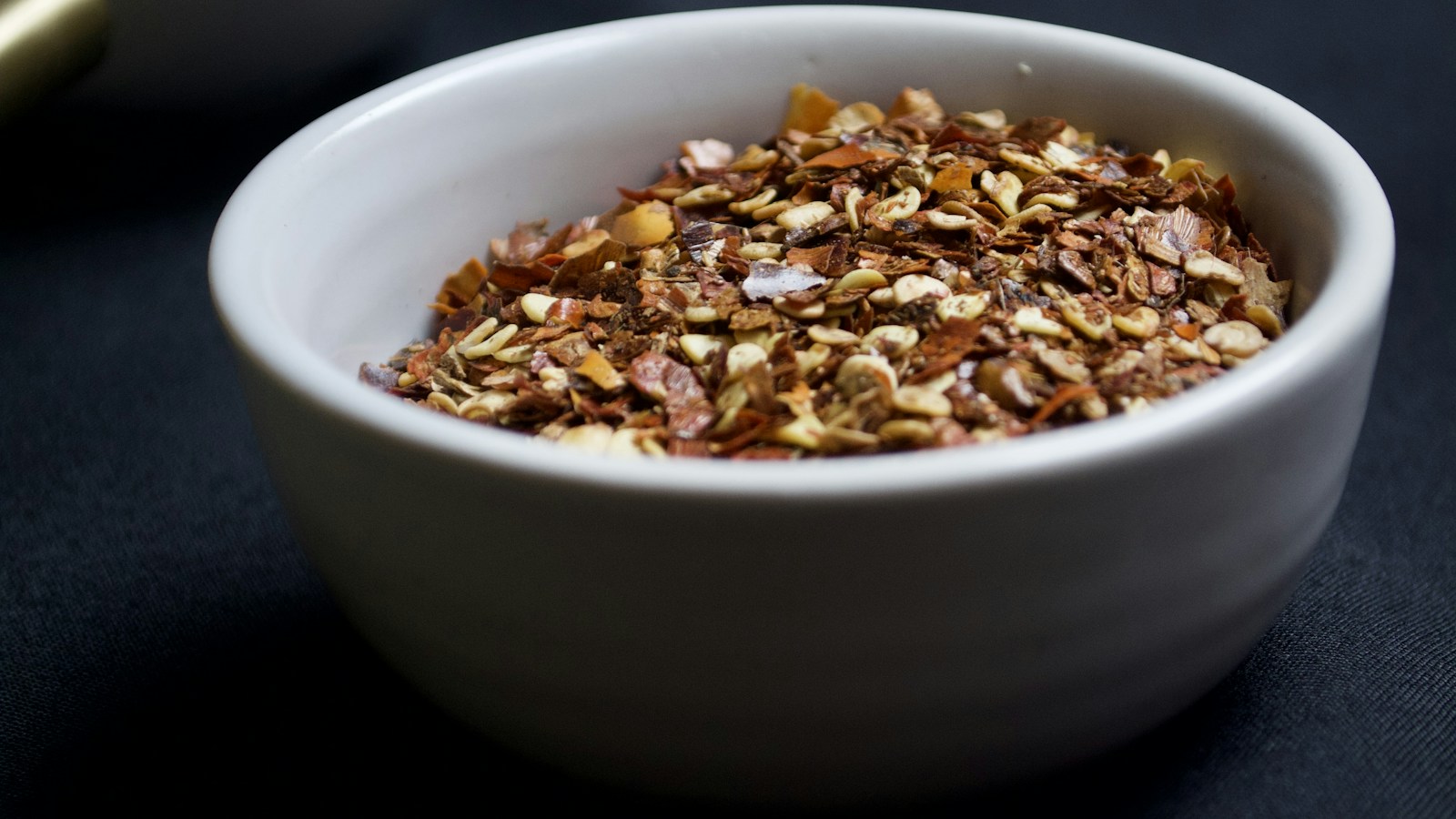
In a U.S. supermarket, crushed red pepper commonly refers to dried red pepper broken into small pieces, often with visible seeds. McCormick’s crushed red pepper, for example, combines pepper pods and seeds for a medium level of heat. “Chili flakes” is a broad description that can apply to a similar shaker or to flakes made from a specified variety. A package named gochugaru or crushed jalapeño gives you more information than a generic front label.
The spelling “chile” or “chili” can vary by region and brand; it doesn’t establish a separate ingredient. What matters is whether the jar lists one pepper, a mixture, or other ingredients. Look through the clear side if there is one: large flakes will appear differently in a dish than a finely milled powder, even when both are made from peppers.
I wouldn’t promise that two jars produce identical heat just because both look red. Pepper variety, processing, and the ratio of flesh to seeds and pale inner tissue change the experience. If a recipe was written for a named pepper, its distinct flavor may be part of the dish, not simply a request for spiciness.
Choose flakes for flavor, heat, and texture
Plain crushed red pepper gives scattered flecks and quick heat to a finished plate. A named flake can bring a different flavor profile: Korean gochugaru is used in kimchi and other Korean dishes and is typically coarser and fruitier than a generic pizza-shaker blend, though heat varies by product. Some crushed jalapeño flakes bring a green pepper note; a Thai-style blend may be noticeably hotter. The maker’s label is the best starting point.
If you are deciding between jars, ask what the recipe needs. For an informal pasta sauce or roasted vegetable tray, ordinary crushed red pepper may supply the warmth you want. For a dish centered on a specific chile, seek that named ingredient. This avoids treating all red flakes as interchangeable and then wondering where the intended aroma went.
Capsaicin, the compound responsible for much of a chile pepper’s heat, can linger on fingers and irritate eyes. Use a dry spoon rather than shaking a jar directly over steam. If you handle a generous amount, wash your hands before touching your face. Keep a cautious first addition; more can be added at the table, while removing heat from a finished pot is harder.
Use a pinch where you can taste the result
For a new jar of red pepper flakes, start with a small pinch in a portion of food, taste, and then scale up. That is more dependable than an exact one-to-one teaspoon swap between unknown products. Sprinkle near the end for distinct little bursts; simmer in sauce if you want the heat spread more evenly. Toasting the flakes briefly in oil can release aroma, but use moderate heat and don’t let them scorch.
A little heat can make a simple bowl feel finished: beans, eggs, a creamy soup, or pasta with olive oil all give the flakes somewhere to land. Their dry crunch can be welcome on a finished plate, while in a longer-cooked dish the pieces soften and become less visible. Consider texture as well as heat when choosing how early to add them.
Don’t confuse red pepper flakes with a blended chili powder. If you are comparing whole and ground spices, Tastiva’s ground coriander guide offers a useful example of how form changes aroma and use. In U.S. stores, “chili powder” often contains ground chiles plus seasonings such as cumin and garlic. A recipe that needs the flavor of that blend will change if you replace it with pure flakes. Conversely, a spoonful of a seasoned powder may add salt or other spices that a flake-only recipe never intended.
Keep the jar fresh and treat homemade chili oil carefully
Seal red pepper flakes tightly and store them away from sunlight, stove heat, and moisture. Utah State University Extension notes that heat and light harm the quality of dried foods, and pantry guidance favors airtight, dry storage for herbs and spices. A jar that has lost its lively aroma or color may still look usable, but it will contribute less flavor. Buy a quantity you can realistically finish rather than a huge container for one recipe.
Moisture is the practical enemy. A wet spoon or repeated steam from a hot pan can cause clumps; a clean dry spoon helps keep the jar in good condition. If you see mold or unusual dampness, discard it. Label a decanted container with the product name and purchase date, especially if you keep several varieties whose flakes look alike.
Chili oil needs its own food-safety plan. University of Minnesota Extension warns that oil containing low-acid ingredients such as garlic, herbs, or peppers can create conditions favorable to botulism when improperly stored at room temperature. Don’t assume that pouring warm oil over flakes makes a shelf-stable gift or pantry condiment. Follow a tested, credible method with its exact storage directions instead of improvising.
Sources
- McCormick: Crushed Red Pepper
- McCormick: Gochugaru Uses
- Utah State University Extension: Home Drying Foods
- University of Minnesota Extension: Chili Oil and Oil-Based Products

Hi, I’m Laura, the voice behind Tastiva. I’ve always believed that eating well should feel enjoyable, comforting, and realistic—not like another complicated rule to follow. I love creating recipes that fit into everyday life, sharing simple nutrition ideas, and finding small ways to make meals feel a little better without losing the pleasure of good food.