
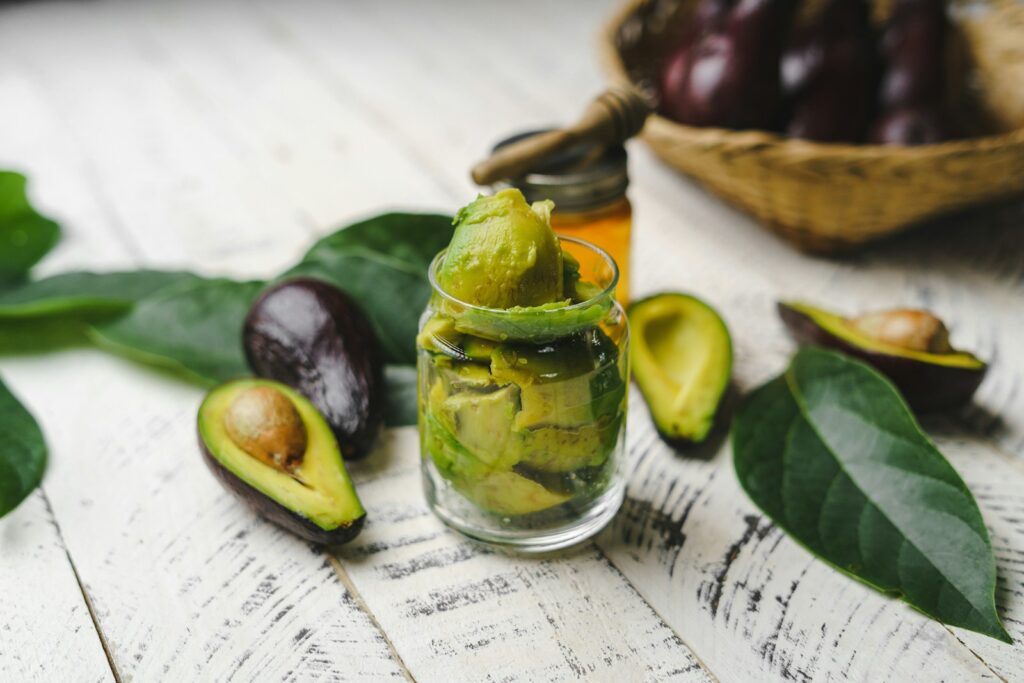
A bottle of pale avocado oil can look exactly like the oils lined up beside it, so the label debate is understandable. So, is avocado oil a seed oil? No. Standard edible avocado oil is extracted from the soft pulp around the pit, not from the seed itself. The avocado is a fruit, making this a fruit-pulp oil—much like olive oil is made from the fleshy part of olives.
The name of an oil tells you where it began, not whether an entire meal is healthy. Avocado oil comes from fruit; how much you use and what it replaces still matter.
Why avocado oil is a fruit oil, not a seed oil
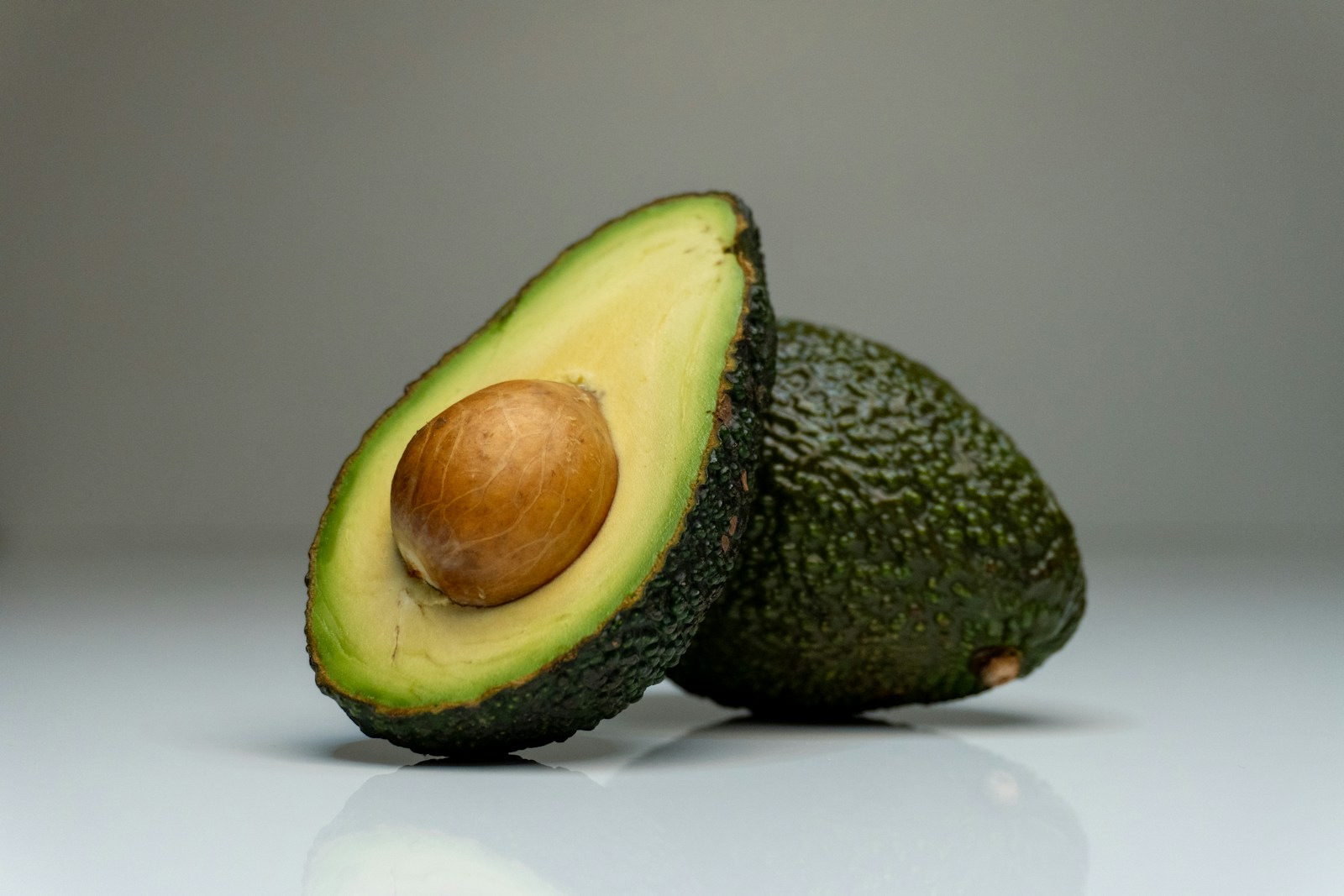
An avocado has skin, creamy edible flesh, and one large seed. Oil accumulates mainly in that fleshy middle layer, called the mesocarp. Producers separate ripe fruit from the pit and skin, crush or mash the pulp, and then separate the oil from water and solids. Methods vary, but the raw material behind a normal bottle of food-grade avocado oil is the pulp.
Seed oils, by contrast, begin with oil-bearing seeds such as sunflower, sesame, soybean, grapeseed, or canola. “Seed oil” is a conversational category rather than a single nutritional or regulatory grade; the oils in it differ in fatty-acid profile, flavor, refining, and cooking performance. Knowing the plant part answers a botanical question, not every health question.
Avocado pits can be researched or processed for niche extracts, but that does not turn conventional avocado oil into seed oil. If a specialty product actually used avocado seed, it should be clearly identified as such. The same distinction applies in Tastiva's guide to why olive oil is not a seed oil.
How virgin and refined avocado oils differ
Virgin or cold-pressed avocado oil is mechanically extracted with conditions intended to preserve flavor and pigments. It may be emerald to yellow-green and can taste grassy, buttery, or distinctly avocado-like. Color naturally varies with fruit variety, ripeness, processing, and storage, so green is not a stand-alone purity test.
Refined avocado oil goes through additional processing to reduce free fatty acids, odors, flavors, color, or impurities. The result is usually pale and neutral, which makes it useful when I want an oil to disappear into the background of a stir-fry or baked dish. Refining can improve stability for higher-heat cooking, while reducing some of the aroma and minor plant compounds found in virgin oil.
| Label | Typical character | Useful for | Check before buying |
|---|---|---|---|
| Virgin or extra-virgin | Greenish, aromatic, avocado or grassy notes | Dressings, dipping, finishing, gentle sautéing | Extraction method, origin, harvest or best-by information |
| Cold-pressed | Mechanically extracted with controlled heat; not automatically identical across brands | Flavor-forward everyday use | Whether it is also labeled virgin and how the maker defines the term |
| Refined | Pale, neutral, generally more tolerant of high heat | Roasting, searing, baking, neutral sauces | Ingredient list and the cooking guidance on the bottle |
| Avocado-oil blend | Mixed with another oil | Depends on the blend | Every oil named in the ingredient list and its order |
Is avocado oil healthier than seed oils?
Avocado oil is mostly monounsaturated fat, especially oleic acid, with smaller amounts of polyunsaturated and saturated fat. One tablespoon supplies roughly 120 calories and 14 grams of fat, as other pure cooking oils do. Replacing some butter, shortening, or other fats higher in saturated fat with an unsaturated oil can fit heart-health guidance. Simply adding extra oil to an already complete meal does not create the same substitution benefit.
That does not make avocado oil universally “better” than every seed oil. Canola, soybean, sunflower, sesame, and other oils have different fatty-acid profiles and uses, and major health organizations recommend replacing saturated fats with unsaturated fats rather than fearing oils because of their seed origin. Online arguments often blame seed oils for the whole nutritional profile of fried or ultra-processed foods; the oil source is only one part of those foods.
I would choose by function, flavor, budget, and the rest of the meal. Avocado oil is a good option when its neutral flavor or cooking performance earns its higher price. Olive, canola, or another unsaturated oil may be equally sensible for a different dish. Variety is less dramatic than an oil “winner,” but it is more useful in a real kitchen.
How to choose, cook with, and store it
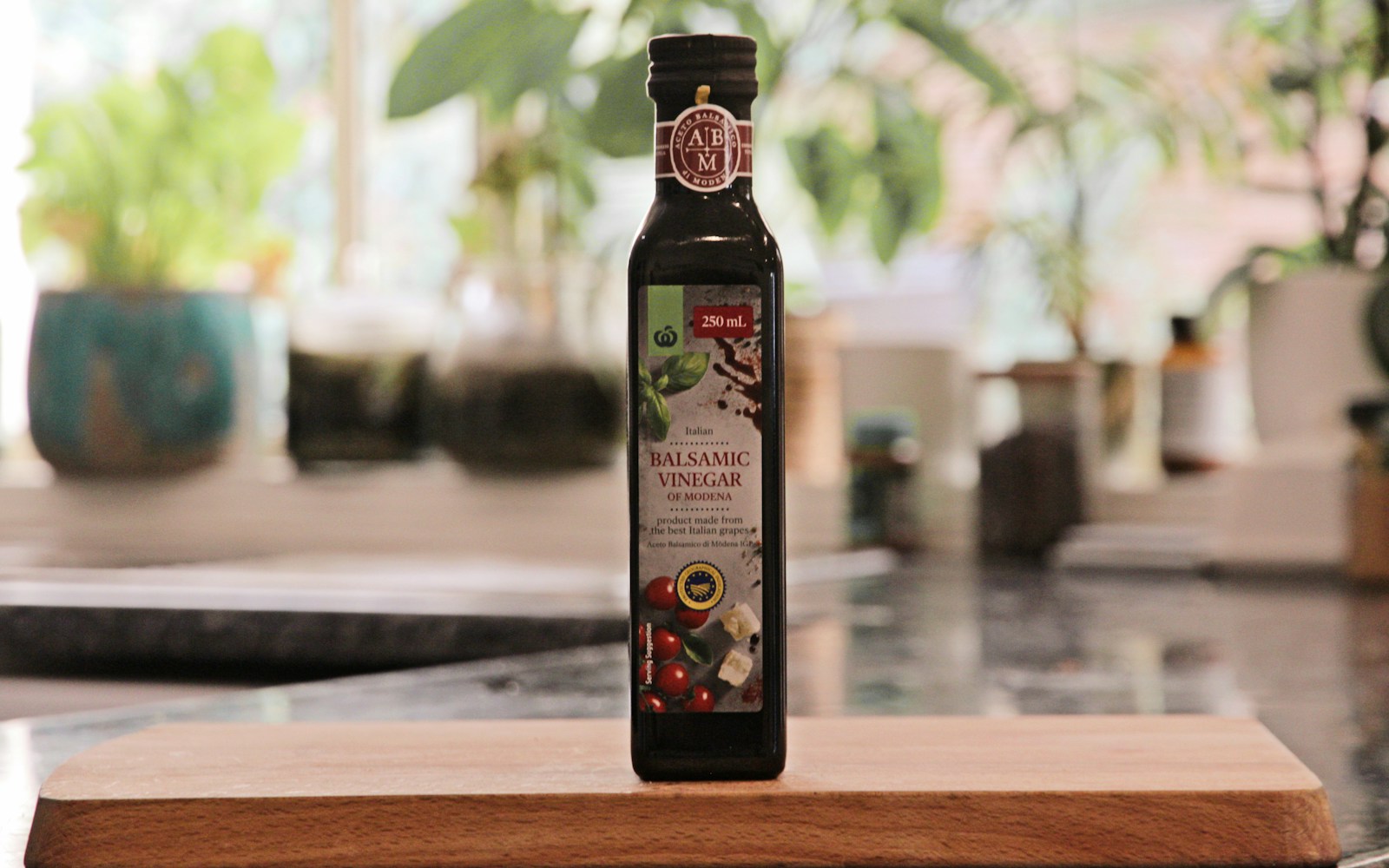
Avocado oil quality deserves attention. A peer-reviewed survey of commercial oils sold in the United States found major variation in oxidation and purity, including samples whose composition suggested other oils. That finding does not mean every bottle is fraudulent, and shoppers cannot confirm purity by color or price alone. It does make transparent sourcing, sensible packaging, and a producer's quality controls worth more than a glamorous front label.
- Choose a bottle size you can finish while it still smells fresh.
- Prefer dark glass, metal, or another container that limits light exposure.
- Read the ingredient list; “made with avocado oil” may describe a blend or packaged food, not pure oil.
- Use virgin oil when you want its flavor and refined oil when you want neutral taste or higher-heat performance.
- Follow the bottle's cooking directions, and turn down the heat if any oil begins to smoke.
- Close the cap promptly and store the bottle in a cool, dark cabinet away from the stove.
Fresh avocado oil should smell mild, grassy, buttery, or nearly neutral depending on the style. A stale crayon, putty, paint, or old-nut aroma suggests oxidation. When that happens, I would replace the bottle rather than trying to hide it in a strongly flavored dish. The satisfying conclusion is simple: avocado oil is fruit oil, not seed oil—and a fresh, honestly labeled bottle is more important than the social-media category around it.
Sources
- USDA FoodData Central: Avocado Oil Search
- Green and Wang: Quality and Purity Evaluations of Avocado Oil Sold in the United States
- Costagli and Betti: Avocado Oil Extraction Processes
- American Heart Association: Dietary Fats
- American Heart Association: Saturated Fat and Unsaturated-Fat Replacements
- FDA: How to Understand and Use the Nutrition Facts Label

Hi, I’m Laura, the voice behind Tastiva. I’ve always believed that eating well should feel enjoyable, comforting, and realistic—not like another complicated rule to follow. I love creating recipes that fit into everyday life, sharing simple nutrition ideas, and finding small ways to make meals feel a little better without losing the pleasure of good food.