
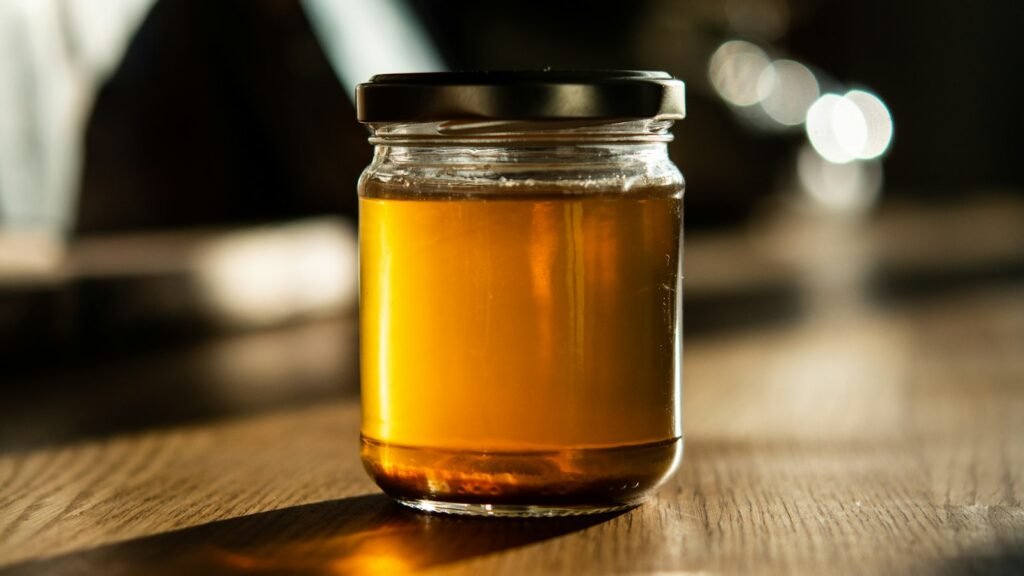
Two cartons can look almost identical until a recipe asks for one by name. The traditional difference between stock and broth is body and preparation: stock usually draws on bones and connective tissue, while broth is often made with meat and seasoned for serving. In the grocery aisle, those conventions overlap, so the ingredient list and sodium level deserve a look too.
Choose the liquid for the finished dish: how much body, flavor, and seasoning it needs matters more than the carton name alone.
The difference between stock and broth starts with the pot
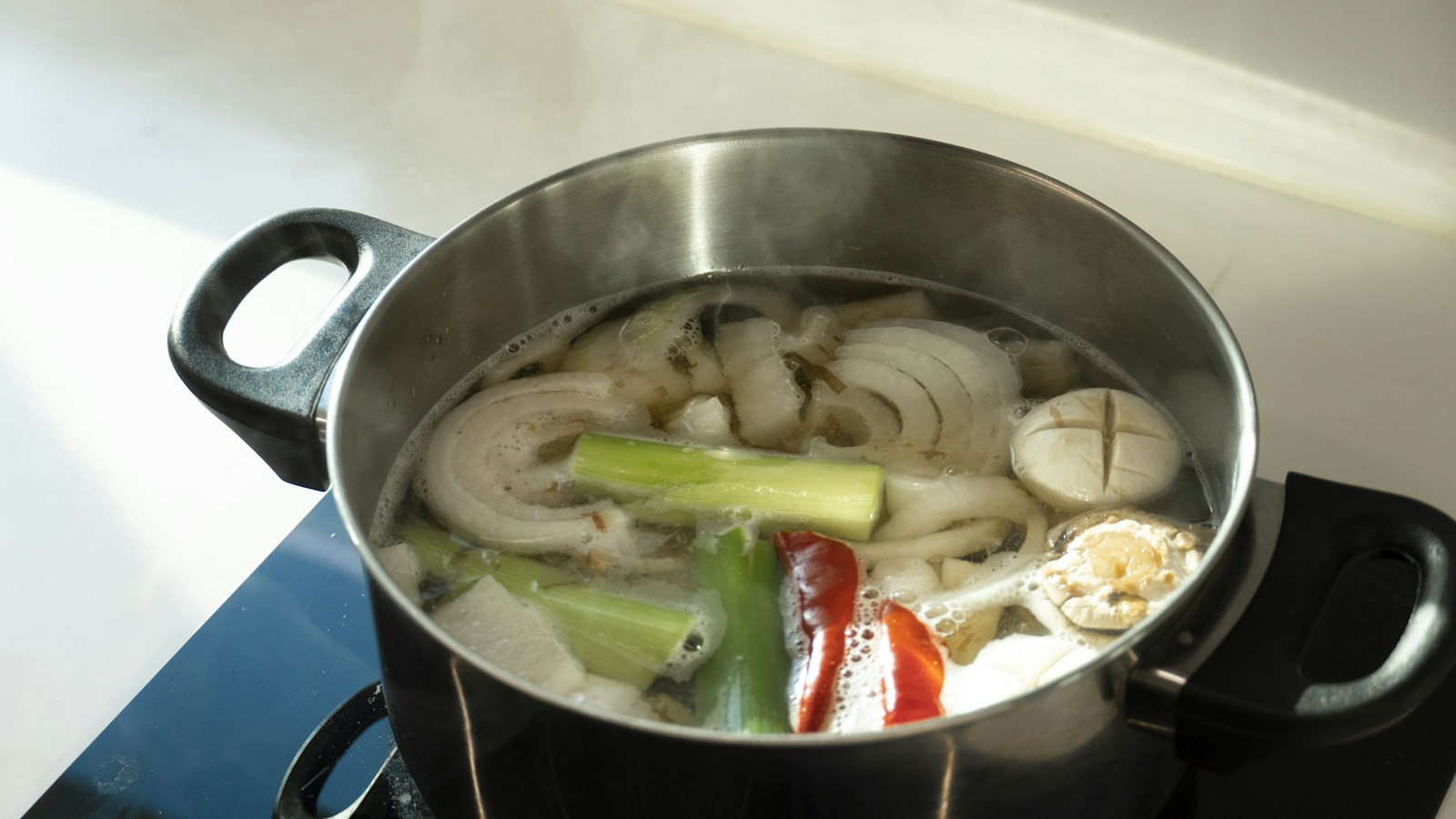
Traditional meat stocks simmer bones, connective tissue, and often vegetables and aromatics. Gelatin from connective tissue can give the liquid body, especially noticeable after cooling. Broths commonly use meat and may be seasoned as a finished liquid. These are useful culinary conventions, not a promise that every commercial product follows one rigid formula.
Vegetable stock is the obvious reminder that names have limits: it doesn't need animal bones to be called stock. Likewise, products called bone broth often resemble long-simmered stocks in preparation. Read what a producer actually includes instead of assuming the front label guarantees protein content, salt level, or a particular texture.
| Feature | Traditional stock | Traditional broth |
|---|---|---|
| Starting point | Bones and connective tissue, often with aromatics | Meat, sometimes with bones and aromatics |
| Typical role | A foundation for sauces and other dishes | A flavorful liquid for soup or serving |
| Body | May be richer in gelatin | Often lighter, depending on preparation |
| Seasoning | Often kept flexible for later cooking | Often seasoned for use |
| Packaged versions | Check the actual formula | Check the actual formula |
The difference between stock and broth helps explain a recipe, but I would let the product label settle the shopping decision. A carton labeled stock can still be salty, and a broth can still work very well in a sauce. The useful distinction is what you need it to do in that particular pan.
Match body and flavor to the dish
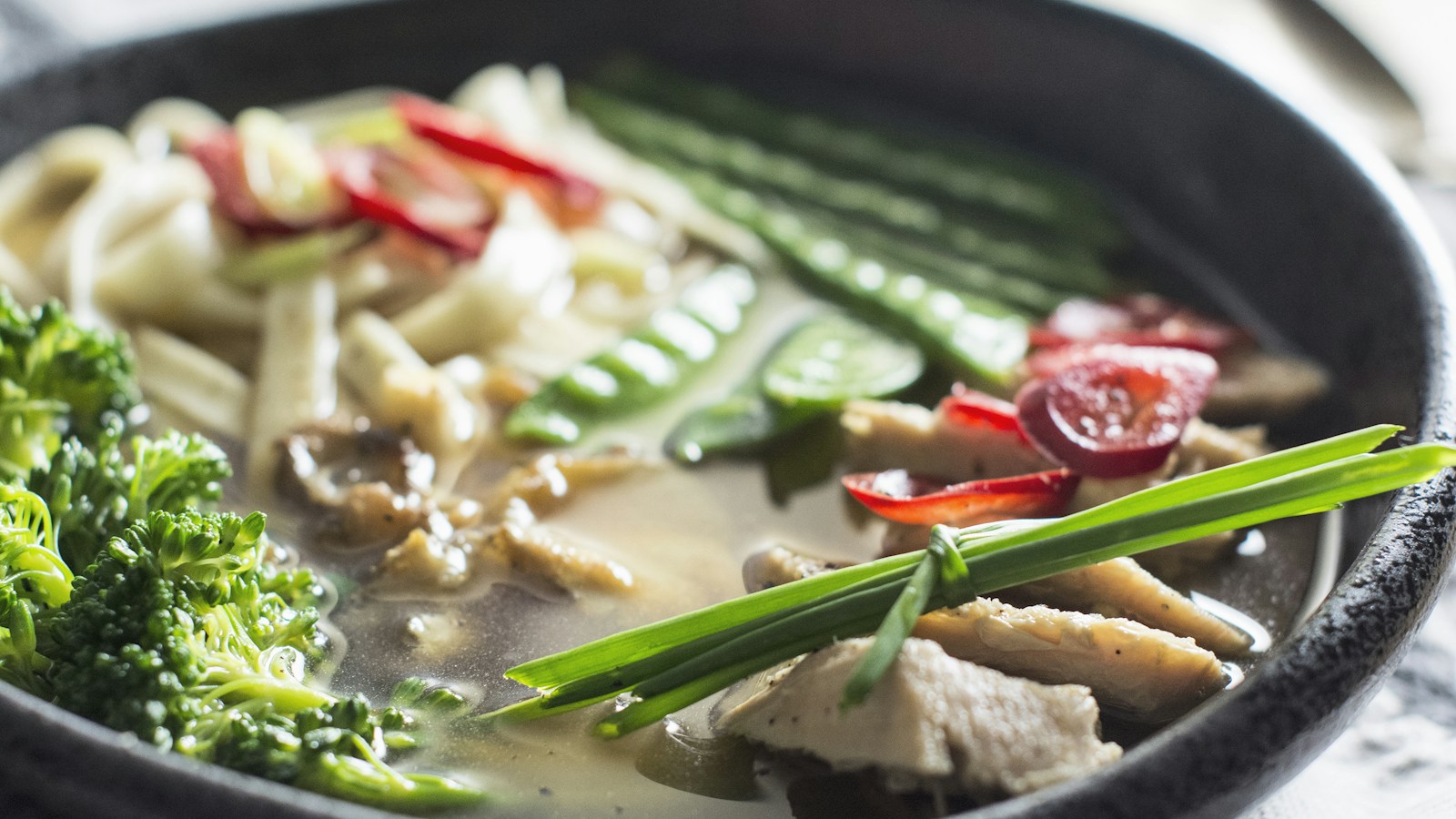
A sauce that reduces substantially benefits from a base with enough body and a manageable salt level. A light noodle soup may need a more delicate liquid, while rice or a casserole may be forgiving about the name. The dominant flavor matters too: a strongly flavored beef liquid can change a dish intended to taste mainly of vegetables.
- For a pan sauce or gravy: Consider body and sodium before reducing. You can add seasoning later more easily than remove it.
- For a clear soup: Choose a flavor you enjoy on its own and build the remaining ingredients around it.
- For rice or other grains: Use the recipe's total liquid amount and account for any seasoning already in the liquid.
- For a braise: Match the stock or broth to the main ingredients and the amount of reduction expected.
- For a vegetarian dish: Confirm the ingredients; a vegetable-flavored product isn't a substitute for reading the full label.
When a homemade stock firms up in the refrigerator, that can reflect gelatin rather than spoilage. It doesn't establish safety or prove a fixed protein amount, and not every good stock gels firmly. Use safe storage practices and the product's condition rather than turning the refrigerator wobble into a quality competition.
Can you substitute one for the other?
The difference between stock and broth matters less in a flexible weeknight recipe: ready-to-use versions can often replace each other in the same measured volume. Expect differences in flavor, body, and seasoning, and taste as the dish develops. This advice doesn't apply unchanged to a concentrate, a powder, or a gel that needs dilution first.
If you're using bouillon, follow its water ratio before measuring the prepared liquid. Our chicken bouillon guide covers that separate concentrated ingredient. A teaspoon of base isn't the same thing as a cup of broth, even when both are described as a shortcut to chicken flavor.
- Check whether the package says ready to use or gives a dilution instruction.
- Match the recipe's liquid volume with the prepared product.
- Compare sodium and reduce separately added salt initially when appropriate.
- Taste near the end, after evaporation has concentrated the liquid.
- Adjust the final dish for flavor and texture using the recipe's intended method, rather than assuming extra salt will solve every difference.
If the original recipe relies on a particularly gelatin-rich homemade stock, a thin boxed broth may produce a lighter sauce. For a delicate dish, use the specified stock or a tested substitution. For a flexible weeknight soup, the carton already in your pantry may be entirely practical.
Store the liquid according to its actual form
The difference between stock and broth tells you little about how long either will keep. An unopened shelf-stable carton, a refrigerated product, and a pot of homemade stock have different starting conditions. Follow the package instructions, then refrigerate promptly after opening or cooking. Divide a large homemade batch into smaller, shallow containers for cooling rather than leaving a deep pot on the counter until it reaches room temperature.
FoodSafety.gov lists three to four days in the refrigerator for soups and stews, with refrigeration at 40°F (4°C) or below. Use the product's shorter after-opening direction when one is given. Freeze portions you won't use in time, label them clearly, and leave appropriate expansion space in freezer-safe containers.
- Mark whether a frozen portion is salted, unsalted, concentrated, or ready to use.
- Freeze amounts that match your cooking habits, such as a measured portion for a sauce or a larger one for soup.
- Thaw and handle safely; don't rely on a normal smell to prove that poorly stored food is safe.
- Reheat according to food safety guidance and the recipe, remembering that reheating doesn't repair every consequence of unsafe storage.
Sources
- McCormick: Stock and Broth Definitions
- FoodSafety.gov: Cold Food Storage Chart
- FoodSafety.gov: Four Steps to Food Safety

Hi, I’m Laura, the voice behind Tastiva. I’ve always believed that eating well should feel enjoyable, comforting, and realistic—not like another complicated rule to follow. I love creating recipes that fit into everyday life, sharing simple nutrition ideas, and finding small ways to make meals feel a little better without losing the pleasure of good food.