
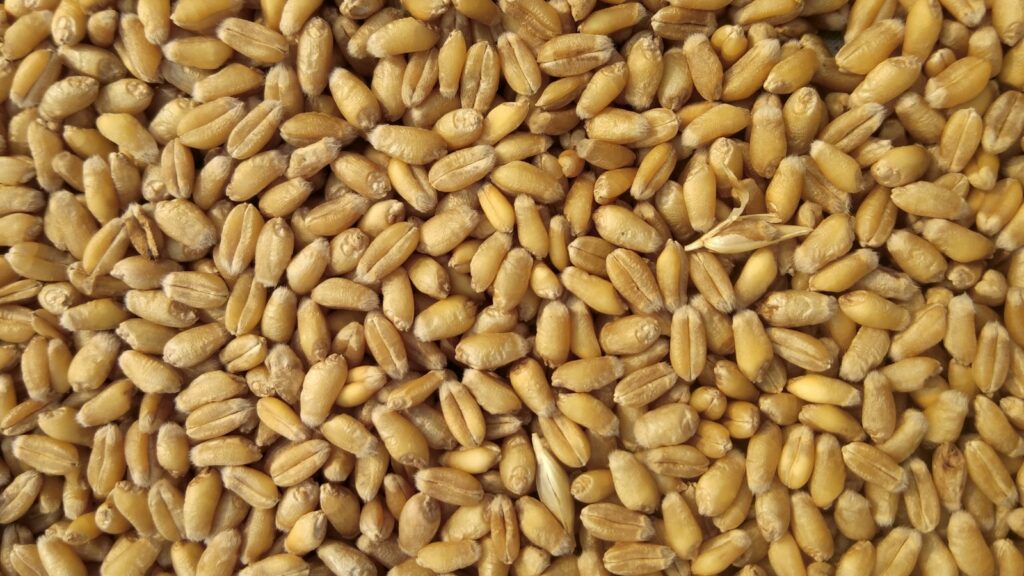
A tub of maltose syrup can look almost too thick to pour, while the same word may appear quietly in a packaged food's ingredients. Maltose is a sugar made from two linked glucose units. In cooking, a maltose-rich syrup can contribute sweetness and a sticky texture, but it isn't a sugar-free sweetener or automatically the same thing as barley malt syrup.
Read maltose as an ingredient with a particular job, not as a shortcut to judging a food's healthfulness.
What maltose is, without a chemistry lecture
Maltose is called a disaccharide because it contains two sugar units joined together. Those units are both glucose. Table sugar, or sucrose, combines glucose and fructose instead. This difference helps explain why the names describe different sugars, even though both belong in the broader conversation about carbohydrate and sweetness.
Maltose can form when starch is broken down, and manufacturers use enzymes to produce syrups with different sugar mixtures. Novonesis describes maltose syrups as ingredients whose sweetness and texture can be tailored for food applications. A commercial syrup therefore isn't necessarily pure maltose in a jar; its ingredient list and specifications still matter.
| Term | What it refers to | What to check |
|---|---|---|
| Maltose | A sugar made from two glucose units | Its role in the food and the amount present |
| Maltose syrup | A syrup rich in maltose, with a formulation that can vary | Ingredients, consistency, and recipe use |
| Barley malt syrup | A syrup identified with malted barley | Gluten suitability and its distinct flavor |
| Maltodextrin | A different starch-derived ingredient | Don't identify it as maltose from the similar name |
| Maltitol | A sugar alcohol | Different labeling and digestive considerations |
I find the last two names especially easy to mix up on a crowded label. Read the entire word rather than stopping at “malt.” Similar beginnings don't establish the same composition, sweetness, or suitability for a particular diet.
Why a recipe asks for the syrup
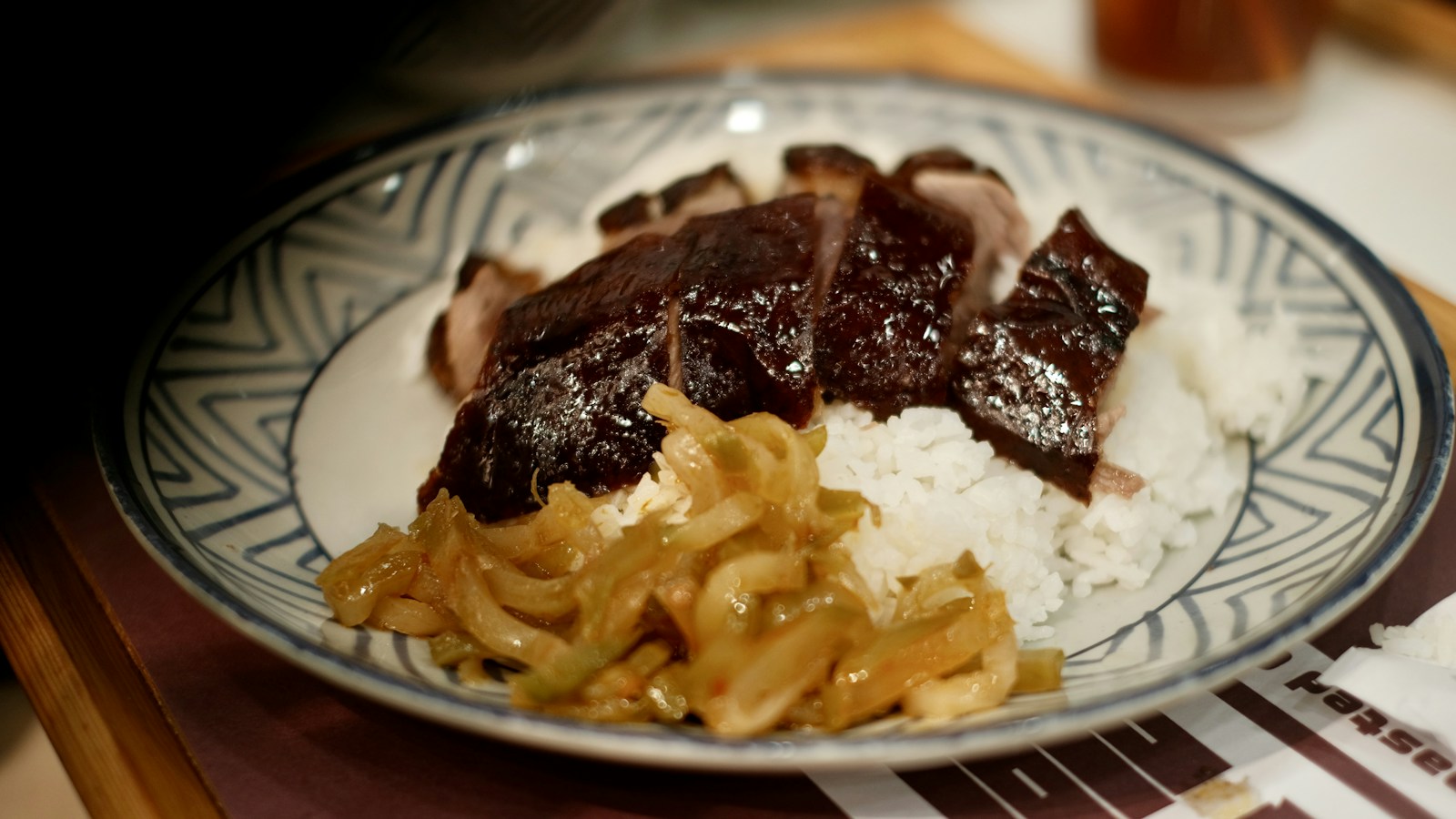
A sticky syrup can help a glaze cling or contribute texture to a confection, and maltose-rich syrups are used in those kinds of applications. When a recipe requests one, the author may be relying on more than sweetness alone. Replacing it with another syrup can change flavor, thickness, water content, or how the finished food sets.
That doesn't mean substitutions are impossible. It means you should use the recipe author's tested option when available, especially for candy or a carefully balanced glaze. Honey, corn syrup, and maple syrup aren't interchangeable simply because each can be poured from a bottle; their formulas and flavors differ.
- Read the recipe before shopping to confirm whether it needs maltose syrup, malt extract, or another similarly named ingredient.
- Check whether the quantity is given by weight or volume, and measure on that basis.
- If the syrup is very stiff, follow its package or recipe directions for softening it rather than heating an unknown container.
- Use a clean, dry utensil and return the lid promptly after measuring.
- Avoid adding water directly to the storage tub just to make scooping easier; adjust a measured portion only as the recipe directs.
For a first purchase, I would buy the smallest practical size that fits the recipe. You can then decide whether you have enough uses for it to become a regular pantry ingredient. A specialized syrup is most useful when it solves an actual cooking problem, not when it waits indefinitely for an imagined project.
Sugar, carbohydrate, and the gluten question
Maltose is still sugar even if a particular syrup tastes less sweet than table sugar. A softer sweetness doesn't make it carbohydrate-free or automatically suitable for unrestricted use in diabetes meal planning. Read total carbohydrate and sugars for the portion you use, and follow any individualized guidance you already have.
The word maltose also doesn't identify every ingredient used to produce a finished syrup. Some products can involve gluten-containing grains, while other formulations use different starch sources. If you have celiac disease, choose a product with appropriate gluten-free labeling or reliable manufacturer confirmation; don't make the decision from the chemical name alone.
- Barley contains gluten, so a syrup identified as barley malt needs a different assessment from a verified gluten-free product.
- A wheat allergen statement and a gluten-free claim answer related but different questions.
- Check the complete ingredient list, including flavorings or other syrups blended into the product.
- Recheck the package when buying a new brand rather than carrying over an assumption from the previous tub.
Our gluten-free cereal guide gives context for grain ingredients in finished foods. With a syrup, the same practical habit applies: identify the whole product before deciding it fits your needs.
Use the label to make an ordinary food decision
Finding maltose in an ingredient list doesn't tell you how much of the whole food you will eat, how much protein or fiber it contains, or whether you enjoy it. Use the Nutrition Facts panel alongside the ingredients. Added sugars include sugars used during processing and sugars supplied by sweetening syrups; the name doesn't remove that nutritional role.
Think about the food in front of you. A measured amount in a glaze shared across several portions is a different amount from several spoonfuls added to one drink. You don't need to label either food morally; you need a clear serving basis if the numbers matter to you.
Store the syrup according to its own package directions, keep the rim and utensils clean, and don't assume it follows the same storage rules as honey or another pantry sweetener. If you only need sweetness in a casual dish, a familiar ingredient may be simpler. If the recipe needs maltose's particular behavior, use the specified product and measure carefully.
Sources
- EMBL-EBI ChEBI: Maltose
- Novonesis: Maltose Syrup Applications
- FDA: Added Sugars on the Nutrition Facts Label
- Celiac Disease Foundation: What Is Gluten?

Hi, I’m Laura, the voice behind Tastiva. I’ve always believed that eating well should feel enjoyable, comforting, and realistic—not like another complicated rule to follow. I love creating recipes that fit into everyday life, sharing simple nutrition ideas, and finding small ways to make meals feel a little better without losing the pleasure of good food.