

A coffee followed by a trip to the bathroom can make the answer seem obvious. But coffee doesn't usually dehydrate healthy adults when consumed in moderate amounts. The drink supplies water, and a temporary increase in urination isn't the same thing as losing more fluid than you take in. Your caffeine dose and circumstances still matter.
Your coffee contributes fluid, but it doesn't need to become your only drink or the answer to every kind of thirst.
Does coffee dehydrate you, or just make you pee?
Caffeine can have a diuretic effect, meaning it can increase urine production. That tells us something about the kidneys' response; it doesn't tell us the net effect of a whole mug of coffee. Coffee contains water as well as caffeine, and those two facts have to be considered together.
The response also depends on how much caffeine you consume and whether you're accustomed to it. Evidence from habitual coffee drinkers doesn't automatically describe someone taking a large caffeine dose for the first time. I think this is the missing piece in many coffee arguments: “contains a diuretic” is a description, not a complete hydration calculation.
An espresso, a large brewed coffee, and a concentrated cold brew aren't interchangeable portions. Cup size, strength, and the number of shots change the caffeine amount. A small-looking drink may be concentrated, while a large iced drink contains a different mix of coffee, water, and ice. Check the serving rather than counting cups alone.
What a well-known hydration study actually found
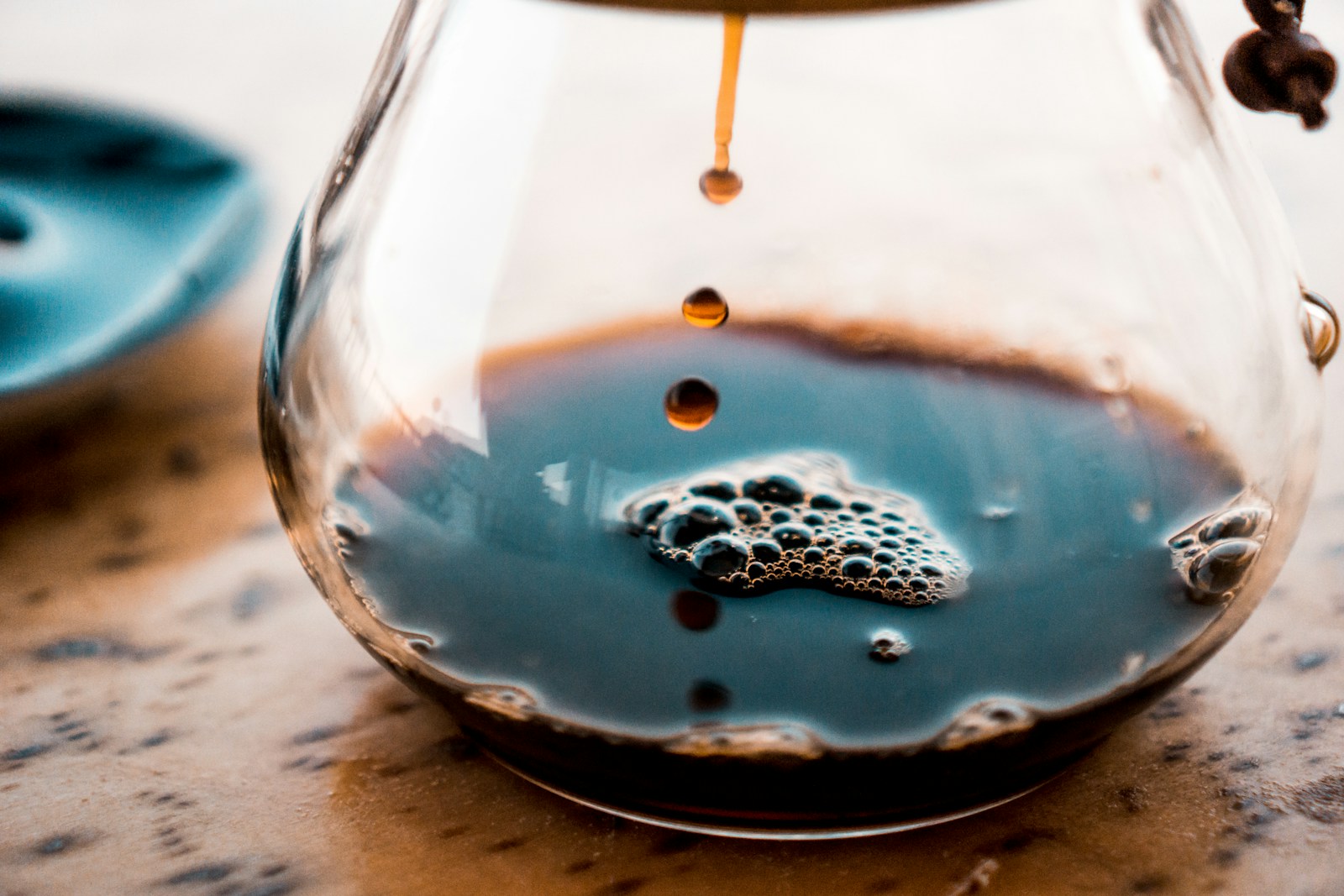
In a 2014 crossover study, 50 healthy men who regularly drank coffee consumed coffee or an equal volume of water during separate trial periods. The coffee condition supplied four 200-milliliter servings a day, with caffeine adjusted to body weight. Researchers found no significant differences in total body water or a range of hydration measures between conditions.
That result supports a sensible point: moderate coffee can contribute to hydration in people accustomed to it. It does not prove that unlimited coffee is harmless, that caffeine tablets hydrate you, or that the findings apply unchanged to pregnancy, illness, strenuous exercise, or every medical condition. The controlled, short study wasn't designed to answer those questions.
| Question | What the evidence supports | What it doesn't establish |
|---|---|---|
| Does coffee supply usable fluid? | Yes; moderate coffee did not worsen hydration in this group of habitual drinkers | Coffee should replace every other drink |
| Does more urination mean dehydration? | Urination alone doesn't establish a negative fluid balance | A person can ignore thirst, illness, or other fluid losses |
| Is every serving equivalent? | Water and caffeine amounts both matter | Four large café coffees match the study's servings |
| Does this cover everyone? | The study informs a specific population and situation | Identical results in all ages, conditions, and caffeine habits |
I'm more interested in that useful boundary than in declaring coffee either a villain or a wellness drink. You can acknowledge the fluid it contributes while still deciding that another cup would make you feel jittery or interfere with sleep.
Hydration and caffeine tolerance are separate decisions
The FDA cites 400 milligrams of caffeine per day as an amount not generally associated with negative effects for most adults. It isn't a recommended intake or a target to reach. Sensitivity varies, and some medications, health conditions, pregnancy, and breastfeeding change the conversation with your clinician.
- Count all caffeine sources: tea, energy drinks, supplements, chocolate, and some medicines can add to the total.
- Look up the actual drink: café servings and home preparations vary widely. “One coffee” isn't a standardized dose.
- Notice other effects: jitters, a racing heartbeat, anxiety, stomach discomfort, or trouble sleeping are reasons to reassess caffeine, even if you're adequately hydrated.
- Consider decaf for the ritual: it still supplies fluid and usually contains much less caffeine, though it isn't necessarily caffeine-free.
Milk or a splash of cream doesn't erase the water in coffee. Added sugar also doesn't cancel hydration, but it is a separate nutrition consideration. A large sweetened coffee can be both a source of fluid and a drink whose sugar or caffeine amount you want to adjust.
For those broader trade-offs, Tastiva's guide to coffee and health looks at the everyday cup beyond hydration. You don't need to solve every coffee question with one yes-or-no verdict.
A practical drinking routine, without coffee compensation rules
There's no evidence from this study that every moderate cup creates a water debt requiring one matching glass. Keeping water alongside coffee is still a convenient habit if it helps you drink regularly. Treat it as an easy option, not a punishment for having an espresso.
Needs change with heat, sweating, fever, vomiting, and diarrhea. Coffee shouldn't be your strategy for treating dehydration. If you're unwell or losing substantial fluid, seek advice about appropriate fluid replacement; people who have been prescribed a fluid limit should follow their individual care plan.
Thirst, darker urine, dizziness, and reduced urination can be warning signs, although no single sign tells the whole story. Confusion, fainting, or very little urine needs prompt medical attention. For an ordinary day, make water easy to reach, enjoy coffee within your tolerance, and respond to how your body and circumstances change.
Sources
- Killer and colleagues: coffee versus water and hydration, PLOS ONE
- FDA: caffeine amounts, sensitivity, and adverse effects
- MedlinePlus: dehydration symptoms and treatment

Hi, I’m Laura, the voice behind Tastiva. I’ve always believed that eating well should feel enjoyable, comforting, and realistic—not like another complicated rule to follow. I love creating recipes that fit into everyday life, sharing simple nutrition ideas, and finding small ways to make meals feel a little better without losing the pleasure of good food.