
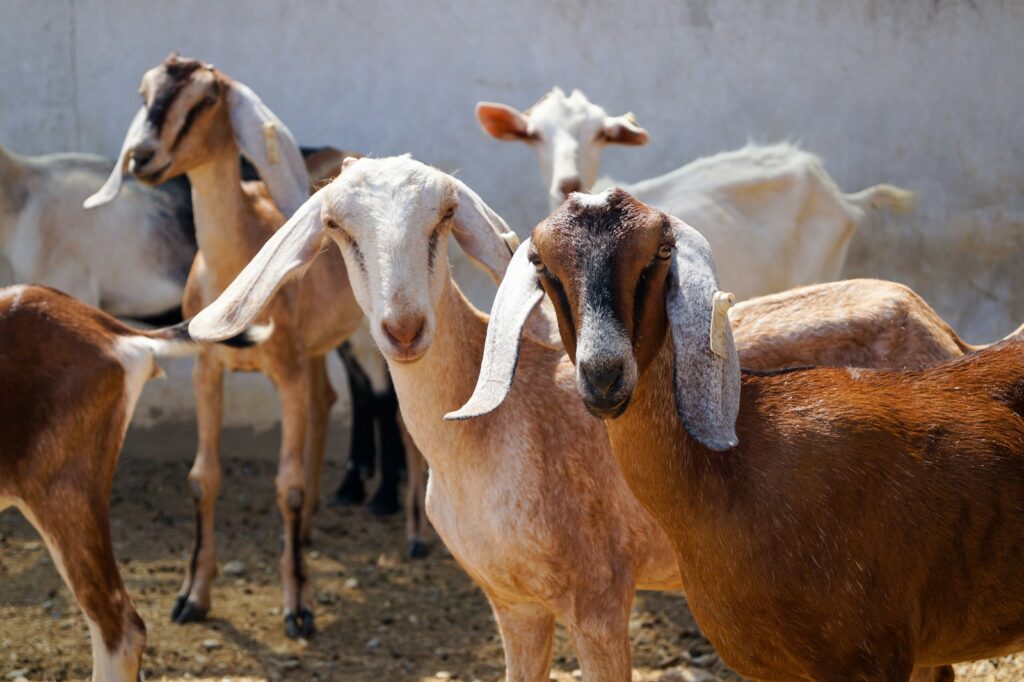
A package labeled “goat meat” can contain tender chops, bone-in stew pieces, or ground meat, and those aren't three versions of the same dinner. Goat is red meat, usually fairly lean, with a flavor that varies by the animal and cut. Choose the cooking method around the cut instead of assuming everything needs either a quick sear or an all-day simmer.
With goat, the useful question is which cut you're cooking: tenderness, moisture, and time matter more than a one-size-fits-all method.
What goat meat tastes like, and what the label means
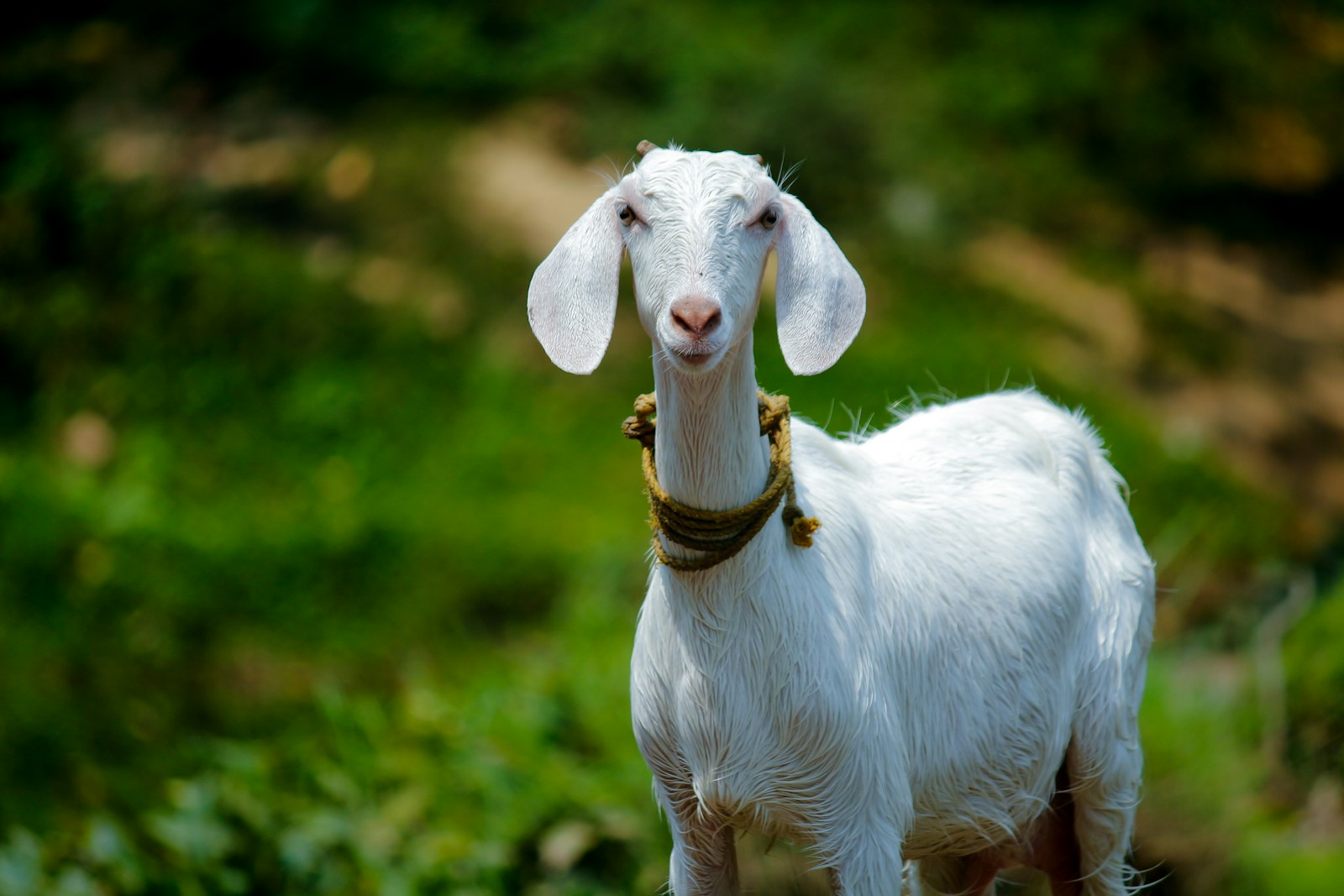
You may see goat described as chevon or cabrito; cabrito generally refers to young goat. Meat from younger animals tends to be milder and more tender, while older goat can have a more pronounced flavor and benefit from moist cooking. There is variation within those broad descriptions, so ask your butcher about the actual meat in the case.
Goat isn't lamb: they come from different animals. Nor does the word “mutton” mean the same thing everywhere. In some food contexts it refers to goat; in others it means mature sheep. If a recipe or store label leaves the species unclear, a quick question prevents buying a different ingredient than you intended.
I wouldn't make a first purchase based only on the price per pound. Bone-in pieces include bone, and a bag of assorted stew cuts may cook less evenly than pieces of similar size. Knowing what is in the package helps you plan the meal, portion size, and equipment before the stove is on.
Match the cut to the kind of dinner you want
Lean meat has less fat to buffer careless cooking. A tender chop can dry out if you treat it like a stew, while a shoulder piece may remain chewy after a quick sear. The American Boer Goat Association's USDA-derived guidance highlights both goat's leanness and the usefulness of stewing for meat from older animals.
| Cut or package | Suitable approach | Question worth asking |
|---|---|---|
| Loin or rib chops | A controlled grill, pan, or oven method with temperature checks | How thick are the chops, and are they from young goat? |
| Shoulder, shank, or neck | Moist cooking such as braising or stewing until tender | Are the pieces similar in size, and how much is bone? |
| Leg | A cut-specific roasting or braising recipe | Is it boneless, bone-in, or cut into pieces? |
| Ground goat | Patties, meatballs, or a cooked filling | Is it plain goat or blended with another meat or fat? |
| Mixed stew meat | A covered stew or braise suited to the pieces | Which cuts are included, and are there small bone fragments? |
For a braise, enough cooking liquid and a covered vessel help provide a moist environment; tenderness is the goal beyond reaching the minimum safe temperature. The exact time depends on the cut, size, animal, and equipment. A fixed promise that all goat becomes tender in an hour is unlikely to serve every cook well.
Seasoning can head toward cumin and coriander, ginger and warming spices, or rosemary and garlic, depending on the dish. I like to give the cut a job first and choose the seasoning second. A well-chosen recipe is more useful than adding extra marinade to compensate for the wrong cooking method.
Goat meat nutrition, with the serving clearly defined
USDA's standard record for roasted goat meat lists approximately 122 calories, 23 grams of protein, and 2.6 grams of fat per 3-ounce cooked serving (85 grams). Those figures describe the cooked meat itself, not a restaurant curry, fried preparation, or plate with rice and sauce.
| Measure | Per 100 g roasted goat | Per 3 oz cooked goat, 85 g |
|---|---|---|
| Calories | 143 | About 122 |
| Protein | 27.1 g | About 23 g |
| Total fat | 3.03 g | About 2.6 g |
These are reference estimates, not a guarantee for every cut or animal. Added oil, coconut milk, cream, or other ingredients change the completed dish, and cooked weights shouldn't be compared directly with raw weights. Meat loses moisture during cooking, which changes the nutrient concentration per gram.
Goat can contribute protein to a meal without needing a “healthiest meat” title. Consider the portion, preparation, and foods alongside it. Vegetables, a grain or potato, and an enjoyable sauce can make a balanced plate; our protein-needs guide puts a single serving into a broader daily context.
Safe temperatures, thawing, and leftovers
Cook whole goat steaks, chops, and roasts to at least 145°F (63°C), then rest for 3 minutes before eating. Ground goat needs 160°F (71°C). Use a food thermometer in the thickest portion, away from bone; color alone doesn't establish safety. Stew cuts may need considerably more cooking for tenderness after they reach a safe temperature.
- Keep raw goat refrigerated at 40°F (4°C) or below. Use ground or cubed meat within 1–2 days, and larger cuts within 3–5 days, or freeze promptly.
- Thaw in the refrigerator. If using cold water or a microwave, follow safe thawing guidance and cook immediately afterward.
- Keep raw meat and its juices separate from ready-to-eat food. Don't rinse it around the sink, where splashes can spread contamination.
- Refrigerate cooked leftovers within 2 hours, or 1 hour above 90°F (32°C), using shallow containers. Use refrigerated leftovers within 3–4 days and reheat to 165°F (74°C).
Small labeled portions also make the freezer more useful. If air exposure is a recurring problem, Tastiva's freezer-burn prevention guide covers packaging choices that protect quality while the meat waits for its next meal.
Sources
- American Boer Goat Association: USDA's Goat From Farm to Table guidance
- USDA FoodData Central: roasted goat, record 175304
- FoodSafety.gov: safe minimum internal temperatures
- FoodSafety.gov: cold food storage chart
- FoodSafety.gov: four steps to food safety

Hi, I’m Laura, the voice behind Tastiva. I’ve always believed that eating well should feel enjoyable, comforting, and realistic—not like another complicated rule to follow. I love creating recipes that fit into everyday life, sharing simple nutrition ideas, and finding small ways to make meals feel a little better without losing the pleasure of good food.