
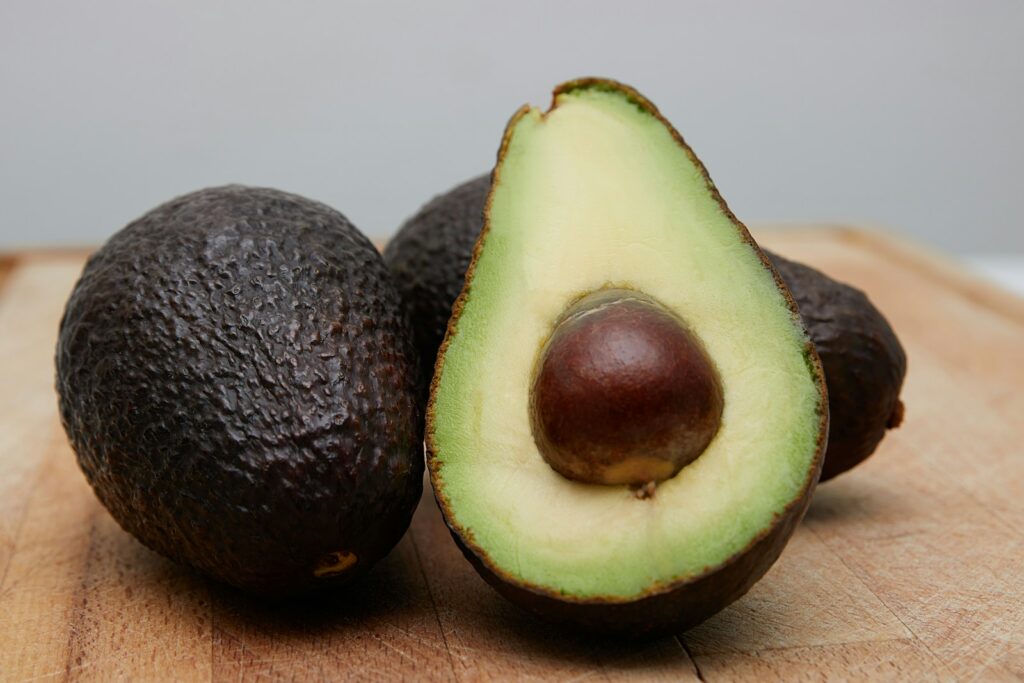
Half an avocado is all you need for lunch, and the other half suddenly becomes tomorrow's little kitchen problem. To keep avocados from browning, lightly coat the exposed flesh with lemon or lime juice, cover the surface closely to limit air, and refrigerate promptly. This slows the color change; it doesn't stop time or guarantee food safety.
A little citrus, a close-fitting cover, and the refrigerator give that leftover avocado a better chance of staying inviting.
Why cut avocado turns brown
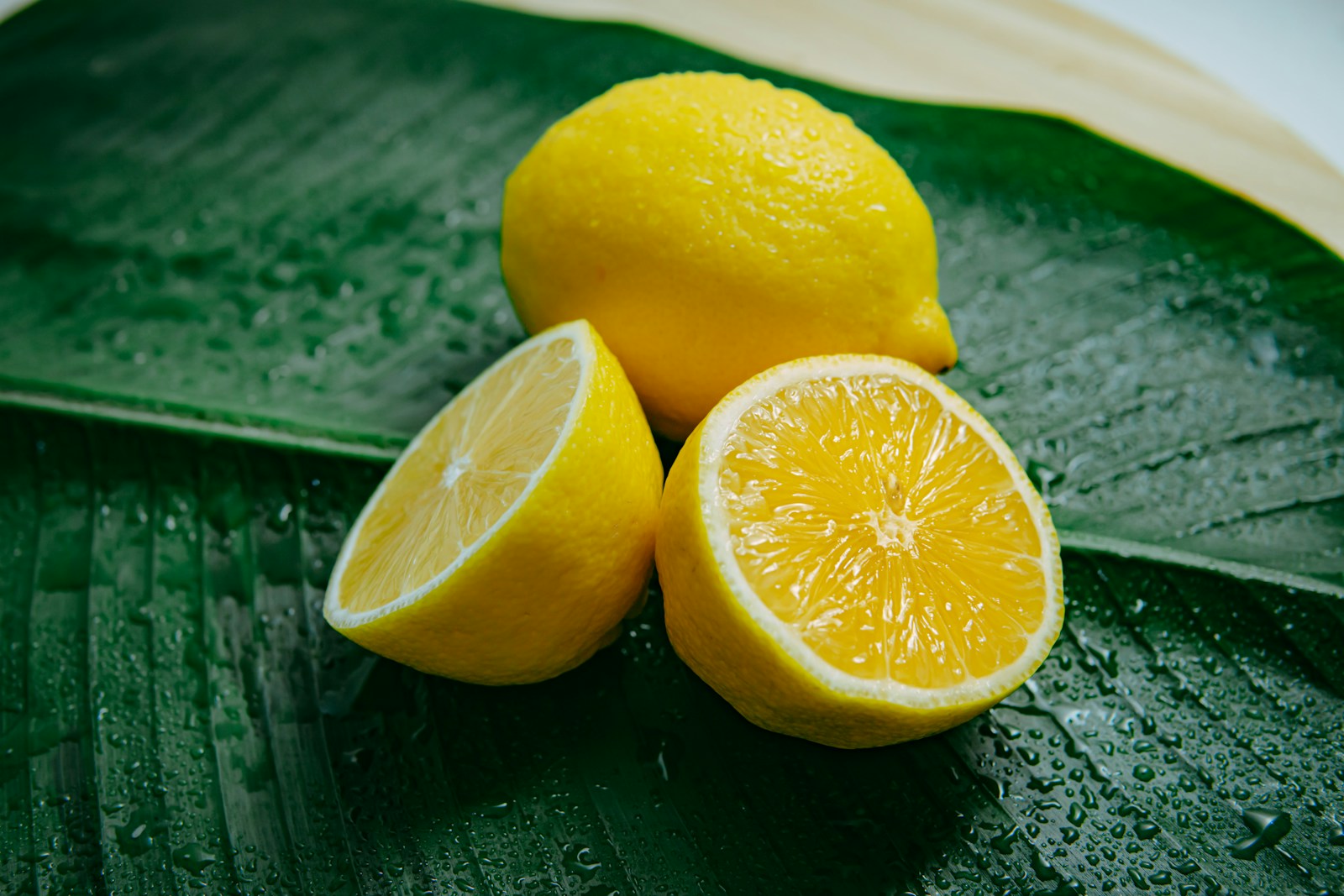
Cutting exposes the flesh to oxygen. That contact allows enzyme-driven reactions that produce brown pigments, much as a cut apple can darken. The California Avocado Commission recommends citrus and a barrier against air to slow the change. Citrus can affect flavor, so use a light coating rather than soaking the fruit in juice.
The pit isn't a special preservative. It covers the small patch underneath it, but it can't protect the exposed flesh around it or a whole bowl of guacamole. I like to separate the useful part of that kitchen story from the magic: covered surfaces brown more slowly because less air reaches them.
Color and safety are separate questions. Slight surface browning can happen to properly refrigerated avocado, while unsafe handling isn't always visible. A green surface doesn't prove a cut fruit was stored safely, and scraping away a brown layer doesn't fix spoiled or poorly handled food.
How to keep avocados from browning in three common situations
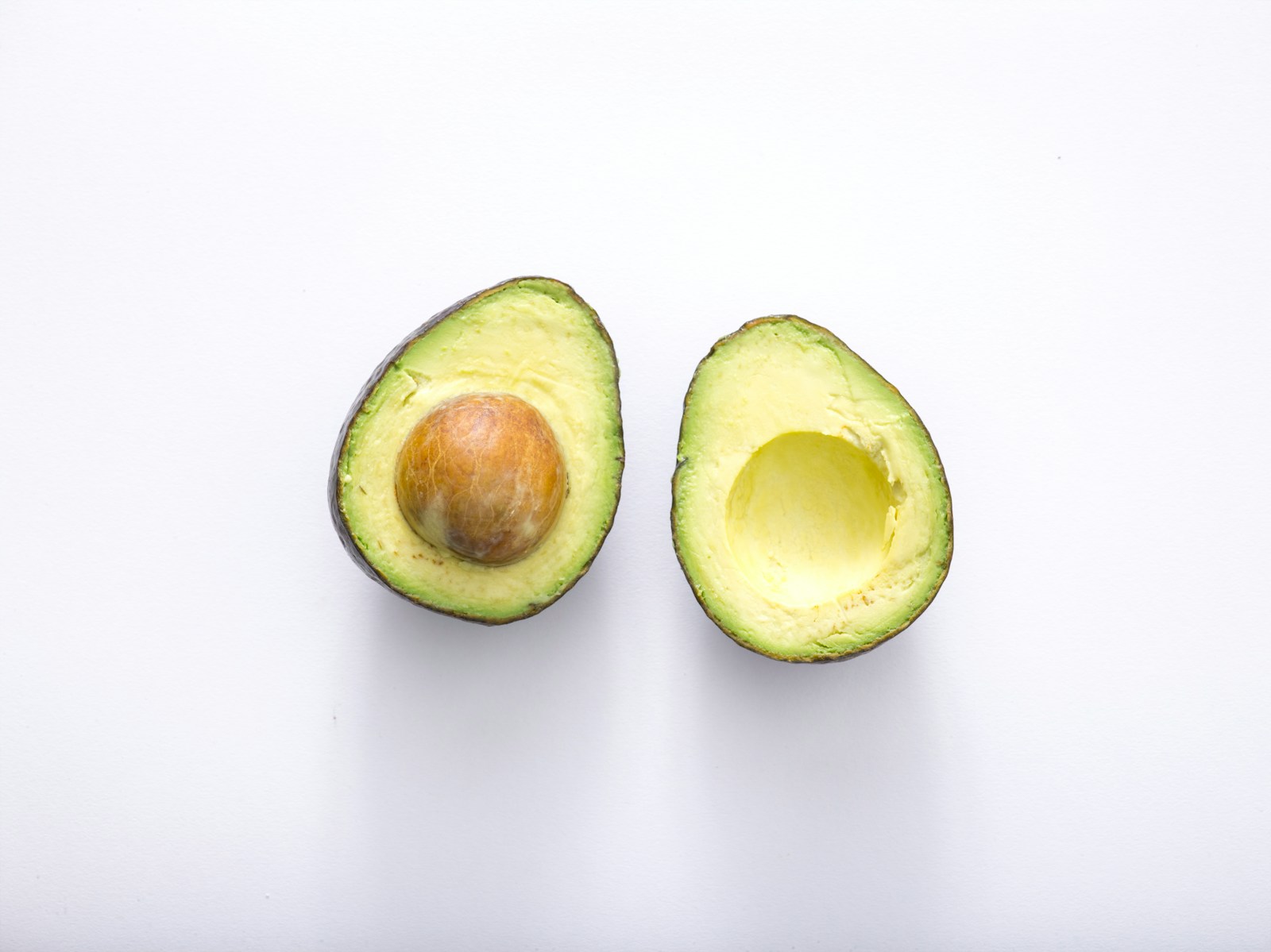
The same basic approach applies whether you're saving half a fruit or a bowl of mashed avocado: reduce exposed air, cover, and chill. A container lid alone may leave a pocket of air directly above the flesh. Close contact at the surface makes the difference, especially for a dip.
| What you're saving | Helpful approach | Practical limit |
|---|---|---|
| Half an avocado | Lightly coat the cut side with citrus, then press food-safe wrap against the flesh | A loose wrap leaves exposed areas; the pit alone won't protect them |
| Slices or cubes | Gently coat with citrus and place in a small covered container with minimal empty space | More cut surfaces mean more opportunities for browning |
| Guacamole | Smooth the surface and press food-safe wrap directly onto it before adding a lid | Keep it refrigerated; citrus and a lid do not make it shelf-stable |
If you prefer not to use citrus because the avocado is going into a sweet dish or a mild sandwich, focus on the close cover and cold storage. Some browning may occur sooner. That's a reasonable flavor trade-off, not evidence that you need another special gadget.
For a packed lunch, keep the avocado or guacamole chilled in an insulated bag with a cold source until eating. A neat container helps prevent a mess, but it doesn't replace temperature control. If you can cut the avocado just before serving, that also limits the time its flesh spends exposed.
Start with safe handling, then aim to use it soon
Wash the whole avocado under running water before cutting, even though you won't eat the peel. The knife can carry material from the outside into the flesh. FDA advises washing produce without soap or detergent, using clean utensils, and keeping it separate from raw meat and its juices.
- Wash your hands and prepare a clean board and knife.
- Rinse the avocado, dry it, and cut it on a stable surface.
- Protect the portion you're saving as soon as practical rather than leaving it out through the rest of meal preparation.
- Store cut avocado in the refrigerator at 40°F (4°C) or below in a covered container.
- Plan to use the saved portion at your next meal or the next day for better appearance; this is a quality goal, not a guaranteed safety deadline.
Discard avocado with mold, an unpleasant odor, or slimy deterioration. Also discard cut produce that has been left unrefrigerated too long; standard perishable-food guidance is two hours, or one hour above 90°F (32°C). Don't taste questionable food to decide whether it's safe.
I find a clear plan more useful than a promise that avocado can look freshly cut for a week. Labeling a lunch container or setting aside the half for tomorrow's toast gives it somewhere to go before the texture and color become disappointing.
Avoid tricks that confuse appearance with preservation
Don't store avocados submerged in water as a freshness hack. Keeping the surface green isn't a reliable safety test, and extended water storage isn't the recommended method here. An avocado that has been cut should be protected and refrigerated, not treated as an experiment in how long it can look unchanged.
- An onion in the container: it can leave an onion aroma and doesn't replace refrigeration or a close cover.
- A coating of oil: it changes the surface and flavor; citrus plus a close food-safe cover is the clearer approach recommended by the avocado commission.
- Leaving the pit in guacamole: only the area it physically covers gains an air barrier.
- Saving already spoiled fruit: chilling or freezing doesn't turn spoiled avocado back into usable food.
Prevent waste before cutting, too: choose a fruit whose ripeness suits when you plan to eat it, and leave extra whole avocados uncut until needed. For the broader principle behind protecting stored food from air, Tastiva's freezer-burn guide explains how packaging affects quality in the freezer.
Sources
- California Avocado Commission: preventing cut avocado from browning
- California Avocado Commission: storing whole and cut avocados
- FDA: selecting and serving produce safely
- FoodSafety.gov: four steps to food safety

Hi, I’m Laura, the voice behind Tastiva. I’ve always believed that eating well should feel enjoyable, comforting, and realistic—not like another complicated rule to follow. I love creating recipes that fit into everyday life, sharing simple nutrition ideas, and finding small ways to make meals feel a little better without losing the pleasure of good food.