
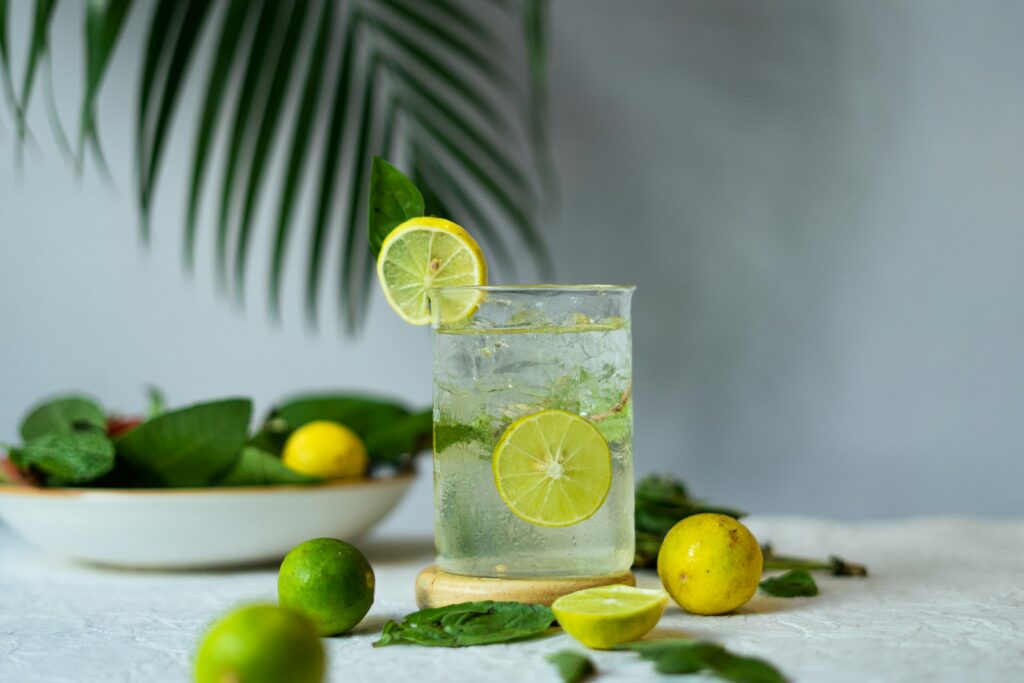
Does Sprite have caffeine? No—regular Sprite sold in the United States is caffeine-free. The same is true of Sprite Zero Sugar, according to Coca-Cola’s current U.S. product information. That makes either one an easy pick when you want a fizzy lemon-lime drink without adding caffeine to your day. Just remember that caffeine-free and sugar-free are not the same thing, and special flavors or products sold in another country deserve a quick label check.
A standard U.S. Sprite or Sprite Zero Sugar has 0 milligrams of caffeine. Check the exact package when trying a limited-edition, fountain, mixed, or imported version.
How Much Caffeine Is in Sprite?
A 12-fluid-ounce can of classic U.S. Sprite contains 0 milligrams of caffeine. Coca-Cola describes the drink as a caffeine-free lemon-lime soda, and its product page prints “NO CAFFEINE” with the ingredient and nutrition information. The ingredient list includes carbonated water, high fructose corn syrup, citric acid, natural flavors, sodium citrate, and sodium benzoate—but no caffeine.
That sets Sprite apart from many colas, though the category is not a perfect shortcut. The FDA says a typical 12-ounce caffeinated soft drink can contain 23 to 83 milligrams of caffeine. Some clear sodas are caffeine-free and some citrus-flavored sodas are not, so color and flavor cannot answer the question reliably. The product name and label can.
For context, Sprite’s zero is genuinely zero caffeine, not the small residual amount sometimes associated with “decaf” coffee. I like that clarity: choosing plain Sprite will not contribute caffeine to your daily total. It can still affect other nutrition goals, however, which is why the rest of the label matters too.
Do Sprite Zero Sugar and Sprite Flavors Have Caffeine?
Sprite Zero Sugar is also caffeine-free in the United States. Its difference from regular Sprite is the sweetener profile, not caffeine: the current formula lists aspartame and acesulfame potassium and provides 0 grams of sugar and 0 calories per 12-ounce can. The package also carries a phenylalanine notice for people with phenylketonuria.
Coca-Cola’s current U.S. page identifies several other Sprite products as caffeine-free, including Sprite Cherry, Sprite Chill Mango Citrus, Sprite + Tea, Sprite + Tea Zero Sugar, Sprite + Tea Peach, and Sprite Mexico. The “tea” name may sound like a caffeine clue, but those specific U.S. listings say “NO CAFFEINE.” Availability and formulas change, though, so treat this as a snapshot—not permission to skip the can.
| Sprite product | Caffeine on current U.S. information | What else to notice |
|---|---|---|
| Classic Sprite | 0 mg | 38 g added sugar per 12 oz |
| Sprite Zero Sugar | 0 mg | No sugar; contains aspartame and ace-K |
| Current flavor extensions | Listed as caffeine-free where stated | Flavor, serving size, and sugar vary |
| Imported or restaurant drink | Check the exact product | Formula or mixed ingredients may differ |
Caffeine-Free Does Not Mean Sugar-Free

The familiar green can removes caffeine from the equation, but regular Sprite is still a sugar-sweetened soda. A 12-ounce can on Coca-Cola’s U.S. page has 140 calories and 38 grams of added sugar. A larger bottle contains more, so compare the serving size with how much you actually plan to drink.
Sprite Zero Sugar has no sugar or calories, but “zero sugar” does not automatically mean it suits every person or preference. Its sweeteners and phenylalanine statement are clearly listed on the package. If I’m comparing the two cans, I treat it as two separate decisions: first caffeine, then sugar and ingredients.
Water, sparkling water, or an unsweetened drink may fit better when hydration is the main goal. Sprite can still be enjoyed as a caffeine-free soda; it simply should not be mistaken for water or treated as nutritionally identical to every other caffeine-free option.
How to Check the Exact Sprite You’re Drinking
The FDA says that, for most adults, 400 milligrams of caffeine per day is an amount not generally associated with negative effects—but sensitivity varies widely. Certain health conditions and medications can change that picture. People who are pregnant, trying to become pregnant, or breastfeeding should ask a health care professional whether they need a lower limit. Plain U.S. Sprite adds no caffeine to that total, yet checking matters when the drink is unfamiliar.
My shortcut is this quick routine before you sip:
- Read the product name. Confirm that it is Sprite, not a citrus soda, energy drink, or custom mix with a similar color.
- Look near the Nutrition Facts and ingredients. Coca-Cola says it places caffeine information in multiple spots, including near the Nutrition Facts panel. “No caffeine” is the clearest confirmation.
- Check serving size and sugar separately. A caffeine-free claim says nothing about grams of added sugar or calories.
- Be extra careful with fountain blends and mocktails. Ask what was added; tea, coffee, cola, or an energy-drink mixer can change the answer.
- Recheck imports and limited releases. Recipes and labeling rules can differ by market, and products can be reformulated.
If avoiding caffeine is important because of sleep, sensitivity, medication, pregnancy, or a child’s needs, the package in your hand is the final authority. When the label is missing or unclear, choose a sealed product with a clear caffeine statement or contact the manufacturer.
Sources
- Sprite varieties, nutrition facts, and ingredients, Coca-Cola U.S.
- Ingredients and caffeine FAQs, The Coca-Cola Company
- Spilling the Beans: How Much Caffeine Is Too Much?, U.S. Food and Drug Administration

Hi, I’m Laura, the voice behind Tastiva. I’ve always believed that eating well should feel enjoyable, comforting, and realistic—not like another complicated rule to follow. I love creating recipes that fit into everyday life, sharing simple nutrition ideas, and finding small ways to make meals feel a little better without losing the pleasure of good food.