
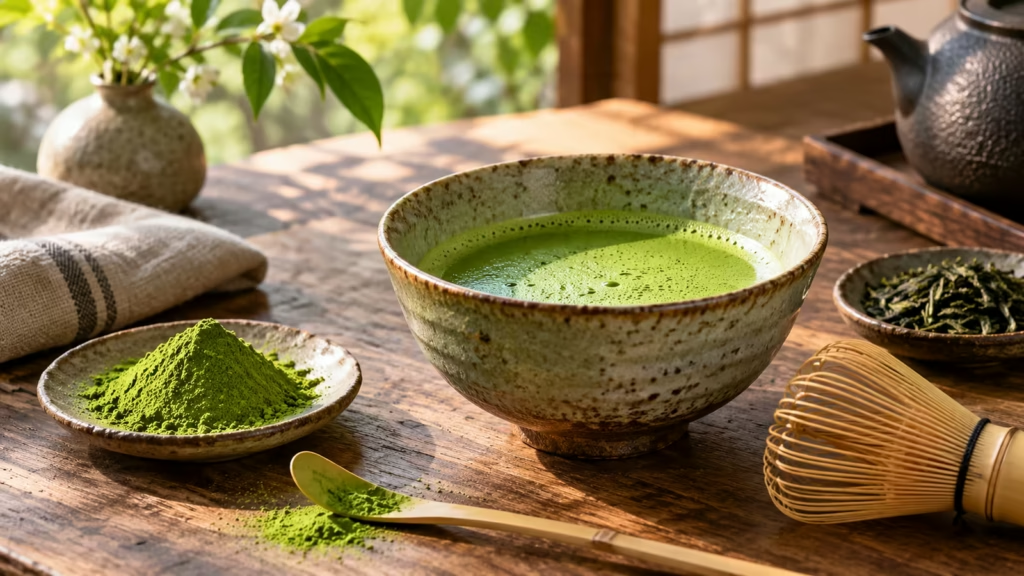
Matcha is finely ground green tea, so you consume the suspended leaf rather than only an infusion. It provides caffeine and plant compounds called catechins. Research supports a modest alertness benefit from tea’s caffeine, while claims that matcha “detoxes” the body, melts fat, prevents cancer, or cures disease go beyond the evidence. Benefits depend on the serving, the product, and the rest of your diet.
Matcha can be a flavorful source of caffeine and tea polyphenols, but it is not a substitute for sleep, treatment, or a balanced diet.
What matcha is
To make matcha, producers shade tea plants before harvest, then process selected leaves into tencha and grind them into a fine green powder. Because the powder is whisked into water and consumed, matcha differs from ordinary green tea bags, where most of the leaf is removed after steeping.
The flavor is vegetal, slightly bitter, and savory. Color and taste vary with cultivar, harvest, storage, and preparation. “Ceremonial” and “culinary” are common marketing terms rather than uniform U.S. grading standards, so price alone does not guarantee freshness or purity. A bright color, clean aroma, recent packing date, and reputable seller are more useful clues.
Matcha contains catechins, including epigallocatechin gallate (EGCG), as well as caffeine and the amino acid L-theanine. Amounts vary substantially. That variation is one reason a single universal nutrition or caffeine number for every teaspoon of matcha can be misleading.
Caffeine, L-theanine, and alertness
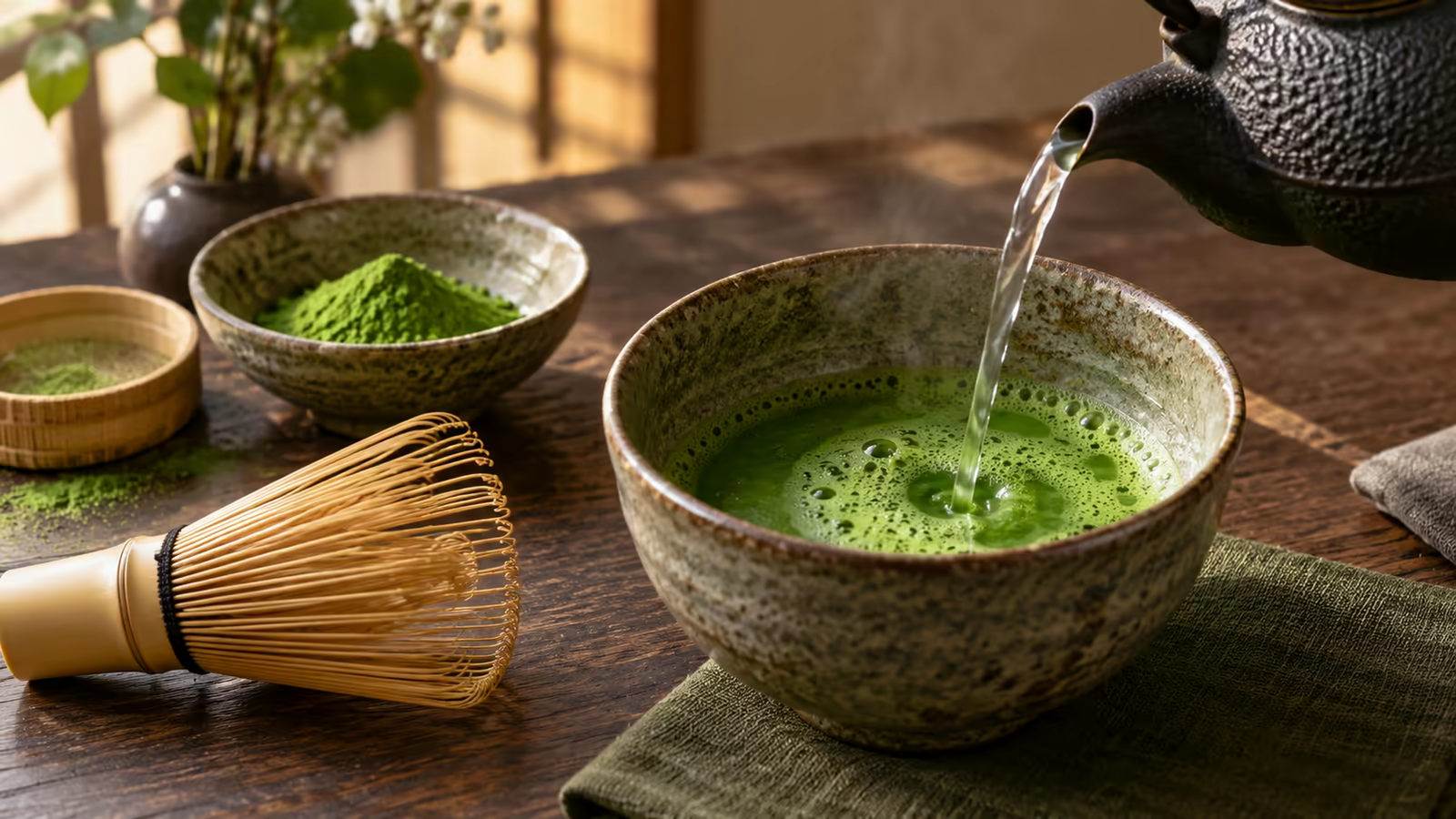
Caffeine can increase wakefulness and attention, and tea also supplies L-theanine. Some studies examine whether that combination affects aspects of attention or calmness, but the size and consistency of the effect depend on dose and study design. Matcha may feel smoother to some people, yet it can still cause jitters, a fast heartbeat, anxiety, stomach upset, or sleep disruption.
Caffeine content differs with the amount of powder, growing conditions, and preparation. Product estimates often fall around 30 to 70 milligrams per serving, but the label or maker’s laboratory information is a better guide for a particular product. The FDA cites 400 milligrams per day as an amount not generally associated with negative effects for most adults, while individual sensitivity varies widely.
Count caffeine from coffee, tea, energy drinks, chocolate, medications, and supplements together. Pregnant or breastfeeding people, children, people with certain heart or anxiety conditions, and anyone taking interacting medicines should follow personalized medical guidance. If matcha affects sleep, reduce the amount or move it earlier in the day; swapping it for another caffeinated drink does not eliminate caffeine.
Antioxidants and possible health effects
Tea catechins have antioxidant activity in laboratory tests, but “antioxidant” is not a clinical outcome by itself. Human research on green tea has explored heart disease, cancer, blood sugar, and other outcomes, yet results are mixed or inconclusive for many claims. Matcha-specific trials are fewer than studies of green tea overall, so conclusions about matcha should remain cautious.
NCCIH reports that green tea has not been shown effective for weight loss and that evidence for cancer prevention is inconclusive. Drinking ordinary tea as a food is different from taking concentrated green tea extract supplements. Extracts can deliver much higher doses and have been linked to uncommon liver injury, particularly when taken on an empty stomach.
A matcha latte can be enjoyable, but a large serving with sweetened syrups may contain considerable added sugar. Matcha does not cancel that out. The most reliable health value comes from using it as one optional beverage within an eating pattern that includes vegetables, fruit, whole grains, protein foods, and adequate water—similar to the practical perspective used in this guide to lemon water benefits.
How to choose and prepare matcha
Buy from a seller that identifies the tea’s origin, packing date, and storage advice and, ideally, provides contaminant testing. Tea plants can take up elements from soil, so quality control matters. Keep matcha tightly sealed away from light, heat, air, and moisture; refrigeration may help after opening if the package recommends it, but let a cold sealed tin reach room temperature before opening to limit condensation.
For a simple cup, sift 1/2 to 1 teaspoon of matcha into a bowl, add about 2 to 3 ounces of hot—not vigorously boiling—water, and whisk until evenly suspended and foamy. Add more water to taste. Start with less powder if you are sensitive to caffeine. Matcha naturally settles because it is a suspension, so a quick stir is normal.
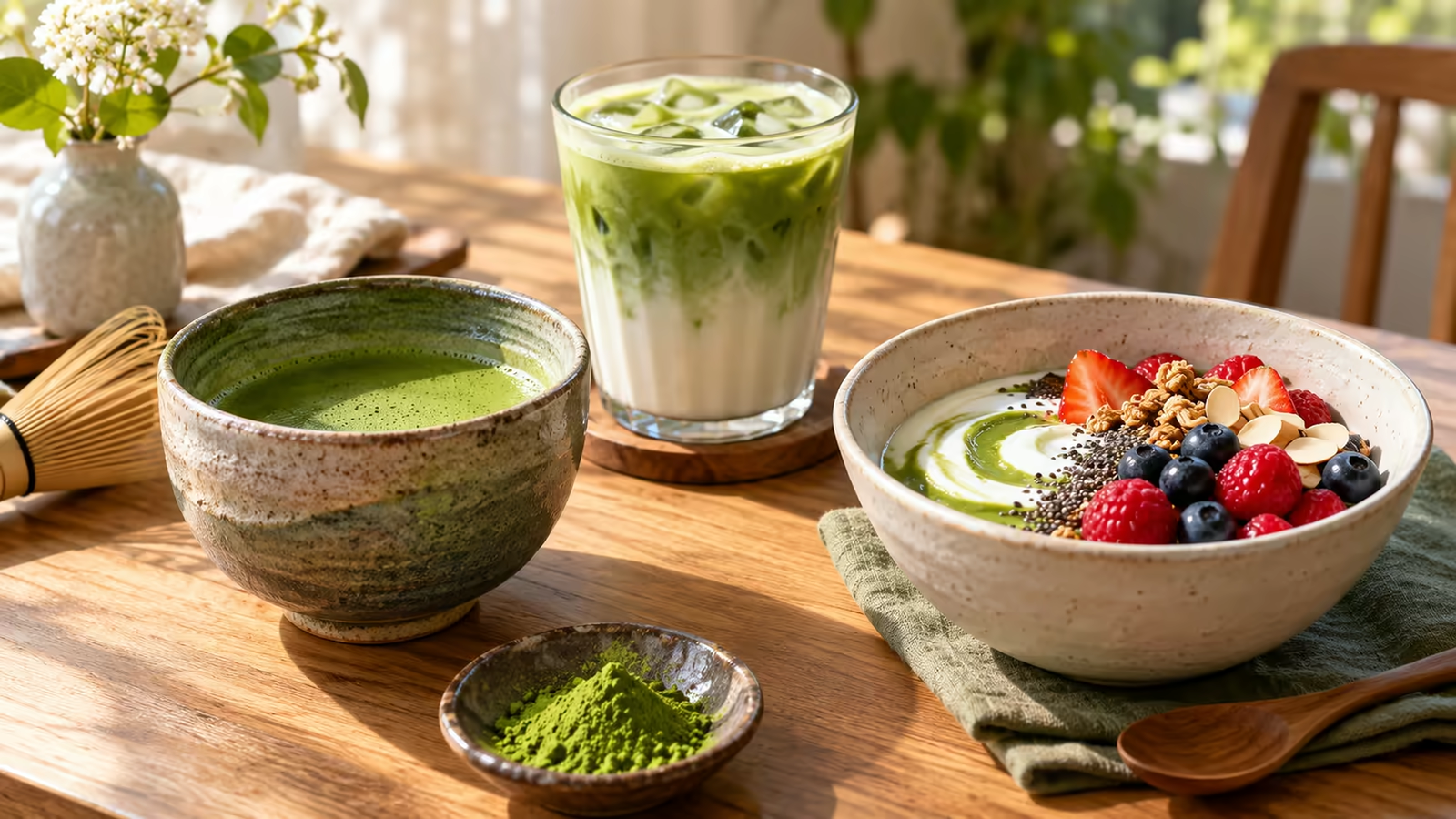
- Whisk into unsweetened milk or a fortified plant milk for a latte.
- Stir a small amount into oatmeal, yogurt, chia pudding, or a smoothie.
- Measure sweetener instead of pouring by eye.
- Do not inhale the fine powder; handle it gently while sifting.
- For another caffeine comparison, see does root beer have caffeine?
Sources
- National Center for Complementary and Integrative Health: Tea
- U.S. Food and Drug Administration: How Much Caffeine Is Too Much?
- USDA FoodData Central

Hi, I’m Laura, the voice behind Tastiva. I’ve always believed that eating well should feel enjoyable, comforting, and realistic—not like another complicated rule to follow. I love creating recipes that fit into everyday life, sharing simple nutrition ideas, and finding small ways to make meals feel a little better without losing the pleasure of good food.