
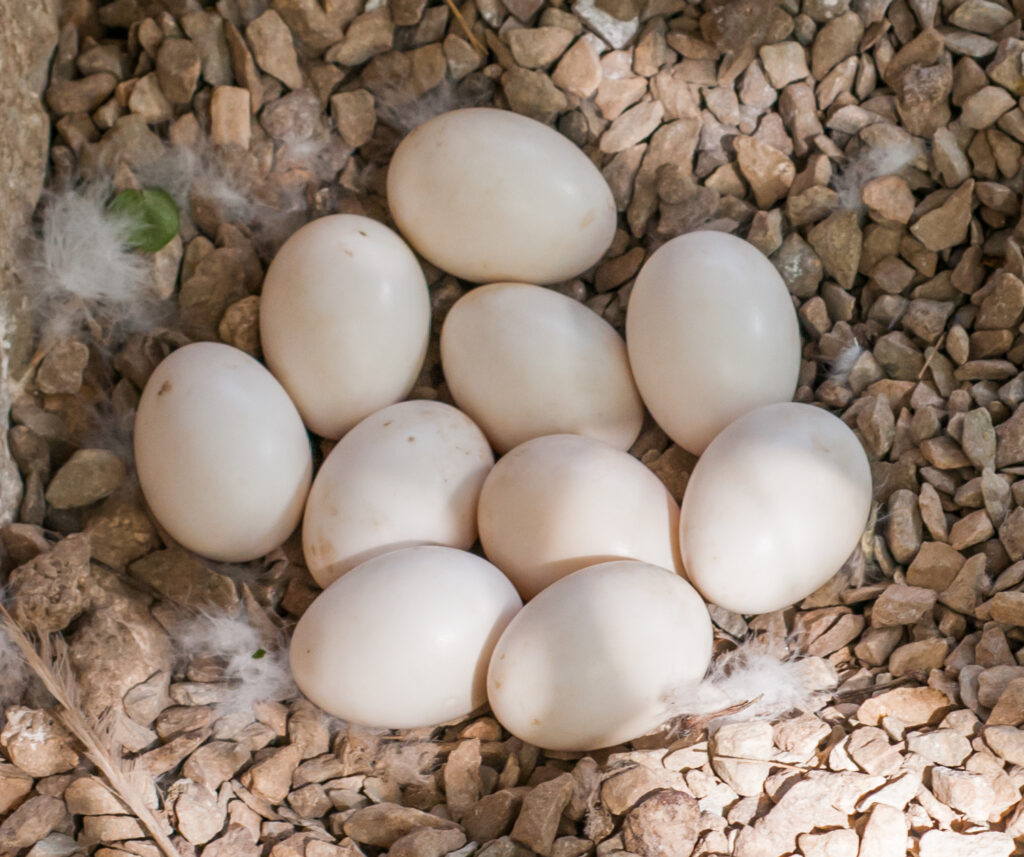
Duck eggs can be used in many of the same kinds of dishes as chicken eggs, but they are often larger and aren't always a one-for-one baking substitute. Their size also changes the nutrition comparison. If you're bringing home a carton for the first time, a kitchen scale and careful cooking will tell you more than promises that one kind of egg is automatically better.
With duck eggs, “one egg” isn't always the most useful measurement. Weighing the edible portion makes a baking swap—and a nutrition comparison—much clearer.
How duck eggs compare with chicken eggs
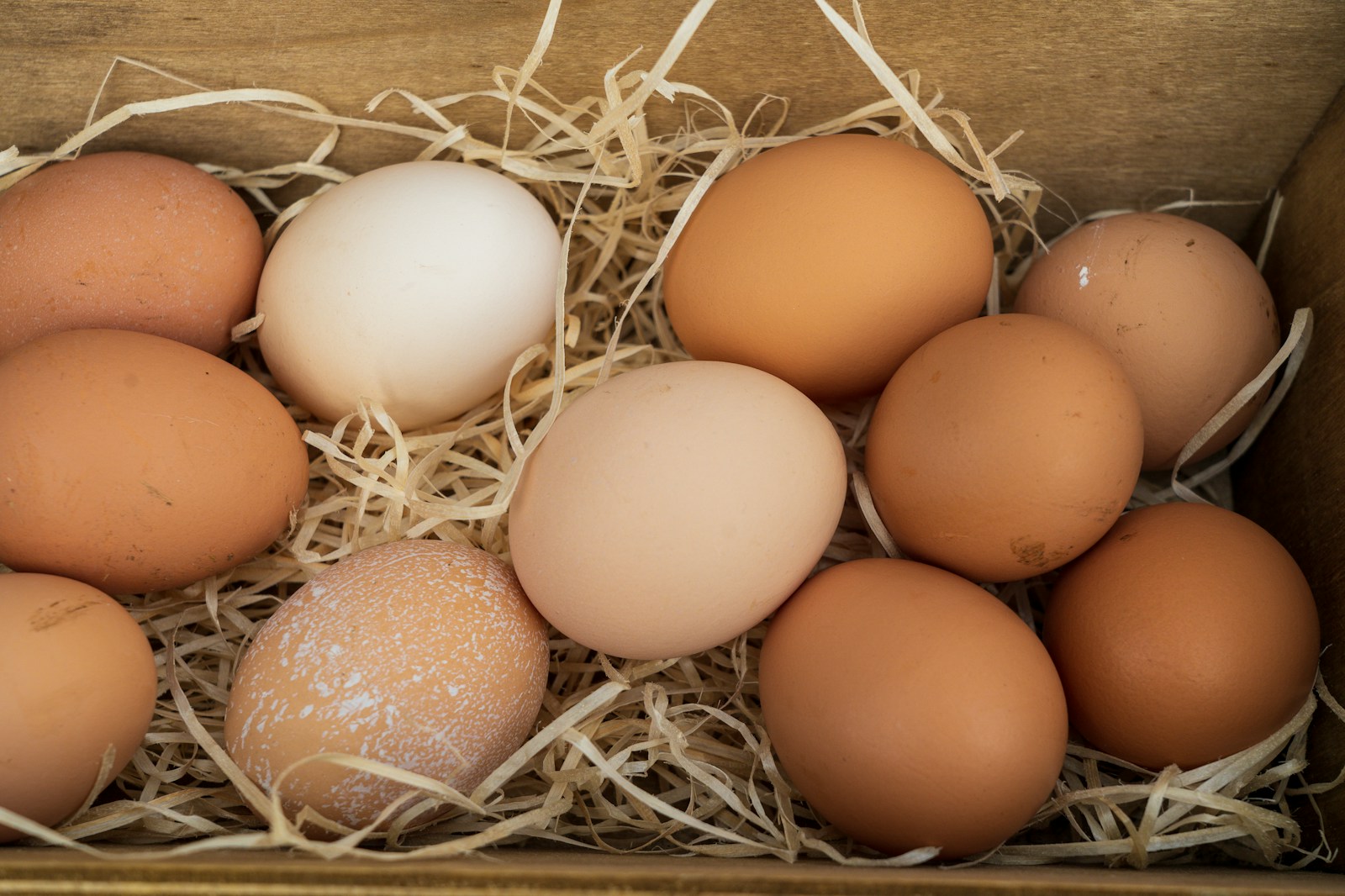
USDA FoodData Central uses 70 grams of edible contents for its reference duck egg and 50 grams for a large chicken egg. Actual eggs vary, so these are comparison portions rather than guaranteed weights for your carton. Duck eggs in those records contain more fat per equal weight, which helps explain their richer composition. Their protein content is much closer when you compare the same number of grams.
The table uses USDA's raw, whole egg records, with the shell excluded. Values are rounded; cooking fats and other ingredients are not included.
| Nutrient | Duck egg, 70 g | Large chicken egg, 50 g | Duck egg, per 100 g | Chicken egg, per 100 g |
|---|---|---|---|---|
| Calories | 130 | 72 | 185 | 143 |
| Protein | 9.0 g | 6.3 g | 12.8 g | 12.6 g |
| Total fat | 9.6 g | 4.8 g | 13.8 g | 9.5 g |
| Cholesterol | 619 mg | 186 mg | 884 mg | 372 mg |
These figures come from the USDA records for raw whole duck egg and raw whole chicken egg. More protein per duck egg largely reflects a larger serving, not a dramatic protein advantage per bite. If you have a clinician's guidance about dietary cholesterol, consider that substantial difference too. Our egg protein guide gives more context for ordinary chicken-egg portions.
How to approach a baking substitution
For a recipe using whole eggs, matching the edible weight is a sensible starting point. It controls the amount you add, but it does not make the two ingredients chemically identical. A recipe written and tested for duck eggs is still the clearest option, especially for a delicate cake, custard, or bake where the egg plays a large structural role.
If a recipe uses large chicken eggs and allows flexibility, this is a practical way to measure:
- Work out the intended egg weight. Using the USDA large-egg reference, two chicken eggs represent about 100 grams without shells.
- Crack duck eggs into a separate clean bowl, checking for stray shell pieces.
- Whisk the yolks and whites together so a weighed portion contains both.
- Zero a clean bowl on a scale, then weigh the amount needed for the recipe.
- Cook any surplus promptly as a separate, fully cooked egg dish rather than guessing it belongs in the batter.
This is a weight-based adaptation, not a claim that I tested your particular recipe. Recipes that separate yolks and whites need more care because matching total whole-egg weight does not preserve their individual proportions. For those, follow duck-egg-specific instructions. Keep a note of the weight you used and how the bake turned out so a successful change can be repeated accurately.
Cook duck eggs thoroughly
Duck eggs deserve careful handling. The Food Safety Authority of Ireland links undercooked duck eggs with past salmonellosis outbreaks. Choose preparations in which the egg cooks thoroughly. A loose, runny yolk may look appealing in a photograph, but it is not the cooking target for this guide. Fresh-looking shells also do not establish that an egg is free from bacteria.
The FDA's egg safety advice is to cook eggs until both white and yolk are firm and egg-containing casseroles to 160°F/71°C. Use a food thermometer for a baked egg dish. Time alone isn't enough because egg size, starting temperature, and the cooking method vary. Scrambled eggs should be set rather than runny, and raw batter should stay out of the tasting spoon.
For an easy first use, choose a fully cooked scramble with vegetables, a hard-cooked egg served with toast, or a properly cooked baked egg dish. Keep the other ingredients familiar so you can notice the egg's texture. If a recipe is meant to remain raw or lightly cooked, don't improvise with untreated duck eggs; select an appropriate pasteurized egg product and a recipe designed for that use instead.
Buying, storing, and allergy considerations
Buy clean, uncracked eggs from a reputable seller and follow the carton instructions. For U.S. home handling, refrigerate promptly at 40°F/4°C or below, keeping eggs in their carton. Wash hands and clean utensils and work surfaces after contact with raw egg. FDA also advises refrigerating cooked egg leftovers promptly and using them within 3–4 days. If you're unsure about freshness, our guide to checking eggs explains the limits of familiar home checks.
Duck eggs are not a safe workaround for a chicken-egg allergy. Anaphylaxis UK advises people allergic to hens' eggs to avoid eggs from ducks and other birds because they may react to those too. Follow your allergy specialist's plan rather than trying a small taste at home. Cooking an egg thoroughly addresses foodborne-illness risk; it does not establish that the egg is safe for someone with an allergy.
When choosing a carton, think about the meals you want to make and the quantity you'll use. I would start with a small purchase and one straightforward dish, then explore a baking recipe specifically designed for duck eggs. Their differences can be interesting and useful. They just work best when size, recipe balance, and safe handling remain part of the conversation.
Sources
- USDA FoodData Central: Raw Whole Duck Egg, SR Legacy Record 172189
- USDA FoodData Central: Raw Whole Chicken Egg, SR Legacy Record 171287
- FDA: What You Need to Know About Egg Safety
- Food Safety Authority of Ireland: Advice on Duck Eggs
- Anaphylaxis UK: Egg Allergy

Hi, I’m Laura, the voice behind Tastiva. I’ve always believed that eating well should feel enjoyable, comforting, and realistic—not like another complicated rule to follow. I love creating recipes that fit into everyday life, sharing simple nutrition ideas, and finding small ways to make meals feel a little better without losing the pleasure of good food.