
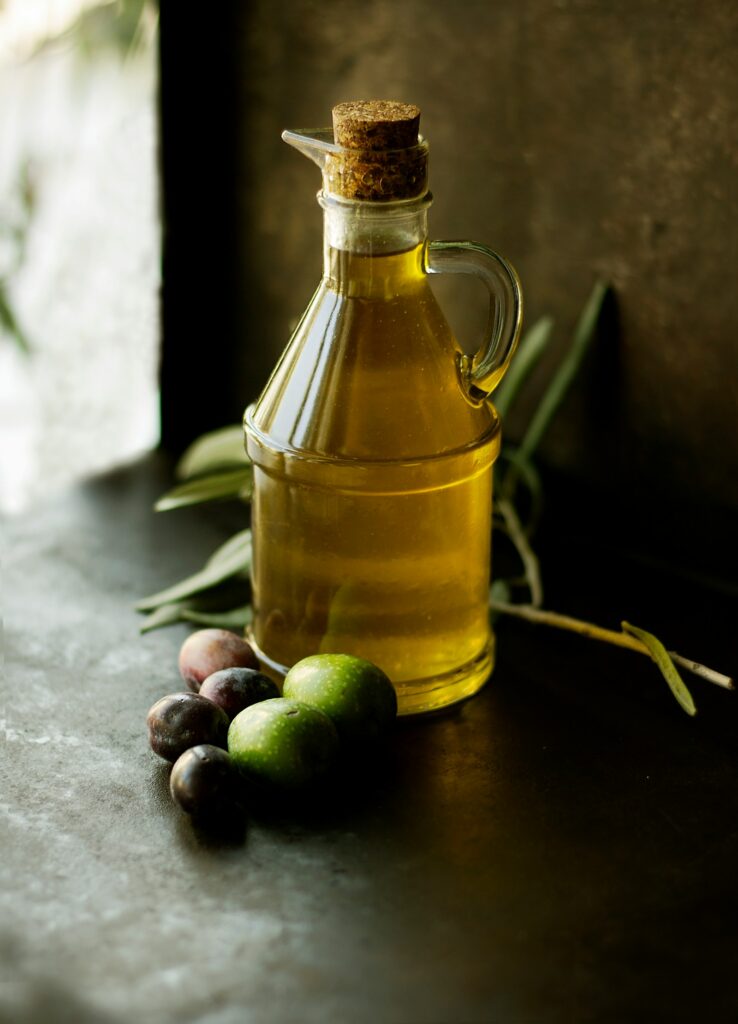
A high smoke point oil is useful when a recipe calls for a hot pan, but the biggest temperature on a bottle doesn't automatically make it the best choice. Canola, refined avocado oil, and oils specifically sold for high-heat cooking are practical options. Match the product to the recipe, the flavor you want, and the way you actually control the heat.
A smoke point is a limit to keep in mind, not a temperature to aim for. Your dinner shouldn't need a cloud of smoke to tell you the pan is ready.
What the smoke point tells you
The smoke point is the temperature at which an oil begins producing visible smoke under the conditions being measured. It gives you useful information about heating, but it isn't a complete score for freshness, nutritional value, or performance. UC Davis highlights food scientist Selina Wang's explanation that smoke point alone is not the most useful way to choose a cooking oil.
Read numbers as guidance about a particular product or category, not a guarantee about the pan in front of you. For example, Chosen Foods lists up to 500°F/260°C for its refined avocado oil. The Canola Council of Canada lists 468°F/242°C for regular canola oil. Those figures do not mean you should deliberately heat either oil until it smokes, or assume every bottle with the same plant name behaves identically.
The practical question is simpler: does the producer describe this oil as suitable for the cooking method you're using? That is especially helpful when a label distinguishes refined from unrefined oil, or a cooking oil from a finishing product. Keep the bottle's directions with the recipe's directions. A chart copied without those details can give a false sense of precision.
Choose according to the meal you're making
I would start with the meal, not an oil ranking. A neutral flavor is helpful when you want the taste of the food to lead. A distinctive olive flavor can be welcome in another dish. You may also prefer one reasonably sized bottle you will finish over several specialty oils bought for cooking methods you rarely use.
| Cooking situation | An option to consider | Check before you pour |
|---|---|---|
| A neutral oil for everyday sautéing or a compatible baked recipe | Canola oil | The recipe's amount and the product's directions |
| A high-heat recipe where you want little added flavor | Refined avocado oil labeled for that use | That it is refined cooking oil; don't transfer another product's temperature claim |
| A product intended for greater heat stability | High-oleic canola or another clearly identified high-oleic cooking oil | The exact oil and the manufacturer's intended use |
| A dish where olive flavor is part of the result | An appropriate olive oil | The recipe and the grade of oil, rather than assuming all olive oils are interchangeable |
The Canola Council describes canola's mild flavor and high-heat uses, including its high-oleic version. Chosen Foods likewise identifies its refined avocado oil as neutral. For olive oil, our guide to olive oil versus extra-virgin olive oil explains the category difference. These are choices to understand, not a rule that the most expensive bottle must go into every hot pan.
Use the heat your recipe needs

Begin with a sound pan and follow the recipe's heating sequence. If it calls for moderate heat, buying an oil with a higher smoke point doesn't turn that instruction into high heat. Have chopped ingredients and utensils ready before the pan gets hot. That keeps the oil from sitting unattended while you look for the next ingredient, and makes the cooking step calmer.
The American Heart Association advises against using oil that has started smoking. Turn off the heat and let the pan cool safely before dealing with the oil. Don't add water to hot oil or try to solve persistent smoke by pouring food into it. A little patience is more useful than hoping a smoke-point number means everything in the pan must still be fine.
For better control, keep these decisions separate:
- Oil choice: choose a product intended for the cooking method.
- Heat setting: use the setting the recipe needs and adjust to what is happening in the pan.
- Amount: measure a defined quantity when the recipe provides one; a high smoke point doesn't change how much oil a dish needs.
- Flavor: taste the finished dish before adding a strongly flavored finishing oil.
- Equipment: follow your pan manufacturer's limits as well as the food instructions.
Freshness and the rest of the meal matter too
Store oil tightly closed in a cool, dark place, and buy a smaller container if you use it slowly. If it smells rancid or otherwise wrong, discard it. These are among the American Heart Association's practical oil-handling recommendations. A high smoke point printed on an old bottle doesn't restore its quality. Marking the opening date can make it easier to notice a bottle that has lingered unused.
For general heart-health guidance, the association favors liquid nontropical plant oils over fats higher in saturated fat, such as butter, lard, and coconut oil. That is a separate consideration from smoke point. Likewise, an oil's ability to tolerate a cooking temperature doesn't make a particular meal automatically balanced. Look at what you're cooking and serving alongside it, rather than asking one ingredient to carry the whole nutritional story.
For a manageable pantry, choose an everyday cooking oil you like and understand, then add a second bottle only if it serves a clear purpose. Perhaps that purpose is a distinctive flavor for a salad or a product specified by a favorite recipe. You don't need a laboratory-style chart taped to the cupboard. You need a suitable oil, a usable bottle, and attention to the pan.
Sources
- American Heart Association: Healthy Cooking Oils
- UC Davis: Selina Wang on Choosing Cooking Oils
- Canola Council of Canada: Canola Oil
- Chosen Foods: Refined Avocado Oil Product Specifications

Hi, I’m Laura, the voice behind Tastiva. I’ve always believed that eating well should feel enjoyable, comforting, and realistic—not like another complicated rule to follow. I love creating recipes that fit into everyday life, sharing simple nutrition ideas, and finding small ways to make meals feel a little better without losing the pleasure of good food.