
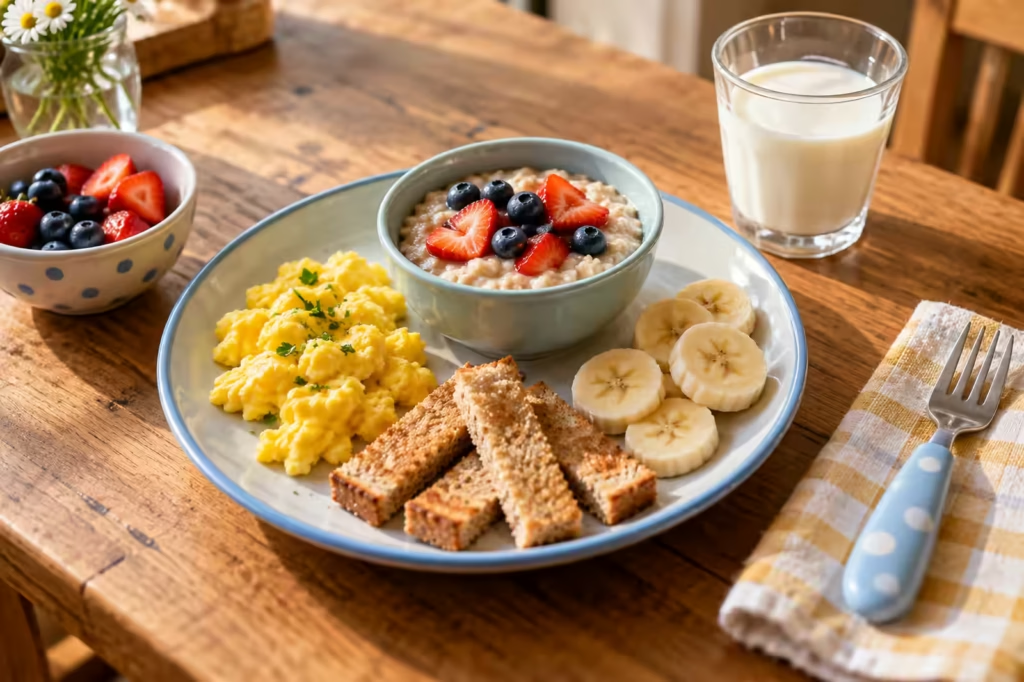
A child’s breakfast does not need to look like a perfect little café plate. Some mornings there are eggs and fruit; other mornings there is toast in the car and a banana tucked into a backpack. I care more about creating a dependable rhythm than performing breakfast. A few familiar foods, offered without pressure, can make the morning feel steadier for everyone.
A good kids’ breakfast is one your family can repeat: familiar enough to eat, flexible enough for real mornings, and nourishing without needing to be perfect.
Use one simple breakfast formula
When I need a quick plan, I combine three parts: an energy food, a protein or satisfying fat, and fruit or vegetables when available. That might be oatmeal plus yogurt plus berries, or toast plus an egg plus orange slices. Milk or a fortified unsweetened alternative can round out the meal, but every breakfast does not need every food group.
- Energy: oats, whole-grain or gluten-free toast, cereal, tortilla, waffles, potatoes, or fruit.
- Protein or satisfying fat: eggs, yogurt, cheese, beans, nut or seed butter, tofu, or fish.
- Produce: berries, banana, apples, peaches, avocado, tomatoes, or leftover vegetables.
Appetites change with age, growth, sleep, and the day ahead. Start with a small, manageable amount and offer more if the child is still hungry. I would rather serve a second helping than make a large plate feel like an assignment.
15 easy breakfast ideas for kids
- Banana oatmeal: stir sliced banana and cinnamon into warm oats; add yogurt or seed butter.
- Egg and avocado toast: top toast with mashed avocado and a chopped or sliced egg.
- Yogurt bowl: layer plain or lightly sweetened yogurt with berries and low-sugar cereal.
- Peanut or seed butter toast: spread thinly and add banana slices; use a safe alternative for allergies.
- Breakfast quesadilla: fold scrambled egg and cheese into a tortilla and toast until warm.
- Overnight oats: refrigerate oats with milk, yogurt, chia, and fruit in an age-appropriate container.
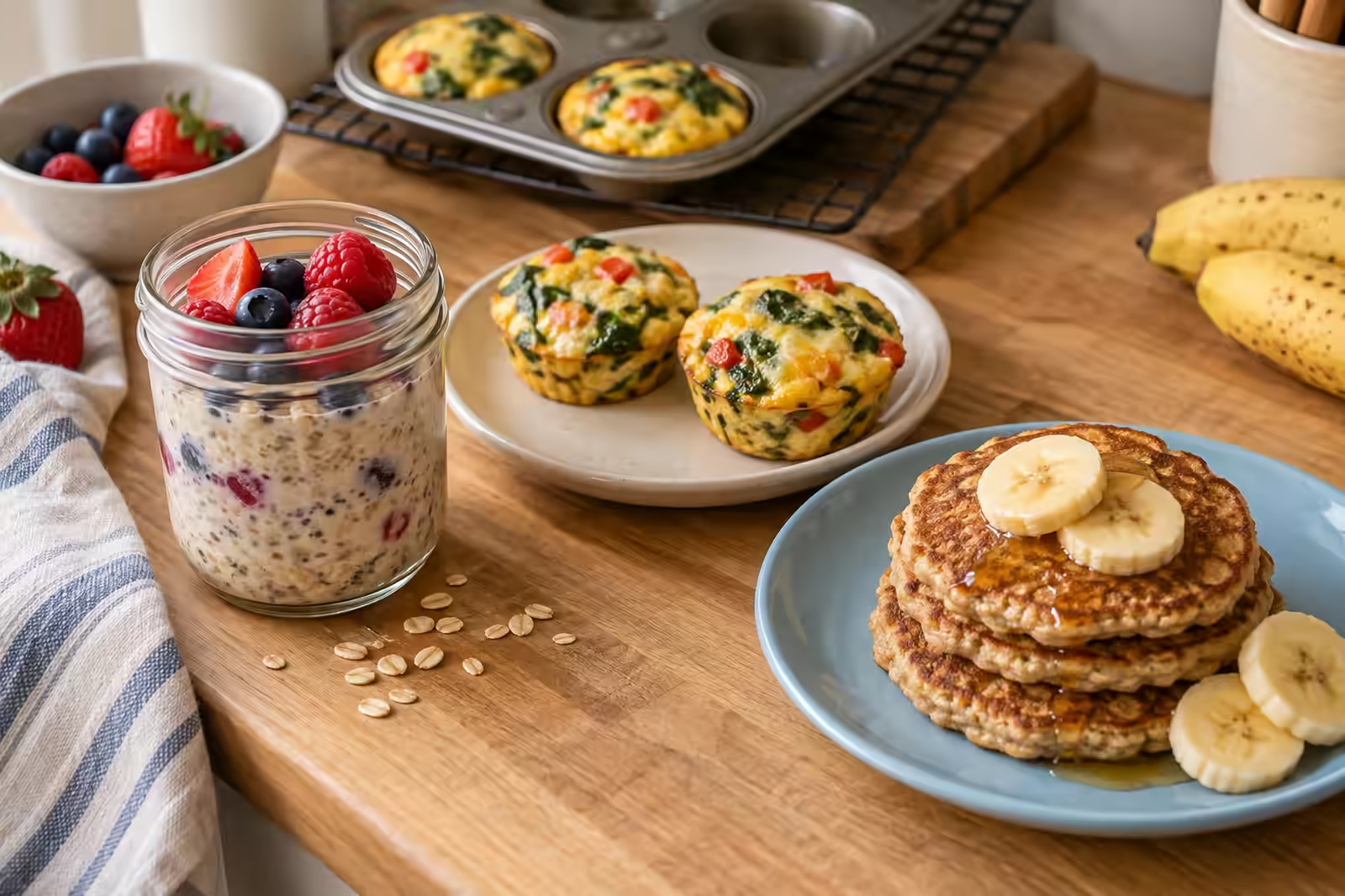
- Mini egg muffins: bake eggs with finely chopped vegetables and cheese, then reheat.
- Cottage cheese and fruit: serve with soft fruit and toast fingers.
- Warm bean-and-cheese tortilla: mash beans, add cheese, fold, and heat through.
- Freezer waffle sandwich: pair two toasted waffles with a thin layer of nut or seed butter and fruit.
- Smoothie plus toast: blend milk or yogurt with fruit, then add toast so breakfast is not only a drink.
- Apple-cinnamon toast: add thin soft apple slices or unsweetened applesauce and cinnamon.
- Leftover rice bowl: warm rice with milk and cinnamon, then add fruit and egg or yogurt on the side.
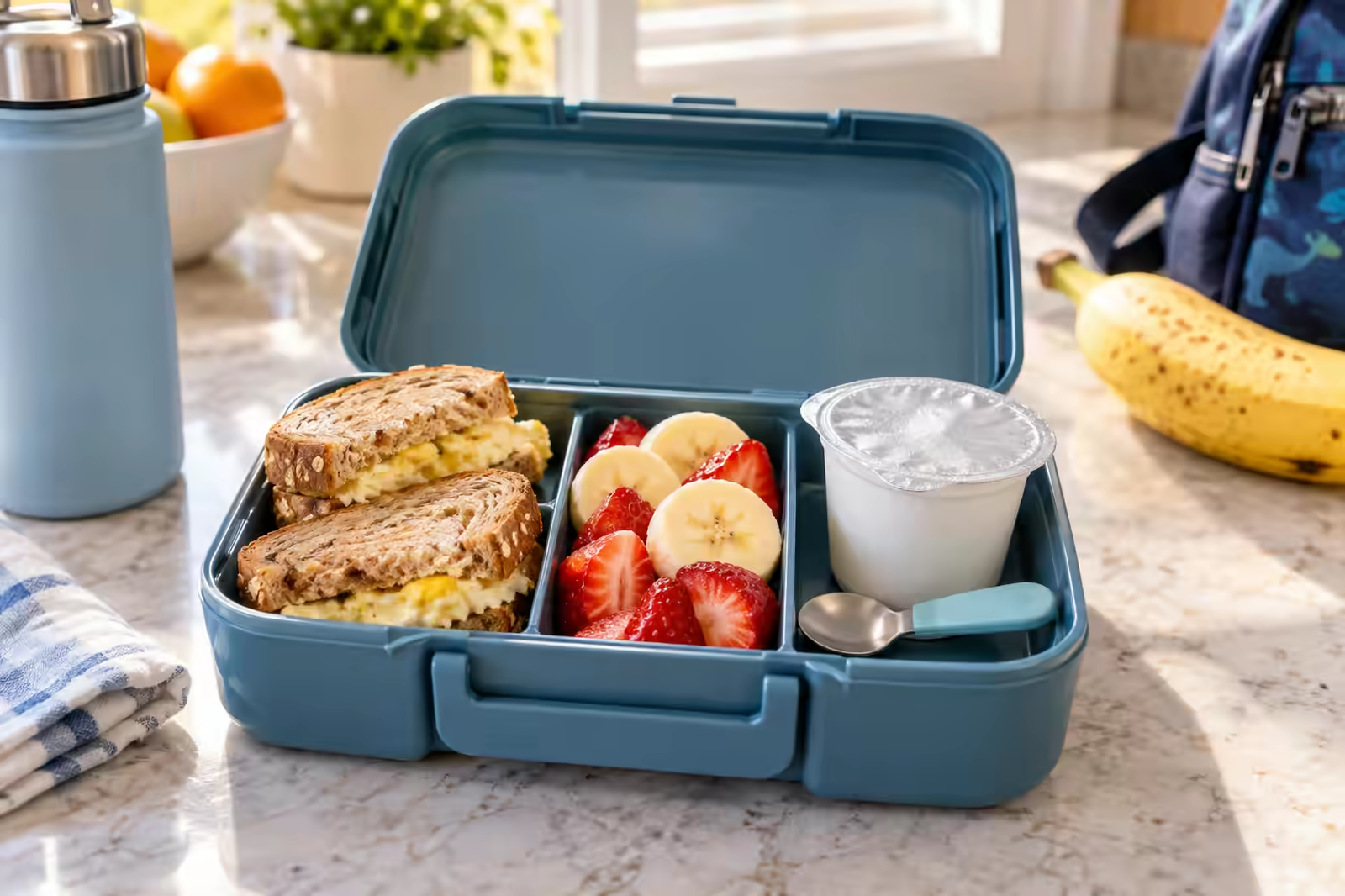
- Breakfast snack box: pack cheese, soft fruit, toast pieces, and a peeled hard-boiled egg.
- Last night’s dinner: soup, rice and beans, or a small sandwich can be breakfast too.
These are templates, not rules. Swap dairy for a fortified alternative, use certified gluten-free grains when needed, and repeat favorites freely. Eggs are especially practical; our guide to protein in an egg explains what they contribute without turning breakfast into a numbers game.
Make the easy choice ready first
A ten-minute reset can save the next morning. Wash fruit, portion dry cereal, move frozen waffles to the front, or set bowls and spoons on the counter. On weekends, freeze pancakes or egg muffins in single-meal portions. I also keep one no-cook backup—usually yogurt, fruit, and toast—so a late start does not become a crisis.
- Night before: make overnight oats, thaw fruit, or assemble a yogurt cup without crunchy toppings.
- Freezer: keep pancakes, waffles, muffins, or cooked breakfast sandwiches in labeled portions.
- Fridge: store washed fruit, cooked eggs, and ready-to-reheat components safely and use them promptly.
- Morning: reheat until properly hot, add fresh produce, and let the child choose between two realistic options.
Choice works best when it is small. “Oatmeal or toast?” is easier than “What do you want?” Let children help with safe jobs such as pouring oats, washing berries, or choosing a plate. Participation can build familiarity even when they do not eat every component that day.
Picky eating, allergies, and breakfast safety
For a cautious eater, include at least one familiar food and keep new foods low-pressure. Serve components separately if mixed textures are a barrier. A child may need many calm exposures before trying something; forcing bites or bargaining with dessert can make the table more tense, not more nourishing.
Adapt texture to the child’s development. Whole nuts, spoonfuls of nut butter, whole grapes, hard raw apple chunks, popcorn, and other firm round or sticky foods can be choking hazards for young children. Sit children upright, supervise meals, spread nut or seed butter thinly, cut foods appropriately, and follow your pediatrician’s guidance.
For food allergies, read every label and prevent cross-contact with utensils, surfaces, and shared jars. Introduce allergens according to the child’s medical guidance, especially when there is eczema or a previous reaction. Breakfast should support the family, not test its limits—simple, safe, and eaten is already a strong start.
Sources
- USDA MyPlate
- USDA Food and Nutrition Service: School Breakfast Program
- U.S. Food and Drug Administration: Food Allergies
- Centers for Disease Control and Prevention: Choking Hazards
Hi, I’m Laura, the voice behind Tastiva. I’ve always believed that eating well should feel enjoyable, comforting, and realistic—not like another complicated rule to follow. I love creating recipes that fit into everyday life, sharing simple nutrition ideas, and finding small ways to make meals feel a little better without losing the pleasure of good food.